
How Long Does Orthodontic Treatment Take?
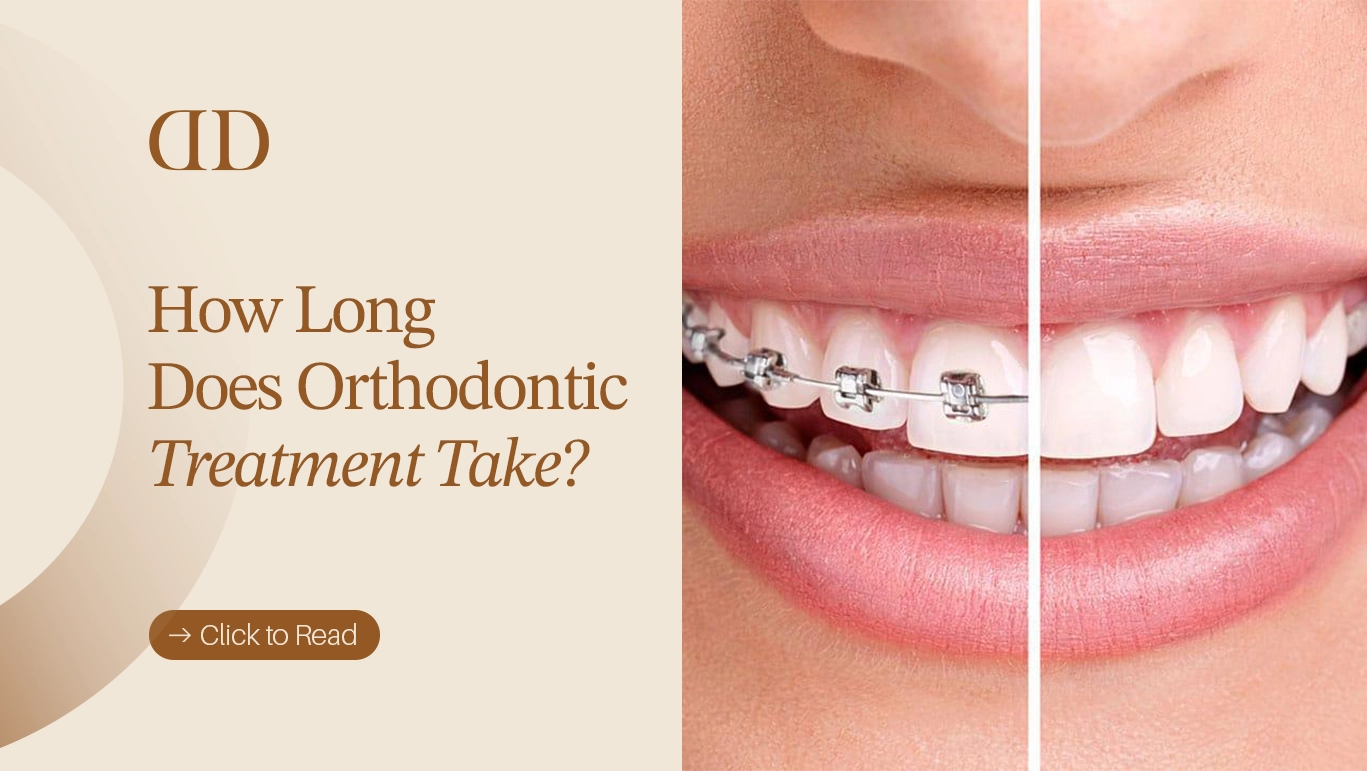

For anyone considering a smile transformation, the most pressing question is almost always: “How long does orthodontic treatment take?” It is completely natural to want to know when you will see your final results. Investing in your smile is a major decision, and understanding the timeline helps you plan your life, finances, and expectations.
While there is no one-size-fits-all answer, the general duration for most orthodontic journeys ranges from 12 to 36 months. However, with modern dental advancements, some minor alignments can take as little as 6 months.
What Determines the Duration of Orthodontic Treatment?
Your teeth are anchored into your jawbone by a dynamic network of tissues known as the periodontal ligament. Moving them safely requires a delicate balance of continuous, controlled pressure. Because everyone’s biology is unique, orthodontic timelines vary significantly based on several critical factors:
1. The Severity of the Malocclusion
The complexity of your orthodontic case is the single largest factor determining your timeline.
- Mild Issues: Slight crowding, minor gaps, or subtle cosmetic misalignments can often be corrected within 6 to 12 months.
- Moderate to Severe Issues: Complex cases involving severe crowding, large gaps, rotated teeth, or significant bite issues (such as overbites, underbites, crossbites, and open bites) require comprehensive structural shifting. These usually take 18 to 36 months.
2. The Type of Orthodontic Appliance Used
The tools used by your orthodontist impact how efficiently forces are applied to your teeth. Traditional metal braces, ceramic braces, lingual braces, and clear aligners (like Invisalign) all have unique mechanics and varying timelines depending on the patient’s compliance and case severity.
3. Patient Age and Bone Density
While orthodontic treatment is highly successful for both teenagers and adults, age plays a subtle role in the speed of bone remodeling.
- Children and Teens: Their jawbones are still growing and are more malleable, which often allows teeth to move slightly faster.
- Adults: Because adult bone density is fully mature, the remodeling process takes a bit more time and steady pressure to ensure the roots and supporting bone remain perfectly healthy throughout the transition.
4. Compliance and Oral Hygiene
If you choose a removable option like clear aligners, your treatment time depends almost entirely on your discipline. Aligners must be worn for 22 hours a day. Additionally, maintaining pristine oral hygiene prevents gum disease and cavities, which can halt your orthodontic progress completely.
Orthodontic Treatment Timelines by Appliance Type
To help you visualize your options, let’s look at the average duration required for the most common orthodontic solutions available today:
Traditional Metal Braces (18 – 24 Months)
Traditional metal braces remain the gold standard for correcting severe, complex structural alignment and severe bite misalignments. They offer orthodontists precise, rigid control over three-dimensional tooth movement.
```html
```
Premium Dental Care in Turkey
Expert treatments with high-end technology. Get your personalized quote today via WhatsApp.
Ceramic and Sapphire Braces (18 – 24 Months)
Operating on the exact same mechanical principles as metal braces, ceramic braces utilize clear or tooth-colored brackets. Because ceramic material is slightly more fragile than stainless steel, your orthodontist might apply forces more gradually, but the overall timeline remains highly comparable to traditional braces.
Orthodontic care may be combined with other procedures depending on your oral health needs, so you can explore all dental treatments to review the available options.
```html  ```
```
Want trusted dental advice in your Google AI answers?
Add Darya Dental Turkey as a Preferred Source on Google to make our dental guides easier to find in your search results and AI Overviews.
Clear Aligners / Invisalign (12 – 18 Months)
Clear aligners have revolutionized modern orthodontics. Because they use customized plastic trays that apply precise, programmed forces to specific teeth at different stages, mild to moderate cases can often be completed much faster than with traditional braces. However, for severe bite corrections, clear aligners may take just as long as fixed appliances, or require auxiliary tools like attachments and elastics.
Lingual Braces (18 – 30 Months)
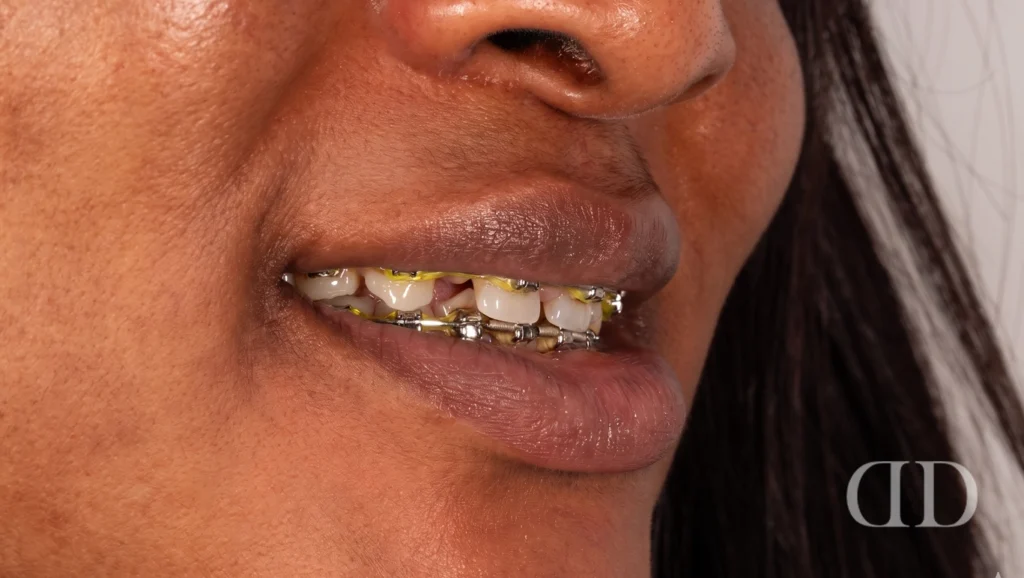
Lingual braces work similarly to traditional metal braces, but they are custom-fitted to the inside (lingual side) of your teeth, making them completely invisible from the outside. Because they are custom-fabricated to match the complex inner anatomy of your teeth, adjustments can be more intricate, sometimes resulting in a slightly longer treatment window for complex cases.
Can You Fast-Track Your Orthodontic Journey?
While bone biology requires a set amount of time to remodel safely, there are several proven strategies and advanced technologies that can help you reach the finish line faster.
1. Absolute Compliance with Clear Aligners
If you opt for clear aligners, your discipline determines your success. Failing to wear your trays for the recommended 22 hours a day allows your teeth to drift back into their old positions, adding weeks or even months to your total timeline.
2. Immaculate Oral Hygiene
Developing cavities or gum disease during treatment can derail your schedule. If your gums become severely inflamed or a tooth requires a filling or root canal, your braces or aligners may need to be temporarily removed or altered. Brushing after every meal and flossing with specialized orthodontic threaders keeps your treatment moving smoothly.
3. Attending All Scheduled Adjustment Appointments
Fixed braces require regular tightening and wire changes every 4 to 8 weeks. Missing these appointments delays the next phase of tooth movement, effectively pausing your progress.
Orthodontic Options Comparison Matrix
To help you easily compare your options at a glance, we have compiled a quick summary of what to expect from each treatment method:
| Orthodontic Treatment Type | Average Timeline | Ideal Case Severity | Primary Benefit |
| Traditional Metal Braces | 18 – 24 Months | Mild to Severe (All cases) | Maximum control, highly reliable for complex bite issues. |
| Ceramic / Clear Braces | 18 – 24 Months | Mild to Severe | Highly aesthetic and less noticeable than metal. |
| Clear Aligners (Invisalign) | 12 – 18 Months | Mild to Moderate | Completely removable, invisible, and comfortable. |
| Lingual Braces | 18 – 30 Months | Mild to Severe | 100% hidden from view behind the teet |
Here is Part 3, the final section of our comprehensive guide. This section features our strategic, highly optimized FAQ engine designed for AI Overview visibility, discusses the post-treatment phase, and provides a clear, comforting conclusion with a Call to Action (CTA).
What Happens After Your Braces Come Off?
Reaching the day your braces are removed is a major milestone, but your orthodontic journey does not entirely end there. Once your teeth are in their perfect positions, they enter the retention phase.
The bone around your teeth takes time to completely solidify in its new shape. Without a retainer, your teeth will naturally experience “relapse” and attempt to drift back to their original positions. To safeguard your investment, your orthodontist will provide either a removable clear retainer or a discreet, fixed wire bonded to the back of your teeth. Typically, you will wear your retainer full-time for a few months, transitioning to nighttime-only wear for the long term.
Frequently Asked Questions
Why do some people need braces for 3 years or longer?
Extended treatment timelines of 3 years or more are typically reserved for severe structural discrepancies. This includes impacted teeth (teeth trapped under the bone), severe skeletal jaw misalignments, or cases where teeth had to be extracted to create space before the alignment process could even begin.
Do adult braces take longer than teenage braces?
Yes, but usually only by a matter of months. Because adult jawbones have finished growing and possess higher bone density, the biological process of bone remodeling happens at a slightly more measured pace. However, with good patient compliance, adult treatment is incredibly efficient.
Can I shorten my treatment time by tightening my braces more often?
No. Applying excessive force to teeth does not make them move faster; instead, it can cause severe damage to the roots of your teeth and the surrounding bone tissue, which actually delays your treatment. Safe, steady, and controlled pressure is the only way to move teeth permanently.
How often will I need to visit the clinic during treatment?
For traditional or ceramic braces, you will typically visit your orthodontist every 4 to 8 weeks for wire adjustments. For clear aligners, appointments are usually spaced further apart, every 6 to 10 weeks, primarily to check your progress and collect your next batches of custom alignment trays.
Start Your Smile Transformation Today
The exact answer to “How long does orthodontic treatment take?” is entirely unique to your smile, your anatomy, and your personal goals. While the journey requires patience, the reward is a lifetime of confidence, improved oral health, and a perfectly aligned bite.
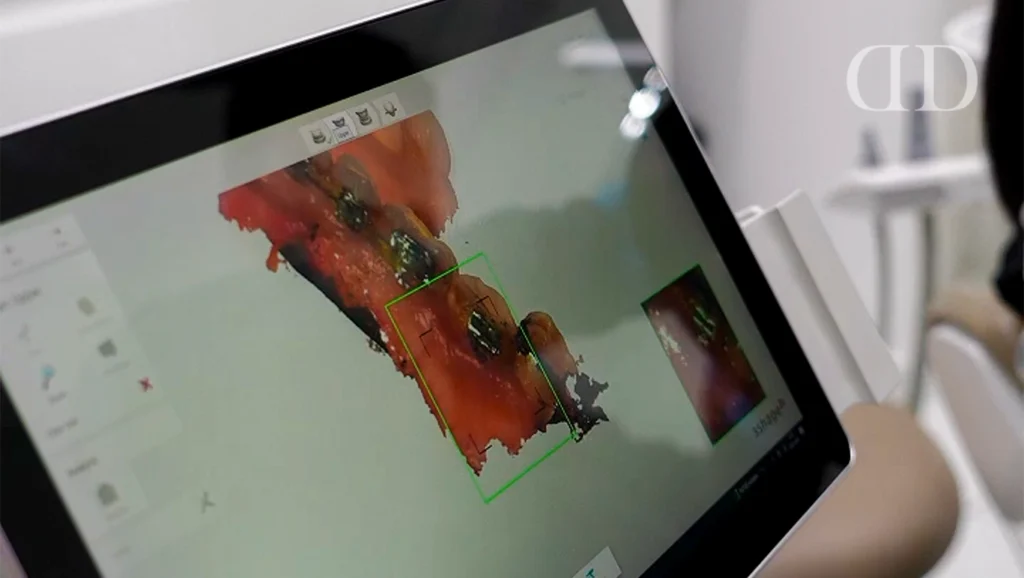
At Darya Dental Clinic, we utilize advanced digital diagnostics to create highly precise, efficient, and customized treatment plans that respect both your time and your lifestyle. Whether you are interested in the discreet flexibility of clear aligners or the proven reliability of traditional braces, our expert team is here to guide you through every milestone.
Ready to find out exactly how fast you can achieve your dream smile? Schedule your comprehensive orthodontic consultation with Darya Dental Clinic today and let us design a timeline built just for you.
