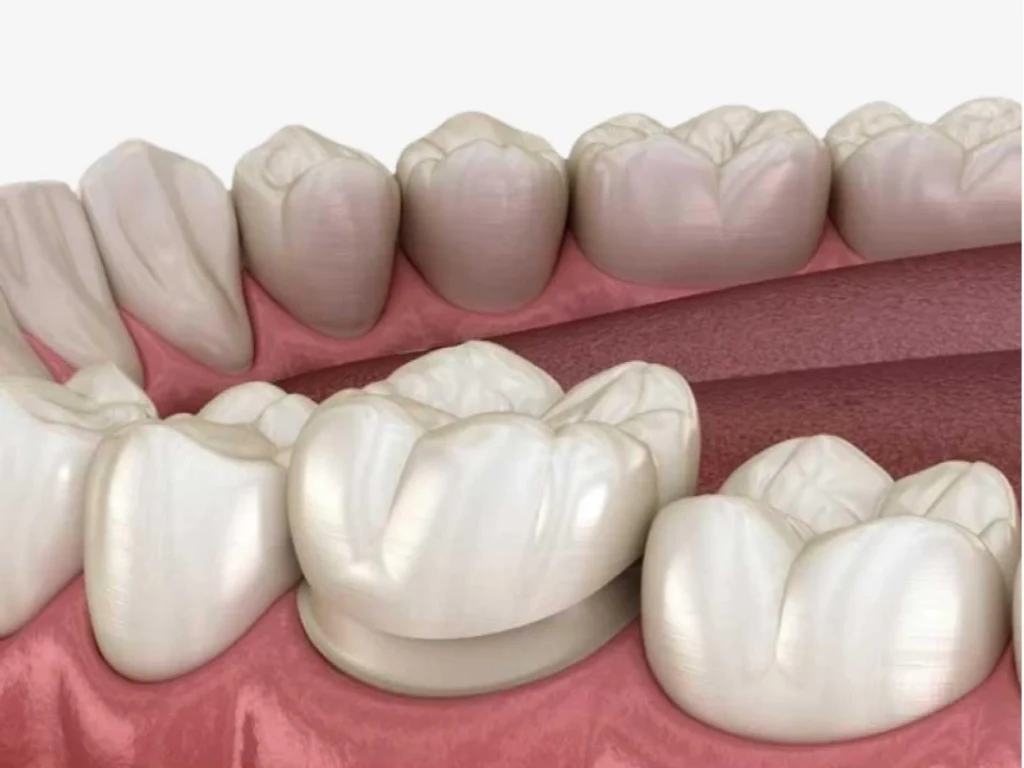
E-Max Veneers
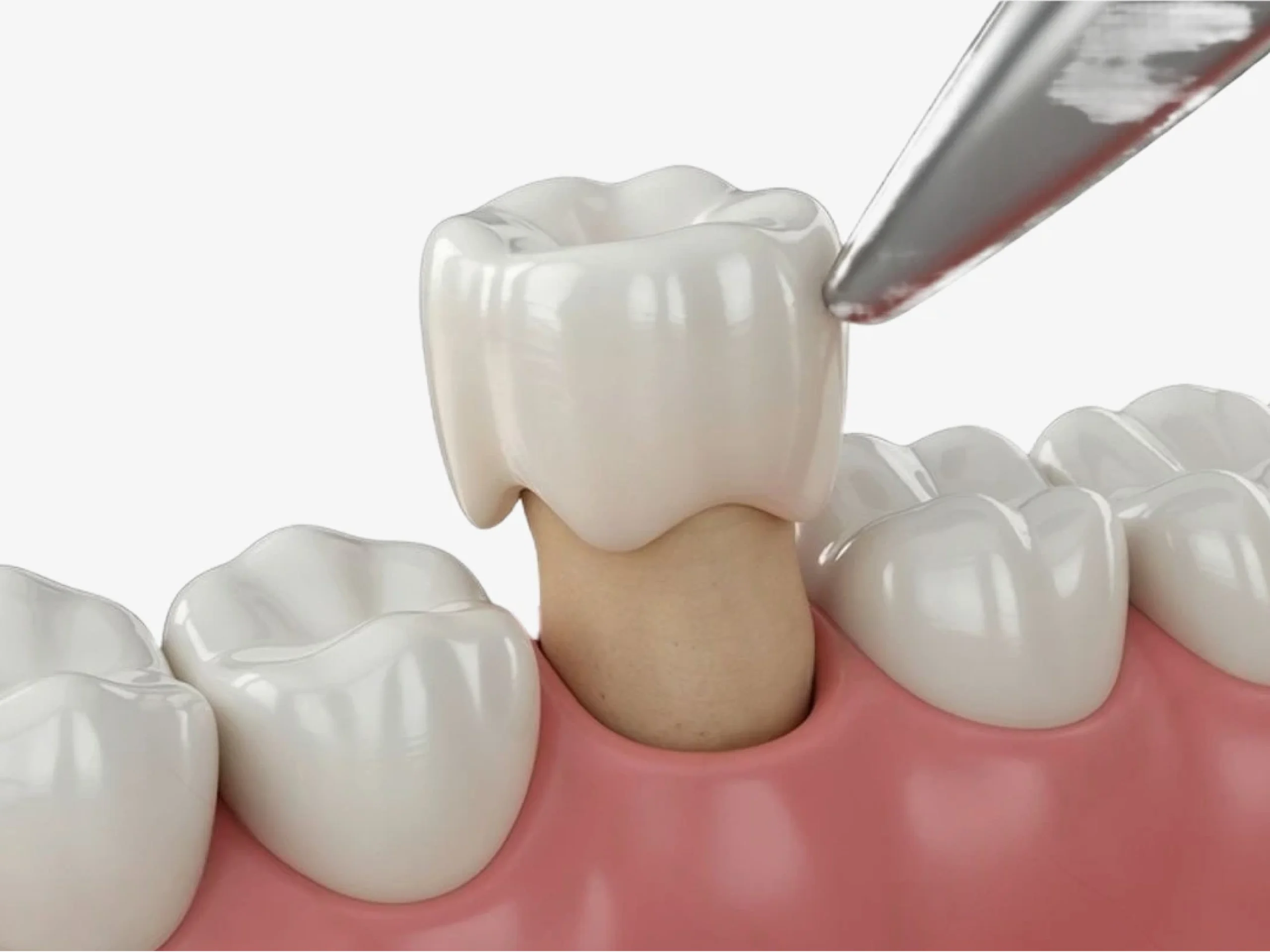
Laminate Veneers
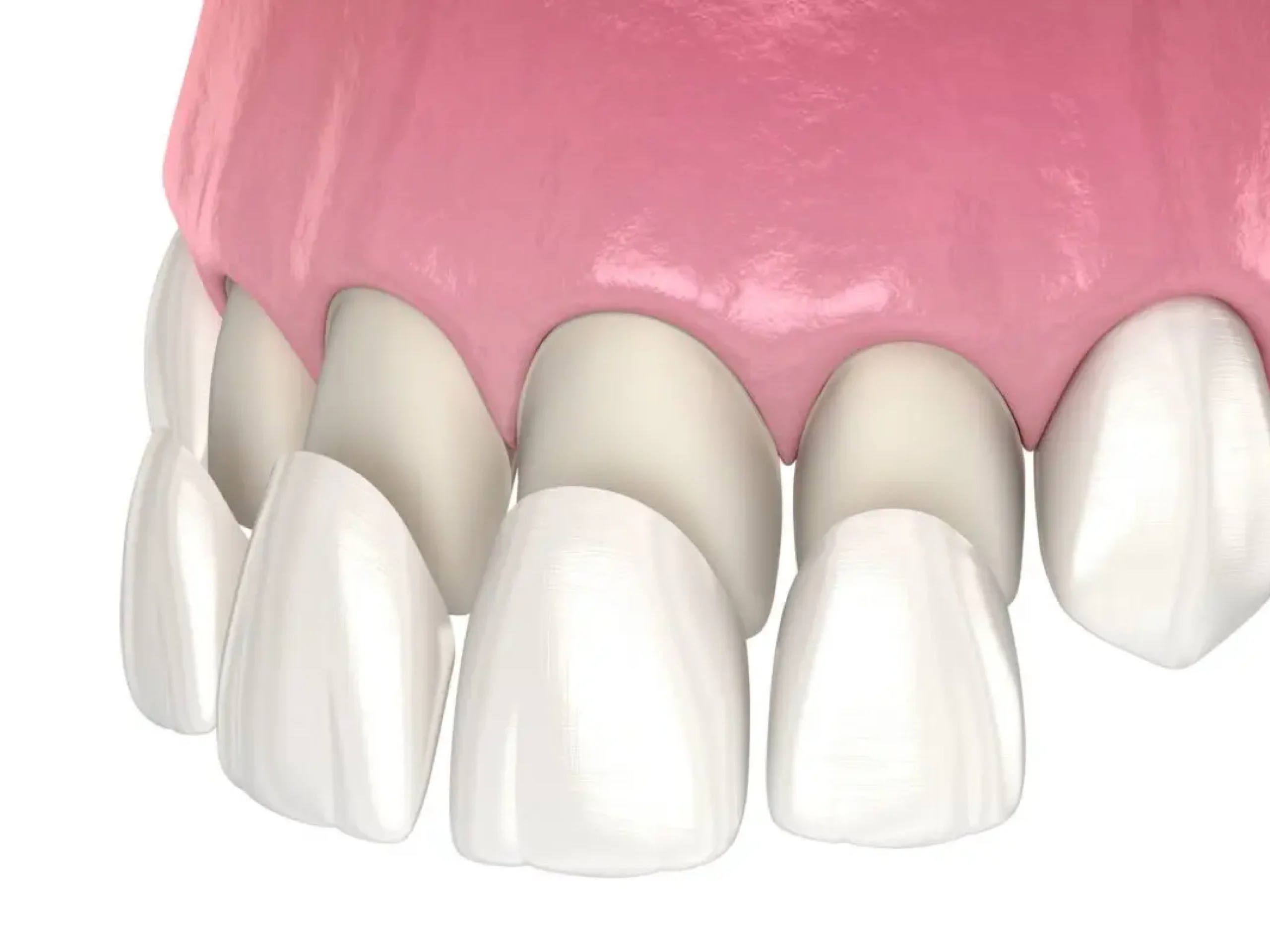
No-Prep Veneers
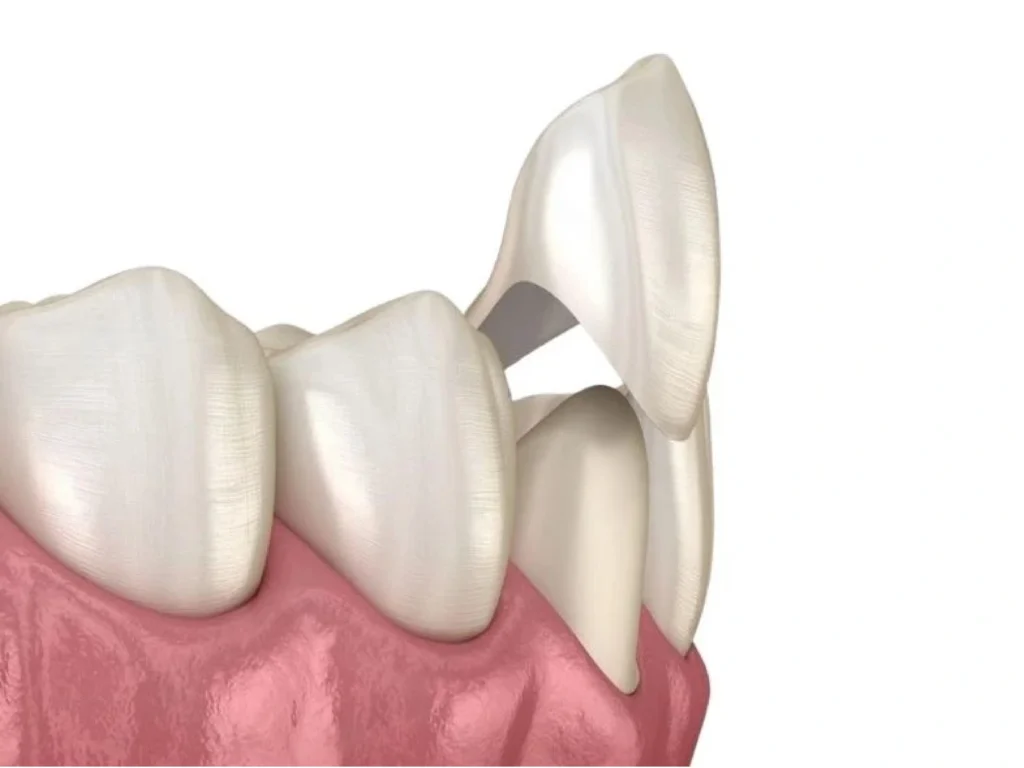
Porcelain Veneers
Dental veneers are micro-thin, custom-made shells crafted from porcelain or composite resin that are permanently bonded to the front surface of teeth. At Darya Dental Clinic, this cosmetic treatment is engineered to instantly correct severe discoloration, minor misalignments, chips, and gaps, delivering a highly durable and visually balanced Hollywood smile tailored to individual facial harmony.
What Are Dental Veneers?
In contemporary cosmetic dentistry, dental veneers represent a premier, conservative approach to smile design. Instead of restructuring an entire tooth, a veneer functions as an ultra-thin, custom-sculpted restoration designed to cover the visible anterior surface. This microscopic ceramic or resin shield is permanently integrated with the natural enamel, instantly modifying the color, shape, size, or length of the tooth framework to match ideal facial dimensions.
Rather than treating veneers as a rigid, one-shade-fits-all trend, our specialists treat the procedure as a precise architectural refinement. By using state-of-the-art diagnostic protocols, clinicians evaluate the precise relationship between lip movement, tooth display, and facial symmetry. This ensures that whether a patient requires a single unit to restore a chipped tooth or a full-arch structural restoration, the final smile line looks authentically natural and operates in complete harmony with the mouth’s biological framework.
What Are Veneers Used For?
Why Do People Get Veneers?
Individuals select teeth veneers to address a variety of structural and visual concerns that cannot be resolved through basic treatments like standard bleaching. The primary clinical indications for a comprehensive veneers treatment include:
- Severe Intrinsic Discoloration: Masking deep stains caused by tetracycline, excessive fluoride exposure, or root canal treatments that fail to respond to traditional teeth whitening.
- Enamel Wear and Chipping: Restoring teeth that have become structurally short, uneven, or fractured due to age, physical trauma, or mild acid erosion.
- Minor Alignment and Orthodontic Imperfections: Visually straight teeth without undergoing years of traditional braces, a concept frequently referred to as “instant orthodontics.”
- Diastema Closure: Closing unsightly gaps or spaces between adjacent teeth while maintaining stable, highly hygienic spacing.
How Do Veneers Work?
The long-term clinical predictability of smile veneers relies on the meticulous execution of a phase-by-phase clinical workflow. Understanding the step-by-step dental veneers procedure helps patients navigate their smile transformation with complete confidence.
1. Digital Smile Evaluation and Mapping
Before any enamel modification takes place, clinicians utilize high-resolution intraoral scanners to capture a 3D digital model of the patient’s existing dental architecture. This data is processed through advanced digital smile design software, allowing the cosmetic team to map out the exact thickness and margin limits of the future restorations in relation to facial symmetry.
2. Micro-Invasive Preparation
To ensure that the final veneer teeth sit flush with the surrounding gum line and do not look bulky, a minute layer of surface enamel (typically between $0.3\text{ mm}$ and $0.5\text{ mm}$) is conservatively prepared under local anesthesia. This step is entirely pain-free and is necessary to create a high-strength bonding surface.
3. Technical Fabrication and Sintering
Once final digital impressions are verified, temporary restorations are fitted to protect the teeth. The digital scans are transferred directly to our in-house laboratory, where CAD/CAM milling systems carve raw ceramic blocks into the mapped shapes, followed by hand-layering for realistic translucency.
4. Precision Adhesive Cementation
During the final clinical visit, the temporaries are removed, and the custom shells are tried in to evaluate bite alignment and shade integration under natural light. If the harmony is flawless, the tooth surface is prepared with a mild etching gel, and the veneer is chemically fused to the enamel using a specialized, light-cured adhesive resin bonding system.
Porcelain Veneers vs. Composite Veneers
Choosing the correct aesthetic material requires an evaluation of structural durability, biological response, and long-term aesthetic expectations. In modern cosmetic dental protocols, porcelain veneers and composite veneers serve distinct clinical purposes based on the patient’s individual dental framework.
The table below breaks down the precise material specifications and clinical indicators for both modalities:
Biocompatibility and Clinical Longevity
Are Veneers Permanent?
A primary consideration for patients preparing for a smile makeover is the long-term structural commitment involved. Porcelain veneers are classified as an irreversible restorative procedure. Because the placement protocol requires the conservative removal of a microscopic layer of enamel to establish a stable bonding margin, the involved teeth will always require a protective dental restoration.
From a biological standpoint, the physical veneer shell behaves exactly like healthy natural enamel once bonded. The permanent chemical fuse prevents micro-leakage and secondary decay, ensuring the underlying tooth structure remains protected throughout the lifecycle of the restoration.
Do Veneers Damage Teeth?
When executed by an experienced cosmetic dentist using digital planning software, veneers do not cause any damage to the natural tooth structure. The common misconception of aggressive tooth reduction stems from uncertified dental practices or the improper application of full-coverage crowns instead of thin laminates.
Modern cosmetic protocols emphasize maximum tissue preservation. The preparation is strictly limited to the outer enamel layer, leaving the tooth’s sensitive inner dentin completely untouched. This preservation is essential because it maintains the structural elasticity of the tooth framework and guarantees a high-strength bond, as dental adhesives achieve their maximum chemical stability when fused directly to clean enamel.
Is Getting Veneers Painful?
The diagnostic and preparation phases of the dental veneers treatment are designed to prioritize complete patient comfort. The micro-shaping process is performed under localized anesthesia, rendering the session entirely pain-free.
Following the definitive adhesive bonding appointment, some individuals may experience a minor, temporary condition known as post-operative thermal sensitivity. This sensation is a normal biological response of the tooth pulp to the conditioning gels and curing lights used during cementation. According to clinical guidelines updated by the American Dental Association (ADA), this mild sensitivity resolves naturally within 24 to 48 hours as the tooth adapts to its new ceramic shield.
Technical Recovery and Post-Operative Management
The cellular stabilization of the surrounding soft tissue specifically managed via gum contouring when reshaping a uneven smile line depends heavily on the patient’s immediate post-operative care. While the chemical resin bonding achieves maximum structural strength instantly under ultraviolet curing lights, the transition to normal oral functions must be approached methodically.
Among the available veneer options, porcelain veneer treatment may be considered for patients seeking an aesthetic restoration based on their tooth structure and individual clinical needs.
Can You Eat Normally with Veneers?
Maintaining the structural integrity of your new restorations involves adjusting your chewing mechanics during the initial stabilization phase. The structural transition occurs across two distinct timelines:
- The Adjustment Phase (First 7 Days): Patients are advised to consume soft-to-medium consistency foods. While eating normal meals like pasta, cooked vegetables, fish, and tender meats is perfectly safe, biting directly into highly resistant materials must be avoided.
- Long-Term Dietary Management: Once the soft tissues have fully adapted to the new margins, patients can return to their regular dietary habits. However, structural physics dictates that specialized precautions remain permanent: individuals must avoid using their front veneer teeth as tools to rip open packaging, crush ice, or bite directly into hard nuts and hard candies. These high-impact vertical forces can introduce micro-fractures into any ceramic or resin matrix, regardless of its flexural strength.
How Do I Take Care of Veneers?
Preserving the surface glaze and marginal health of your restorations requires a simple but disciplined daily hygiene routine:
- Non-Abrasive Prophylaxis: Brush twice daily using a soft-bristled toothbrush and a non-abrasive gel toothpaste. Formulas with high concentrations of whitening silica or activated charcoal must be completely avoided, as they can cause microscopic surface scratches over several years, dulling the ceramic’s natural translucency.
- Interdental Maintenance: Floss daily or utilize an oral irrigator on a medium setting around the cervical margins. This keeps the tissue interface free of plaque, protecting the underlying natural root structure from recession or localized inflammation.
- Bruxism Management: Patients who suffer from involuntary nighttime teeth grinding or clenching must be fitted with a custom-fabricated, clear stabilization night guard. This prevents extreme vertical loading forces from threatening the long-term survival of the restorations.
Navigating Structural Variables: What Affects the Cost of Veneers?
When investigating dental veneers cost, international patients quickly observe that pricing is not a static calculation. In macro-aesthetic treatments like a full Hollywood smile, the definitive financial layout depends on several essential clinical variables:
- Primary Material Choice: Premium glass-ceramics like high-purity lithium disilicate (E-Max) carry a higher base fabrication price compared to composite resin mixtures due to their complex sintering requirements.
- Total Number of Restorations: Plans can range from a single unit to fix an isolated fracture to full-arch packages of 8 to 10 units to transform the visible smile zone.
- Surgical Architecture Needs: If a patient presents with an uneven or excessive display of gingival tissue, additional micro-surgical gum contouring is integrated into the foundation phase to establish proper tooth proportions.
- Diagnostic Digital Infrastructure: Utilizing 3D intraoral scans, high-resolution smile simulations, and CAD/CAM milling templates increases placement accuracy but influences the operational cost model.
Are Veneers Expensive and Are Veneers Worth It?
While the initial investment for premium ceramics can appear high, evaluating the treatment through long-term clinical data changes the cost-to-benefit perspective. Unlike alternative treatments that require frequent maintenance, high-strength porcelain laminates offer excellent durability and stain resistance over a decade. By permanently restoring functional biting forces, protecting worn enamel, and enhancing self-confidence, the procedure delivers a high clinical value that patients consistently rate as a life-changing investment.
Global Health Tourism: Choosing Veneers in Turkey
The significant growth of international demand for getting veneers in Turkey
specifically across specialized clinics in Istanbul is driven by an ideal balance between technical excellence and accessible healthcare models.
Why Are Veneers Cheaper in Turkey?
The competitive fee structure found in Turkish clinics should not be misinterpreted as a compromise on treatment quality, material authenticity, or clinical safety. Instead, the lower veneers price model is driven entirely by clear macroeconomic advantages:
- Favorable Currency Exchange Rates: The high purchasing power of foreign currencies against the local currency drastically reduces the out-of-pocket expenses for international visitors.
- Lower Operational Overheads: Reduced laboratory manufacturing fees, clinic rent indexes, and medical staff running costs allow Turkish practices to offer competitive rates.
- Structured Government Support: Comprehensive state incentives for foreign healthcare traffic allow prominent clinics to invest in the latest digital technologies without passing premium structural costs onto the patient.
This economic framework allows Darya Dental Clinic to utilize the exact same top-tier international ceramic brands (such as genuine Ivoclar Vivadent E-Max) used in premium dental offices across Western Europe and North America at a fraction of the cost.
Is Veneer Treatment Safe in Istanbul?
Undergoing a smile transformation in a certified clinic in Istanbul is exceptionally secure. Leading dental clinics operate under direct regulation from the Turkish Ministry of Health and conform to strict European sterilization directives. At our practice, procedural safety is guaranteed through advanced clinical protocols:
- Board-Certified Cosmetic Specialists: Restorations are designed by internationally trained prosthodontists who possess high case experience in full-mouth rehabilitation.
- Class-B Autoclave Sterilization: Every medical instrument undergoes rigorous multi-stage pathogen elimination to prevent cross-contamination.
- Official Material Passports: Patients receive certified warranty documentation detailing the precise brand and batch numbers of the ceramic blocks used in their treatment.
Technical Travel Planning for International Visitors
How Long Should I Stay in Turkey for Veneers Treatment?
For tourists planning their medical trip to receive veneers in Istanbul, time management is carefully streamlined to maximize clinical safety within a compact stay. A standard aesthetic transformation requires a 5 to 7-day itinerary, requiring only 2 to 3 clinic appointments.
The interactive overview below outlines the phase-by-phase journey of a patient during their treatment week:
During the laboratory phase on Days 2 through 4, patients are completely free to enjoy the historic sights, cultural exhibits, and culinary experiences of Istanbul. Because custom temporary restorations are fitted during the first appointment, normal speech mechanics and smile aesthetics are maintained throughout the travel week, turning an intensive medical trip into a relaxing wellness holiday.
Can veneers fall off or break, and what happens if a veneer breaks?
When bonded correctly using modern resin cementation techniques, it is rare for a porcelain laminate to spontaneously detach. However, severe structural trauma or habits like chronic teeth grinding can cause a restoration to chip or debond. If a failure occurs, the natural tooth underneath remains secure but loses its protective shield. The patient must avoid exposing the tooth to extreme temperatures and contact the clinic immediately; a fractured porcelain shell cannot be repaired inside the mouth and must be replaced using a new digital impression and CAD/CAM milling protocol.
Can veneers fix crooked teeth or close gaps between teeth?
Veneers are an excellent alternative for visually correcting minor orthodontic imperfections, often referred to as “instant orthodontics.” They can instantly close spaces between adjacent teeth (diastemas) and mask slight rotational misalignments without the need for multi-year braces. However, if a patient presents with severe skeletal crowding or major bite malocclusions, a pre-treatment phase utilizing clear aligners or traditional orthodontics is clinically recommended to establish a healthy structural base.
What is the difference between veneers and dental bonding?
The primary difference between these two treatments lies in material strength, stain resistance, and fabrication methods. Composite bonding involves applying a soft resin material directly onto the tooth, which the dentist shapes by hand in a single session. While bonding is a non-invasive and cost-effective alternative for minor repairs, it lacks the flexural strength and long-term durability of porcelain. Porcelain laminates are fabricated inside a specialized laboratory using high-pressure ceramic blocks, offering superior light transmission, absolute stain resistance, and a significantly longer clinical lifespan.
Reconstruct Your Smile Architecture at Darya Dental Clinic
A successful smile transformation demands a perfect integration of biological safety, material durability, and natural facial harmony. At Darya Dental Clinic in Istanbul, Turkey, we combine advanced digital CAD/CAM surgery with a personalized, face-driven approach to design custom dental restorations that enhance your unique features without compromising your long-term oral health.
You do not have to live with the discomfort of severely discolored, chipped, or uneven teeth. Our dedicated international medical team utilizes non-invasive intraoral scanning and premium biocompatible materials to deliver comfortable treatments with minimal downtime, fully optimized for your life.
Contact Darya Dental Clinic today to request your comprehensive, non-binding 3D Digital Consultation and receive an itemized treatment proposal tailored to your permanent smile transformation.
I had my teeth redone, and I’m genuinely in love with the results. The entire team is kind, attentive, and exceptionally skilled. You feel truly seen, heard, and supported throughout every step. Darya takes her time, explains everything with clarity, and works with a level of expertise that instantly makes you feel safe.
A special thank you to Afaf and Lori — I’m deeply grateful for both of you. You stood by my side through every moment, and I appreciate you from the bottom of my heart. Consider this a big, warm hug sent your way.
Coming from Austria, traveling to beautiful Istanbul for treatment that is both high-quality and affordable makes my heart dance. I can wholeheartedly recommend this clinic. Thank you to Darya and the whole team — I’ve never been this happy with my smile.
 Sarah
Sarah Crowns
Such an amazing, child-friendly clinic! As a mum, I was nervous about bringing my toddler along, but the team was so welcoming and helped keep him happy and entertained throughout my treatment. Lorie and Rana were incredibly kind and supportive, and Dr. Kaan did an outstanding job on my teeth. I’m so pleased with the results — highly recommend this clinic, especially for mothers who need quality care without the stress!
 Annie F.
 Dental Implants
WoooooW🤩🤩 what an experience. I came to Darya Dental all the way from Australia. I first saw them on Insta, looked at the amazing results from previous clients and immediately fall in love. From the WhatsApp chats , to the beautiful welcome in a beautiful Maybach to the hotel. Honestly the best customer service. Met the team and started work right away 🥰 Met the beautiful Darya herself on the first day , such a lovely person with a big heart and not forgetting the amazing Lori 🫶🏽🫶🏽🫶🏽 A Massive Shout to her and the wonderful Team for the hard work especially with the complicated case yet made it seem so easy. I love my smile , I finally got my confidence backkk, my smile is perfect , all thanks to Darya Dental Turkey 🇹🇷 😍😍😍😍 btw Turkey is breath taking 😍😍😍😍
 Khusna
 E-max crowns
