
Clear Aligners vs Braces: Which Is Better?
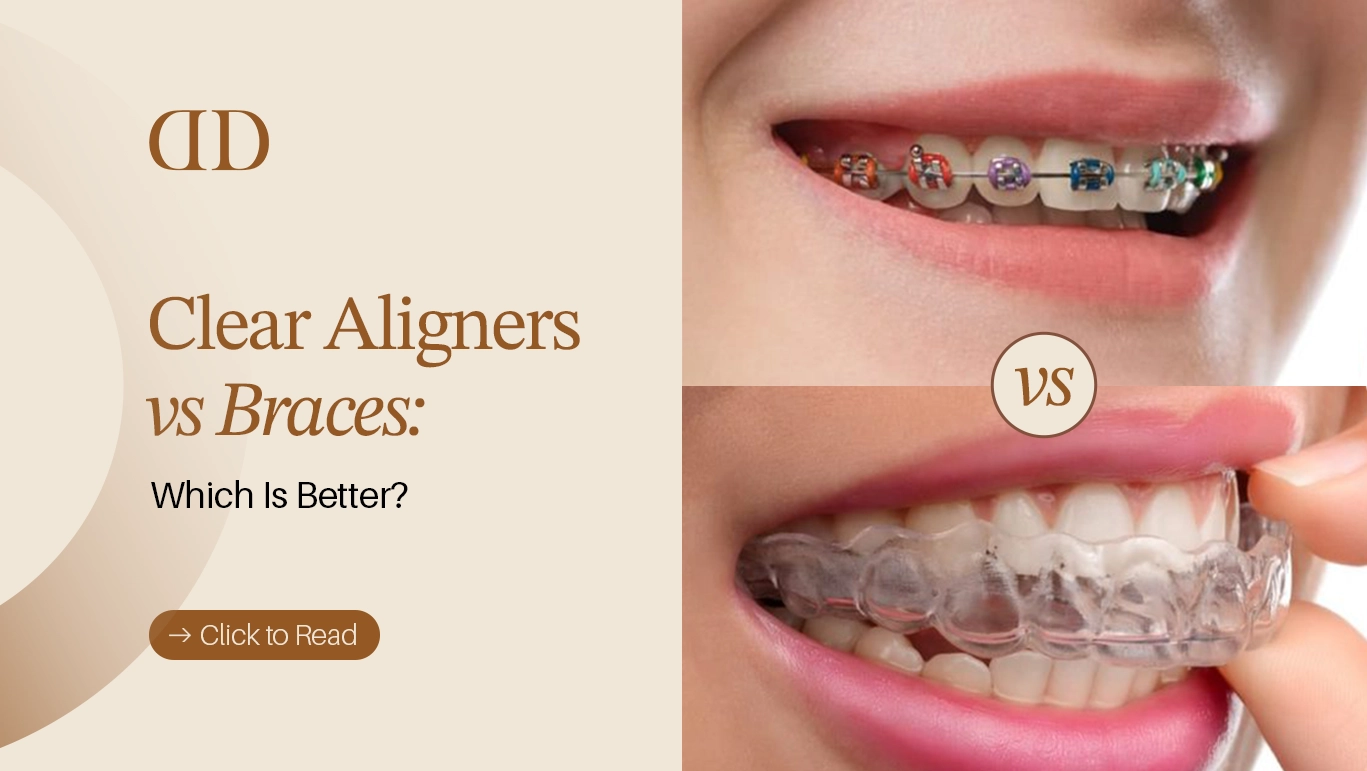

Choosing the right orthodontic treatment is a significant milestone on your journey to a healthier, more confident smile. For decades, traditional metal braces were the undisputed standard for straightening teeth. However, the rise of clear aligners has transformed the dental landscape, leaving many patients asking a crucial question: Clear aligners vs braces: which is better?
At Darya Dental Clinic, we understand that this choice isn’t just about aesthetics; it is about finding a solution that fits your unique lifestyle, budget, and clinical needs. Both options are highly effective, but they approach teeth straightening from completely different angles.
What Are Clear Aligners?
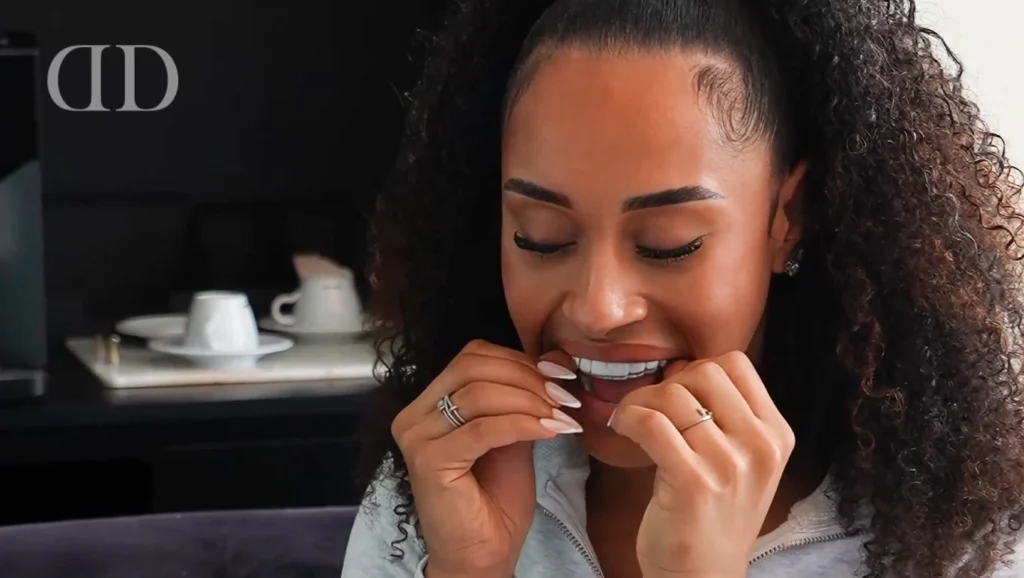
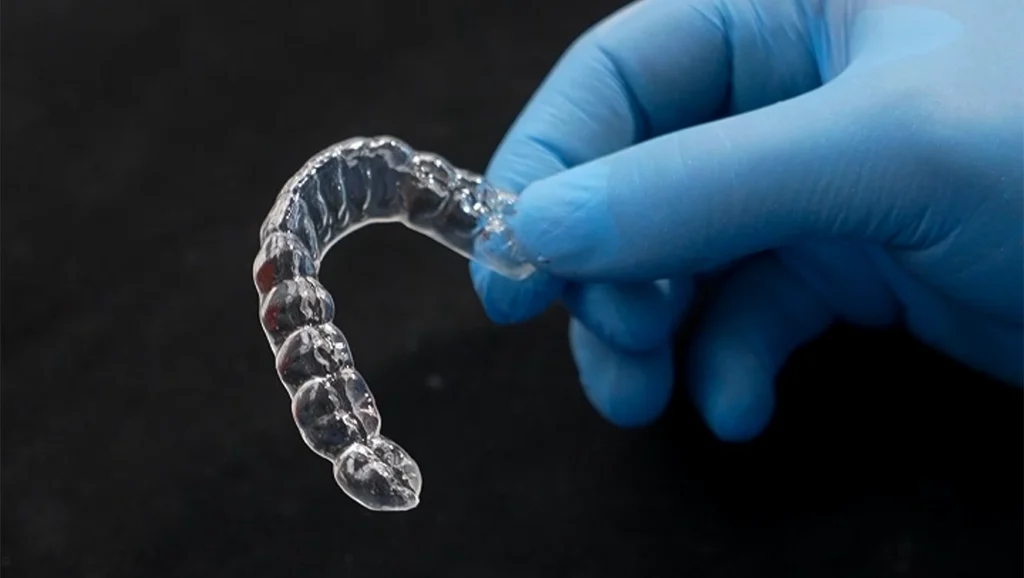
Clear aligners are custom-made, transparent plastic trays designed to fit snugly over your teeth. Utilizing advanced 3D imaging technology, a series of aligners is fabricated to apply controlled, sequential pressure to specific teeth, gradually moving them into their desired positions.
Unlike fixed appliances, clear aligners are completely removable. Patients transition to a new set of trays roughly every one to two weeks, with each set subtly building upon the progress of the last. Brands like Invisalign have popularized this method, making it a highly sought-after option for adults and teenagers seeking a discreet orthodontic solution.
What Are Traditional Braces?
Traditional braces are fixed orthodontic appliances consisting of metal or ceramic brackets bonded directly to the surface of each tooth. These brackets are connected by a flexible archwire, which is held in place by tiny elastic bands (ligatures).
By periodically tightening the archwire, an orthodontist exerts constant, precise force to guide the teeth and jaw into alignment. While traditional braces are visible, modern advancements have made brackets significantly smaller, sleeker, and more comfortable than those used in the past. For patients prioritizing aesthetics over structural minimalism, ceramic braces offer a tooth-colored alternative that blends in naturally with your smile.
Direct Comparison: How They Stack Up
To help you visualize the core differences, the table below compares the foundational aspects of both treatments:
| Feature | Clear Aligners | Traditional Braces |
| Material | Clear, medical-grade polyurethane plastic | Stainless steel, titanium, or polycrystalline ceramic |
| Visibility | Virtually invisible; highly discreet | Highly visible (metal) or moderately discreet (ceramic) |
| Removability | Removable for eating, drinking, and brushing | Fixed; permanently attached until treatment ends |
| Treatment Scope | Mild to moderate alignment issues and spacing | Simple to highly complex malocclusions and skeletal shifts |
| Patient Discipline | High; requires 22 hours of daily wear | Low; the appliance works automatically 24/7 |
| Dietary Restrictions | None (trays are removed during meals) | Strict; avoid sticky, hard, or crunchy foods |
Clear Aligners: Pros and Cons
Every orthodontic treatment requires a trade-off between convenience, appearance, and clinical capability. Understanding the specific advantages and limitations of clear aligners will help you determine if they align with your daily routine.
The Advantages of Clear Aligners
- Aesthetics: The most obvious benefit is their near-invisibility. Most people won’t even notice you are undergoing orthodontic treatment, making them an excellent choice for professionals and self-conscious teens.
- Superior Oral Hygiene: Because you remove the aligners to brush and floss, maintaining your oral health is straightforward. There are no brackets or wires to navigate, which significantly reduces the risk of plaque buildup and localized tooth decay during treatment.
- Dietary Freedom: You can continue to enjoy your favorite foods. Whether it’s biting into a crisp apple, chewing gum, or eating nuts, you simply remove the trays before eating and put them back in once your teeth are clean.
- Enhanced Comfort: Clear aligners are smooth and custom-molded to your gum line. They completely eliminate the risk of sharp wires poking into your cheeks or brackets irritating your inner lips.
The Disadvantages of Clear Aligners
- Strict Compliance Needed: The success of clear aligners depends entirely on your self-discipline. They must be worn for 22 hours a day. If you frequently forget to put them back in after meals, your treatment timeline will stall.
- Frequent Teeth Cleaning: You must brush your teeth after every meal or snack before reinserting the trays. Trapping food particles or sugar underneath an aligner creates an ideal environment for bacteria, accelerating cavities and causing bad breath.
- Clinical Limitations: While clear aligners are highly efficient for rotating teeth or closing gaps, they struggle with severe skeletal issues, severe jaw misalignments (such as severe overbites or underbites), or vertical tooth movements.
Traditional Braces: Pros and Cons
While clear aligners represent modern orthodontic innovation, traditional braces remain the gold standard for clinical reliability. Understanding the explicit advantages and potential drawbacks of fixed braces is key to determining whether they are the most suitable path for your smile transformation.
```html
```
Premium Dental Care in Turkey
Expert treatments with high-end technology. Get your personalized quote today via WhatsApp.
Beyond orthodontic options such as clear aligners and braces, you can explore all dental treatments to review other procedures available for different oral health needs.
The Advantages of Traditional Braces
- Unrivaled Clinical Power: Fixed braces exercise absolute control over tooth movement. They can easily rectify severe teeth crowding, close massive gaps, rotate stubborn premolars, and correct complex jaw discrepancies like structural overbites, underbites, or crossbites that aligners simply cannot resolve.
- Zero Compliance Risk: Since brackets are permanently bonded to your teeth, the treatment works continuously without your intervention. You do not have to worry about losing your appliance, tracking daily wear hours, or remembering to put them back in after a meal.
- Predictable Timeline: Because traditional braces apply continuous, uninterrupted biomechanical force, treatment timelines are highly predictable. There is virtually no risk of tracking errors or delays caused by patient non-compliance.
- Versatile Aesthetic Variations: Patients are no longer restricted to bulky metal brackets. Modern options include ceramic braces, which utilize tooth-colored or clear brackets to blend seamlessly with your natural tooth enamel, rendering the treatment much less noticeable.
The Disadvantages of Traditional Braces
- Noticeable Profile: Even with ceramic options, traditional braces alter the appearance of your smile during treatment far more than transparent trays do.
- Strict Dietary Restrictions: Hard, sticky, or highly crunchy foods (such as popcorn, nuts, hard candy, and chewing gum) can easily bend the archwires or shear a bracket off the tooth surface. Managing broken brackets requires emergency orthodontic appointments, which can stall progress.
- Demanding Oral Hygiene Routine: Brushing and flossing around permanent metal wires and brackets require significant effort. Patients must use specialized tools like interdental brushes or floss threaders to remove trapped food debris and plaque, minimizing the risk of decalcification (white spots on teeth) or gum inflammation.
- Initial Discomfort: The introduction of metal or ceramic components can cause temporary friction against the inner lips and cheeks. While orthodontic wax provides relief, the periodic tightening of the wires inevitably induces mild soreness for a few days following each adjustment.
Biomechanical Comparison: How They Move Teeth
The fundamental difference between these two treatments lies in the engineering behind their force delivery models.
```html  ```
```
Want trusted dental advice in your Google AI answers?
Add Darya Dental Turkey as a Preferred Source on Google to make our dental guides easier to find in your search results and AI Overviews.
Traditional braces utilize a pulling force. The wire acts as a continuous tracking system, pulling the teeth along a pre-engineered archway. This allows for bodily movement meaning the entire tooth, including the root deep within the jawbone, moves uniformly.
Conversely, clear aligners rely on a pushing force. The custom plastic trays encapsulate the entire crown of the tooth, pushing it toward the calculated target. For complex root movements or rotations, small, tooth-colored composite buttons (called attachments) are temporarily bonded to the teeth, giving the plastic tray a surface to push against.
Treatment Timeline: Which Option Is Faster?
A common misconception is that clear aligners are inherently faster than traditional braces. In reality, the duration of your orthodontic treatment depends entirely on the complexity of your malocclusion (bite misalignment).
For mild to moderate cases of crowding or spacing, clear aligners can achieve final results in 6 to 18 months. Because aligners focus entirely on the aesthetic zone (the front teeth visible when you smile), localized corrections occur rapidly.
For severe structural issues, skeletal misalignments, or extraction cases, traditional braces are generally faster and far more efficient. Severe cases treated with braces typically take 18 to 36 months, but attempting to resolve these same complex issues with aligners could result in an extended timeline filled with constant mid-course refinements.
Cost Analysis: Clear Aligners vs Braces
When finalizing your orthodontic decision, the financial investment is often a major deciding factor. Many patients operate under the assumption that clear aligners are universally more expensive than traditional braces, but the modern reality is far more nuanced.
The total cost of your treatment depends primarily on three variables:
- The severity of your alignment case: Complex corrections require more chair time and materials.
- The duration of the treatment: More months mean more clinic visits and adjustment materials.
- The geographical location of the clinic: Seeking treatment in major medical tourism hubs can significantly impact overall costs.
While clear aligners generally carry a slightly higher price tag globally due to the proprietary laboratory manufacturing fees for the medical-grade plastic trays, the gap has closed significantly. Furthermore, choosing a specialized international provider can completely shift the value equation.
For instance, seeking dental treatment abroad at modern facilities like the Darya Dental Clinic in Turkey allows patients to access top-tier orthodontic materials and internationally trained specialists at a fraction of the cost typically found in Western Europe or North America, without compromising clinical quality.
Direct Decision-Making Guide
To summarize everything we have analyzed across this guide, use this checklist to see which system aligns best with your profile:
Choose Clear Aligners If:
- You work in a professional setting where highly visible metal appliances might impact your confidence.
- You possess the self-discipline to wear the trays consistently for 22 hours every single day.
- Your alignment needs fall within the mild-to-moderate category (such as minor crowding or closing small gaps).
- You do not want to alter your current diet or navigate complex flossing around fixed wires.
Choose Traditional Braces If:
- You have severe crowding, a structural overbite/underbite, or require jaw realignment.
- You worry you might lose removable trays or lack the discipline to hit the daily 22-hour wearing target.
- You want a completely hands-off treatment where the appliance works automatically around the clock.
- You are looking for the most cost-effective and clinically definitive solution for highly complex dental problems.
Frequently Asked Questions
Are clear aligners as effective as traditional metal braces?
Yes, for mild to moderate crowding, spacing, and minor bite issues, clear aligners are just as effective as traditional braces. However, for complex skeletal discrepancies, severe tooth rotations, or large jaw advancements, traditional fixed braces remain clinically superior and highly recommended.
Can I switch from braces to clear aligners mid-treatment?
In many cases, yes. If your traditional braces have successfully completed the complex heavy lifting such as correcting severe root positions or jaw alignments you may be able to transition to clear aligners to finish the fine-tuning. This requires a precise evaluation by your orthodontist to ensure tracking remains stable.
How many hours a day do I actually need to wear clear aligners?
You must wear your clear aligners for 22 hours per day. They should only be removed when you are eating meals, drinking liquids other than plain water, or performing your morning and nightly oral hygiene routines. Failing to meet this threshold will cause your teeth to shift back, extending your overall treatment timeline.
Do clear aligners or braces hurt more?
Both treatments introduce a degree of initial discomfort because they apply active pressure to move teeth through the jawbone. However, patients generally report that clear aligners cause less overall pain because the pressure is applied gradually across a sequence of trays, and there are no sharp metal components to irritate or poke the soft tissues of your cheeks and gums.
Will I need to wear a retainer after my treatment is complete?
Yes. Regardless of whether you choose clear aligners or traditional braces, wearing a retainer is non-negotiable once active treatment ends. Teeth have a natural “orthodontic memory” and will attempt to relapse into their old positions. A retainer ensures your new, beautiful smile stays locked in place permanently.
Ready to Transform Your Smile?
There is no universal winner in the battle of clear aligners vs braces. The ideal option depends entirely on your specific anatomical needs, your budget, and how well each system integrates into your daily life. Clear aligners offer unmatched discretion and freedom, while traditional braces provide unrivaled clinical power and zero compliance worries.
The most critical step in your smile journey is securing an accurate, professional assessment. At Darya Dental Turkey, our expert clinical team leverages advanced digital diagnostic tools to evaluate your bite structure, mapping out a highly personalized treatment pathway tailored specifically to your goals.
Whether you opt for the invisible convenience of modern aligners or the definitive reliability of advanced braces, a healthier, perfectly aligned smile is well within your reach.
