Best Mouthwash for Veneers: What to Use and What to Avoid
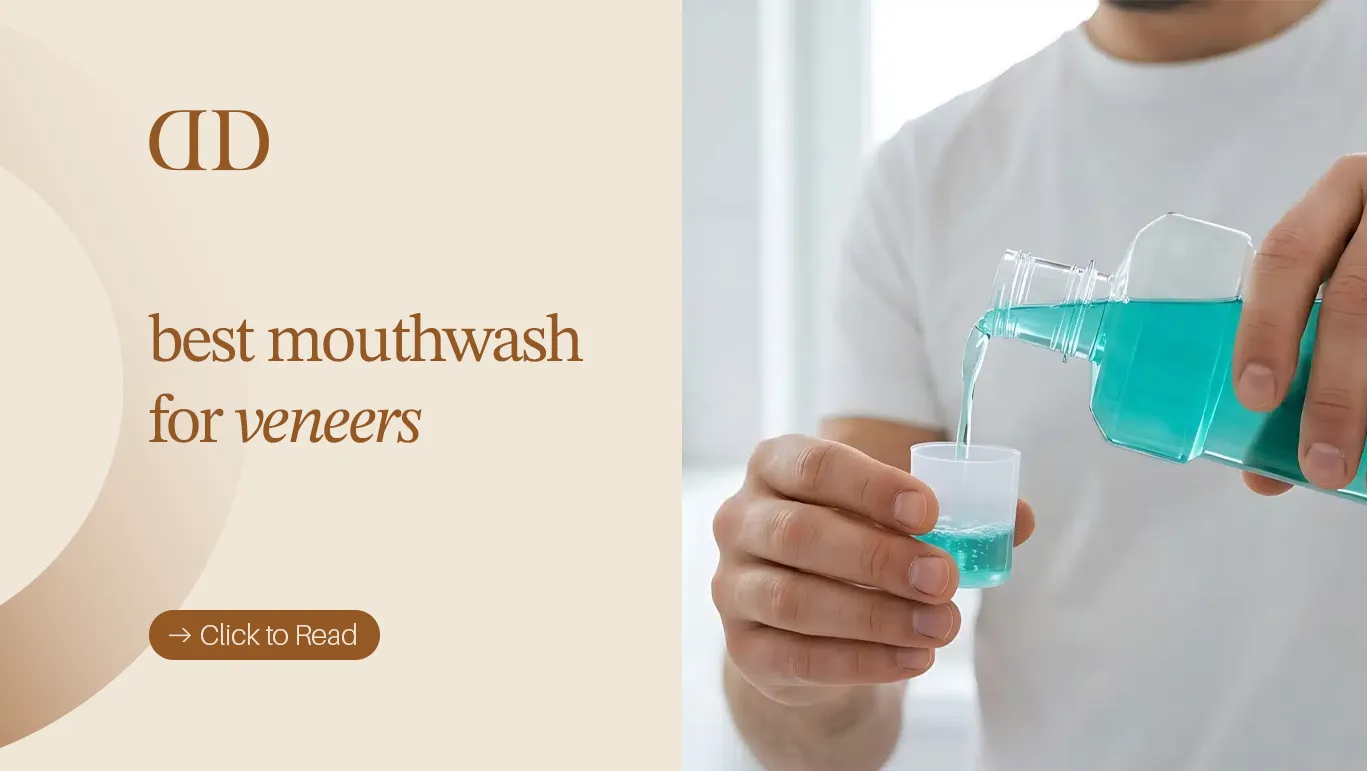

The best mouthwash for veneers is alcohol-free, contains fluoride and has no whitening peroxide. In the UK, good choices include Corsodyl Daily Alcohol Free, Listerine Total Care Zero Alcohol, Oral-B Pro-Expert Alcohol-Free and Colgate Plax Alcohol Free. Avoid alcohol-based, whitening and strongly coloured rinses, and use chlorhexidine only for short courses.
Mouthwash does not clean your veneers themselves. Porcelain and E-max veneers cannot decay. Its job is to protect what sits around them: the natural tooth at the veneer edge, your gums and the bonding line that holds everything in place.
The wrong rinse can work against you. Alcohol can dry your mouth and affect composite resin, while some medicated rinses stain. In this guide, our dental team explains which mouthwash to choose after dental veneers in Turkey, which ingredients to avoid and how to use it properly.
Can You Use Mouthwash With Veneers?
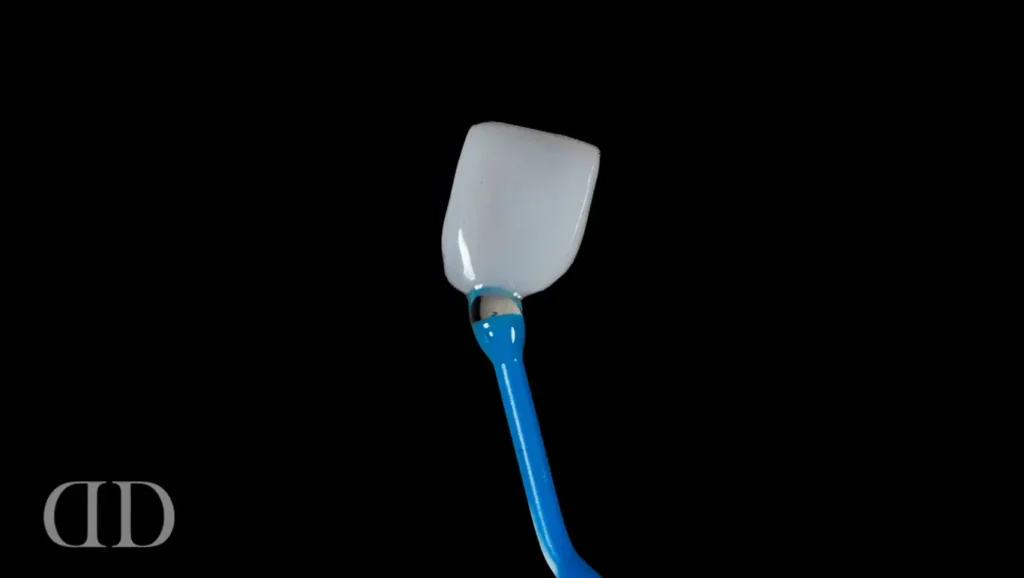
Yes. Mouthwash is safe with veneers, and the right one helps them last. A good rinse reduces plaque bacteria along the gum line and delivers extra fluoride to the natural tooth around each veneer.
The NHS notes that “using a mouthwash that contains fluoride can help prevent tooth decay” (NHS). For veneer patients, that matters most at the margin, where the veneer meets the tooth and the gum.
The key is choosing the right type. Most problems come from three kinds of mouthwash: alcohol-based rinses, whitening rinses and long-term chlorhexidine.
Best Mouthwash for Veneers: UK Picks
These alcohol-free mouthwashes are widely available at Boots, Superdrug and UK supermarkets. Any of them is a sensible everyday choice for veneers.
| Mouthwash | Why it suits veneers | Best for |
|---|---|---|
| Corsodyl Daily Alcohol Free | Gentle daily formula with fluoride; supports gum health without alcohol | Gum care around veneer edges |
| Listerine Total Care Zero Alcohol | Alcohol-free version of a familiar brand, with fluoride | All-round daily use |
| Oral-B Pro-Expert Alcohol-Free | Alcohol-free rinse aimed at plaque and gum protection | Plaque control |
| Colgate Plax Alcohol Free | Clear, alcohol-free daily rinse with fluoride | Budget everyday option |
| Sensodyne mouthwash | Alcohol-free and designed for sensitive teeth | Sensitivity after treatment |
| Supermarket own-brand alcohol-free fluoride rinse | Same key features at a lower price; check the label says alcohol-free and fluoride | Value |
Our pick: For most patients, the best mouthwash for veneers is any clear, alcohol-free rinse with fluoride that you enjoy using every day. Consistency matters more than the brand.
Brand names are examples to help you choose in UK shops, not paid endorsements. Always check the current label, as formulas change.
Premium Dental Care in Turkey
Expert treatments with high-end technology. Get your personalized quote today via WhatsApp.
Ingredients to Look For in a Veneer-Safe Mouthwash
- Fluoride (sodium fluoride): strengthens the natural tooth at the veneer margin, where decay can start.
- Cetylpyridinium chloride (CPC): an antibacterial agent that helps reduce plaque without staining as easily as chlorhexidine.
- Xylitol: a sweetener that oral bacteria cannot use to make acid.
- Alcohol-free, pH-balanced base: gentle on gums, bonding resin and composite.
Ingredients to Avoid With Veneers
- Alcohol (ethanol): can dry your mouth and, with regular use, soften the surface of composite veneers and bonding resin.
- Hydrogen peroxide or carbamide peroxide: found in whitening rinses; they only lighten natural teeth and can create a colour mismatch.
- Chlorhexidine for long periods: effective for short courses, but it can cause brown staining on teeth and veneer edges.
- Strong colourants: deeply coloured rinses can tint composite and the margins of veneers.
- Highly acidic formulas: can weaken the enamel around your veneers.
Porcelain vs Composite Veneers: Does Mouthwash Matter More?
Yes, your choice matters more with composite. The two materials react very differently to what you rinse with.
- Porcelain and E-max veneers are glazed ceramic. They resist alcohol and staining well. Your mouthwash choice mainly protects the gums and the bonding line at the edge.
- Composite veneers (composite bonding) are made from resin. Alcohol, peroxide and coloured rinses can dull their polish and cause staining more quickly. An alcohol-free, clear rinse is strongly recommended.
Alcohol-Free vs Whitening Mouthwash for Veneers
For veneers, alcohol-free is the better choice. Whitening mouthwash will not change the colour of porcelain or composite veneers.

Want trusted dental advice in your Google AI answers?
Add Darya Dental Turkey as a Preferred Source on Google to make our dental guides easier to find in your search results and AI Overviews.
| Alcohol-free mouthwash | Whitening mouthwash | |
|---|---|---|
| Effect on veneers | Safe for porcelain, E-max and composite | Does not whiten veneers |
| Effect on natural teeth | Fluoride helps prevent decay | Lightens natural teeth only |
| Risk | Very low | Colour mismatch between veneers and natural teeth; peroxide may affect composite |
| Our advice | Use daily | Avoid |
If you would like whiter natural teeth to match your veneers, professional whitening must be done before your veneer shade is chosen. See our guide to teeth whitening cost in Istanbul.
How to Use Mouthwash With Veneers
Timing matters as much as the product. Follow these steps:
- Brush first, twice a day, for two minutes with fluoride toothpaste. Spit, but don’t rinse.
- Floss once a day around each veneer with PTFE or waxed floss.
- Use mouthwash at a different time from brushing, such as after lunch. The NHS advises against using mouthwash straight after brushing because it can wash away the fluoride from your toothpaste (NHS).
- Measure the amount on the label (usually 10–20 ml) and swish for 30–60 seconds.
- Spit it out and do not rinse with water.
- Avoid eating or drinking for 30 minutes after a fluoride mouthwash, as the NHS recommends.
Mouthwash in the first week after veneers
Your gums may be slightly tender for a few days after your veneers are fitted. Use a gentle, alcohol-free rinse or a warm salt-water rinse if your dentist suggests it. With temporary veneers, rinse lightly and avoid alcohol and whitening products until your final veneers are bonded.
A Complete Daily Routine for Veneers
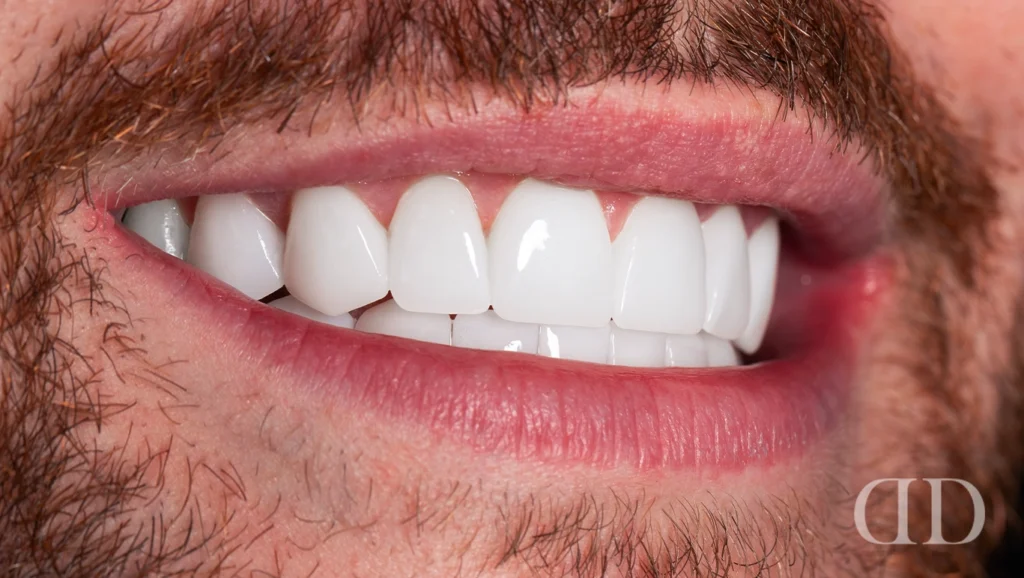
Mouthwash works best as part of a simple routine. Here is what cleans veneers best:
- Toothbrush: soft-bristled manual or electric brush, angled at the gum line.
- Toothpaste: low-abrasion fluoride toothpaste. Avoid whitening, charcoal and gritty formulas.
- Floss: PTFE or waxed floss once a day. Read our guide to the best floss for veneers.
- Interdental brushes or a water flosser: for wider gaps and the gum margin.
- Mouthwash: alcohol-free with fluoride, used at a separate time from brushing.
- Check-ups: a dentist and hygienist visit every six months.
For step-by-step technique, see our guide on how to properly brush and floss your teeth.
Caring for Your Veneers After Treatment in Turkey
Many of our patients have veneers as part of a full smile makeover, then fly home to the UK within days. Your daily routine is what protects that investment. Before you fly, our team shows you how to look after your new veneers, and your English-speaking patient coordinator stays in touch after you return home.
If you notice staining at the edges, sensitivity that lasts more than two weeks or a veneer that feels rough, send a photo to your patient coordinator. Our dentists will review it and advise you on next steps. Your veneers are also covered by our written 5-year guarantee.
Planning your treatment? Compare our smile makeover cost in Istanbul and porcelain veneers cost in Turkey guides for full prices and package details.
About Darya Dental Turkey
Darya Dental Clinic was founded in Istanbul in 2018 by Darya Özcan, who moved from Toronto to build a clinic focused on international patients. Our dental team, led by Dental Director Dt. Sedat, has treated over 8,000 patients from more than 30 countries. We have an in-house dental laboratory, English-speaking coordinators and a written 5-year guarantee on veneers.
Frequently Asked Questions
What mouthwash is safe for veneers?
An alcohol-free mouthwash with fluoride is safe for porcelain, E-max and composite veneers. Good UK options include Corsodyl Daily Alcohol Free, Listerine Total Care Zero Alcohol and Colgate Plax Alcohol Free. Avoid whitening rinses with peroxide and strongly coloured formulas.
What cleans veneers the best?
A soft toothbrush with a low-abrasion fluoride toothpaste, daily flossing with PTFE or waxed floss, and an alcohol-free mouthwash clean veneers best. Add interdental brushes for gaps and see a hygienist every six months for a professional clean.
What is the best toothpaste to use if you have veneers?
Choose a low-abrasion fluoride toothpaste, such as a sensitivity or enamel-care formula. Avoid whitening, charcoal and gritty smokers’ toothpastes, which can dull the polish on composite veneers and scratch the glaze over time.
What can mess up veneers?
Biting hard objects such as ice, pens or nails, grinding your teeth without a night guard, poor gum care and abrasive whitening products can all damage veneers. Heavy coffee, tea, red wine and smoking can also stain the edges, especially on composite veneers.
Is Listerine safe for veneers?
Listerine Total Care Zero Alcohol and other alcohol-free Listerine versions are suitable for veneers. Original Listerine contains alcohol, which can dry the mouth and, over time, soften the surface of composite veneers and bonding resin.
Is Corsodyl safe for veneers?
Corsodyl Daily Alcohol Free is suitable for everyday use with veneers. Corsodyl Original contains chlorhexidine, which can cause brown staining on teeth and veneer edges, so use it only for a short course when a dentist recommends it.
Can mouthwash stain veneers?
Porcelain and E-max veneers resist staining, but chlorhexidine and strongly coloured mouthwashes can leave marks on veneer edges and the natural teeth next to them. Composite veneers stain more easily, so a clear, alcohol-free rinse is the safest choice.
Can I use whitening mouthwash with veneers?
It will not damage porcelain, but it will not whiten veneers either. Whitening rinses only lighten natural teeth, which can create a colour mismatch with your veneers, and their peroxide can affect composite. We recommend avoiding them.
Can I use mouthwash with temporary veneers?
Yes, choose a gentle, alcohol-free mouthwash and rinse lightly. Avoid alcohol and whitening rinses until your permanent veneers are fitted, as temporary veneers are held with weaker cement and stain easily.
Does mouthwash replace brushing and flossing?
No. Mouthwash is an extra step. It cannot remove sticky plaque from the gum line, so keep brushing twice a day and flossing once a day.
Final Thoughts
The best mouthwash for veneers is a clear, alcohol-free rinse with fluoride, used at a different time from brushing. It protects the gums and natural tooth around your veneers, while avoiding the alcohol, peroxide and staining agents that can affect composite and veneer edges. Combine it with gentle brushing, daily flossing and regular check-ups, and your veneers can stay bright for many years.
Comparing options abroad? Our guide to dental tourism costs in Turkey explains what is included.
Planning veneers in Turkey? Book a free online consultation with our team. Send us a photo of your smile and you will receive a personalised treatment plan and quote within 24 hours, with no obligation.
Medically reviewed by Dt. Sedat, Dental Director at Darya Dental Clinic.
