Best Floss for Veneers (and How to Floss Without Damaging Them)
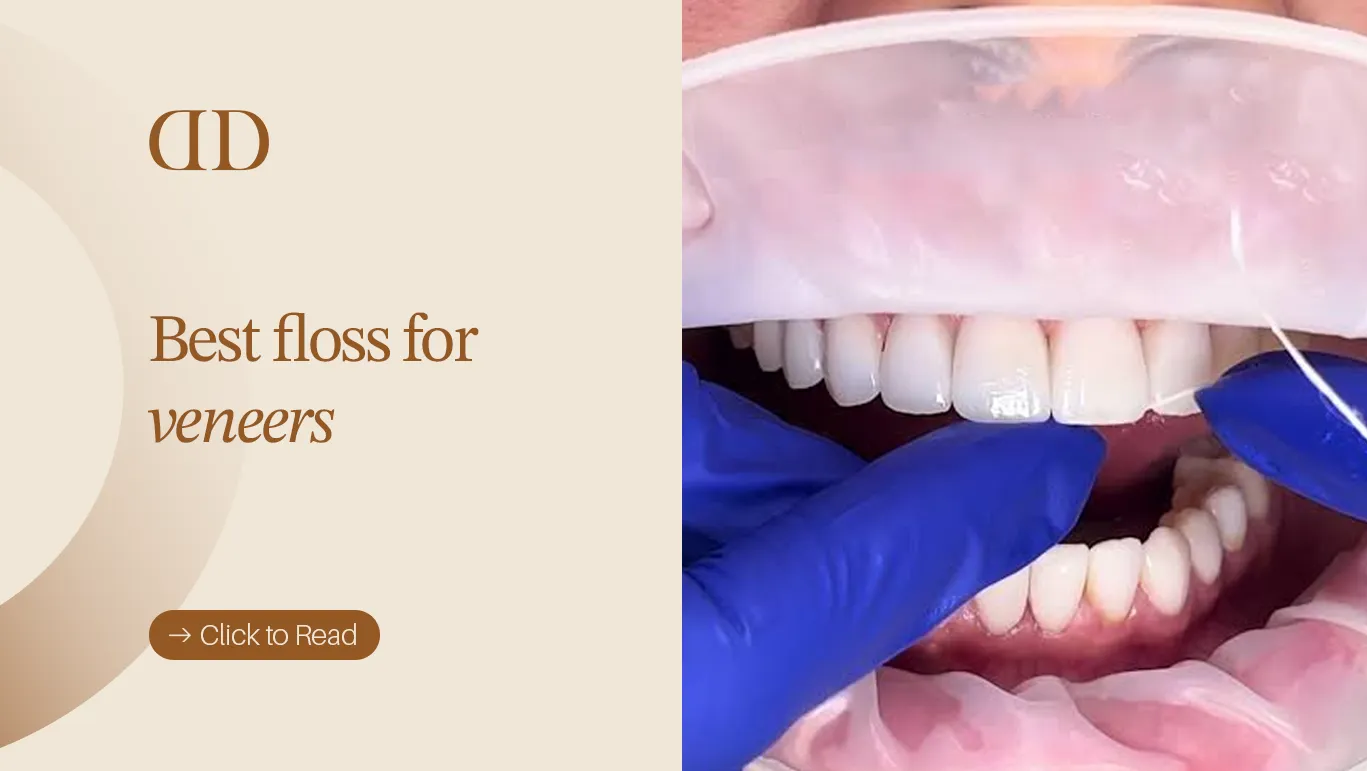

Yes, you can and should floss with veneers. The best floss for veneers is a smooth, shred-resistant type: PTFE (“glide”) floss or waxed floss. Use dental tape if your gaps are wider. A water flosser or soft interdental brushes make good extras. Avoid thick, unwaxed floss and never snap the floss down onto the gum line.
You have invested in a new smile. Now you want it to last. Porcelain and E-max veneers do not decay, but the natural tooth and gum underneath them still can. Most veneer problems we see start at the edge where the veneer meets the gum, and that is exactly where floss works.
In this guide, our dental team explains which floss types suit veneers and which to avoid. We also show how to floss step by step, and what to do if floss catches or shreds between your veneers. It is the same advice we give every patient who has dental veneers in Turkey before they fly home.
Can You Floss With Veneers?
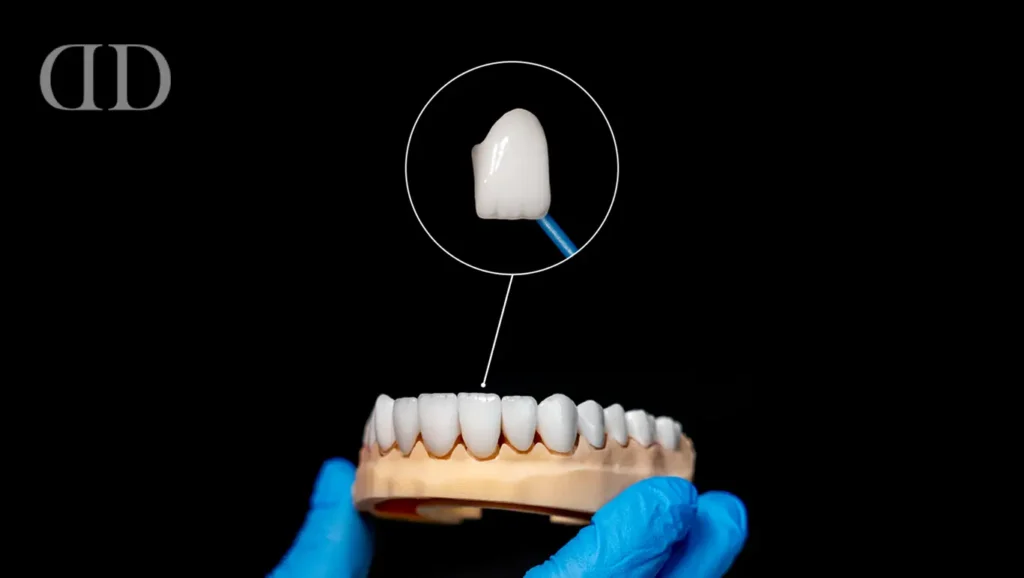
Yes. Flossing is safe for well-bonded veneers and it is one of the most important habits for keeping them. A veneer is bonded to the front of your tooth with a strong dental resin. Normal, gentle flossing will not pull it off.
Flossing matters even more with veneers, for three reasons:
- Gum health: Plaque left along the gum line causes inflammation. Swollen or receding gums can expose the veneer edge and spoil the look of your smile.
- Decay at the margin: The veneer itself cannot decay, but the natural tooth at its edge can. Plaque trapped there is the most common cause.
- Staining at the edges: Plaque and tartar at the margin pick up stains from coffee, tea and red wine, creating a dark line.
The NHS says regular flossing “may also reduce gum disease, tooth decay and bad breath” by removing plaque along the gum line. It also recommends flossing before you brush (NHS).
If floss pulls a veneer loose, the bond was already failing. Flossing found the problem; it did not cause it. Contact your dentist straight away.
The Best Floss for Veneers: Types Compared
The best floss for veneers is smooth and strong. It should slide over polished porcelain and through tight contacts without fraying. Here is how the main options compare.
| Floss type | Why it suits veneers | Best for | UK examples |
|---|---|---|---|
| PTFE (“glide”) floss | Very smooth single-filament tape that resists shredding and slides through tight contacts | Tight veneers, most patients | Oral-B Glide Pro-Health |
| Waxed floss | Wax coating helps it glide and stops it catching on veneer edges | Everyday use, budget option | Most supermarket waxed floss |
| Dental tape | Wider and flatter, so it covers more surface and feels gentler on gums | Wider gaps, sensitive gums | Waxed dental tape |
| Super floss | Stiff threader end plus spongy section cleans under bridges and joined units | Splinted veneers, bridges | Oral-B Super Floss |
| Floss picks | Easy one-handed use | Travel, limited dexterity | Choose picks with PTFE floss |
| Interdental brushes | Clean wider spaces and the gum margin well; the NHS lists them as an alternative to floss | Visible gaps, gum recession | TePe, Curaprox (soft sizes) |
Our pick: For most veneer patients, PTFE floss is the best floss for veneers. Add soft interdental brushes wherever your gaps allow a snug fit.
Brand names are examples to help you find the right type in UK shops, not paid endorsements.
Premium Dental Care in Turkey
Expert treatments with high-end technology. Get your personalized quote today via WhatsApp.
Water Flossers and Interdental Brushes for Veneers
Can you use a water flosser with veneers?
Yes. A water flosser is safe for porcelain, E-max and composite veneers. It flushes food and loose plaque from the gum margin, and many patients find it more comfortable after treatment.
For veneers, follow these settings:

Want trusted dental advice in your Google AI answers?
Add Darya Dental Turkey as a Preferred Source on Google to make our dental guides easier to find in your search results and AI Overviews.
- Start on a low or medium pressure setting and build up.
- Aim the tip at the gum line at roughly 90 degrees, pausing briefly between teeth.
- Use lukewarm water; very cold water can trigger sensitivity in the first weeks.
A water flosser is a useful extra, not a full replacement. It does not scrape sticky plaque off the tooth surface as well as floss or an interdental brush. Use string floss or brushes at least once a day as well.
Interdental brushes
Interdental brushes are small, cone or cylinder-shaped brushes that fit between teeth. The NHS says they can be used instead of floss, especially where there are gaps, and that the brush “should fit snugly between the teeth” (NHS).
- Choose soft or rubber-tipped brushes with a plastic-coated wire, so bare metal never scratches the glaze.
- Ask your dentist to measure your sizes; you may need two or three different sizes.
- Never force a brush into a tight contact. Use PTFE floss there instead.
Floss to Avoid With Veneers
- Thick, unwaxed nylon floss: frays on veneer edges and leaves fibres trapped in the contact.
- Old or cheap floss that shreds: stray threads hold plaque against the margin.
- Wooden toothpicks: the NHS warns they can damage gums and lead to infection.
- Metal picks or bare-wire brushes: can scratch the glaze and the bonding edge.
How to Floss With Veneers: Step by Step
Good technique matters more than the brand. Floss once a day, ideally before brushing at night.
- Take about 45 cm (18 inches) of floss. Wind most of it around one middle finger and a little around the other.
- Hold a 2–3 cm section tight between your thumbs and index fingers.
- Ease it between the teeth with a gentle side-to-side motion. Never snap it down; that can bruise the gum and stress the veneer edge.
- Curve the floss into a C-shape around one tooth and slide it just under the gum line.
- Move it up and down 2–3 times, then repeat on the neighbouring tooth.
- Remove the floss by sliding it out sideways if the contact is tight, instead of pulling it back up through the contact.
- Use a clean section for each gap and work round the whole mouth, including the back teeth.
- Brush for two minutes with a fluoride toothpaste and a soft brush. Spit, but don’t rinse, so the fluoride keeps working (NHS).
Tip: Choose a non-abrasive toothpaste without whitening particles or charcoal. Abrasive pastes can dull the polish on composite veneers over time.
Can’t Floss Between Veneers? Why Floss Catches or Shreds
Flossing often feels different after veneers. The surfaces are smoother and the contacts can be tighter. A little extra resistance in the first weeks is normal. These signs are not:
| What you notice | Likely cause | What to do |
|---|---|---|
| Floss will not pass at all | Veneers joined by excess bonding resin | See your dentist; it is a quick polish |
| Floss shreds in the same spot every time | Rough edge or small ledge at the margin | Switch to PTFE floss and book a check |
| Floss catches and snaps out | Very tight contact point | Use PTFE floss; slide it out sideways |
| Bleeding that lasts more than 1–2 weeks | Gum irritation or plaque at the margin | Keep flossing gently; see your dentist |
| Veneer feels loose or moves | Bond failure | Stop flossing that tooth and call your dentist |
Veneers that were made as a joined (splinted) unit cannot be flossed through. Use super floss or a threader under them instead.
Porcelain vs Composite Veneers: Does Flossing Differ?
The technique is the same. The difference is in how the material reacts over time.
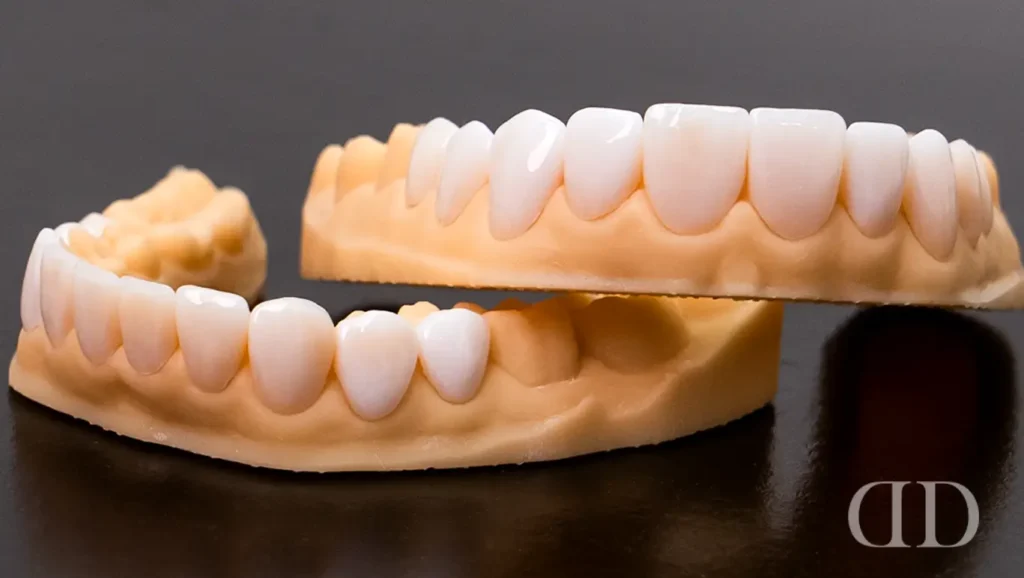
- Porcelain and E-max veneers are glazed and very smooth. Floss glides easily, and the surface resists staining. Their edges are where care matters most.
- Composite veneers (composite bonding) are softer resin. They pick up stains and lose polish faster, so non-abrasive toothpaste and gentle floss are more important. Shredding floss can signal a rough edge that needs re-polishing.
Caring for Your Veneers After Treatment in Turkey
Most of our patients travel home to the UK within days of their final fitting. That means your daily routine, not your next check-up, protects your veneers. Before you fly, our team shows you how to look after your new veneers, and your English-speaking patient coordinator stays in touch after you return home.
Your veneer care routine:
- Day 1–7: Floss gently once a day with PTFE floss. Mild gum tenderness is normal. Avoid very hot or very cold drinks if teeth feel sensitive.
- From week 2: Add interdental brushes in the sizes your dentist recommends, or a water flosser on a low setting.
- Every day: Brush twice for 2 minutes with fluoride toothpaste and a soft brush. Floss before bedtime.
- Every 6 months: See a local dentist or hygienist for a check-up and professional clean. Tell them you have porcelain or E-max veneers so they avoid harsh polishing pastes.
- If you grind your teeth: Wear a night guard while you sleep. Grinding is a bigger risk to veneers than flossing.
If floss starts to catch, a veneer feels rough or your gums bleed for more than two weeks, send a photo to your patient coordinator. Our dentists will review it and advise you on next steps. Your veneers are also covered by our written 5-year guarantee.
About Darya Dental Turkey
Darya Dental Clinic was founded in Istanbul in 2018 by Darya Özcan, who moved from Toronto to build a clinic focused on international patients. Our dental team, led by Dental Director Dt. Sedat, has treated over 8,000 patients from more than 30 countries. We have an in-house dental laboratory, English-speaking coordinators and a written 5-year guarantee on veneers. See our porcelain veneers cost in Turkey guide for prices and package details.
Frequently Asked Questions
What is the best floss for veneers?
PTFE (“glide”) floss is the best floss for veneers for most people. It is smooth, resists shredding and slides through tight contacts. Waxed floss is a good budget option, and dental tape suits wider gaps.
Can flossing loosen veneers?
No. Gentle daily flossing will not loosen a properly bonded veneer. If a veneer comes loose while you floss, the bond was already weak, so contact your dentist promptly.
Do you have to floss with veneers?
Yes. The tooth and gum beneath the veneer can still develop decay and gum disease. Flossing once a day removes plaque from the margin, which helps your veneers last longer.
Can you floss temporary veneers?
Yes, but very gently. Temporary veneers are held with weaker cement. Slide the floss out sideways instead of pulling it up, or use a water flosser on a low setting.
Is a water flosser enough on its own?
No. A water flosser is a helpful addition, but it does not remove sticky plaque as well as floss or interdental brushes. Use both if you can.
How often should I floss with veneers?
Once a day, ideally at night before brushing. Add a quick clean after meals if food tends to catch between your veneers.
Final Thoughts
The best floss for veneers is the one you will use every day, gently and correctly. For most people that means PTFE floss, plus soft interdental brushes or a water flosser where gaps allow. Combined with twice-daily brushing and regular check-ups, it keeps your veneers looking natural for many years.
Planning veneers in Turkey? Book a free online consultation with our team. Send us a photo of your smile and you will receive a personalised treatment plan and quote within 24 hours, with no obligation.
Medically reviewed by Dt. Sedat, Dental Director at Darya Dental Clinic.
