
Is Getting a Dental Crown Painful? What Patients Truly Report
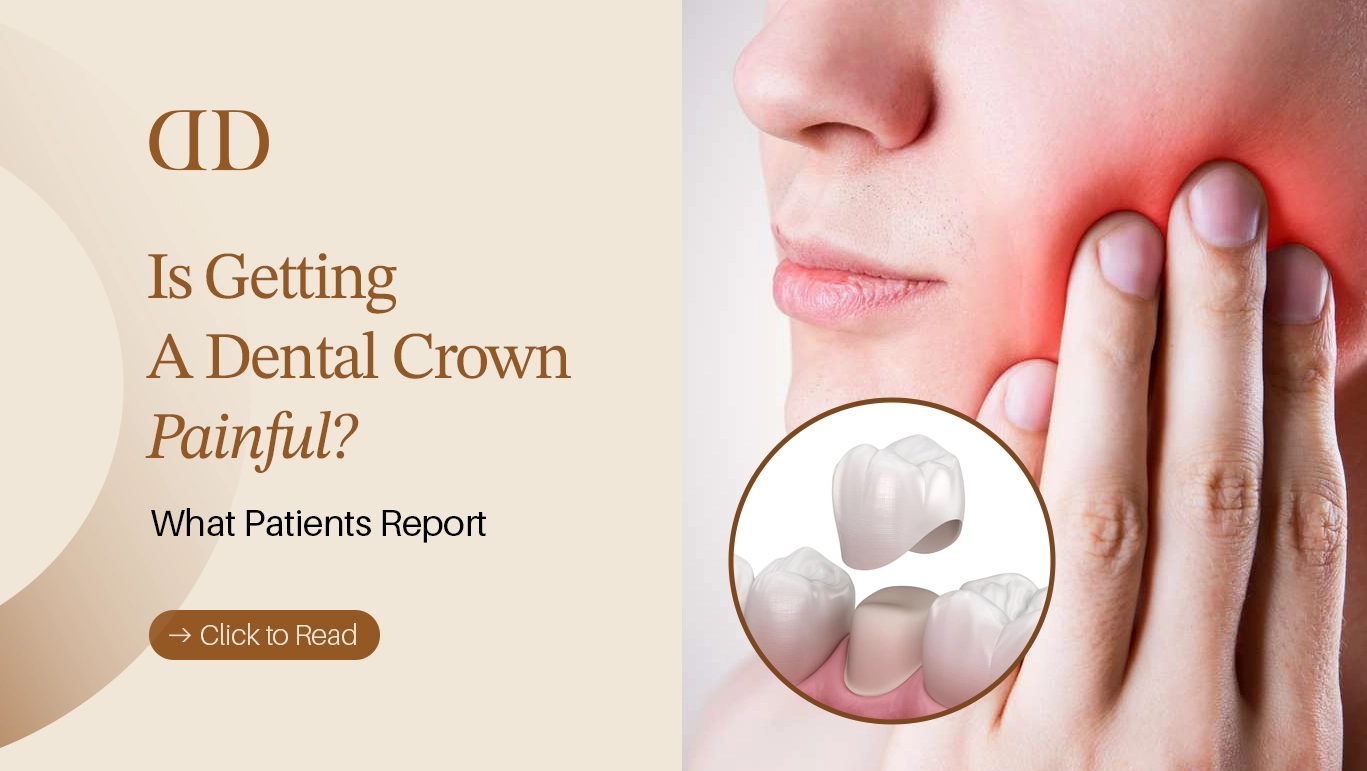

Dental procedures often trigger anxiety, and if your dentist has just recommended a dental crown, your first question is likely: is getting a dental crown painful? It is completely natural to feel nervous about dental treatments, but the short answer is no, the procedure itself is not painful. Modern dentistry prioritizes patient comfort, ensuring that you feel minimal to no discomfort during the process.
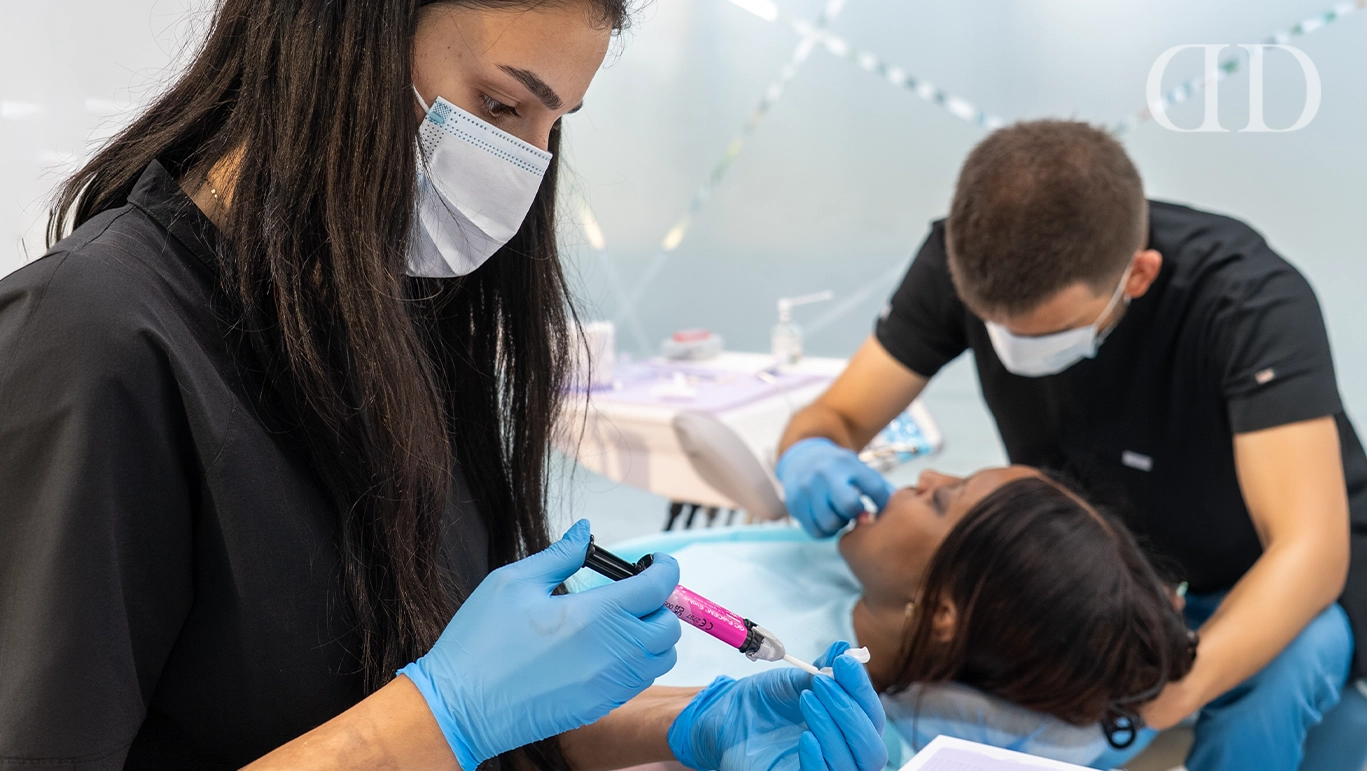
What is a Dental Crown and Why is it Needed?
A dental crown, often referred to as a “cap,” is a custom-made restoration that completely covers a damaged, decayed, or weakened tooth. It restores the tooth’s shape, size, strength, and appearance.
Dentists typically recommend a crown in the following scenarios:
- To protect a weak tooth (usually from decay) from breaking.
- To restore an already broken tooth or a tooth that has been severely worn down.
- To cover and support a tooth with a large filling when there isn’t much tooth left.
- To hold a dental bridge in place or cover a dental implant.
- To protect a tooth after a root canal procedure.
Is Getting a Dental Crown Painful? The Procedure Step-by-Step
To understand why the procedure is generally pain-free, it helps to look at the step-by-step process of getting a dental crown. Patient reports consistently show that the experience is very similar to getting a routine filling.
1. Numbing the Area (The Prep Phase)
Before the dentist does any work on your tooth, they will apply a topical numbing gel to your gums and then administer a local anesthetic. You might feel a slight pinch during the injection, but within minutes, the entire area will be completely numb. During the tooth preparation, you should only feel pressure, not pain.
2. Reshaping the Tooth
Once the anesthetic has taken full effect, the dentist will reshape the tooth along the chewing surface and sides to make room for the crown. If you feel any sharp sensations during this step, you should notify your dentist immediately so they can adjust the anesthesia.
3. Taking Impressions
After the tooth is prepared, impressions of the tooth (either digital or using a paste) are taken to create your custom crown. This step is entirely non-invasive and pain-free.
4. Placement of the Temporary Crown
Because it takes some time for the dental lab to manufacture your permanent crown, a temporary crown is placed using temporary cement. This protects your prepared tooth and prevents sensitivity while you wait.
What Do Patients Report After the Procedure?
While the actual procedure is pain-free thanks to local anesthesia, patients often wonder about the recovery phase. What happens when the numbness wears off?
```html
```
Premium Dental Care in Turkey
Expert treatments with high-end technology. Get your personalized quote today via WhatsApp.
According to patient reports and clinical consensus, it is completely normal to experience mild discomfort, soreness, or tenderness in the treated area for a few days. However, this is typically described as “nagging sensitivity” rather than acute pain.
Common Post-Procedure Symptoms Reported by Patients:
- Mild Gum Soreness: The tissue around the treated tooth may be irritated from the dental work or the retraction cord used during impressions.
- Temperature Sensitivity: The tooth may react to hot or cold food and drinks, especially if it still has a live nerve (i.e., if you didn’t have a root canal).
- Bite Discomfort: Sometimes, the temporary or permanent crown sits a fraction of a millimeter too high, causing pressure discomfort when you bite down.
Managing Sensitivity and Pain After Getting a Crown
Managing post-operative discomfort is straightforward and rarely requires heavy medication. Most patients report that their symptoms resolve completely within 3 to 7 days.
```html  ```
```
Want trusted dental advice in your Google AI answers?
Add Darya Dental Turkey as a Preferred Source on Google to make our dental guides easier to find in your search results and AI Overviews.
Practical Tips for Pain Relief:
- Over-the-Counter Pain Relievers: Medications like ibuprofen or acetaminophen are highly effective at managing both gum soreness and tooth sensitivity.
- Avoid Extreme Temperatures: For the first few days, steer clear of boiling hot soups or ice-cold beverages.
- Use Desensitizing Toothpaste: Brushing with a toothpaste designed for sensitive teeth can help block the pathways to the tooth’s nerve.
- Warm Salt Water Rinses: If your gums feel irritated, rinsing gently with warm salt water can reduce inflammation and speed up healing.
Why a Temporary Crown Might Feel Different
While waiting for your permanent crown from the dental lab, you will wear a temporary crown. Patients often report that temporary crowns feel a bit rougher or more sensitive than their natural teeth.
Important Note: Temporary crowns are attached using temporary cement so they can be easily removed by your dentist later. Because the seal isn’t as airtight as the permanent one, slight sensitivity to sweet, hot, or cold foods is entirely normal.
Caring for Your Temporary Crown:
- Avoid sticky or extremely hard foods (like chewing gum, caramel, or hard nuts) that could dislodge it.
- When flossing, slide the floss out from the side rather than pulling it straight up, which can pop the temporary crown off.
Pain Timeline: What is Normal vs. Abnormal?
To help you monitor your recovery, here is a quick breakdown of what you should expect during the days following your dental crown placement:
| Timeline | What is Normal? | What is Abnormal? (Contact Your Dentist) |
| Day 1 – 3 | Mild throbbing, gum tenderness, and slight sensitivity to hot/cold. | Severe, throbbing pain that keeps you awake or is unresponsive to medication. |
| Day 4 – 7 | Symptoms gradually fading; minor discomfort only when chewing hard foods. | Pain that is worsening over time or visible swelling in the gums. |
| After Week 1 | No pain or sensitivity; the crown feels just like a natural tooth. | Lingering pain, an uneven bite, or sharp pain when biting down. |
Placing the Permanent Crown: Does it Hurt?
Once your permanent crown is ready, you will return to the clinic for its final placement. Patients are often relieved to hear that this second appointment is even simpler than the first.
During this visit, your dentist will remove the temporary crown, clean the prepared tooth, and check the fit, shape, and color of the permanent crown. If everything looks perfect, it is permanently cemented into place.
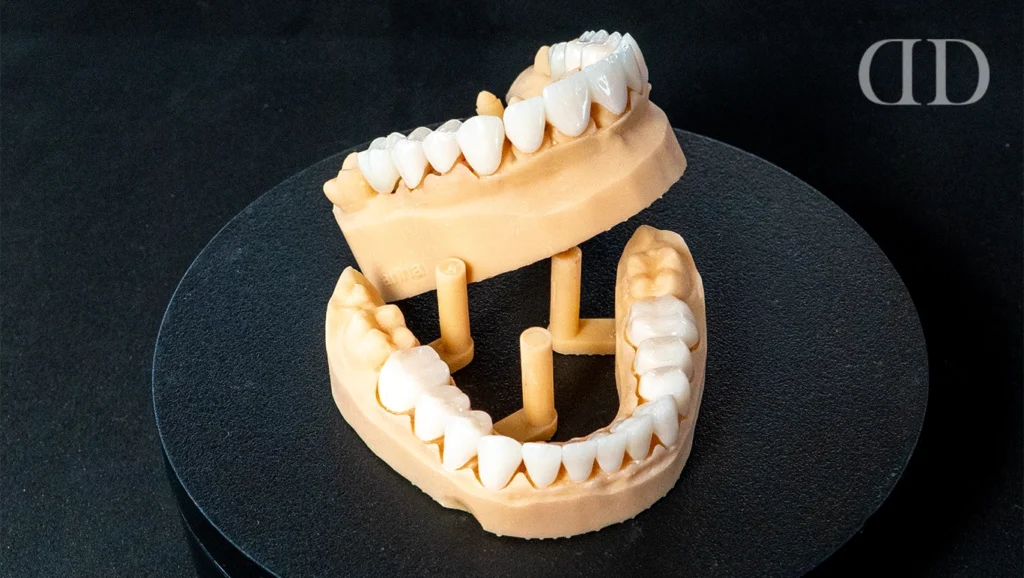
Most patients do not require anesthesia for this step, as it is non-invasive. You might feel a brief moment of pressure or a slight pinch from the dental cement, but it is not painful. However, if your tooth is highly sensitive, your dentist can easily apply a local anesthetic to ensure absolute comfort.
Frequently Asked Questions
1. Does a dental crown hurt after the numbness wears off?
It is common to feel some mild soreness, tenderness in the gums, or slight sensitivity to temperature once the local anesthesia wears off. This is a natural reaction to the tooth preparation and usually subsides within a few days. Over-the-counter pain relievers are usually more than enough to manage this.
2. Why does my dental crown hurt months or years later?
If a dental crown starts hurting long after it was placed, it could indicate an underlying issue such as:
- New decay forming beneath the edge of the crown.
- An infection in the tooth’s nerve (which may require a root canal).
- Bruxism (teeth grinding) causing excessive pressure on the crown.
- A fractured or loose crown.
- If you experience late-stage pain, you should schedule an appointment with your dentist promptly.
3. Does getting a crown hurt more than a filling?
The sensation during the actual procedure is identical to getting a filling because the area is completely numbed with local anesthesia. The only difference is that a crown procedure takes slightly longer since the dentist needs to reshape the entire outer surface of the tooth rather than just cleaning out a localized cavity.
4. Is a root canal always necessary before getting a crown?
No, a root canal is not always required. A crown is placed to protect a tooth’s structure. If the nerve inside the tooth is healthy and infection-free, a crown can be placed on a “live” tooth. However, if the tooth is severely decayed or infected, a root canal will be performed first to remove the damaged nerve before the crown is fitted.
5. What should I do if my crown hurts when I bite down?
If your new crown hurts specifically when you bite or chew, it usually means the crown is a fraction too high. This puts uneven pressure on your jawbone and causes inflammation. Your dentist can easily resolve this by gently filing down the high spot in a quick, painless 5-minute visit.
Your Comfort is Our Priority
Getting a dental crown is a standard, highly predictable procedure designed to save your tooth and eliminate long-term pain not cause it. Thanks to advanced local anesthetics and modern dental techniques, patient reports consistently show that the process is comfortable, manageable, and well worth the lasting protection it provides.
At Darya Dental Clinic, we prioritize patient comfort, using state-of-the-art technology to ensure your crown fits flawlessly and feels entirely natural.
Ready to restore your smile without the fear of pain? Contact Darya Dental Clinic today to schedule your consultation with our expert team and take the first step toward a healthy, pain-free smile!
