A confident smile can significantly impact your social interactions, professional life, and overall self-esteem. In contemporary cosmetic dentistry, achieving that perfect smile no longer requires aggressive tooth reduction or multiple invasive procedures. Composite bonding has emerged as one of the most popular, efficient, and conservative treatments to repair minor imperfections, close gaps, and enhance tooth shape instantly.
At Darya Dental Clinic in Istanbul, Turkey, composite bonding is planned according to each patient’s dental condition, natural tooth shade, and aesthetic goals. The treatment approach is tailored to the individual, with the aim of improving smile appearance while preserving as much healthy natural tooth structure as clinically possible.
What is Composite Bonding?
To put it simply, composite resin bonding teeth is a minimally invasive cosmetic procedure where a tooth-colored composite resin material is applied directly to your natural teeth to repair chips, fractures, gaps, or discoloration. The material is carefully sculpted, hardened with a specialized curing light, and polished to mimic the natural translucency and texture of your real enamel.
When patients ask “bonding what is it?” or look up what is composite bonding teeth, they are searching for a solution that preserves their natural tooth structure. Unlike traditional porcelain crowns or certain veneers, dental bonding typically requires zero enamel removal, making it a reversible and highly conservative aesthetic choice.
Teeth bonding is a modern cosmetic treatment that uses a high-density composite resin to correct minor dental imperfections. It is an ideal, pain-free choice for patients looking for an immediate smile enhancement without permanent changes to their natural tooth enamel.
Composite bonding is not suitable for every dental concern. Significant tooth damage, untreated decay, active gum disease, severe misalignment, or certain bite problems may require other treatments or preliminary dental care. Your dentist can assess your oral health and discuss the most appropriate options before treatment.
What Problems Can Dental Bonding Fix?
- Chipped and Broken Edges: Smooths out jagged lines caused by minor trauma or wear.
- Diastemas (Gaps between teeth): Visibly closes spaces between front teeth without orthodontics.
- Minor Crowding or Misalignment: Creates a visually uniform and straight appearance.
- Stubborn Discoloration: Masks severe intrinsic stains that do not respond to traditional teeth whitening.
Elongating Short Teeth: Adds length to worn-down or naturally small teeth for a balanced smile line.
Composite bonding changes the appearance of teeth but does not correct every underlying dental or orthodontic problem. Where tooth alignment, bite function, or significant structural damage is involved, your dentist may recommend an alternative or combined treatment plan.
Simulate Composite Bonding
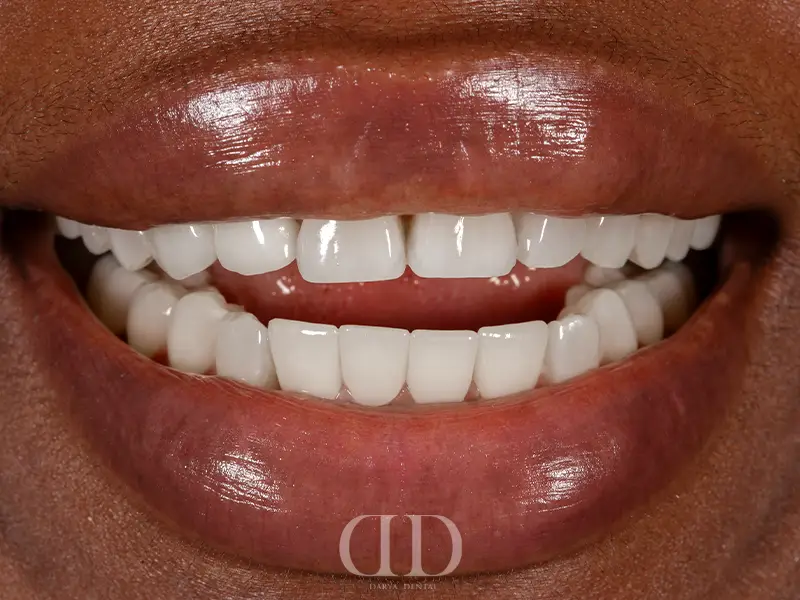
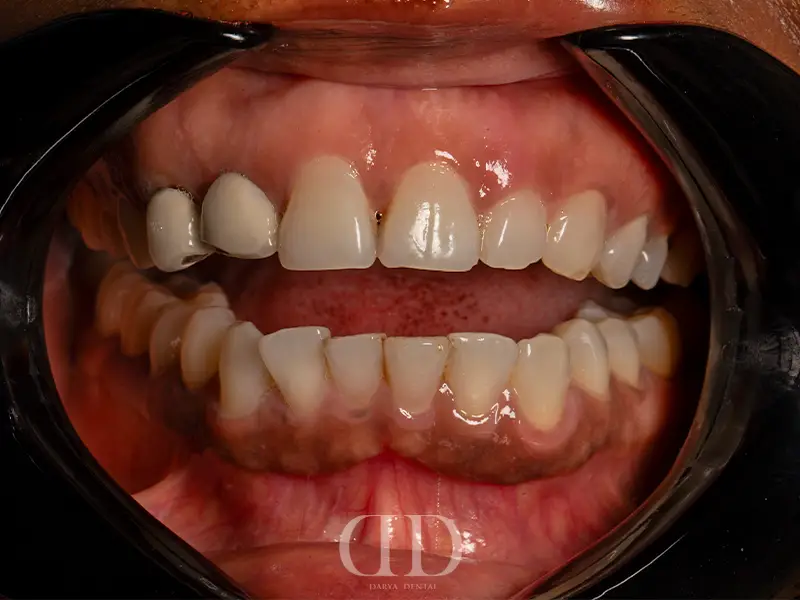
Slide to view how chipped teeth and gaps are restored instantly.
Do you have gaps or spaces between your front teeth?
Even small gaps (diastema) can disturb the overall aesthetic symmetry of your smile.
Are any of your front teeth chipped, uneven, or worn down?
Chips usually happen on the edges and can get worse over time if left unprotected.
Do you want to avoid shaving or drilling your natural enamel?
Veneers require tooth preparation, whereas bonding is completely non-invasive.
Perfect Candidate for Composite Bonding
Your results indicate that a non-invasive composite bonding treatment is highly suitable. Without any needle, anesthesia, or drilling, we can build up chipped edges and close gaps beautifully in just a single 45-minute visit.
Zero Enamel Shaving
Unlike veneers, composite bonding is added directly over your tooth, requiring absolutely zero drilling or drilling-induced sensitivity.
Hand-Crafted Artistry
Our aesthetic dentists layer matching shades of high-grade resin, custom shaping and polishing it to mimic natural enamel texture.
Instant Single-Visit Glow
Walk out with a completely transformed, symmetrical smile in a painless procedure taking less than 45 to 60 minutes.
Composite Bonding vs. Composite Veneers: Understanding the Difference
Many patients searching for a smile makeover confuse composite bonding with composite veneers. While they utilize the exact same medical-grade resin material, the clinical scope and execution strategy differ.
- Composite Bonding (Edge Bonding): This technique focuses primarily on localized areas of the tooth. The dentist applies the resin to specific sections such as the edges, a corner chip, or between two teeth to close a gap blending the material seamlessly into your natural enamel.
Composite Veneers: This involves covering the entire front surface of the tooth with composite resin to fully alter its shape, size, and color. It functions similarly to a porcelain veneer but is sculpted directly by the dentist in a single session rather than being manufactured in a laboratory.
The terms can sometimes overlap in dental practice, and treatment names may vary between clinics. Rather than relying on the label alone, ask your dentist which surfaces will be treated, whether any enamel preparation is required, and what the proposed result is expected to achieve.
How Does Composite Bonding Work? The Treatment Journey
One of the greatest benefits of getting a new bonding smile at Darya Dental Clinic is the streamlined, single-visit workflow. Understanding how long does composite bonding take helps you plan your travel to Istanbul efficiently. For most patients, a standard treatment session takes between 1 to 3 hours, depending on how many teeth are being bonded.
The Step-by-Step Procedure at Darya Dental Clinic
- Shade Matching & Consultation: Your dentist uses a precise physical and digital shade guide to select a resin color that perfectly matches your surrounding natural teeth, ensuring an undetectable result.
- Tooth Preparation: The surface of the tooth is thoroughly cleaned. A mild, safe conditioning liquid is applied to create microscopic textures on the enamel, which allows the bonding agent to adhere securely. No drilling or shaving of healthy enamel is necessary.
- Resin Application & Sculpting: The dentist skillfully applies the composite resin bonding material in layers. Like a sculptor, they shape the soft resin to achieve ideal symmetry, length, and alignment.
- Curing (Hardening): A specialized high-intensity ultraviolet (UV) light is focused on the tooth for a few seconds to instantly harden the composite layers.
- Polishing and Bite Check: Once the bond on tooth is solid, the dentist meticulously polishes the surface to give it a natural, light-reflecting gloss. Finally, your bite is checked to ensure complete comfort when chewing and speaking.
The exact steps may vary depending on the number of teeth, the condition of your enamel, existing restorations, and your treatment goals. Your dentist should explain any preparation required before proceeding.
Composite Bonding Cost & Turkey Treatment Packages
When considering cosmetic dental work, understanding the financial investment is just as vital as understanding the clinical process. The question of how much does composite bonding cost varies significantly depending on your geographic location, the complexity of your case, and the number of teeth requiring treatment.
In many Western nations, patients find themselves asking how much is composite bonding per tooth only to discover that transforming a full smile line can be financially prohibitive. This economic barrier has driven a massive increase in international dental tourism, with Istanbul becoming the premier global destination for high-quality, accessible smile makeovers.
Cost Comparison: How Much is Composite Bonding Globally?
To give you a clear perspective on market dynamics, the table below compares the estimated average fees for composite bonding cost and related treatments across major regions.
Why Can Composite Bonding Cost Less in Turkey?
Composite bonding prices may differ between Turkey and other countries because of differences in operating expenses, clinic location, staffing costs, and the way treatment plans are structured. However, price alone does not establish the quality of care. Patients should compare the proposed treatment, materials, dentist’s experience, follow-up arrangements, and the services included in the quotation.
What Is Included in a Composite Bonding Package in Turkey?
Patients searching for composite bonding in Turkey may also want to understand how appointments and travel arrangements are organised. The services included in a package can differ between clinics, so each item should be confirmed before booking.
The supplied Darya Dental page currently lists the following potential package components:
- Comprehensive dental assessment and diagnostic imaging where clinically indicated.
- Composite resin materials selected according to the treatment plan.
- Local transfers between the airport, hotel, and clinic, if included in the agreed package.
- Multilingual patient coordination, subject to availability.
Before travelling, request a written treatment plan and itemised quotation. Confirm whether diagnostic imaging, temporary or additional treatments, accommodation, airport transfers, follow-up appointments, and any adjustments are included or charged separately.
Composite Bonding Journey in Turkey - Step by Step
Submit clear photos of your smile. Our cosmetic dental experts will carefully assess minor gaps, chips, or shape irregularities, and provide a personalized composite bonding plan with transparent, all-inclusive pricing within 24 hours.
Meet your specialist to select the perfect composite resin shade. Using a customized shade guide, we ensure the material perfectly matches the natural color and translucency of your teeth for a completely seamless result.
Relax while your smile is transformed. Your dentist meticulously sculpts the premium composite resin directly onto your teeth, layer by layer. This pain-free, non-invasive process requires no drilling or enamel removal, protecting your natural teeth.
Leave our clinic with an instantly transformed, brilliant smile. We complete the treatment with a high-shine polish that mimics natural enamel luster. You will receive dedicated aftercare advice and direct access to our team for lifetime peace of mind.
What to Expect: Composite Bonding Before and After
Looking at composite bonding before and after examples can help patients understand the kinds of cosmetic changes that may be possible. Results vary according to tooth shape, the original shade, the amount of resin used, the dentist’s technique, and the patient’s oral health.
Managing Expectations: Colour and Material Considerations
- Whitening Before Bonding: Composite resin does not lighten in the same way as natural enamel during tooth whitening. If you are considering whitening and bonding together, ask your dentist about the appropriate order of treatment so the resin shade can be selected accordingly.
- Texture and Polish: Composite resin can be polished to create a natural-looking surface, but it may lose some of its shine over time. Professional maintenance may help improve its appearance.
- Individual Results: Before-and-after photographs show individual cases and should not be interpreted as a guarantee of the same outcome for every patient.
Long-Term Outlook: Composite Bonding After 5 Years & Longevity
When investing in cosmetic dentistry, patients naturally prioritize durability. Questions like how long does composite bonding last or what to expect from composite bonding after 5 years are among the most critical clinical considerations for international patients planning a long-distance dental journey.
On average, a professionally applied bond on tooth lasts between 5 to 7 years. However, its exact lifespan is determined by several interlocking clinical and behavioral variables, rather than a fixed expiration date.
What Happens to the Resin Over Time?
Composite resin is a high-density, bio-compatible polymer matrix. While it mimics the visual appearance of natural enamel exceptionally well, it is structurally more porous than natural teeth or laboratory-fabricated porcelain veneers.
- Micro-Wear and Texture: Over half a decade of functional use, the microscopic surface of the resin undergoes gradual abrasion from chewing and continuous contact with acidic foods. This can slowly reduce the initial light-reflecting glass finish.
- Marginal Staining: The interface where the composite resin transitions into your natural enamel can accumulate microscopic pigments over time, potentially appearing as a thin, darkened line if oral hygiene is neglected.
- The 5-Year Maintenance Protocol: At Darya Dental Clinic, we advise patients that reaching the 5-year mark successfully typically requires a brief, routine structural check-up. During this visit, your local dentist can lightly buff away surface micro-stains and polish the margins to restore the resin’s original luster.
Patients considering composite bonding can also explore all dental treatments to compare other restorative and cosmetic options that may be suitable for their needs.
Is Composite Bonding Right for You?
Composite bonding may be an option for patients who want to improve minor chips, small gaps, uneven edges, or selected cosmetic imperfections. It may not be the most suitable choice for teeth with extensive damage, significant decay, active gum disease, or complex bite problems.
During a consultation, your dentist can assess your teeth, discuss your expectations, explain the benefits and limitations of composite resin, and compare bonding with alternatives such as porcelain veneers or other restorative treatments where appropriate.
Transform Your Smile Responsibly with Darya Dental Clinic
Achieving a healthy, natural-looking smile requires an approach that considers long-term oral health as well as appearance. At Darya Dental Clinic in Istanbul, Turkey, the proposed treatment should be tailored to each patient’s dental condition, aesthetic goals, and clinical needs.
Whether you want to improve a single chipped edge or are considering bonding for several teeth, a consultation can help establish which treatment options are appropriate for your smile.
Before proceeding, ask your dentist to explain the expected result, the limitations of composite bonding, any preparation required, the maintenance involved, and the available alternatives. A clear treatment plan helps you make an informed decision about your dental care.
How Long Does Composite Bonding Last?
Composite bonding can last for several years, but its lifespan varies according to the tooth’s position, bite forces, oral hygiene, eating habits, and maintenance. Your dentist can advise you on how to care for the restoration and when it may need polishing, repair, or replacement.
Can You Whiten Composite Bonding?
No. Tooth-whitening treatments lighten natural tooth enamel but do not whiten composite resin in the same way. If you are considering both treatments, discuss the order with your dentist so the composite shade can be selected appropriately.
How Can You Whiten Composite Bonding if It Stains?
Whitening products generally do not change the underlying shade of composite resin. Depending on the condition of the material, a dentist may recommend professional polishing, repair, or replacement.
Does Composite Bonding Damage Teeth?
Composite bonding is generally considered a conservative treatment, and many cases require little or no removal of healthy enamel. However, the preparation depends on the tooth and the intended result. Your dentist should explain the proposed procedure and any potential risks before treatment.
How Much Does Composite Bonding Cost in Turkey?
The cost depends on the number of teeth being treated, the complexity of the case, the materials used, and any additional treatment required. Refer to the price table on this page as an initial guide and request an individualised quotation from the clinic before making a decision.
How Much Is Composite Bonding Per Tooth in Turkey?
The price per tooth varies by clinic and treatment plan. The reference prices listed on this page should be confirmed with Darya Dental Clinic before booking, as the final quotation depends on your individual dental assessment.
How Much Does Composite Bonding for 20 Teeth Cost in Turkey?
The total cost of bonding 20 teeth depends on the number of teeth that actually require treatment, the amount of composite resin needed, and the complexity of the procedure. A full-mouth treatment plan may differ from a simple per-tooth calculation, so request an itemised quotation before travelling.
Is Composite Bonding Cheaper in Turkey Than in the UK?
Composite bonding may cost less in Turkey than in the UK, but prices vary between clinics and cases. Compare the treatment plan, materials, dentist’s experience, services included in the quotation, and follow-up arrangements rather than choosing on price alone.
What Is the Difference Between Composite Bonding and Composite Veneers?
Composite bonding usually focuses on selected areas of a tooth, such as a chip or a small gap. Composite veneers generally cover more of the visible front surface to change a tooth’s shape or colour. The exact approach depends on the clinical plan, so ask your dentist which areas will be treated.
Is Composite Bonding Suitable for Closing Gaps Between Teeth?
Composite bonding can improve the appearance of certain small gaps between teeth. Larger gaps or gaps caused by alignment or bite problems may require orthodontic treatment or another approach. A dental examination can help determine the most suitable option.
How Long Does Composite Bonding Take?
Suitable cases can often be completed in a single appointment. The session may take around 1 to 3 hours, depending on the number of teeth and the complexity of the treatment. Your dentist can provide a more accurate estimate after assessing your smile.
Can Composite Bonding Chip or Break?
Yes. Composite resin can chip or break, particularly when exposed to excessive biting forces, trauma, or habits such as biting hard objects. Depending on the damage, a dentist may be able to repair the affected area or recommend another treatment.
Is Composite Bonding Reversible?
Composite bonding is often more conservative than treatments that require substantial enamel removal. However, it should not automatically be considered completely reversible in every case. The degree of tooth preparation and the condition of the tooth influence what can be done if the bonding is later removed or replaced.
Can I Get Composite Bonding in Turkey as an International Patient?
International patients can arrange a consultation with a dental clinic in Turkey, but the suitability of treatment must be assessed individually. Before travelling, confirm your appointment schedule, written treatment plan, total costs, package inclusions, and arrangements for follow-up care.
What Should I Ask Before Booking Composite Bonding in Turkey?
Ask for a written treatment plan, an itemised quotation, information about the proposed materials, the dentist’s assessment of your suitability, possible risks, expected maintenance, and what happens if a restoration needs repair after you return home. Confirm which services are included in the package and which may cost extra.
Is It Worth Going to Turkey for Composite Bonding?
Going to Turkey for composite bonding may be worthwhile if the overall treatment cost, including flights, accommodation, and follow-up care, offers value for your individual needs. Before travelling, compare written treatment plans, check the dentist’s experience, and confirm what is included in the price.
How Much Does 1 Tooth Composite Bonding Cost?
The cost of composite bonding for one tooth in Turkey depends on the clinic, the amount of treatment required, and the materials used. Darya Dental’s reference prices on this page should be confirmed with the clinic before booking, as the final cost depends on your individual assessment.
What Country Is the Cheapest for Composite Bonding?
There is no single country that is always the cheapest for composite bonding, as prices vary between clinics, locations, and treatment plans. Compare the total cost, including travel, accommodation, maintenance, and potential repairs, rather than choosing a destination based on the advertised price alone.
Who Is the Best Dentist in Turkey for Composite Bonding?
The best dentist for composite bonding is one who has relevant cosmetic dentistry experience, provides a thorough examination, explains the treatment options clearly, and presents a personalised written plan. Before choosing a dentist in Turkey, review documented clinical cases, confirm their qualifications, and ask about aftercare and repair arrangements.
