
How to Prepare for Dental Implant Surgery

Missing teeth can significantly impact your chewing ability, speech, and self-confidence. Fortunately, modern dentistry offers a permanent and highly aesthetic solution: dental implants. However, the success of this life-changing procedure doesn’t just depend on the skill of your oral surgeon; it also heavily relies on how well you prepare before stepping into the clinic.
If you are planning to get your treatment done at a premier center like Darya Dental Clinic, understanding how to prepare for dental implant surgery will ensure a smooth procedure, minimize anxiety, and set the stage for a rapid, complication-free recovery.
What is Dental Implant Surgery?
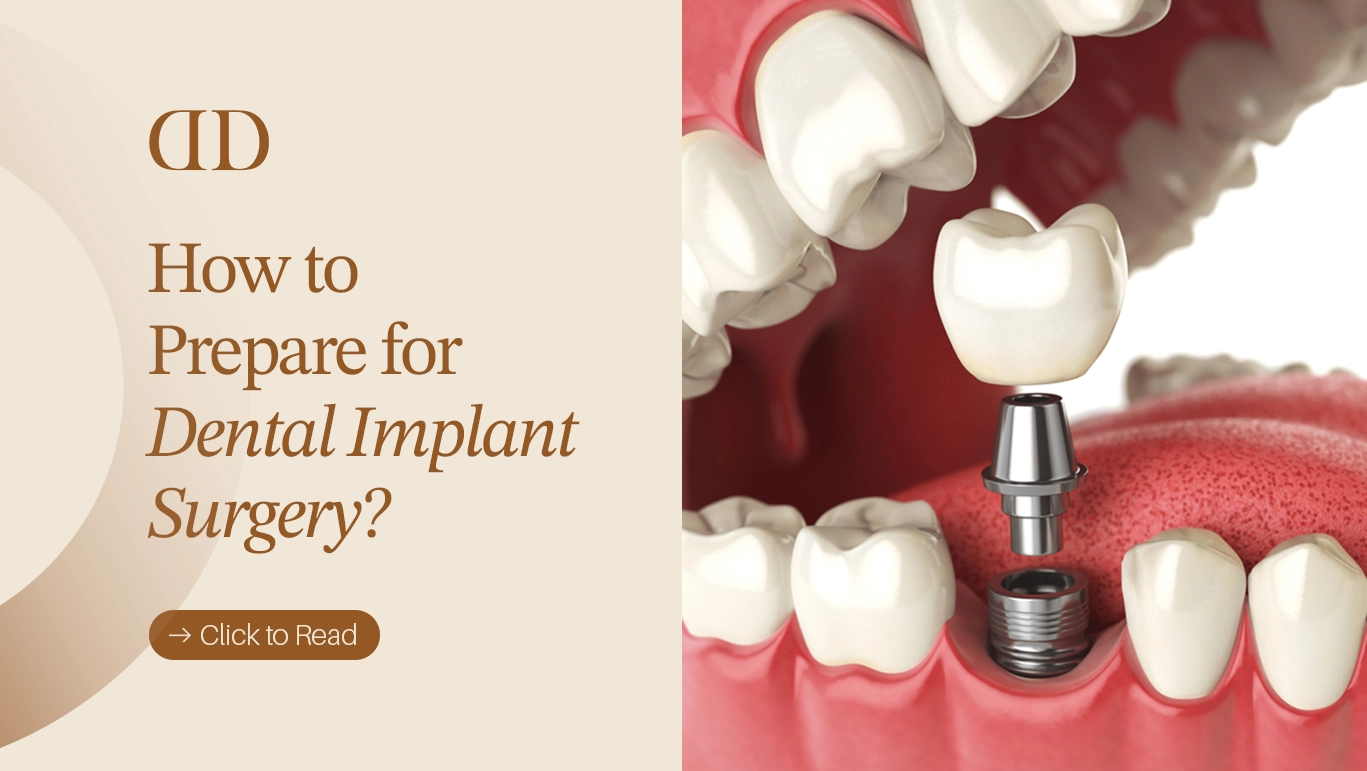
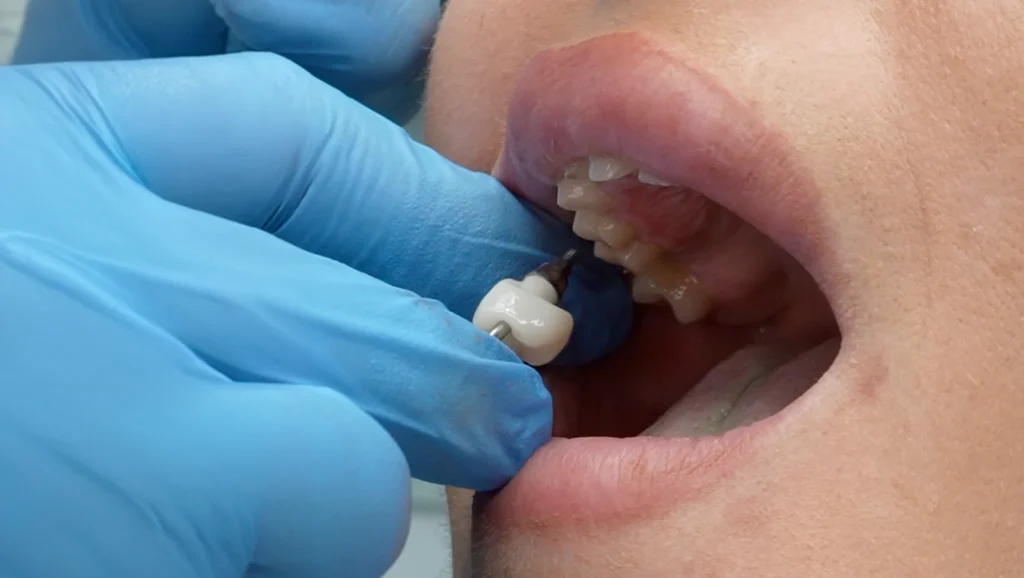
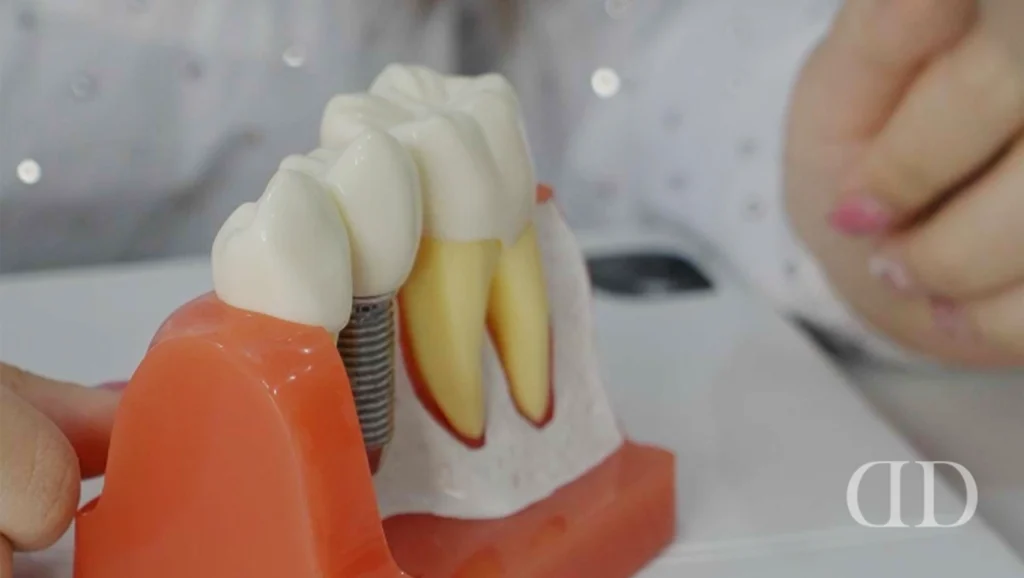
A dental implant is a small, biocompatible titanium post that acts as an artificial tooth root. During the surgery, this post is surgically inserted into the jawbone beneath your gums. Over a period of a few months, a natural process called osseointegration occurs, where the bone grows around and bonds with the titanium post, creating a rock-solid foundation for a custom-made crown.
Because it involves a minor surgical entry into the jawbone, proper preparation is vital to prevent infections, manage pain effectively, and ensure the implant integrates perfectly with your body.
Step 1: The Initial Consultation and Medical Evaluation
The journey to a renewed smile begins long before the surgery date. A successful implant procedure is built on a thorough, expert-led evaluation.
Comprehensive Dental Examination
Your dental team at Darya Dental Clinic will first perform a visual exam and utilize advanced imaging technology. This typically includes 3D cone-beam computed tomography (CBCT) scans. These high-resolution images allow the surgeon to evaluate your bone density, locate nerve pathways, and map out the exact angle and depth for the implant placement.
Reviewing Your Medical History
You must provide your dentist with a complete picture of your health. Dental implant surgery has a success rate of over 95%, but certain underlying conditions can affect healing. Make sure to discuss:
- Chronic Illnesses: Diabetes (especially if uncontrolled), cardiovascular diseases, and autoimmune disorders can slow down bone healing.
- Medications and Supplements: Blood thinners (like aspirin or warfarin), immunosuppressants, and osteoporosis medications (bisphosphonates) must be carefully managed before surgery.
- Previous Surgeries: Especially any recent orthopedic or cardiac procedures that might require prophylactic (preventative) antibiotics.
Tailored Treatment Planning
Based on your examination, your dentist will determine if you need preparatory treatments. For instance, if you have suffered from long-term tooth loss, you might have experienced bone resorption (bone loss). In such cases, a bone graft or a sinus lift might be required a few months prior to the implant surgery to build up a stable foundation.
Harika bir temelle başladık. Şimdi arama motorlarının yapay zeka algoritmalarının en çok sevdiği, doğrudan listeler halinde öne çıkarılan snippet’lere (özetlere) aday olan ve hastanın klinik öncesi kaygısını en çok azaltan bölüme geçiyoruz.
Premium Dental Care in Turkey
Expert treatments with high-end technology. Get your personalized quote today via WhatsApp.
Step 2: Practical Steps to Take Before the Surgery Day
Once your tailored treatment plan is locked in, the weeks and days leading up to your appointment are crucial. Proper physical preparation significantly lowers the risk of post-operative swelling, bleeding, and discomfort.
Medication Management: What to Take and What to Avoid
Medication management is perhaps the most critical safety step in learning how to prepare for dental implant surgery. Your clinical team will give you precise instructions, but the general medical guidelines include:

Want trusted dental advice in your Google AI answers?
Add Darya Dental Turkey as a Preferred Source on Google to make our dental guides easier to find in your search results and AI Overviews.
- Antibiotics: If you have a pre-existing heart condition, artificial joints, or a compromised immune system, your surgeon may prescribe prophylactic antibiotics. Take them exactly as directed—usually starting the night before or the morning of the surgery.
- Pain Management Prep: Having over-the-counter pain relievers like Ibuprofen or Acetaminophen ready at home ensures you can manage any minor discomfort the moment the local anesthesia wears off.
- The “Avoid” List: Stop taking aspirin, ibuprofen, or any anti-inflammatory supplements (such as high-dose Vitamin E, fish oil, or ginkgo biloba) 3 to 7 days before surgery, as these can thin your blood and increase bleeding during the procedure.
The Role of Smoking and Alcohol in Implant Success
If you smoke or use tobacco products, the single best thing you can do for your new smile is to pause.
Clinical Insight: Nicotine constricts blood vessels, drastically reducing the oxygen and nutrient delivery to your gums and jawbone. This severely impairs the early stages of osseointegration and significantly increases the risk of early implant failure.
Surgeons strongly recommend quitting or completely stopping smoking at least two weeks before surgery and maintaining it for at least two months afterward. Similarly, avoid alcohol for 48 to 72 hours prior to the procedure, as it can interfere with anesthesia and dehydrate your tissues.
Step 3: Dietary Rules and Nutritional Preparation
What you put into your body before surgery dictates how well your body heals after it.
Dietary Rules Based on Your Anesthesia Type
Your eating schedule on the day of the procedure depends entirely on the type of sedation you choose:
| Anesthesia Type | Pre-Surgery Dietary Rule |
| Local Anesthesia | Eat a light, healthy meal 1 to 2 hours before your appointment. Do not fast, as low blood sugar can make you feel lightheaded during the procedure. |
| IV Sedation / General Anesthesia | Strict Fasting Required. Do not eat or drink anything (including water, coffee, or gum) for at least 6 to 8 hours before the surgery to prevent respiratory complications. |
Stocking Your Kitchen for Post-Op Recovery
You will not want to go grocery shopping immediately after your procedure. Stock your fridge ahead of time with soft, nutrient-dense foods that require zero chewing.
- Protein Sources: Greek yogurt, cottage cheese, protein shakes (smooth, without seeds), scrambled eggs, and bone broths.
- Vitamins & Minerals: Mashed avocados, sweet potatoes, pureed vegetable soups, and applesauce.
- What to Avoid Post-Op: Avoid buying crunchy, spicy, or piping-hot foods. Most importantly, do not use straws for the first week, as the suction can dislodge the blood clot forming over the surgical site, leading to a painful condition known as a dry socket.
Before implant surgery, your clinical assessment and treatment planning will help determine the most suitable dental implant treatment options for your individual needs.
Step 4: Arranging Transportation and Aftercare
Even though modern dental implant surgery is a routine outpatient procedure, you shouldn’t navigate the immediate recovery period alone. Following proper Dental Implant Aftercare guidelines is also essential for managing discomfort, supporting the healing process, and protecting the implant site after surgery.
Secure a Designated Driver: If you are undergoing IV sedation or oral conscious sedation, you legally and safely cannot drive yourself home. Arrange for a family member, friend, or a trusted transport service to pick you up from the clinic.
Clear Your Schedule: Plan to take at least 24 to 48 hours off from work or school. Rest is an active component of healing. Elevating your head with extra pillows during the first couple of nights can also help reduce facial swelling and support a more comfortable recovery.
Step 5: What to Do on the Morning of Your Surgery
When the day finally arrives, keeping things simple and following a strict checklist will keep your anxiety low and your safety high.
- Dress comfortably: Wear loose-fitting, comfortable clothing. A button-down or loose t-shirt is ideal so you don’t have to pull anything tight over your face or mouth after the procedure.
- Keep your face clean: Do not apply makeup, face creams, or lip balm. Men should ideally be clean-shaven or have their beard neatly trimmed to allow the surgical team clean access and a sterile environment around the mouth.
- Oral hygiene preparation: Brush your teeth thoroughly and rinse with an alcohol-free antibacterial mouthwash right before leaving for the clinic. However, do not swallow any water if you are scheduled for IV sedation.
- Arrive early: Aim to get to Darya Dental Clinic at least 15 to 20 minutes before your scheduled appointment. This gives you plenty of time to fill out any final paperwork, settle in, and let your body relax before stepping into the surgical suite.
Pre-Surgery Preparation Timeline
To make your preparation seamless, here is a quick-reference checklist summarizing your countdown to a successful dental implant surgery:
| Timeline | Key Preparation Action | Purpose |
| 2 Weeks Before | Stop smoking and using all nicotine products. | Enhances blood flow and ensures successful osseointegration. |
| 1 Week Before | Stop taking aspirin, ibuprofen, fish oils, and Vitamin E. | Minimizes the risk of excessive bleeding during surgery. |
| 3 Days Before | Stock your kitchen with soft foods (yogurt, broths, eggs). | Ensures you don’t have to chew or shop post-surgery. |
| 24 Hours Before | Confirm your designated driver and pick up prescribed medications. | Guarantees a safe trip home and immediate pain management. |
| Surgery Night / Morning | Fast for 6 to 8 hours (if getting IV sedation) OR eat a light meal (if local anesthesia). | Prevents anesthesia complications or stabilizes blood sugar. |
Frequently Asked Questions
Is dental implant surgery painful?
The procedure itself is entirely painless because the dental team uses advanced local anesthesia or conscious sedation. You will feel some pressure, but no pain. Post-operative discomfort is typically mild to moderate and can be easily managed with prescribed or over-the-counter pain relievers like ibuprofen for the first few days.
How long does the actual surgery take?
For a single dental implant, the surgical placement usually takes between 30 to 60 minutes. If you require multiple implants, bone grafting, or a sinus lift at the same time, the procedure can take up to two to three hours.
Can I go back to work the day after dental implant surgery?
While some patients return to light office work the next day, it is highly recommended to take at least 24 to 48 hours off to rest completely. Physical exertion, lifting, or jobs that require intense talking should be avoided for the first few days to allow the blood clot to stabilize and reduce swelling.
What happens if I don’t have enough bone for an implant?
This is a very common scenario, especially if you have been missing teeth for a long time. During your initial consultation at Darya Dental Clinic, if a CBCT scan shows insufficient bone density, your surgeon will recommend a bone graft or a sinus lift. This procedure builds up the bone quality, ensuring the implant has a solid foundation to anchor into.
Your Journey to a Flawless Smile Starts Here
Preparing for dental implant surgery doesn’t have to be overwhelming. By understanding the process, adjusting your habits, and setting up a comfortable recovery environment at home, you take active control of your healing process.
At Darya Dental Clinic, our world-class oral surgeons and dental specialists utilize cutting-edge diagnostics and meticulous planning to ensure your implant procedure is safe, predictable, and highly comfortable. Don’t let missing teeth hold you back from living your life to the fullest.
