
How Long Do Veneers Last?
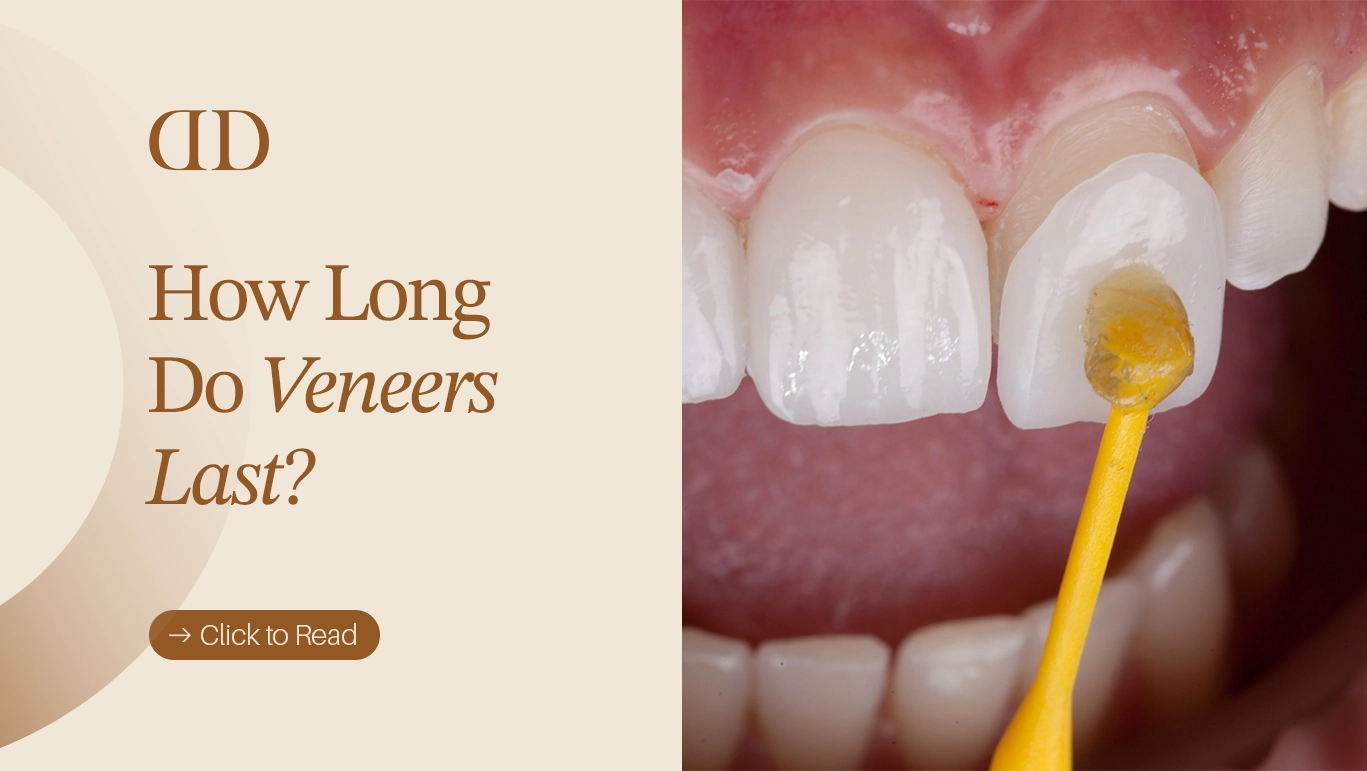

Are you considering a smile transformation but feeling hesitant about the long-term commitment? It’s a completely natural concern. Choosing porcelain or composite veneers is an investment in your self-confidence, and you want to ensure that your new, radiant smile will stand the test of time. A common question patients ask our clinical team at Darya Dental Clinic is simply: How long do veneers last? While veneers are a remarkably durable cosmetic dental solution, they are not entirely permanent. However, with the right material choice, precise clinical execution, and proper aftercare, a high-quality set of veneers can beautifully preserve your smile for decades.
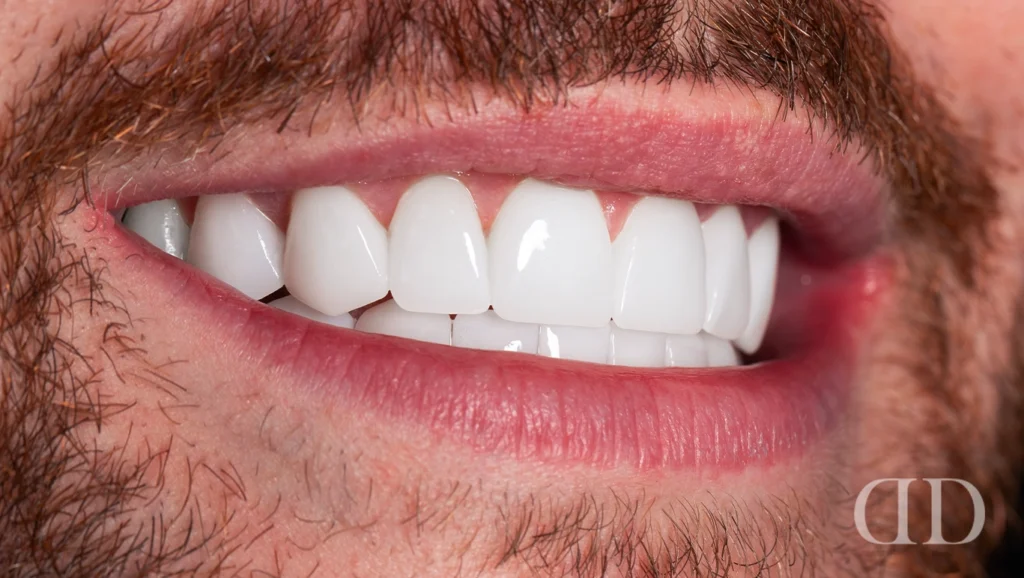
What is the Lifespan of Veneers?
To put it simply, the lifespan of veneers depends heavily on the material used. On average, high-quality porcelain veneers last between 10 to 15 years, though it is not uncommon for them to last 20 years or more with meticulous care. On the other hand, composite resin veneers typically have a shorter lifespan, usually lasting between 5 to 7 years.
Because veneers do not alter the underlying biological aging of your gums and natural teeth, they will eventually require replacement or maintenance. Think of them as high-performance protective shields: they are incredibly tough, but their durability is ultimately a partnership between the skill of your cosmetic dentist and your daily oral hygiene routine.
4 Key Factors That Determine How Long Veneers Last
To understand why some veneers last 20 years while others may fail prematurely, we must look at the variables that dictate their survival rate. In clinical practice, veneer longevity is determined by four primary elements:
1. The Material Selection (Porcelain vs. Composite)
- Porcelain (E-max / Zirconium-infused): Porcelain is a biocompatible, dense ceramic material that closely mimics natural tooth enamel. It is highly resistant to chipping, scratching, and chemical staining from coffee, tea, or smoking.
- Composite Resin: This is a specialized dental plastic applied directly to the tooth. While it offers a faster and more cost-effective transformation, composite is a more porous material, making it inherently more prone to wear, minor fractures, and surface discoloration over time.
2. Clinical Precision and Bonding Quality
The longevity of your smile transformation is deeply tied to the expertise of your dental team. Proper tooth preparation ensuring just a micro-layer of enamel is removed is crucial. Additionally, utilizing advanced, moisture-controlled bonding techniques guarantees that the veneer fuses flawlessly with the natural tooth structure, preventing micro-leakage and premature detachment.
3. Oral Hygiene and Gum Health
Veneers cannot decay, but the natural teeth supporting them can. If plaque builds up along the gum line, it can lead to gum recession or cavities beneath the veneer. Once the foundational tooth structure or surrounding gum health is compromised, the veneer itself loses its stability and must be replaced.
4. Bite Mechanics and Lifestyle Habits
Your teeth are subjected to immense structural forces daily. Patients who suffer from bruxism (chronic night grinding or teeth clenching) place immense stress on their restorations. Similarly, lifestyle habits such as biting your nails, chewing on ice, or using your teeth as tools to open packaging can create micro-fractures, drastically reducing the lifespan of even the highest-grade porcelain.
Porcelain vs. Composite Veneers: A Deep-Dive Lifespan Comparison
To make an informed decision about your smile makeover, it is essential to understand exactly how porcelain and composite resin stack up against each other over the long term. While both options can dramatically enhance your aesthetics, they represent fundamentally different investments in terms of durability, maintenance, and clinical lifespan.
- Porcelain Veneers (The Gold Standard): Crafted in a specialized dental laboratory or via advanced CAD/CAM technology, these restorations are made of premium ceramics like lithium disilicate (E-max) or zirconium oxide. They are non-porous, meaning they resist staining just like real enamel (or even better) and maintain their structural integrity under normal biting forces for up to two decades.
- Composite Veneers (The Flexible Alternative): Sculpted directly onto your teeth using a tooth-colored composite resin, this method is excellent for quick, minimally invasive touch-ups. However, because resin is a type of engineered plastic, it expands and contracts slightly with temperature changes and accumulates microscopic surface wear over time, making it more prone to dulling, staining, and chipping.
To help you visualize the practical differences between these two options, here is a comparative overview based on clinical performance and long-term patient outcomes:
Premium Dental Care in Turkey
Expert treatments with high-end technology. Get your personalized quote today via WhatsApp.
| Feature | Porcelain Veneers | Composite Veneers |
| Average Lifespan | 10 to 20+ Years | 5 to 7 Years |
| Stain Resistance | High (Highly resistant to coffee, tea, and tobacco) | Moderate (Prone to surface discoloration over time) |
| Repairability | Cannot be easily repaired; usually requires replacement if fractured | Highly repairable; can be patched directly in the chair |
| Reversibility | Generally irreversible (requires minimal enamel shaving) | Often reversible (requires little to no enamel removal) |
| Maintenance Need | Low (Standard routine dental check-ups) | High (Requires periodic polishing to maintain shine) |
| Structural Strength | Superior (Resists chipping and structural wear) | Moderate (Prone to micro-fractures under high pressure) |
Proactive Strategies: How to Extend the Lifespan of Your Veneers
While the skill of your cosmetic dentist lays the groundwork, the ultimate longevity of your veneers is determined at home. By adopting a few protective habits, you can significantly delay the need for replacement and keep your restorations looking brand new.
The longevity of veneers depends on the material used, oral hygiene habits, and regular dental care, making a well planned porcelain veneer treatment essential for long lasting results.

Want trusted dental advice in your Google AI answers?
Add Darya Dental Turkey as a Preferred Source on Google to make our dental guides easier to find in your search results and AI Overviews.
1. Master Your Daily Oral Hygiene
Veneers cannot decay, but the biological tooth structure underneath them remains vulnerable. A cavity at the junction where the veneer meets the natural tooth can cause the restoration to detach.
- Brush twice daily using a soft-bristled toothbrush. Avoid abrasive “whitening” toothpastes containing baking soda or harsh charcoal, as they can scratch the polish of your veneers.
- Floss daily without fail to protect the margins of your veneers from plaque accumulation and to prevent localized gum recession.
2. Guard Against Teeth Grinding (Bruxism)
Clenching or grinding your teeth at night exerts immense pressure that can easily crack or dislodge both porcelain and composite materials. If you have a habit of grinding, your dentist at Darya Dental Clinic can fabricate a custom-fitted nightguard. This slim, comfortable appliance absorbs the destructive forces of bruxism, preserving your dental work while you sleep.
3. Adjust Your Biting Habits
Your veneers are designed to handle normal chewing, not unusual mechanical stress.
- Never use your teeth as tools to rip open packaging, tear tape, or crack nuts.
- Avoid biting directly into exceptionally hard or crunchy foods (like hard candy, ice, or unpopped popcorn kernels) with your front veneered teeth. Instead, use your back molars to cut up and chew tough foods.
4. Schedule Routine Dental Visits
Professional cleanings and clinical examinations every six months are vital. Your dentist can monitor the integrity of the dental bonding, assess your gum health, and catch any minor structural issues before they evolve into failures that require complete replacement.
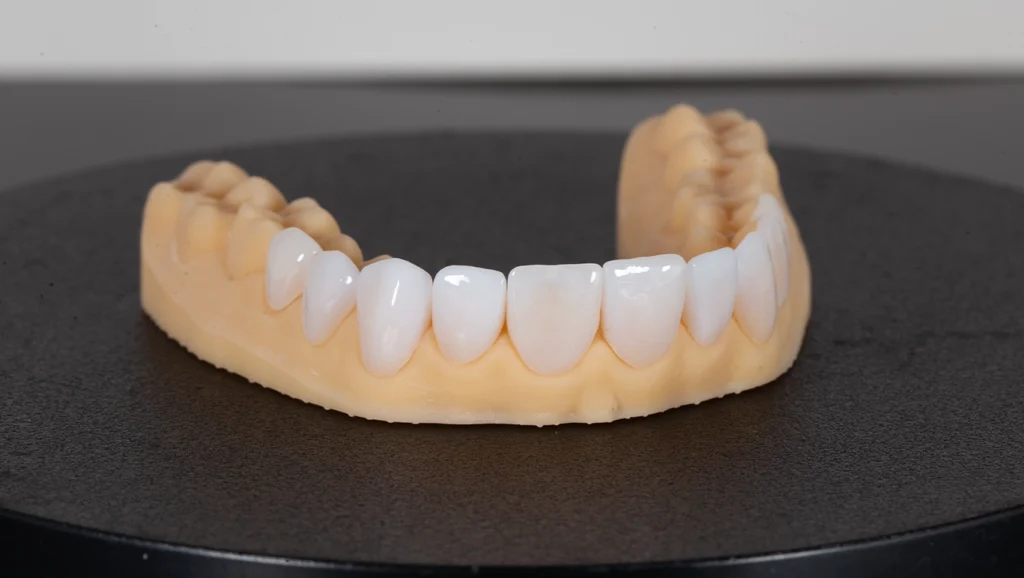
4 Signs It Is Time to Replace Your Veneers
Even with impeccable maintenance, veneers will eventually reach the end of their functional lifecycle. Knowing when to plan a replacement ensures you maintain your oral health and avoid aesthetic compromises. If you notice any of the following signs, it is time to schedule an evaluation with a dental professional:
- Visible Chips, Cracks, or Structural Wear: Minor surface scratches can sometimes be polished, but deep cracks or missing pieces compromise the structural integrity of the restoration.
- Darkening or Staining of the Underlying Tooth: If a veneer begins to look dark or gray, it often means the dental bonding agent has weakened, allowing microscopic debris or bacteria to seep underneath.
- Gum Recession or a Visible “Gap”: As we age, gums can naturally recede. If your gums pull back, it can expose the margin between your natural tooth root and the edge of the veneer, creating an unsightly dark line or a trap for food particles.
- Loose or Shifting Veneers: If a veneer feels unstable or moves slightly when you chew, the chemical bond has failed. Do not attempt to reattach it yourself; seek immediate professional care to prevent decay.
Frequently Asked Questions About Veneer Longevity
Based on common patient inquiries and clinical search trends, here are the essential facts regarding the long-term performance of veneers:
Does getting veneers ruin your natural teeth?
No, when performed by a qualified cosmetic dentist, veneers do not ruin your natural teeth. The preparation process involves removing a microscopic layer of enamel (typically between 0.3mm to 0.7mm) to ensure the veneer sits flush and looks natural. The underlying tooth structure remains healthy, strong, and fully supported by the restoration.
Can veneers last 30 years?
While the average lifespan is 10 to 15 years, clinical data and long-term follow-ups show that premium porcelain veneers can last 20 to 30 years under ideal conditions. Achieving this exceptional lifespan requires flawless initial bonding, excellent genetic bone/gum stability, and meticulous lifelong oral hygiene.
What happens to teeth under veneers after 10 years?
Underneath a properly sealed veneer, the natural tooth remains perfectly intact and healthy. The veneer acts as a protective shield against external acids and bacteria. However, if oral hygiene is neglected, plaque can still accumulate at the margins, potentially leading to localized cavities or gum inflammation over time.
Can a veneer be replaced if it falls off?
Yes. If a veneer detaches cleanly without breaking and the underlying tooth is still healthy, a dentist can often clean, prepare, and rebond the original restoration. However, if the veneer is cracked or if there is underlying decay, a new veneer will need to be fabricated.
Ready for a Lifetime of Radiant Smiles?
Investing in veneers is one of the most effective ways to transform your appearance, but their longevity ultimately depends on combining premium materials with world-class clinical expertise.
At Darya Dental Clinic, our experienced cosmetic team utilizes state-of-the-art diagnostic technology and the highest-grade biocompatible ceramics to craft custom smiles built to last. Whether you are looking to refresh an older restoration or ready to take the first step toward your dream smile, we are here to guide you through a safe, predictable, and stunning transformation.
Ready to explore your options? Contact Darya Dental Clinic today to schedule your personalized consultation!
