
Why is My Mouth Always Dry? Chronic Dry Mouth Symptoms and Causes
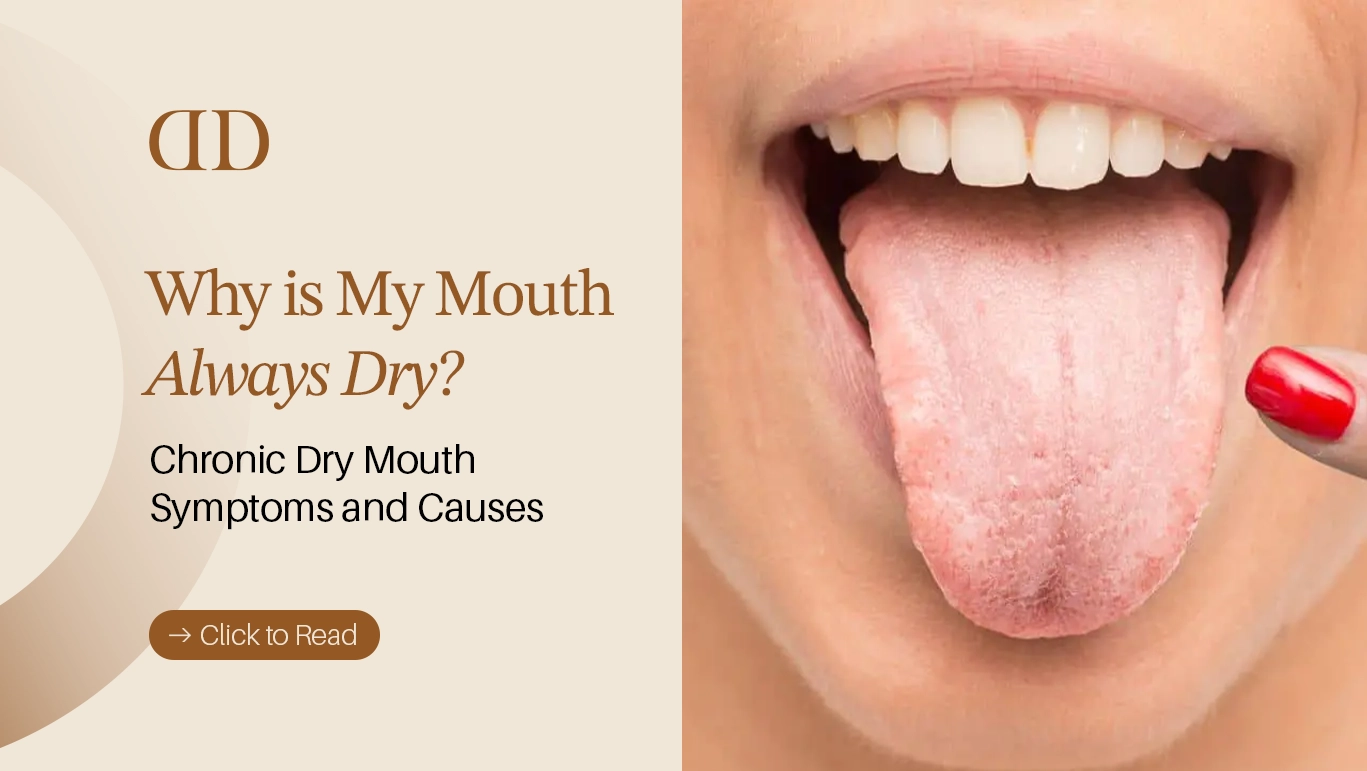

A healthy mouth relies on a constant, quiet hero: saliva. We rarely think about it until it disappears. Experiencing an occasional dry tongue when you are nervous or dehydrated is completely normal. However, waking up every single night with a throat that feels like sandpaper, or struggling to swallow food without a glass of water nearby, indicates a deeper issue. Chronic dry mouth is not just an uncomfortable daily nuisance; it is a clinical condition that can silently sabotage your oral health, leading to rapid tooth decay and gum disease if left unaddressed.
At Darya Dental Clinic, we routinely see patients who visit us for sudden, unexplained cavities, only to discover that the underlying culprit is a systemic drop in saliva production. Understanding the root causes and early warning signs of this condition is the first crucial step toward reclaiming your comfort and protecting your smile. Depending on the underlying cause and its effects on oral health, patients can explore all dental treatments to review options that may be considered after a clinical evaluation.
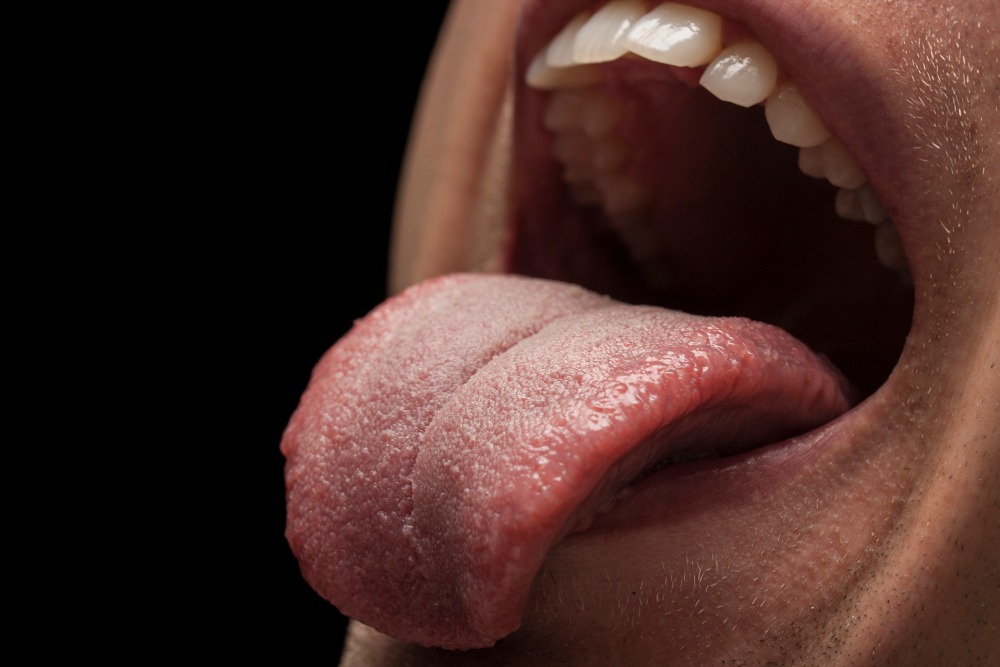
What is Dry Mouth (Xerostomia)?
Dry mouth, clinically known as xerostomia, is the subjective feeling of a lack of saliva in the oral cavity. It occurs when the salivary glands the specialized tissues located in your cheeks and under your tongue fail to produce an adequate volume of saliva to keep the mouth properly moisturized.
Saliva acts as your mouth’s primary natural defense system. It continuously washes away food debris, neutralizes harmful acids produced by plaque bacteria, and supplies essential minerals like calcium and phosphate to rebuild tooth enamel through a process called remineralization. When saliva flow drops significantly, this protective shield is lost, creating an ideal environment for harmful bacteria to thrive.
Recognized Symptoms of Dry Mouth
Xerostomia manifests through a distinct cluster of oral and systemic signs. Because saliva impacts everything from your sense of taste to your digestive process, the symptoms often extend far beyond a simple feeling of thirst.
If you are suffering from chronic dry mouth, you will likely experience several of the following symptoms:
- A Sticky, Parched Sensation: A persistent feeling that your saliva is thick, stringy, or entirely absent, making the inside of your mouth feel uncomfortably dry.
- Frequent Throat Irritation and Hoarseness: Difficulty speaking for extended periods, accompanied by a dry, tickling sensation in the throat or a raspy voice.
- Difficulty Chewing, Swallowing, and Tasting: Saliva is essential for breaking down food particles and binding them into a smooth mass (bolus) for safe swallowing. Without it, eating dry foods becomes incredibly difficult, and food may taste bland or altered.
- A Burning Tongue or Mouth (Glossodynia): A painful, burning, or tingling sensation that primarily affects the tongue, roof of the mouth, or inside of the cheeks.
- Chronic Bad Breath (Halitosis): When saliva is unavailable to rinse away dead cellular debris and neutralize bacteria, these microorganisms multiply rapidly, producing volatile sulfur compounds that cause persistent bad breath.
- Cracked Lips and Sores: The skin at the corners of the mouth (angular cheilitis) may become split, raw, and painful, and you may develop frequent mouth aphthous ulcers.
What Causes Dry Mouth? Underlying and Hidden Triggers
Xerostomia is rarely an isolated disease; instead, it is a symptom of an underlying medical issue, lifestyle habit, or biochemical reaction. Identifying the exact trigger is essential for creating an effective long-term treatment plan.
The primary causes of chronic dry mouth can be categorized into four main areas:
1. Prescription and Over-the-Counter Medications
Medication side effects are, by far, the single most common cause of dry mouth. Hundreds of frequently prescribed drugs alter the neurological signals sent to the salivary glands, intentionally or unintentionally dampening their output.
```html
```
Premium Dental Care in Turkey
Expert treatments with high-end technology. Get your personalized quote today via WhatsApp.
- Antidepressants and Anti-Anxiety Drugs: Medications that manage neurotransmitters (like SSRIs or tricyclics) frequently interfere with acetylcholine, a chemical messenger responsible for triggering saliva production.
- Antihistamines and Decongestants: Over-the-counter allergy and cold relief pills block histamine receptors but also dry out mucous membranes throughout the nasal cavity and mouth.
- Blood Pressure and Diuretic Medications: Beta-blockers and water pills designed to lower fluid volume in the blood vessels simultaneously reduce fluid levels available for saliva secretion.
- Muscle Relaxants and Pain Medications: Strong prescription analgesics impact the central nervous system, slowing down involuntary bodily functions, including salivary flow.
2. Chronic Medical Conditions and Autoimmune Diseases
When dry mouth persists despite changing medications, it often points to a systemic health condition.
- Sjögren’s Syndrome: This is a definitive autoimmune disorder where the body’s immune system mistakenly attacks its own moisture-producing glands, primarily destroying the salivary and tear glands.
- Diabetes mellitus: Poorly managed blood sugar levels lead to systemic dehydration, which pulls water away from tissues and rapidly decreases saliva volume.
- Alzheimer’s Disease or Stroke: Neurological damage can impair the brain’s capacity to send regular signals to the salivary glands, leaving the mouth dry even if the glands are physically healthy.
3. Lifestyle Habits and Aging
Simple daily routines and natural biological shifts can compound or directly cause dry mouth symptoms.
```html  ```
```
Want trusted dental advice in your Google AI answers?
Add Darya Dental Turkey as a Preferred Source on Google to make our dental guides easier to find in your search results and AI Overviews.
- Mouth Breathing and Snoring: Sleeping with an open mouth or dealing with chronic sleep apnea causes moisture to evaporate rapidly from oral surfaces, resulting in a severe dry throat upon waking.
- Dehydration: Not consuming enough water throughout the day reduces overall bodily fluids, forcing the salivary glands to conserve water.
- The Aging Process: While aging itself doesn’t stop saliva production, older adults are much more likely to take multiple medications and have underlying health issues that collectively result in dry mouth.
4. Cancer Therapies (Radiation and Chemotherapy)
Medical treatments targeting the head and neck can have severe, lasting impacts on oral tissues.
- Radiation Therapy: Radiation directed at cancerous tumors in the neck or head can permanently damage the delicate cellular structure of the salivary glands. Depending on the radiation dose, the drop in saliva production can be partial or completely irreversible.
- Chemotherapy: Cancer-fighting drugs can alter the chemical composition and thickness of saliva, making it feel sticky, stringy, or inadequate, though this type usually improves after treatment ends.
The Clinical Danger: How Dry Mouth Destroys Tooth Enamel
From a clinical perspective, chronic xerostomia is a dental emergency. Without continuous salivary flow, the balance of oral microbiome shifts dangerously toward acid-producing, cavity-causing bacteria.
When your mouth lacks saliva, it loses the ability to buffer acids from food and drinks. Plaque bacteria thrive in this acidic environment, rapidly stripping away minerals from your tooth enamel. This accelerated breakdown is known as rampant decay. It often manifests as sudden cavities along the gumline and on the root surfaces of teeth areas that are normally protected by saliva. Furthermore, the lack of moisture allows soft tissues to rub against each other, causing micro-abrasions, painful infections like oral thrush (candidiasis), and an increased risk of severe periodontal (gum) disease.
Causes and Dental Risk Analysis Matrix
The table below breaks down the primary categories of dry mouth triggers, how they specifically impact saliva flow, and their associated long-term risks to your dental health.
| Trigger Category | Biological Impact on Saliva | Specific Dental Risk |
| Anticholinergic Medications (Antidepressants, Antihistamines) | Blocks neurological signals that tell salivary glands to secrete fluid. | High risk of rapidly progressing gumline cavities. |
| Autoimmune Conditions (Sjögren’s Syndrome) | The immune system physically destroys salivary gland tissue over time. | Severe, chronic tooth decay; frequent oral infections like thrush. |
| Systemic Diseases (Diabetes) | High blood sugar pulls moisture away from oral tissues, causing dehydration. | Accelerated bone loss around teeth; severe periodontal disease. |
| Sleep Distortions (Mouth Breathing, Sleep Apnea) | Rapid evaporation of existing saliva due to constant airflow during sleep. | Severe morning bad breath; localized enamel erosion on front teeth. |
| Cancer Treatments (Head/Neck Radiation) | Directly damages or destroys the cellular architecture of major salivary glands. | Extreme risk of total tooth loss (radiation caries) if unmanaged. |
How to Identify the Severity of Dry Mouth
If you suspect you have chronic xerostomia, paying attention to specific daily signs can help determine when it is time to seek professional care. Doctors and dentists evaluate dry mouth through both subjective complaints and clinical assessments:
- The “Cracker Test”: If you cannot comfortably chew and swallow a dry cracker or piece of bread without drinking water, your salivary gland output is likely significantly lower than normal.
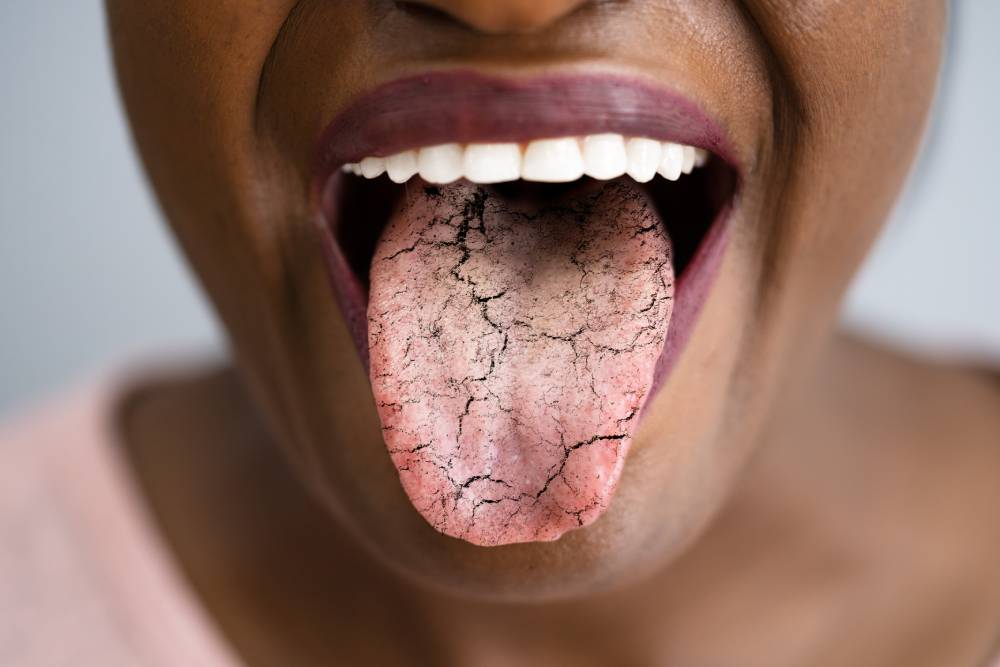
- The Mirror Test: When looking at your oral tissues, a healthy mouth appears moist and shiny. In a severe dry mouth case, the tongue may appear dry, deeply grooved, or completely smooth because the tiny bumps (papillae) on the surface have withered away.
- Clinical Sialometry: At the dental clinic, a specialist can measure your actual salivary flow rate by calculating the volume of saliva produced over a specific number of minutes.
Home Care and Lifestyle Remedies for Immediate Relief
While managing the underlying cause of dry mouth is essential for a permanent cure, you can implement several daily habits to stimulate saliva flow and soothe irritated oral tissues immediately:
- Sip Water Continuously: Carry a water bottle with you throughout the day. Taking small, frequent sips keeps the mucous membranes hydrated without flushing away what little natural saliva you have.
- Chew Sugar-Free Gum or Mints: Look for products containing xylitol. Xylitol not only mechanically stimulates the salivary glands through chewing but also inhibits the growth of cavity-causing bacteria.
- Use a Room Humidifier: Running a cool-mist humidifier in your bedroom at night adds moisture to the air, reducing the severe dry throat and mouth symptoms often caused by mouth breathing or snoring.
- Avoid Known Irritants: Steer clear of caffeine, alcohol, and tobacco, as these substances significantly dry out the mouth. Additionally, completely avoid over-the-counter mouthwashes that contain alcohol, which can cause painful burning on dry oral tissues.
Professional Treatments at Darya Dental Clinic
When home remedies are not enough to protect your teeth, professional medical intervention is required. At Darya Dental Clinic, we provide a comprehensive, multi-layered approach to treating xerostomia and preventing its destructive side effects.
Salivary Substitutes and Stimulants
For patients with permanent salivary gland damage (such as from radiation therapy or advanced Sjögren’s syndrome), we recommend prescription-strength artificial saliva substitutes. These gels and sprays mimic the chemical viscosity of natural saliva, providing long-lasting lubrication. In cases where the glands are still partially functioning, systemic medications called sialagogues (like pilocarpine) can be prescribed to stimulate natural fluid production.
Advanced Enamel Protection
Because dry mouth increases your cavity risk exponentially, our clinical team focuses heavily on preventive care. We provide customized, high-concentration fluoride therapies and specialized remineralization treatments to strengthen your enamel against bacterial acid attacks. Regular dental cleanings and detailed monitoring allow us to detect and arrest microscopic decay before it turns into a major structural problem.
Frequently Asked Questions
Can dry mouth go away on its own?
If your dry mouth is caused by temporary dehydration, short-term stress, or a temporary medication (like a one-week course of antibiotics), it will resolve once the underlying factor changes. However, if the dryness lasts for more than a couple of weeks, it is a chronic issue that requires a medical or dental evaluation.
Why is my mouth so dry at night or when I wake up?
Dry mouth at night is most commonly caused by mouth breathing, snoring, or sleep apnea. When you breathe through your open mouth, the constant airflow quickly evaporates your saliva. Furthermore, our bodies naturally produce less saliva while we sleep, compounding the dryness.
Can severe stress or anxiety cause chronic dry mouth?
Yes. When you are stressed or anxious, your body enters a “fight or flight” response governed by the sympathetic nervous system. This physiological shift temporarily slows down non-essential bodily functions, including digestion and saliva production, leading to a sudden dry throat and mouth.
Is dry mouth a definitive sign of diabetes?
While dry mouth is a very common symptom of both Type 1 and Type 2 diabetes due to elevated blood sugar levels and systemic dehydration, it is not a definitive diagnosis on its own. It must be evaluated alongside other classic symptoms like increased thirst and frequent urination through proper medical blood tests.
What is the best mouthwash for dry mouth?
You should exclusively use alcohol-free mouthwashes specifically formulated for xerostomia. Look for therapeutic rinses that contain soothing enzymes, biological lubricants, and xylitol. Standard commercial mouthwashes containing alcohol will worsen your symptoms and dry out your tissues even further.
Protect Your Smile at Darya Dental Clinic
Chronic dry mouth is far more than an uncomfortable sensation it is a significant threat to your teeth, gums, and overall quality of life. You do not have to live with the persistent discomfort, difficulty eating, or the constant worry of sudden cavities. Identifying the root cause of your xerostomia is the key to preserving your long-term oral health.
If you are struggling with a constantly dry mouth, let our experienced team help you find relief and protect your teeth from accelerated decay. Visit the official Darya Dental Clinic website today to explore our advanced preventive therapies or to schedule a comprehensive oral evaluation with our dental specialists.
