
Tooth Decay: Symptoms & Treatment
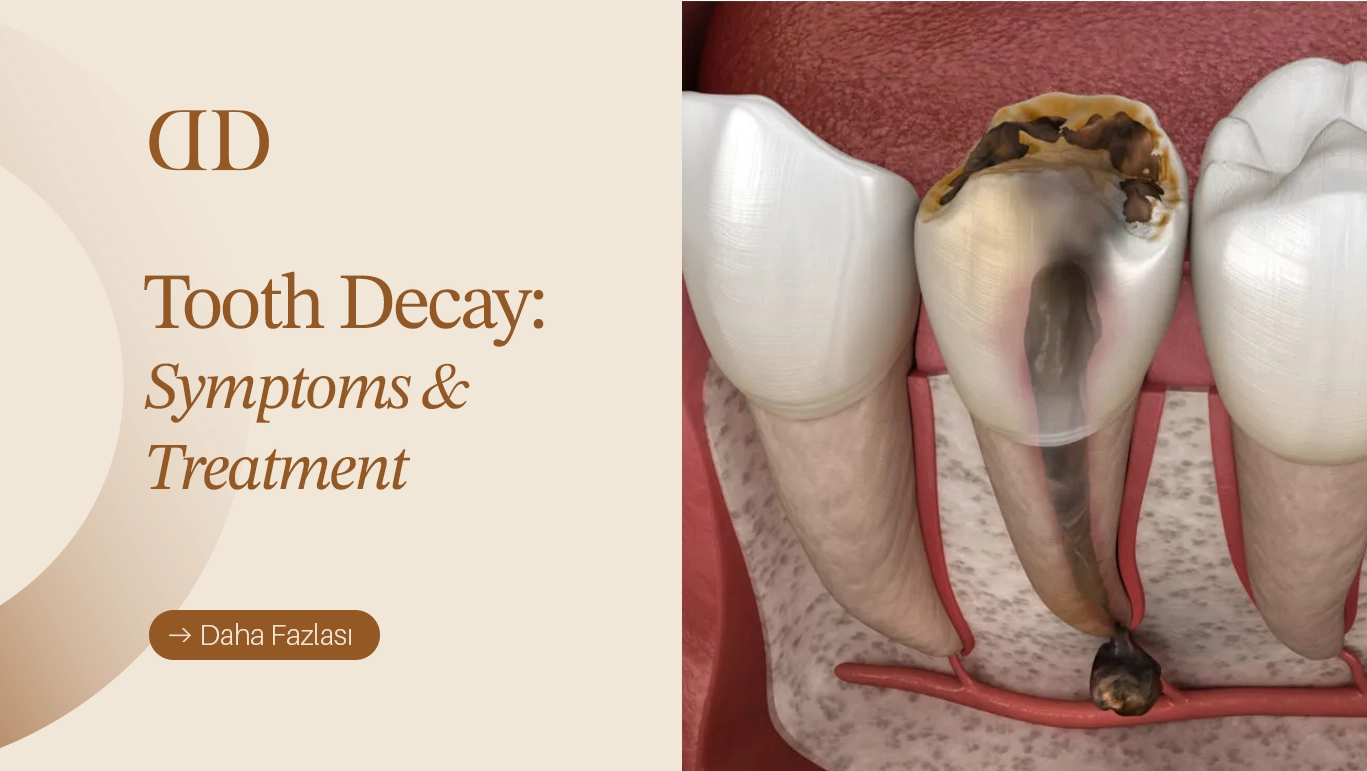

A sudden sharp pain while drinking cold water or a noticeable dark spot on your tooth can be alarming. If you are experiencing these, you might be dealing with tooth decay: symptoms & treatment options vary widely depending on how early the issue is caught. Tooth decay is one of the world’s most common health problems, yet it is entirely preventable and treatable.
What is Tooth Decay?
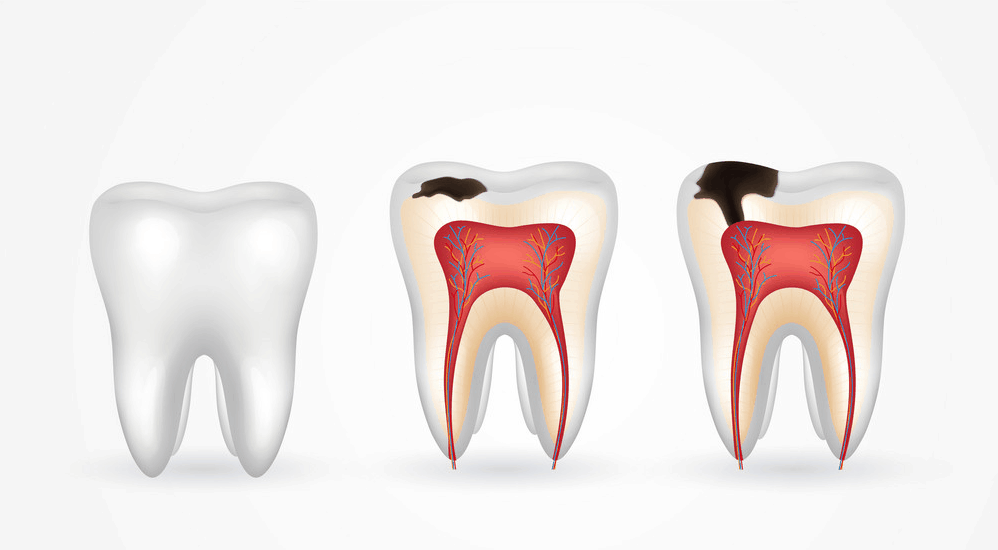
Tooth decay, also medically known as dental caries or cavities, is the permanent damage done to the hard surfaces of your teeth that develops into tiny openings or holes. It is a progressive disease caused by a combination of factors, including bacteria in your mouth, frequent snacking, sipping sugary drinks, and inadequate tooth brushing.
When you eat or drink, bacteria in the oral cavity break down carbohydrates and produce acids. These acids mix with saliva and food particles to form a sticky film called plaque. If plaque is not regularly removed, the acids continuously strip away minerals from your tooth’s hard outer enamel, eventually causing the structure to collapse and form a cavity.
Depending on the severity of tooth decay and the condition of the affected tooth, you can explore all dental treatments to review the available restorative and preventive options.
The 5 Progressive Stages of Tooth Decay
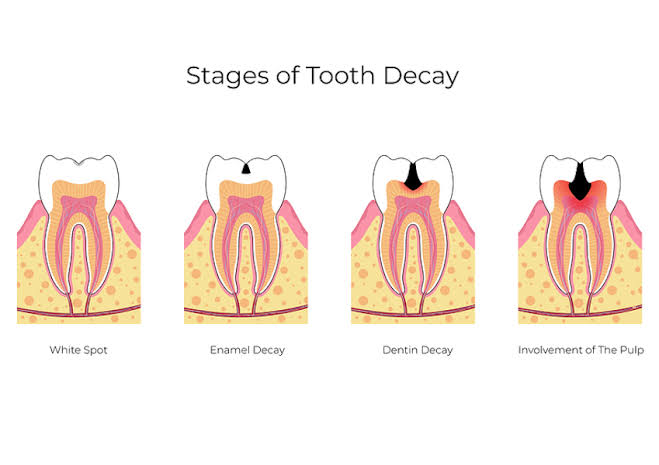
Tooth decay does not happen overnight. It is a multi-stage process that systematically breaks down the layers of the tooth. Understanding these stages helps highlight why early intervention at a trusted center like Darya Dental Clinic is vital.
1. Initial Demineralization (White Spots)
The first stage begins when the tooth enamel is exposed to acids from plaque bacteria. The tooth begins to lose minerals, often displaying chalky white spots on the surface. At this early phase, the decay process can actually be reversed with professional fluoride treatments and improved oral hygiene.
2. Enamel Decay
If demineralization continues, the enamel breaks down further. The white spot may turn a darker brown or blackish color. Because enamel does not contain nerves, you will likely still feel no physical pain during this stage, though the structural surface damage has now become permanent.
3. Dentin Decay
Once the decay breaks through the enamel layer, it reaches the dentin. Dentin is a softer layer of tissue beneath the enamel that contains microscopic tubes leading directly to the tooth nerve. When decay hits the dentin, you will begin to experience noticeable sensitivity or pain, particularly when consuming hot, cold, or sweet foods.
4. Pulp Involvement
The pulp is the very center of your tooth, containing the living nerves and blood vessels. When bacteria penetrate this deep, it triggers severe inflammation (pulpitis). This stage is characterized by constant, throbbing pain that can keep you awake at night.
```html
```
Premium Dental Care in Turkey
Expert treatments with high-end technology. Get your personalized quote today via WhatsApp.
5. Abscess Formation
If left untreated, the infection in the pulp spreads past the root tip into the surrounding jawbone and gum tissue. This creates a painful pocket of pus known as an abscess. An abscess can cause severe facial swelling, fever, and requires immediate emergency dental intervention to prevent systemic infection.
How to Spot a Cavity Early
Identifying tooth decay before it destroys a substantial portion of your tooth structure can save you from pain and expensive emergency dental visits. While initial demineralization occurs silently beneath the surface, several physical indicators will emerge as the decay progresses into the deeper layers of the tooth.
```html  ```
```
Want trusted dental advice in your Google AI answers?
Add Darya Dental Turkey as a Preferred Source on Google to make our dental guides easier to find in your search results and AI Overviews.
Common Signs and Symptoms of Tooth Decay
Depending on the size and exact location of the cavity, you might experience a combination of the following clinical signs:
- Spontaneous Toothache: Sudden, sharp, or throbbing pain that occurs without any apparent cause, especially when biting down or chewing.
- Temperature and Sweet Sensitivity: A lingering pain, discomfort, or sharp twinge after consuming hot beverages (like coffee), freezing foods (like ice cream), or highly sugary treats.
- Visible Dark Spots or Holes: Noticeable black, brown, or opaque white staining on any surface of the tooth, or a physical pit that you can feel with your tongue.
- Unpleasant Breath and Taste: Persistent bad breath (halitosis) or a foul, metallic taste in your mouth caused by the accumulation of active bacteria and decaying food debris trapped inside the cavity hole.
Modern Tooth Decay Treatment Options
When you visit an advanced dental center like Darya Dental Clinic, your treatment plan will be custom-tailored to the exact stage of your tooth decay. Modern dentistry prioritizes preserving as much of your natural tooth structure as possible using biococompatible and aesthetic materials.
1. Professional Fluoride Treatments
If your dentist detects tooth decay in its earliest phase (demineralization), a high-concentration professional fluoride gel, varnish, or foam can be applied. This treatment works by actively replacing lost minerals, strengthening the weakened enamel, and effectively reversing the micro-cavity before it breaks the surface.
2. Composite Dental Fillings
Once a physical cavity breaks through the enamel into the dentin, a dental filling is the standard treatment choice. At Darya Dental Clinic, tooth-colored composite resins are utilized to match the exact shade of your smile. The dentist gently removes the decayed tissue, cleans the area, and bonds the resin layer by layer, restoring both the shape and structural integrity of the tooth seamlessly.
3. Dental Crowns, Inlays, and Onlays
For teeth with extensive decay where a large portion of the natural structure is compromised, a simple filling may not provide enough structural support.
- Inlays and Onlays: Often called partial crowns, these are custom-fabricated porcelain pieces made in a laboratory to fit precisely into a large cavity.
- Dental Crowns: A custom-made porcelain or zirconia “cap” that completely covers the remaining structure of the damaged tooth from the gumline up, protecting it from fractures.
4. Root Canal Therapy
When the bacterial infection breaches the pulp chamber, a simple filling is no longer viable. Root canal therapy becomes necessary to save the tooth. During this procedure, the inflamed or necrotic pulp tissue is carefully removed from the root canals, the interior channels are sterilized, and then sealed with a biocompatible material. The treated tooth is then typically reinforced with a custom dental crown.
5. Tooth Extractions and Restorations
In advanced cases where the root system is completely destroyed or a severe abscess threatens your jawbone health, the tooth may be un-savable. In these instances, the tooth must be extracted to prevent the infection from spreading to the rest of your body. The missing gap can then be perfectly restored using permanent dental implants or a dental bridge to maintain full chewing function.
Tooth Decay Treatments and Costs: A Practical Comparison
The most cost-effective way to treat dental caries is always early detection. As the structural damage progresses deeper into the layers of the tooth, the complexity and the associated costs of the medical intervention increases.
To help you understand your options at a glance, we have compiled a comparison matrix outlining the stages of decay, the standard treatments offered at Darya Dental Clinic, their approximate recovery times, and their relative cost impacts:
| Stage of Tooth Decay | Recommended Treatment | Recovery & Healing Time | Relative Cost Factor |
| Initial Demineralization | Professional Fluoride Therapy | Immediate (No downtime) | Minimal ($) |
| Enamel & Shallow Dentin | Composite Dental Fillings | Immediate (1–2 hours for anesthesia) | Low ($$) |
| Deep Dentin / Structural Loss | Inlays, Onlays, or Crowns | 2–5 days (Fabrication time) | Moderate ($$$) |
| Pulp Infection (Pulpitis) | Root Canal Therapy | 1–3 days (Mild post-op soreness) | Moderate to High ($$$$) |
| Severe Destruction / Abscess | Extraction & Dental Implant | 3–6 months (For full osseointegration) | High ($$$$$) |
Frequently Asked Questions About Tooth Decay
Can a cavity go away on its own?
A cavity cannot heal on its own once a physical hole or pit has formed in the enamel or dentin. However, if the decay is caught in its earliest stage known as initial demineralization, which appears as chalky white spots the process can be reversed. This is achieved by improving oral hygiene, reducing sugar intake, and applying professional fluoride treatments to remineralize the enamel.
How long can you leave a cavity untreated?
While a cavity may take anywhere from several months to a few years to fully breach the enamel layer, it should never be left untreated once diagnosed. As soon as the decay passes into the softer dentin layer, the destruction accelerates significantly. Delaying treatment increases the risk of severe nerve pain, deep root infections, and ultimate tooth loss.
Is root canal therapy painful?
Contrary to popular belief, modern root canal therapy does not cause pain; instead, it relieves it. Thanks to advanced local anesthetics and microscopic dental technologies used today, the procedure is no more uncomfortable than receiving a standard dental filling. The soreness felt beforehand is caused by the active infection in the tooth nerve, which the root canal completely eliminates.
How can I prevent tooth decay from returning after treatment?
Preventing recurrent decay requires a consistent oral healthcare routine. You should brush your teeth at least twice a day with fluoride toothpaste, floss daily to remove plaque from between the teeth, and limit frequent snacking on sugary or acidic foods. Additionally, visiting your dentist every six months for professional cleanings and routine checkups ensures that any shifting plaque or early demineralization is managed immediately.
Take Action for Your Smile Today
Understanding tooth decay: symptoms & treatment options is the first step toward reclaiming your oral health. A cavity is a progressive condition, but with modern dental techniques, it is entirely manageable. Whether you require a simple, aesthetic composite filling or a complex root reconstruction, addressing the problem early preserves your natural tooth structure and keeps your dental care highly cost-effective.
Do not wait for a minor tooth sensitivity to turn into a severe, throbbing ache. The team of experienced dental professionals at Darya Dental Clinic is equipped with cutting-edge diagnostics and biocompatible restoration materials to restore your smile comfortably and efficiently.
If you suspect you have a cavity or are due for your routine dental examination, take control of your health today. Schedule a comprehensive consultation with our specialists to keep your smile beautiful, functional, and pain-free for years to come.
