
Porcelain Veneers vs Composite Bonding: Which Is Better for a Short Dental Trip to Turkey?
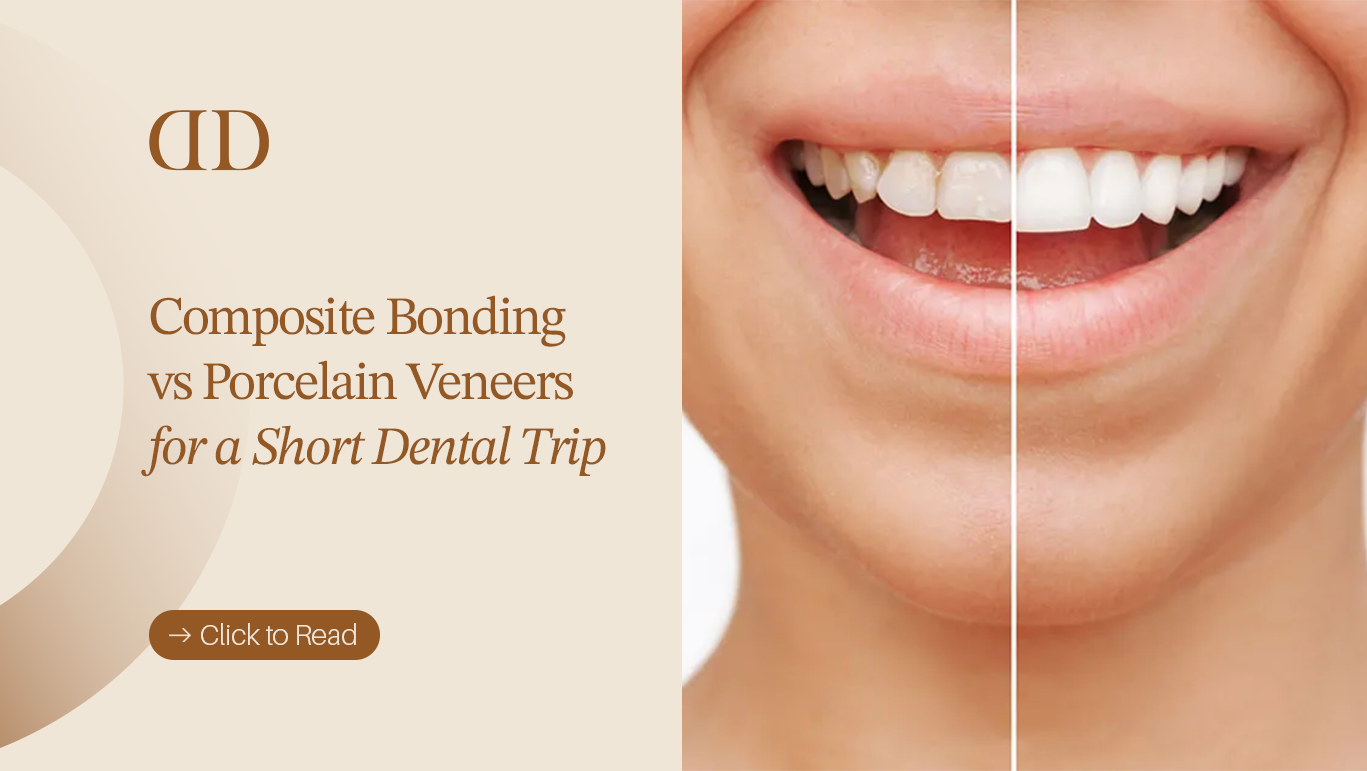

Choosing between porcelain veneers and composite bonding comes down to a balance between clinical longevity, aesthetic depth, tooth structural preservation, and your travel timeline. While composite resin bonding offers an ultra-conservative, single-visit cosmetic fix, custom-crafted porcelain veneers provide superior stain resistance and decades of structural stability. If you are researching porcelain veneers vs composite bonding to fix chipped, discolored, or uneven teeth during a trip abroad, understanding how these two popular restorative techniques differ mechanically and cosmetically is the essential first step toward transforming your smile.
What Is the Difference Between Composite Bonding and Porcelain Veneers?
The fundamental difference between composite bonding vs porcelain veneers lies in the material composition, application method, and structural interaction with your natural tooth enamel.
Composite bonding utilizes a high-density, moldable composite resin applied directly onto the tooth surface by a clinician in a single session, requiring minimal to no enamel preparation. In contrast, porcelain veneers are custom-milled or hand-layered ceramic shells fabricated in a specialized dental laboratory that are permanently fused to the front surface of precisely prepared teeth.
While both treatments enhance smile aesthetics, composite resin acts as an additive, direct restoration, whereas porcelain serves as an indirect, highly durable ceramic shield.
Porcelain Veneers vs Composite Bonding: What Is the Difference?
When patients begin evaluating cosmetic dental treatment, they are often surprised to learn that composite resin and dental porcelain behave entirely differently under daily functional forces and light exposure.
What Is Composite Bonding?
Composite bonding (often referred to as dental bonding or composite resin bonding) is a direct cosmetic procedure where a tooth-colored photo-polymerizable resin matrix is sculpted directly onto the tooth. The dentist meticulously layers the material to repair minor chips, close small gaps (diastemas), alter tooth shape, or mask localized discoloration.
Once the resin is shaped, it is hardened using a high-intensity ultraviolet curing light and hand-polished to match the natural sheen of neighboring enamel. Because the material is applied directly in the chair without laboratory intervention, composite resin bonding can usually be completed in a single appointment.
What Are Porcelain Veneers?
Porcelain veneers are indirect, custom-engineered ceramic restorations designed to cover the entire front visible surface of a tooth. Crafted from advanced glass-ceramic blocks such as lithium disilicate (E-Max veneers) or high-grade feldspathic porcelain veneers mimic the optical translucency, light reflection, and crystalline strength of natural enamel.
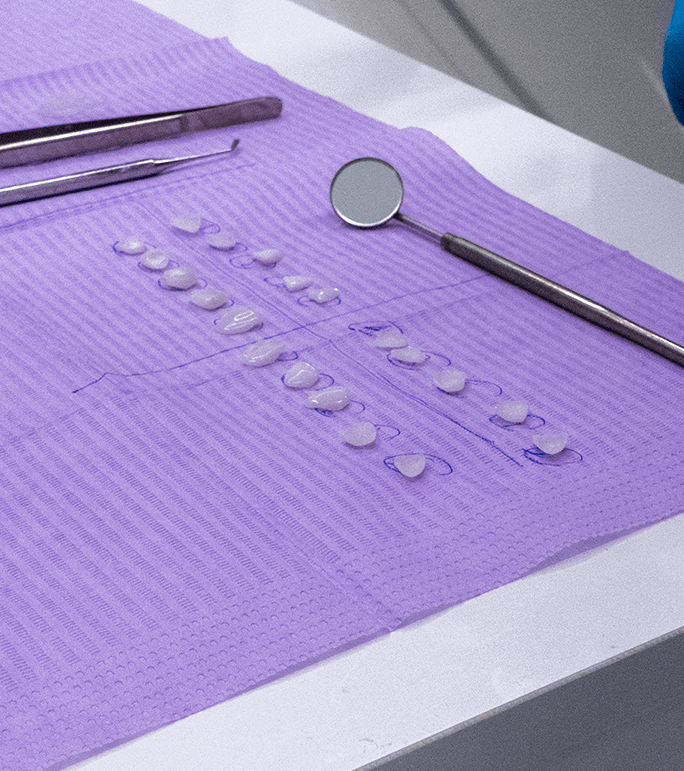
Fabricating porcelain veneers requires high-precision digital intraoral scanning, conservative enamel preparation, and specialized sintering inside an in-house or specialized dental laboratory. The finished custom shells are then chemically fused to the tooth using a high-strength adhesive resin cementation protocol, providing exceptional long-term stability.
Premium Dental Care in Turkey
Expert treatments with high-end technology. Get your personalized quote today via WhatsApp.
Composite Bonding vs Porcelain Veneers: Key Differences
To help you compare composite resin bonding vs porcelain veneers, the structural, aesthetic, and operational differences are organized in the comparison table below:
Key Differences Comparison
| Feature / Attribute | Composite Bonding | Porcelain Veneers |
| Material Composition | Micro-hybrid or nano-filled resin matrix | High-purity lithium disilicate ceramic (E-Max) or porcelain |
| Tooth Preparation | Non-invasive to ultra-conservative (rarely requires enamel reduction) | Conservative micro-shaping (0.3 mm to 0.5 mm enamel removal) |
| Treatment Time | Typically completed in 1 visit (1 to 2 hours per arch) | Typically requires 5 to 7 days across 2 to 3 clinical visits |
| Laboratory Stage | Usually not required (sculpted directly chairside) | Required (milled using CAD/CAM and hand-layered by master ceramists) |
| Aesthetic Translucency | Good visual integration, but can look slightly opaque over time | Exceptional optical depth, matching natural enamel translucency |
| Stain Resistance | Moderate; susceptible to staining from coffee, tea, red wine, and smoking | Superior; non-porous glazed glass-ceramic surface is highly stain-resistant |
| Flexural Strength | Approximately 120 to 150 MPa (Moderate load resistance) | Approximately 400 MPa (High flexural and structural resistance) |
| Average Lifespan | 5 to 7 years (requires periodic repolishing) | 10 to 15+ years with proper clinical aftercare |
| Repairability | Easily repaired or added to directly in the chair if chipped | Cannot usually be repaired intraorally if fractured; requires full replacement |
| Reversibility | Fully reversible in most non-prep cases | Irreversible due to permanent conservative enamel preparation |
| Primary Indication | Minor structural chips, small gaps, localized color adjustments | Comprehensive smile makeovers, severe discoloration, broader shape overhaul |
Composite Bonding: Benefits and Limitations
Understanding whether composite bonding or porcelain veneers suit your clinical needs requires looking closely at what composite resin can and cannot accomplish.

Want trusted dental advice in your Google AI answers?
Add Darya Dental Turkey as a Preferred Source on Google to make our dental guides easier to find in your search results and AI Overviews.
What Are the Benefits of Composite Bonding?
- Maximum Enamel Preservation: Because composite resin adheres directly to enamel, little to no natural tooth structure needs to be removed.
- Immediate Results: In most cases, treatment is completed in a single clinical appointment, making it an attractive choice for patients with limited travel schedules.
- Cost Efficiency: Composite bonding requires fewer laboratory resources, lowering the initial treatment investment compared to indirect porcelain restorations.
- Chairside Repairability: If a composite restoration chips or wears down over time, your cosmetic dentist can quickly repair or layer new resin over the existing structure without replacing the entire restoration.
What Are the Limitations of Composite Bonding?
- Susceptibility to Staining: Unlike non-porous glass-ceramics, composite resin matrices possess microscopic surface pores that can absorb pigments from dark foods, beverages, and tobacco over several years.
- Lower Mechanical Lifespan: Composite resin has a lower flexural strength (approximately 120 to 150 MPa) compared to porcelain (approximately 400 MPa), making it more prone to chipping under heavy bite forces.
- Periodic Maintenance Requirements: Composite restorations often require professional repolishing every 12 to 18 months to retain their original luster and smooth surface texture.
Who May Be a Suitable Candidate for Composite Bonding?
Composite resin bonding is an ideal choice for patients seeking subtle, conservative refinements rather than an extensive smile overhaul. You may be a suitable candidate if you have:
- Small edge chips on the central or lateral incisors.
- Narrow spaces or minor gaps (diastemas) between front teeth.
- Localized surface defects or minor developmental enamel spots.
- A preference for a fully reversible treatment that preserves 100% of your underlying natural enamel.
Porcelain Veneers: Benefits and Limitations
When comparing veneers vs composite bonding, porcelain remains the benchmark material in restorative cosmetic dentistry due to its optical brilliance and physical resilience.
What Are the Benefits of Porcelain Veneers?
- Unmatched Aesthetic Realism: Porcelain reflects light and transmits color gradient variations identically to real tooth enamel, preventing the monochromatic or flat appearance seen in lower-tier materials[cite: 3].
- Permanent Stain Immunity: The factory-glazed ceramic surface is completely non-porous. Coffee, tea, turmeric, and red wine will not alter the internal shade of porcelain veneers.
- High Structural Durability: Modern lithium disilicate materials offer impressive structural resistance, withstanding standard masticatory forces easily for 10 to 15 years or longer.
- Comprehensive Smile Harmonization: Porcelain veneers can simultaneously correct tooth length, width, alignment, and deep intrinsic staining (such as tetracycline stains) that fail to respond to standard teeth whitening.
What Are the Limitations of Porcelain Veneers?
- Irreversible Enamel Modification: Standard porcelain laminates require the ultra-conservative removal of 0.3 mm to 0.5 mm of surface enamel to ensure a seamless flush fit along the gum line. (Note: In select cases, ultra-thin no-prep veneers)
- Multi-Step Clinical Protocol: Fabricating custom ceramic shells requires precision laboratory milling, hand-characterization, and a try-in phase, requiring a stay of 5 to 7 days in Istanbul.
- Higher Initial Investment: The involvement of master dental ceramists, advanced CAD/CAM technology, and high-purity glass-ceramic blocks increases the upfront cost compared to direct composite resin.
Who May Be a Suitable Candidate for Porcelain Veneers?
Porcelain veneers are typically recommended for individuals looking for a long-lasting, dramatic aesthetic transformation. You may be a suitable candidate if you are looking to:
- Reconstruct a broad, symmetrical smile line as part of a full smile makeover.
- Mask severe, deep discoloration that whitening gels cannot remove.
- Correct multiple worn, short, or irregularly shaped teeth across the visible smile zone.
- Achieve permanent color stability and high stain resistance for years to come.
Choosing Composite Bonding or Porcelain Veneers in Istanbul
When international patients decide to pursue cosmetic dental treatment abroad, selecting the right material is only half the process choosing where and how that treatment is planned is equally vital. At Darya Dental Clinic in Istanbul, Turkey, we view restorative smile design through a biological, face-driven lens. We do not treat cosmetic dentistry as a factory production line; instead, every case begins with a comprehensive diagnostic evaluation of your facial aesthetics, bite forces, and enamel structure.
Personalized Treatment Planning
No two smiles are identical, and no single material fits every patient. During your initial consultation at our Istanbul clinic, our experienced cosmetic dentists examine the structural health of your teeth and discuss your personal expectations. Whether you choose composite bonding for a conservative, single-visit refinement or porcelain veneers for a long-lasting full-arch transformation, your treatment plan is tailored specifically to your oral health and aesthetic goals.
Digital Smile Planning
Modern cosmetic dentistry relies heavily on diagnostic precision. At Darya Dental Clinic, we utilize advanced 3D intraoral scanners and Digital Smile Design (DSD) software. This allows our clinical team to capture high-resolution digital impressions of your teeth without uncomfortable traditional pastes. Using these 3D models, we map out the exact dimensions, shape, and alignment of your proposed restorations, allowing you to preview your new smile digitally before any treatment begins.
In-House Dental Laboratory
One of the primary advantages of receiving cosmetic treatment at Darya Dental Clinic is our integrated, state-of-the-art dental laboratory. Having an in-house laboratory allows our master ceramists and digital technicians to collaborate directly with our dentists chairside. For patients receiving porcelain veneers, this direct collaboration ensures exact shade matching under natural light, precise CAD/CAM milling, and custom hand-characterization all while significantly reducing laboratory turnaround times during your stay in Istanbul.
Treatment Planning for International Patients
We recognize that traveling abroad for medical care requires careful coordination. Our dedicated international patient team streamlines your entire journey, from remote 3D digital assessments and itemized treatment proposals to local scheduling and private transfers. We organize your clinical appointments efficiently so you can enjoy the historical sights and culture of Istanbul without feeling rushed or stressed.
Dental Treatment in Istanbul, Ataşehir and Near Ümraniye
Location and accessibility play an important role when selecting a clinic for your dental trip to Turkey.
Darya Dental Turkey in Istanbul
Located on the vibrant Asian side of Istanbul, Darya Dental Clinic provides world-class cosmetic and restorative dental care in a modern, internationally accredited facility. Istanbul has long been recognized as a global capital for healthcare tourism, blending cutting-edge medical technology with rich historic hospitality.
Our Location in Ataşehir
Darya Dental Clinic is physically located in Ataşehir, one of Istanbul’s most modern, rapidly growing districts. Ataşehir is known for its contemporary architecture, safe residential neighborhoods, high-end shopping centers, and excellent hotel accommodations. Being situated in Ataşehir allows our international patients to undergo treatment in a calm, modern urban environment away from heavy tourist traffic, while remaining just a short drive from major transport hubs.
Convenient Access from Ümraniye
For residents and visitors staying in adjacent Anatolian districts, Darya Dental Clinic offers convenient access for patients coming from nearby areas, including Ümraniye. Located directly adjacent to Ataşehir, Ümraniye is connected by major transit arteries, making travel to our clinic quick and straightforward. Whether you are staying in central Ataşehir or traveling from neighboring Ümraniye, our clinic’s strategic location ensures effortless access throughout your treatment itinerary.
Aftercare and Maintenance
Whether you choose direct composite bonding or custom porcelain veneers, maintaining your investment requires consistent daily care and proper oral hygiene habits.
Composite Bonding Aftercare
- Avoid Staining Substances Initially: Refrain from consuming dark beverages (coffee, red wine, dark teas) and berries for the first 48 hours after placement while the resin matrix fully stabilizes.
- Avoid Direct Biting on Hard Objects: Do not use bonded front teeth to bite into hard candies, ice, or non-food packaging.
- Schedule Periodic Polishing: Visit your dentist every 12 to 18 months for routine professional repolishing to remove surface micro-stains and retain the material’s original shine.
Porcelain Veneers Aftercare
- Maintain Non-Abrasive Hygiene: Brush twice daily using a soft-bristled toothbrush and a non-abrasive toothpaste. Avoid gritty whitening toothpastes containing activated charcoal or silica, as these can dull the ceramic’s protective factory glaze over time.
- Floss Daily Around Margins: Floss regularly along the gum line to prevent plaque buildup near the restoration margins, protecting your natural tooth roots and supporting gum health.
- Wear a Protective Night Guard: If you have a history of nighttime teeth grinding or clenching (bruxism), wear a custom-fitted stabilization night guard to shield your ceramic veneers from extreme vertical forces during sleep.
Maintaining Your Results
Both types of cosmetic restorations require healthy underlying natural teeth and strong gum foundations. Practicing thorough oral hygiene including daily brushing, interdental flossing, and attending regular professional cleanings every six months ensures that your restorations remain functional, hygienic, and visually striking for years to come.
What If a Restoration Chips or Breaks?
If a composite restoration chips, your dentist can easily sculpt and bond fresh resin directly over the affected area during a single brief appointment. If a porcelain veneer chips or fractures, the restoration cannot be patched intraorally; the damaged shell must be removed, and a new custom veneer must be fabricated using digital intraoral scanning and CAD/CAM lab milling.
Frequently Asked Questions
1. What is the difference between porcelain veneers and composite bonding?
The main difference lies in the material composition, application method, and overall durability. Composite bonding uses a moldable resin applied directly to the tooth chairside in one visit with minimal enamel removal. Porcelain veneers are thin, custom-engineered ceramic shells crafted in a laboratory that permanently cover the front surface of prepared teeth, providing superior stain resistance and a longer lifespan.
2. Which is better, composite bonding or porcelain veneers?
Neither option is universally “better” the right choice depends entirely on your aesthetic goals, clinical needs, and travel schedule. Composite bonding is ideal for quick, ultra-conservative repairs of minor chips or small gaps. Porcelain veneers are superior for comprehensive smile transformations requiring permanent color stability, high durability, and lifelike light transmission.
3. Is composite bonding cheaper than porcelain veneers?
Yes, composite bonding generally requires a lower initial financial investment because it does not involve external laboratory fabrication or multi-stage dental appointments. However, because porcelain veneers last 10 to 15+ years compared to composite’s 5 to 7 years, porcelain often delivers superior long-term financial value per year of wear.
4. Which lasts longer, composite bonding or porcelain veneers?
Porcelain veneers last significantly longer. High-purity lithium disilicate ceramic veneers typically last between 10 to 15+ years with proper oral care. Composite resin bonding generally lasts between 5 to 7 years before requiring touch-ups, repolishing, or replacement.
5. Which treatment is more resistant to staining?
Porcelain veneers offer superior stain immunity. Because glazed dental porcelain is entirely non-porous, dark liquids like coffee, tea, and red wine cannot penetrate the surface. Composite resin contains microscopic pores that can gradually absorb surface pigments over several years.
6. Can composite bonding be completed in one visit?
Yes. Because composite resin is sculpted, hardened, and polished directly on your teeth by the cosmetic dentist, treatment for several teeth can usually be completed during a single clinical appointment lasting 1 to 2 hours.
7. How long do porcelain veneers take in Turkey?
Fabricating and fitting custom porcelain veneers at Darya Dental Clinic typically requires a 5 to 7-day stay in Istanbul. This window allows sufficient time for 3D digital scanning, conservative tooth preparation, CAD/CAM laboratory milling, hand-layering, trial try-ins, and permanent adhesive bonding.
8. Can I get porcelain veneers during a short dental trip to Istanbul?
Yes, a standard travel window of 5 to 7 days fits comfortably into a one-week holiday in Istanbul. During the 3- to 4-day laboratory phase while your custom ceramic shells are being crafted by master ceramists, you are completely free to relax and explore the city while wearing custom temporary restorations.
Choosing between porcelain veneers vs composite bonding ultimately comes down to your personal smile goals, structural requirements, and travel timeline. If you require quick, non-invasive fixes for minor chips or gaps, direct composite resin bonding offers an effective, single-visit solution. If you are seeking a permanent, stain-proof, and comprehensive smile transformation with exceptional visual brilliance, custom porcelain veneers remain the gold standard in cosmetic dentistry.
At Darya Dental Clinic in Ataşehir, Istanbul, our specialized cosmetic team combines digital intraoral scanning, face-driven smile architecture, and genuine European-certified materials to deliver safe, predictable, and life-changing smile makeovers.
Take the first step toward transforming your smile today. Contact Darya Dental Clinic to submit your smile photos or dental X-rays for a free, non-binding remote 3D digital consultation and receive a transparent, personalized treatment plan designed specifically for your trip to Turkey.
