
Can Veneers Be Repaired or Do They Need to Be Replaced?
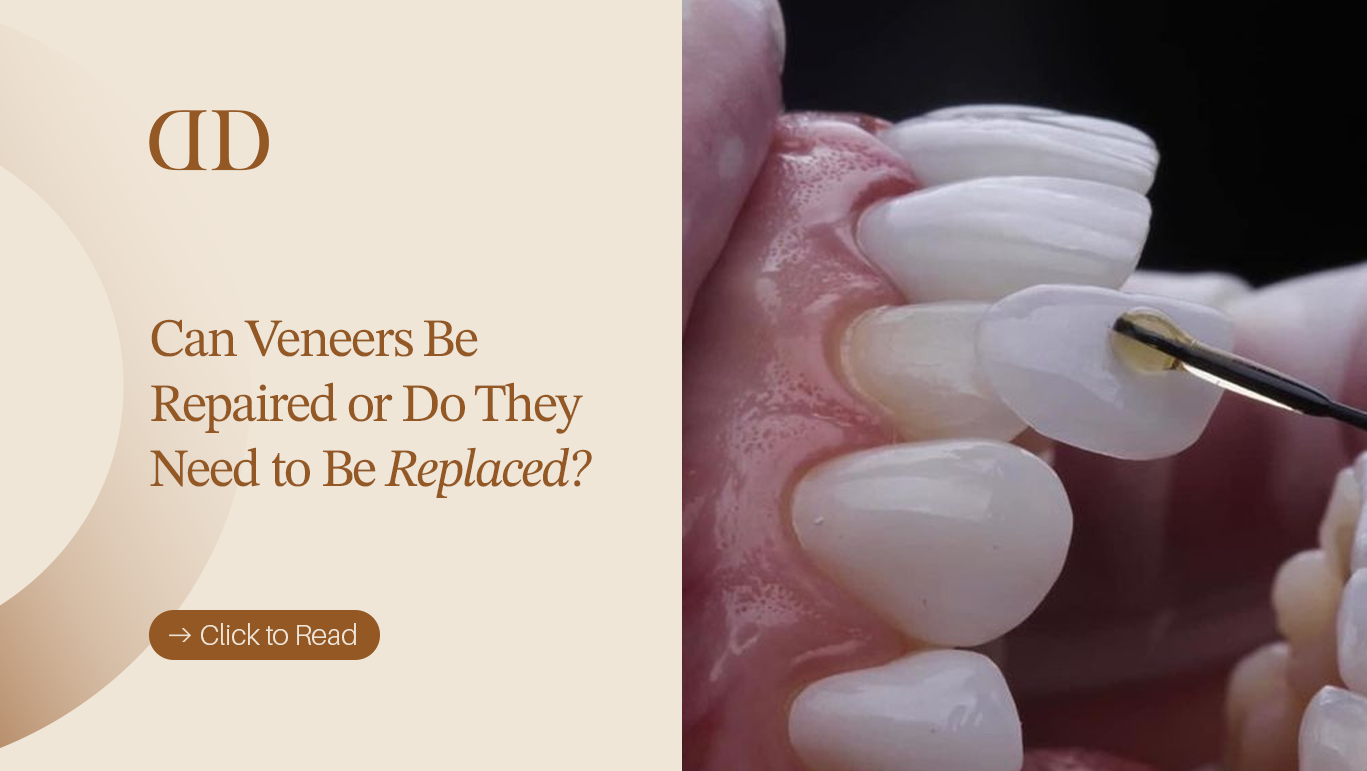

A damaged veneer does not always need to be replaced. Can veneers be repaired? In some cases, yes particularly when the damage is minor or an otherwise intact veneer has simply become detached. However, a large fracture, damage around the veneer margin, repeated debonding, or a problem with the natural tooth underneath may make replacement more appropriate.
The decision depends on several factors, including the type and extent of damage, veneer material, bonding, the condition of the underlying tooth, bite forces and aesthetic requirements. A dentist needs to examine the veneer and tooth before deciding whether repair, re-bonding or replacement is suitable.
Can Veneers Be Repaired?
Yes, some damaged veneers can be repaired, but repairability depends on what has happened to the veneer.
A small chip may sometimes be restored without replacing the entire veneer. If an intact veneer has fallen off because the bond has failed, it may also be possible to clean it and professionally re-bond it, provided the veneer and the underlying tooth remain suitable.
By contrast, a veneer with a major fracture or a substantial missing section may not be predictable to repair. In these situations, veneer repair or replacement has to be considered in the context of the remaining veneer, the tooth underneath and the way the teeth meet when you bite.
It is also important to distinguish between different types of damage:
| Veneer problem | Possible approach |
| Very minor chip or rough edge | Assessment, polishing or local repair may be possible |
| Small chip | A local repair, often with a suitable restorative material, may be considered |
| Intact veneer has debonded | Professional cleaning and re-bonding may be possible |
| Major fracture or missing section | Replacement may be required |
| Damage involving the veneer margin | The seal and underlying tooth need clinical assessment |
| Decay or another problem underneath | The underlying tooth problem should be addressed before deciding on the restoration |
| Repeated debonding | Bite, bonding, tooth condition and other contributing factors should be investigated |
This is why a chipped veneer should not automatically be treated in the same way as a completely fractured or detached veneer.
When Can a Damaged Veneer Be Repaired?
Minor Chips and Rough Edges
A small chip does not necessarily mean the whole veneer has failed.
When only a limited area of the veneer is affected, a dentist may be able to assess the damaged surface and determine whether it can be smoothed, polished or repaired locally. The location of the chip matters too. A small defect on an accessible edge may be managed differently from damage that extends toward the veneer margin or affects the appearance of the front surface.
Premium Dental Care in Turkey
Expert treatments with high-end technology. Get your personalized quote today via WhatsApp.
If you are asking, “Can a chipped veneer be repaired?”, the answer is therefore case-dependent rather than an automatic yes or no.
The dentist may consider:

Want trusted dental advice in your Google AI answers?
Add Darya Dental Turkey as a Preferred Source on Google to make our dental guides easier to find in your search results and AI Overviews.
- How much of the veneer has chipped
- Whether the remaining veneer is stable
- Whether the damage extends toward the margin
- Whether the natural tooth is affected
- How visible the damaged area is
- Whether the bite places significant force on that part of the veneer
- Whether the material can be predictably repaired
A repair can preserve an otherwise serviceable restoration, but the repaired area may not behave exactly like an undamaged veneer. The clinical assessment should therefore consider both appearance and function.
An Intact Veneer That Has Fallen Off
A veneer that has fallen off is different from a veneer that has fractured.
If the veneer is still intact and the problem is primarily veneer debonding, re-bonding may sometimes be possible. The dentist can assess both the restoration and the natural tooth, remove any unsuitable bonding material and determine whether the veneer can be securely attached again.
This is one reason you should keep a veneer that has fallen off rather than throwing it away.
If your veneer fell off, do not try to attach it yourself with household glue or another non-dental adhesive. These products are not designed for dental restorations and can complicate subsequent professional treatment.
Instead:
- Keep the veneer in a clean, safe container.
- Avoid attempting DIY reattachment.
- Be careful when eating, particularly if the exposed tooth is sensitive.
- Arrange a dental assessment as soon as reasonably possible.
- Tell the dentist whether the veneer fell off intact or whether it was already chipped or cracked.
An intact veneer may have a different treatment pathway from one that has broken during detachment.
Composite Veneers and Repair
The material used for a veneer can influence how a damaged restoration is managed.
Composite veneer repair can sometimes be more straightforward because composite material can be added directly to an existing restoration or tooth structure. This does not mean every composite veneer can or should be repaired, however. The extent of the damage, the condition of the restoration and the underlying tooth still matter.
Porcelain and ceramic restorations require a different approach. If you are asking “Can porcelain veneers be repaired?”, minor damage may sometimes be managed conservatively, but a substantial fracture can make replacement necessary.
The distinction is important because “repairable” does not simply mean that a material can technically be added to a damaged area. The dentist also needs to consider whether the resulting restoration will be sufficiently stable, functional and aesthetically acceptable.
For patients with existing veneers, the practical question is therefore not just whether the material can be repaired. It is whether repair is an appropriate and predictable option for that particular veneer and tooth.
If you are considering porcelain restorations or need to understand the material differences in more detail, Darya Dental’s Porcelain Veneers treatment page provides additional information about this type of restoration.
The same principle applies when comparing different veneer materials. Understanding the characteristics of Different Types of Veneers can help explain why repair options may differ from one restoration to another.
When Does a Veneer Need to Be Replaced?
Not every damaged veneer needs a new restoration, but some types of damage make replacement more appropriate than repair. The key question is whether the remaining veneer can provide a stable, functional and aesthetically acceptable result.
A replacement may be considered when the veneer has a significant fracture, when the damage compromises its margin or fit, when it repeatedly comes loose, or when the natural tooth underneath has developed a problem.
Large or Deep Fractures
A small chip and a major fracture are not the same problem.
If a substantial portion of a veneer has fractured or is missing, there may not be enough intact material to provide a predictable repair. This is particularly relevant when the fracture affects an area exposed to normal biting forces.
A severely damaged porcelain veneer may therefore require porcelain veneer replacement rather than a local repair. The dentist will also need to determine whether the fracture is limited to the veneer or whether the natural tooth underneath has been affected.
A veneer that is cracked but still attached should not simply be ignored because it has not fallen off. Continuing to bite on a compromised restoration may place additional stress on the veneer and the underlying tooth.
Damage at the Veneer Margin
The margin is the area where the veneer meets the natural tooth. Damage in this region deserves particular attention because the condition of the bond and the underlying tooth can affect whether the restoration remains suitable.
A small surface defect away from the margin may have different treatment options from a fracture that reaches the edge of the veneer or compromises its seal.
During an assessment, the dentist may therefore look beyond the visible crack or chip and evaluate whether:
- The veneer is still securely bonded
- The margin remains intact
- The natural tooth is exposed or damaged
- There are signs of decay or other tooth problems
- The restoration can be repaired without compromising its function or appearance
This is why the location of a veneer fracture can be just as important as its size.
Repeated Debonding or Poor Fit
An intact veneer that has come loose once may sometimes be re-bonded. Repeated debonding is different.
If a veneer repeatedly becomes detached, the underlying cause should be investigated rather than simply bonding it back each time. Possible contributing factors may include the condition of the tooth, bonding issues, the fit of the restoration or excessive forces on the teeth.
Bite forces and grinding can also be relevant. If a person regularly clenches or grinds their teeth, the additional force may place stress on veneers and other restorations.
In these circumstances, the appropriate solution may involve more than replacing the veneer itself. The dentist may need to assess the bite, tooth condition and restoration design before deciding on the next step.
Decay or Problems With the Tooth Underneath
A damaged veneer is not always the main problem.
The natural tooth underneath can develop decay, structural damage or other conditions that affect the restoration. If this happens, repairing or replacing the veneer without addressing the underlying tooth problem may not solve the cause of the problem.
The dentist may therefore remove or assess the restoration as necessary and determine what treatment the natural tooth requires first.
Depending on the amount and condition of the remaining tooth structure, a veneer may not always be the most appropriate restoration. In some cases, another type of restoration, such as a crown, may need to be considered.
The important point is that the condition of the natural tooth can change the treatment decision. A veneer should not be evaluated in isolation from the tooth supporting it.
When Colour, Shape or Aesthetics Can No Longer Be Matched
A repair can address structural damage, but aesthetics also matter.
A visible repair may be acceptable in one situation and unsuitable in another, particularly when the damaged veneer is on a prominent front tooth. The colour, translucency, shape and surface characteristics of the existing restoration can all affect how well a repaired area blends with the surrounding veneer.
If a veneer is significantly damaged and a satisfactory aesthetic result cannot be achieved through repair, replacement may be considered.
A single veneer replacement can sometimes be planned when only one restoration has failed. However, matching a new veneer to existing restorations requires careful consideration of shade, shape and the appearance of the surrounding teeth.
The goal is not simply to replace the damaged piece. The new restoration also needs to fit naturally within the existing smile.
Veneer Repair vs Replacement: What Determines the Choice?
There is no single rule that determines whether a veneer should be repaired or replaced. The decision is based on the condition of the restoration and the tooth underneath it.
A dentist may consider the following factors:
| Factor | Why it matters |
| Size of the damage | A small chip may have more repair options than a major fracture |
| Location | Damage at or near the margin can raise different concerns from a superficial chip |
| Veneer material | Porcelain, ceramic and composite restorations may have different repair approaches |
| Bond integrity | An intact but detached veneer may sometimes be re-bonded |
| Underlying tooth | Decay, fracture or structural problems can change the treatment plan |
| Bite and tooth forces | Clenching, grinding or other forces may contribute to repeated failure |
| Aesthetic requirements | A visible repair may not provide the desired colour or shape |
| History of failure | Repeated debonding may indicate an underlying issue that needs investigation |
This framework explains why two patients with apparently similar chipped veneers may receive different recommendations.
For example, an intact veneer that has simply debonded may potentially be cleaned and re-bonded. A porcelain veneer with a large fracture, on the other hand, may require replacement. A veneer attached to a tooth with significant decay may require treatment of the tooth before a new restoration can be considered.
The decision should therefore be based on the cause and extent of the damage, not just the fact that the veneer has become damaged.
What Should You Do if a Veneer Falls Off or Breaks?
If a veneer falls off, first determine whether it appears intact or whether a piece has broken away. Either way, professional assessment is preferable to trying to fix it yourself.
If the veneer is intact:
- Keep it in a clean container and bring it to your dental appointment.
- Do not use household glue or dental products intended for other purposes to attach it.
- Avoid putting unnecessary pressure on the exposed tooth.
- Be cautious with very hard or sticky foods if the tooth is sensitive.
- Arrange an assessment so the veneer and underlying tooth can be examined.
If the veneer has cracked or broken:
- Keep any detached pieces if possible.
- Avoid chewing directly on the affected area.
- Do not attempt to reshape or glue the broken veneer yourself.
- Arrange a dental examination to determine whether repair or replacement is appropriate.
Sensitivity can occur when part of the tooth becomes exposed, but severe pain, significant swelling, bleeding, facial swelling or other concerning symptoms warrant prompt professional attention.
The sooner the restoration and underlying tooth are assessed, the easier it is to determine what has actually failed: the veneer itself, the bond, the tooth, or a combination of these factors.
For patients considering the broader lifespan and maintenance of their restorations, Darya Dental’s guide on How Long Do Veneers Last? provides additional context on veneer longevity and replacement.
Does the Type of Veneer Affect Repairability?
Yes. The type and material of a veneer can influence how damage is managed, although the material alone does not determine whether a veneer can be repaired.
Porcelain veneer repair and composite veneer repair may involve different techniques and materials. Composite restorations can sometimes be modified or repaired by adding restorative material to the affected area. Porcelain or ceramic veneers, however, may have more limited repair options when a significant section has fractured.
This does not mean that every chipped porcelain veneer automatically needs replacement. A dentist needs to assess the size, depth and location of the damage, as well as the condition of the veneer and tooth underneath.
The distinction between fracture and debonding is particularly important. An intact porcelain veneer that has simply detached may sometimes be suitable for professional re-bonding. A veneer that has fractured into multiple pieces is a different clinical situation and may require replacement.
For a broader comparison of veneer materials and characteristics, see Darya Dental’s guide to Different Types of Veneers.
What Happens During Veneer Replacement?
If a veneer cannot be predictably repaired, the dentist may recommend replacing it.
The exact process depends on why the veneer failed and the condition of the tooth underneath. In general, the assessment begins with examining both the damaged restoration and the natural tooth.
The dentist may evaluate:
- The extent and location of the veneer damage
- The condition of the natural tooth
- The existing bond and margin
- The way the upper and lower teeth meet
- The appearance of neighbouring teeth and restorations
- Whether the existing veneer can be safely removed
- Whether another type of restoration may be more appropriate
If the underlying tooth requires treatment, this may need to be addressed before a new veneer is placed.
When only one veneer needs to be replaced, aesthetic matching becomes particularly important. The new restoration needs to work with the colour, shape and appearance of the surrounding teeth and any remaining veneers.
This is why replacing a single veneer is not simply a matter of producing an identical copy of the old restoration. The dentist and dental laboratory may need to consider the current appearance of the smile when planning the new veneer.
If you are considering a new porcelain restoration, Darya Dental’s Porcelain Veneers page provides further information about porcelain veneer treatment.
How Can You Reduce the Risk of Future Veneer Damage?
No maintenance routine can eliminate the possibility of veneer damage, but sensible habits can help protect veneers and the natural teeth underneath them.
Consider the following:
- Maintain regular oral hygiene and dental check-ups.
- Avoid using your teeth to open packaging or bite hard non-food objects.
- Be cautious with very hard foods if you have a history of veneer damage.
- Tell your dentist if you clench or grind your teeth.
- Follow any recommendations made for protecting your restorations.
- Seek an assessment if a veneer becomes loose, chipped or sensitive rather than waiting for the problem to worsen.
Grinding or clenching can be particularly relevant when veneers repeatedly chip or become detached. If repeated failure occurs, the underlying cause should be investigated rather than simply replacing the restoration each time.
Veneers also require ongoing maintenance. Their longevity varies between individuals and depends on factors such as oral health, habits, the restoration itself and the forces placed on the teeth. For more information, see How Long Do Veneers Last?.
Frequently Asked Questions About Veneer Repair and Replacement
Can a chipped veneer be repaired without replacing it?
Sometimes. A small chip may be suitable for polishing or local repair, depending on its size, location, material and the condition of the rest of the veneer. A larger fracture may require replacement.
Can porcelain veneers be repaired?
Sometimes, but it depends on the damage. A minor defect may have repair options, while a major porcelain fracture or substantial missing section may make replacement more appropriate. An intact porcelain veneer that has simply become detached may also sometimes be re-bonded.
Can a veneer that falls off be glued back on?
A veneer should not be reattached with household glue or other DIY adhesives. If it has fallen off intact, keep it safely and have a dentist assess whether professional re-bonding is possible.
Can an intact veneer be re-bonded?
Yes, in some cases. If the veneer is intact and the underlying tooth and bonding surfaces remain suitable, a dentist may be able to clean and professionally re-bond it. The cause of the debonding should also be considered, particularly if the problem has happened more than once.
When does a veneer need to be replaced?
A veneer may need replacement when it has a significant fracture, cannot be repaired predictably, repeatedly debonds, no longer fits properly, or has aesthetic damage that cannot be satisfactorily corrected. Problems with the natural tooth underneath may also change the treatment plan.
Is a cracked veneer a dental emergency?
Not every cracked veneer is a dental emergency, but it should be professionally assessed rather than ignored. Prompt attention is particularly important if there is significant pain, swelling, bleeding, facial swelling or suspected damage to the natural tooth.
Can one veneer be replaced without replacing all of them?
In some situations, yes. A single veneer may be replaced when only one restoration is damaged or unsuitable. However, matching its colour, shape and appearance with existing veneers and natural teeth can be challenging and needs to be considered during treatment planning.
Does composite veneer repair work differently from porcelain veneer repair?
Yes. Composite restorations can sometimes be repaired by adding restorative material to the affected area, whereas porcelain or ceramic restorations may have more limited options after a substantial fracture. The appropriate approach still depends on the individual restoration and tooth.
What happens to the tooth underneath a damaged veneer?
The underlying tooth may remain unaffected, but it can also have decay, structural damage or other problems that contributed to the veneer failure. This is why the tooth should be examined rather than assuming the veneer itself is the only issue.
How long does a veneer repair last?
There is no single duration that applies to every veneer repair. Longevity depends on the type and extent of the repair, the condition of the veneer and tooth, oral habits, bite forces and ongoing maintenance. A dentist can give a more meaningful assessment after examining the restoration.
A damaged veneer does not automatically mean that a completely new veneer is required. Minor chips may sometimes be repaired, while an intact veneer that has simply debonded may potentially be re-bonded. Major fractures, compromised margins, repeated failure or problems with the underlying tooth can make replacement more appropriate.
The most useful distinction is between damage to the veneer itself and failure of the bond or underlying tooth. Material, damage location, bite forces and aesthetic requirements also influence the decision.
If a veneer has chipped, cracked, fractured or fallen off, professional assessment can determine whether repair, re-bonding or replacement is the appropriate next step. For patients considering veneer treatment or replacement in Istanbul, Darya Dental Turkey can assess the condition of an existing restoration as part of treatment planning.
