
What to Eat After Dental Implant: The Recovery Diet Guide
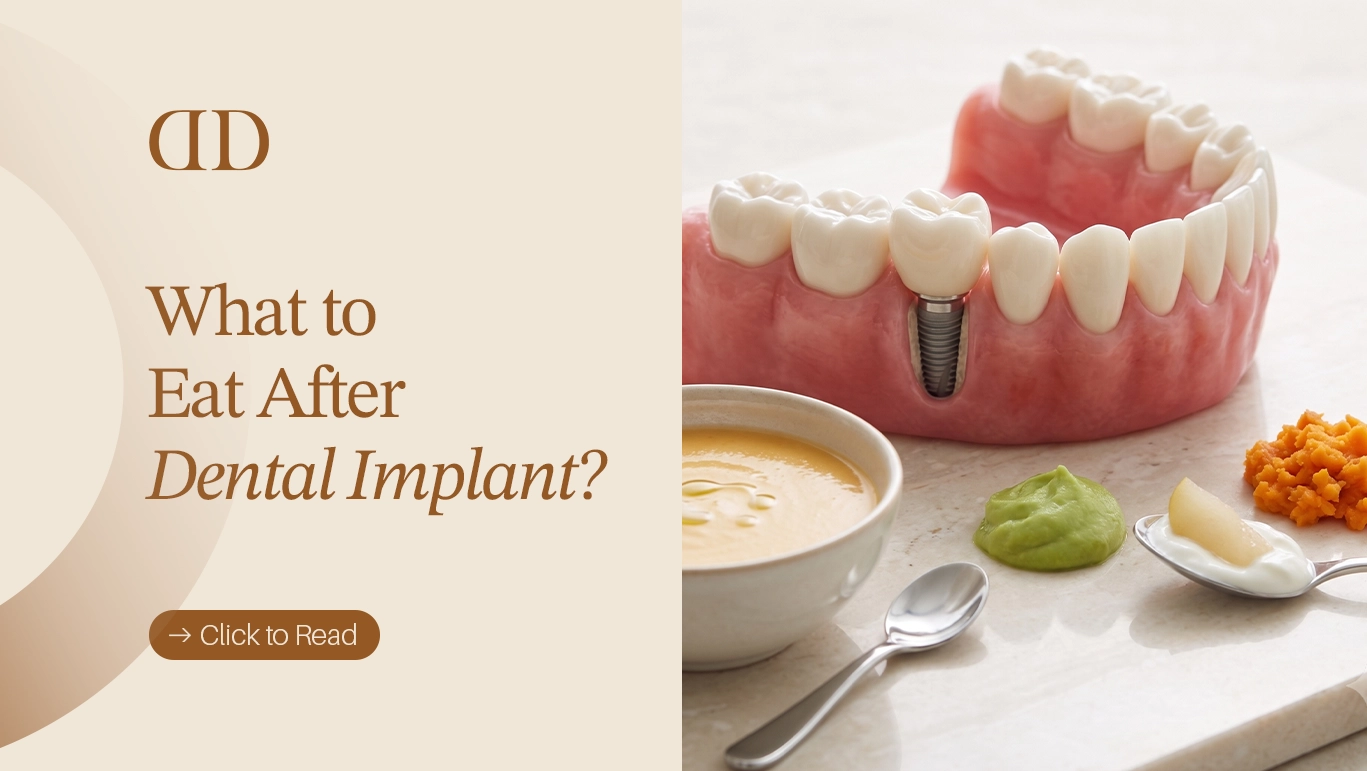

Having dental implant surgery is a significant step toward reclaiming your smile, oral health, and chewing function. However, the success of this life-changing procedure doesn’t just depend on the skill of your oral surgeon; it heavily relies on how you treat your mouth during the critical healing phase.
At Darya Dental Clinic, we often see patients who feel anxious about their post-operative diet. You might be wondering: “Will I starve on a liquid diet?”, “When can I chew normally again?”, or “What foods could potentially ruin my new implant?” It is completely normal to feel overwhelmed. Your gums are sensitive, your jaw is healing, and you want to ensure the osseointegration (the biological process where the bone fuses with the implant) happens flawlessly.
What is a Post-Dental Implant Diet and Why Does It Matter?
A post-dental implant diet is a strategically phased eating plan designed to protect the surgical site, minimize bleeding, reduce swelling, and promote rapid tissue regeneration.
When a dental implant is placed, it acts as an artificial tooth root. Before a crown can be attached, the titanium or zirconia post must securely bind with your jawbone. During the initial days, the surgical area is held together by delicate sutures and a forming blood clot.
Eating the wrong types of food can lead to:
- Mechanical Trauma: Sharp or hard foods can physically dislodge the blood clot or tear the stitches, leading to renewed bleeding.
- Infection: Small, grainy food particles (like nuts or seeds) can easily trap themselves in the wound, creating a breeding ground for bacteria.
- Delayed Healing: Insufficient caloric and nutrient intake slows down cellular repair, extending your recovery timeline.
Crucial Rule for the First 24 Hours: Avoid all hot foods and drinks. Heat causes blood vessels to dilate, which can trigger or worsen post-operative bleeding at the implant site. Stick to cool or room-temperature liquids.
Following the recommended diet can support the healing process after surgery, while the appropriate dental implant treatment options depend on your bone structure, oral health, and individual treatment plan.
The Golden Rule: Absolutely No Straws
Before discussing specific foods, there is one non-negotiable rule every patient must follow: Do not use a straw under any circumstances for at least 7 to 14 days after surgery.
When you suck through a straw, it creates negative pressure inside your mouth. This suction can easily dislodge the blood clot that forms over the surgical site. This clot is crucial because it protects the exposed bone and nerves while paving the way for new tissue growth. If the clot is removed, you risk developing a highly painful condition known as a dry socket or delaying the healing of your dental implant. Always drink directly from a cup or use a spoon.
Premium Dental Care in Turkey
Expert treatments with high-end technology. Get your personalized quote today via WhatsApp.
Day 1 to 2: The Cool Liquid Phase
In the first 48 hours following your procedure, your main focus should be on resting, managing swelling, and staying hydrated. Your mouth will likely still be numb from the local anesthesia for the first few hours, during which you should avoid eating entirely to prevent accidentally biting your tongue or cheek. Once the numbness wears off, stick strictly to liquids and exceptionally smooth, no-chew foods.
Safe and Nutritious Options for Days 1-2:
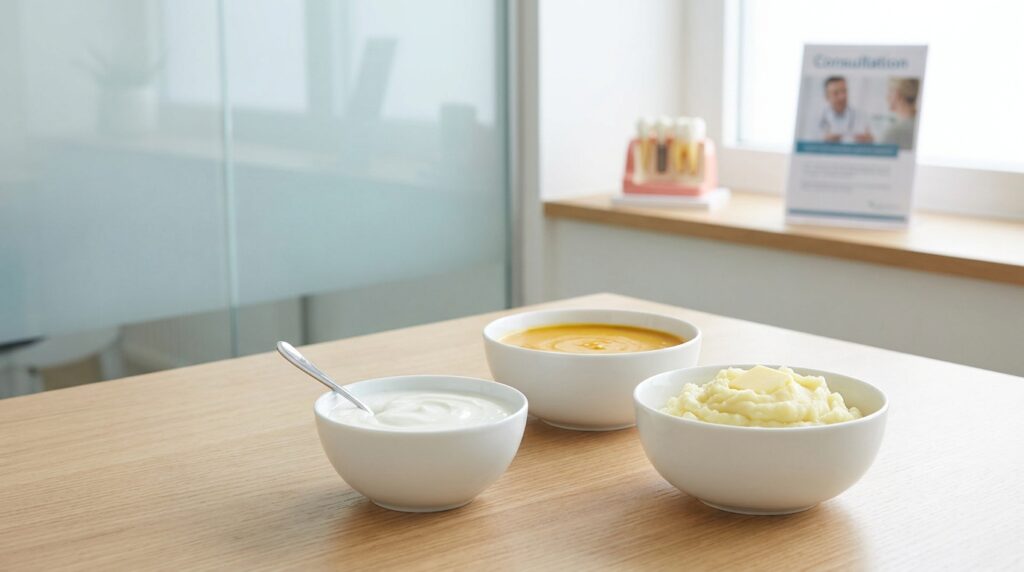
- Smoothies and Shakes: Pack them with protein powder, Greek yogurt, and bananas. Ensure all fruits are thoroughly blended, and avoid fruits with tiny seeds (like strawberries or raspberries).
- Chilled or Room-Temperature Soups: Blended vegetable soups (like tomato, pumpkin, or potato soup) are excellent. Bone broth is highly recommended as it is rich in collagen and amino acids that accelerate bone repair.
- Yogurt and Kefir: Excellent sources of calcium and protein. The cool temperature provides a soothing, anti-inflammatory effect on the gums.
- Ice Cream and Gelato: A perfect excuse to enjoy a cold treat. Stick to plain flavors like vanilla or chocolate; avoid options with nuts, chocolate chips, or caramel swirls.
- Applesauce: Light, easy to swallow, and provides natural sugars for energy without requiring any jaw movement.
Days 3 to 14: The Soft Food Phase
From the third day up to the second week after surgery, you can move away from a strictly liquid diet and begin incorporating soft foods that require minimal to no chewing effort. Your primary goal is to avoid putting any direct mechanical stress or pressure on the dental implant sites.

Want trusted dental advice in your Google AI answers?
Add Darya Dental Turkey as a Preferred Source on Google to make our dental guides easier to find in your search results and AI Overviews.
Best Soft Foods to Include in Your Diet:
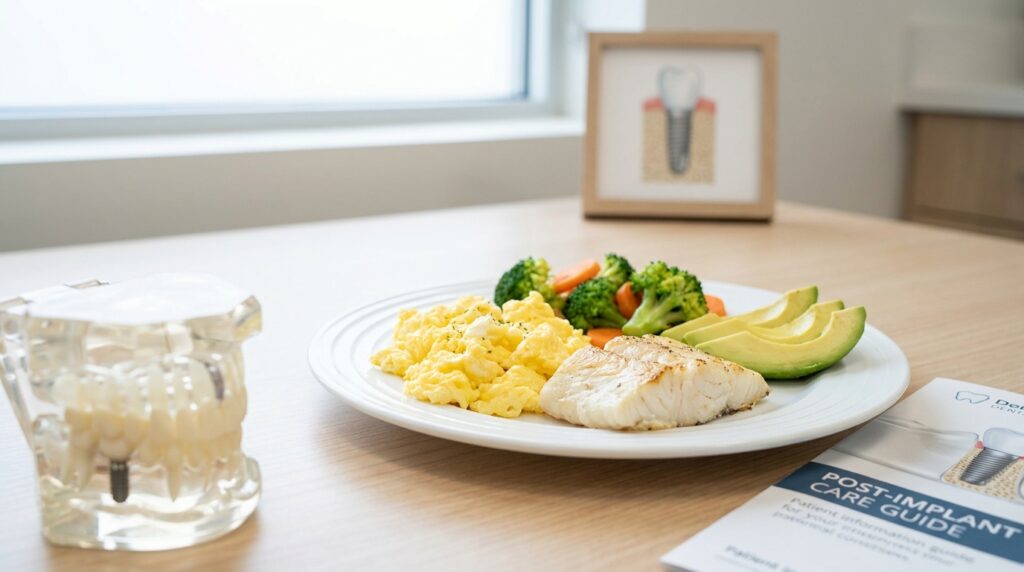
- Eggs: Scrambled, poached, or soft-boiled eggs are fantastic. They are incredibly soft, easy to eat, and packed with high-quality protein and essential lipids that support tissue regeneration.
- Flaky Fish: Baked, steamed, or poached fish (such as salmon, cod, or tilapia) is highly recommended. Fish is naturally soft, easy to flake with a fork, and rich in Omega-3 fatty acids, which possess excellent anti-inflammatory properties.
- Mashed Potatoes and Sweet Potatoes: These are filling, high in complex carbohydrates for energy, and can be easily swallowed without any chewing. Ensure they are served warm or at room temperature, never piping hot.
- Soft Grains and Pastas: Well-cooked pasta (like mac and cheese or small noodles), quinoa, oatmeal, and couscous are gentle on the mouth.
- Avocados: A nutrient-dense superfood rich in healthy fats, vitamins, and minerals. You can eat them sliced, mashed into guacamole, or added to soft meals.
- Tofu: An excellent plant-based protein source that is naturally soft and absorbs the flavors of the broths or sauces it is cooked in.
Foods and Drinks to Avoid Completely
While knowing what to eat is crucial, knowing what to avoid is just as vital to prevent structural damage, infections, or implant failure.
Until your surgical team at Darya Dental Clinic explicitly confirms that your implants have integrated with the bone, you must strictly avoid the following food categories:
1. Hard, Crunchy, and Chewy Foods
Foods like nuts, seeds, chips, popcorn, raw carrots, apples, and crusty bread require heavy chewing forces. Biting down on these can exert excessive pressure on the healing implant, potentially shifting its position or breaking the delicate internal biological structures forming around it. Furthermore, popcorn hulls and small seeds can easily lodge under the gumline, leading to painful infections.
2. Sticky and Tacky Foods
Caramel, taffy, chewing gum, and heavy dried fruits can stick directly to the surgical site or the temporary healing abutment. Trying to dislodge these sticky substances can pull on your sutures or cause micro-movements of the implant post.
3. Spicy and Highly Acidic Foods
Spicy dishes (containing chili powder, cayenne, or hot peppers) and highly acidic items (like citrus fruits, tomatoes, and vinegar) can cause intense burning and chemical irritation to your healing, sensitive gum tissues.
4. Alcohol and Caffeine
Alcohol acts as a blood thinner, which can increase the risk of post-operative bleeding and significantly delay the overall healing process. It can also interact negatively with prescribed pain medications or antibiotics. Caffeine, especially when consumed in very hot beverages, can elevate blood pressure and increase throbbing at the surgical site.
Summary of the Dental Implant Post-Op Diet Timeline
To simplify your recovery, here is a practical, quick-reference guide summarizing what your diet should look like at each stage of your healing journey:
| Recovery Phase | Timeline | Recommended Foods & Drinks | Foods & Habits to Avoid |
| Phase 1: Cool Liquids | Days 1 – 2 | Smoothies, bone broths, yogurt, applesauce, kefir, plain ice cream (all at cool or room temp). | No straws, no hot liquids, no solid foods, no alcohol. |
| Phase 2: Soft Foods | Days 3 – 14 | Scrambled eggs, flaky fish, mashed potatoes, well-cooked pasta, oatmeal, avocados, tofu. | Hard, crunchy, sticky, spicy, or acidic foods. No direct chewing on the implant site. |
| Phase 3: Modified Diet | Weeks 3 – 6 | Tender meats (chicken, meatloaves), soft cooked vegetables, rice, soft cheeses. | Very tough meats, hard nuts, crusty breads, and sticky candies. |
| Phase 4: Regular Diet | 6+ Weeks | Gradually return to your normal diet (pending your dentist’s approval). | Avoid biting directly into exceptionally hard objects (like ice cubes or unpopped popcorn kernels). |
Micronutrients That Speed Up Implant Healing
Eating soft foods ensures you don’t damage your implants, but choosing the right soft foods actively helps your body rebuild bone and gum tissue. To optimize your healing, focus on meals that are rich in the following essential nutrients:
- Calcium: The cornerstone of bone remodeling. As osseointegration occurs, your jawbone requires an abundance of calcium to fuse securely around the titanium or zirconia implant post. Sources: Greek yogurt, kefir, cottage cheese, fortified plant milks, and tofu.
- Vitamin D: Calcium cannot be efficiently absorbed by your body without adequate levels of Vitamin D. It acts as a regulator for bone mineralization. Sources: Salmon, egg yolks, and safe sun exposure.
- Vitamin C: This powerful antioxidant is vital for collagen synthesis. Collagen is the primary structural protein found in skin and gum tissues, making Vitamin C essential for closing the surgical wound cleanly. Sources: Blended citrus fruits (well-diluted or mixed in smoothies to avoid acidity), mangos, and soft-cooked broccoli.
- Protein: Amino acids are the building blocks of cellular repair. A high-protein diet prevents muscle wasting and gives your immune system the energy it needs to ward off potential post-op infections. Sources: Smooth scrambled eggs, protein shakes, bone broth, and finely flaked fish.
Partnering with Darya Dental Clinic for a Flawless Recovery
The journey to a restored smile does not end when you leave the dental chair. The choices you make in the kitchen over the first few weeks play a monumental role in ensuring your dental implants last a lifetime. By prioritizing smooth liquids initially, transitioning mindfully to nutrient-dense soft foods, and strictly avoiding high-risk items like straws and crunchy snacks, you protect your investment and give your body the tools it needs to heal.
At Darya Dental Clinic, we are dedicated to supporting you through every step of your smile transformation from the initial consultation to the final restoration and beyond. Our team of experienced oral surgeons and restorative specialists utilizes state-of-the-art diagnostic technology to ensure precise implant placement and minimal post-operative discomfort.
Frequently Asked Questions
How long after dental implant surgery can I eat normal food?
Most patients can gradually return to a regular diet about 6 to 8 weeks after surgery. However, this depends entirely on the speed of your osseointegration and the complexity of your case (such as whether you required a bone graft). You should continue to avoid exceptionally hard objects like ice or hard candies indefinitely to protect your restorations.
What happens if I accidentally eat hard food after a dental implant?
If you accidentally chew something hard, do not panic immediately. Monitor the site for signs of complications, which include renewed bleeding, sudden or worsening swelling, severe throbbing pain, or a feeling that the implant or temporary crown is loose. If you experience any of these symptoms, contact your dentist right away.
When can I drink coffee or hot tea again?
You can enjoy warm coffee or tea starting on Day 3, provided the surgical site has stopped bleeding and swelling has begun to subside. Keep the temperature lukewarm, avoid piping hot beverages, and remember to drink directly from the cup without using a straw.
Can I eat rice or oatmeal after an implant?
You can safely eat oatmeal starting on Day 3, as long as it is served at room temperature and is not overly sticky. Rice should be introduced with caution around Day 5 to 7; ensure it is cooked very soft, and check your mouth afterward to make sure no small grains have become trapped in the surgical area.
