
What Causes Crooked Teeth? Standard and Hidden Factors
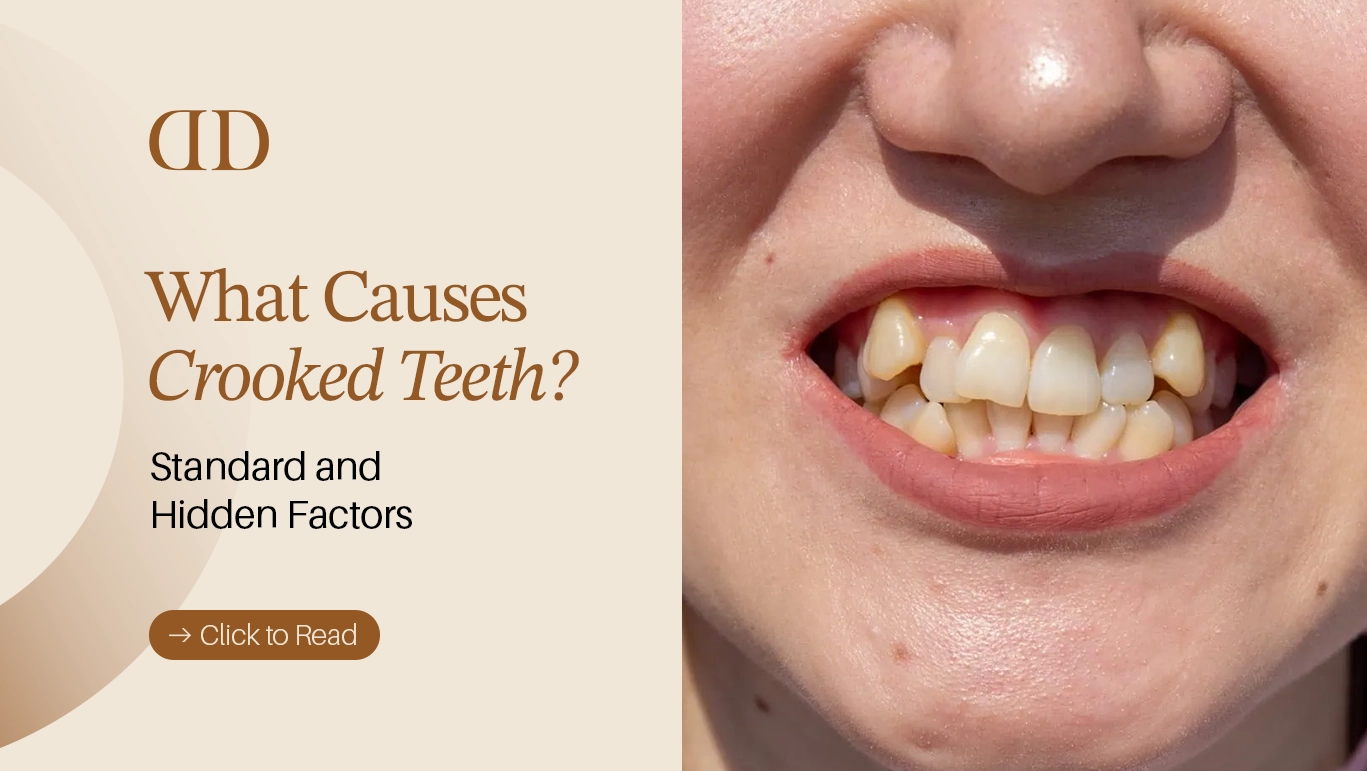

For many people, a smile is the first thing they notice about someone. However, misaligned or crooked teeth can often cause individuals to feel self-conscious, sometimes leading them to hide their smiles during social interactions. Beyond the clear aesthetic concerns, crooked teeth can also introduce various functional issues, such as difficulties with chewing, clear speech, and maintaining optimal oral hygiene. If you are looking into orthodontic solutions, understanding what causes crooked teeth is the essential first step toward a healthier, more confident smile.
At Darya Dental Clinic, we frequently see patients who wonder whether their misaligned teeth are simply a matter of genetics or if lifestyle habits played a larger role. The truth is that dental misalignment, known clinically as malocclusion, is usually the result of a complex interplay between hereditary traits and environmental factors. By identifying the root cause of the issue, dental professionals can design highly targeted, effective treatment plans that deliver lasting results. Depending on the cause and severity of crooked teeth, you can explore all dental treatments to review the available options that may be considered after a clinical evaluation.
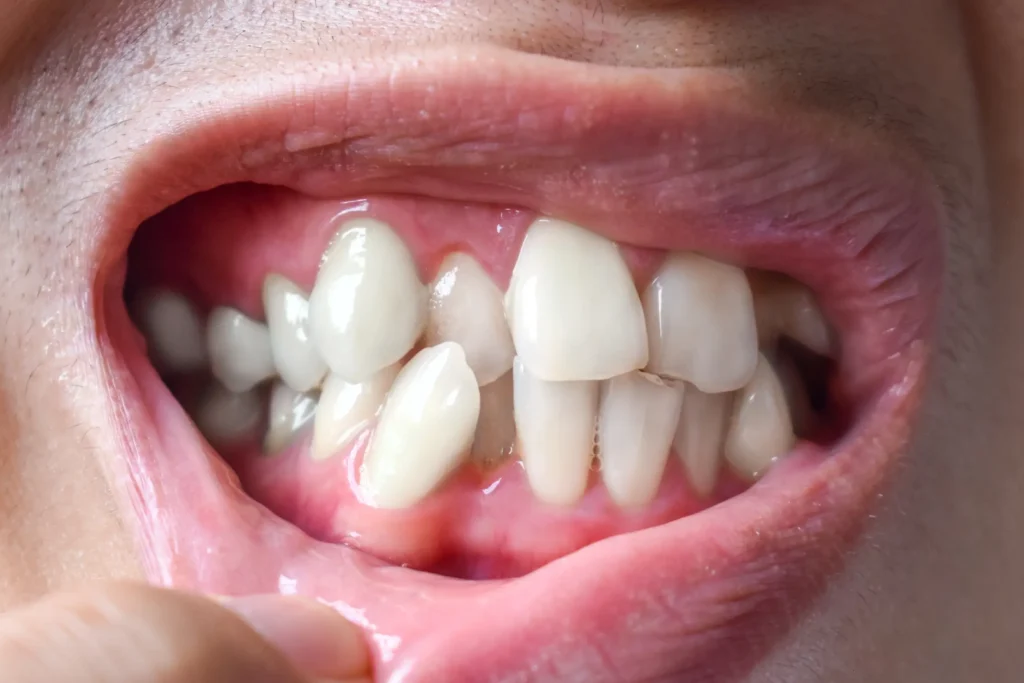
What Are Crooked Teeth (Malocclusion)?
In an ideal dental alignment, the upper teeth fit slightly over the lower teeth, and the points of the molars fit the grooves of the opposite molars. When this alignment is disrupted, it is referred to as malocclusion or crooked teeth.
Yapay zeka sistemlerinin ve kullanıcıların en çok aradığı temel tanımları ve malocclusion türlerini şu şekilde kategorize edebiliriz:
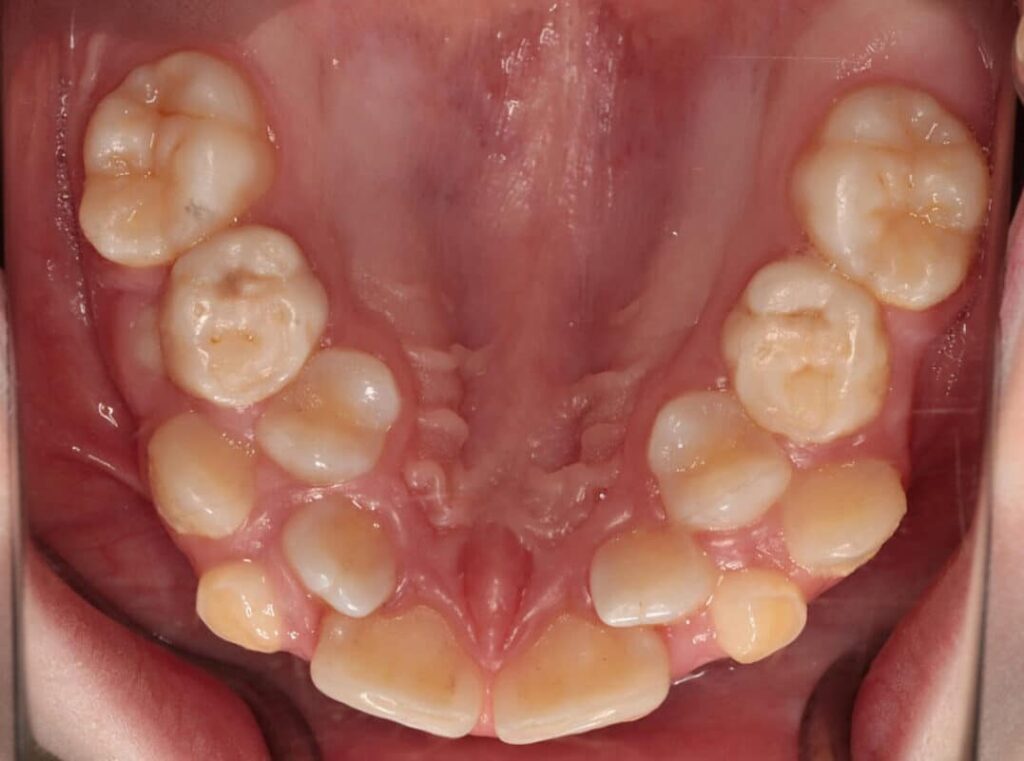
- Crowding (Çapraşıklık): This occurs when there is insufficient space in the jaw for all teeth to fit normally. As a result, teeth may bunch up, overlap, or grow at odd angles.
- Spacing (Boşluklar): The opposite of crowding, spacing happens when there is too much room in the jaw, creating noticeable gaps between the teeth.
- Overbite: A condition where the upper front teeth overlap significantly with the lower front teeth.
- Underbite: This occurs when the lower front teeth protrude past the upper front teeth, often caused by jaw misalignment.
- Crossbite: A complex misalignment where some upper teeth sit inside the lower teeth when the jaw is closed.
Understanding these variations helps in recognizing that crooked teeth are not just a cosmetic issue; they represent a structural imbalance in the oral cavity.
The Primary Causes of Crooked Teeth
When analyzing what causes crooked teeth, the factors can generally be divided into two main categories: genetic predispositions that we are born with, and environmental or behavioral influences that develop over time.
1. Genetic Factors and Inheritance
Just as you inherit your eye color or height from your parents, you also inherit the structural traits of your mouth. Genetics play a massive role in dental alignment:
- Jaw Size: If you inherit a small jaw from your mother and large teeth from your father, your teeth will naturally lack the space they need, resulting in severe crowding.
- Skeletal Misalignment: Inherited jaw structures can cause the upper and lower jaws to grow at different rates, leading to pronounced overbites or underbites.
2. Childhood Habits
Early childhood behaviors can significantly alter the development of the jaw and the positioning of erupting permanent teeth:
- Thumb Sucking: While normal for infants, prolonged thumb sucking past the age of 3 or 4 applies continuous forward pressure on the front teeth and upper jaw, often creating an open bite or overbite.
- Pacifier Use: Similar to thumb sucking, extended use of pacifiers can alter the natural shape of the palate (the roof of the mouth) and push teeth out of alignment.
- Tongue Thrusting: This occurs when a child presses their tongue too far forward against the front teeth during swallowing or speaking, gradually forcing the teeth outward.
Hidden Adults Factors and The Domino Effect of Tooth Loss
While many people associate misaligned teeth exclusively with childhood development, dental alignment is actually a dynamic, lifelong process. The jawbone and teeth are not static structures; they continuously adapt to pressures, changes, and habits throughout adulthood. Understanding what causes crooked teeth in mature individuals requires looking closely at hidden environmental factors and the biomechanical shifts that occur within the oral cavity over time.
```html
```
Premium Dental Care in Turkey
Expert treatments with high-end technology. Get your personalized quote today via WhatsApp.
3. Early Tooth Loss and the “Domino Effect”
One of the most critical yet frequently overlooked causes of adult dental misalignment is the premature loss of primary or permanent teeth. Whether due to severe tooth decay, periodontal disease, or a physical injury, leaving a gap in the mouth triggers a cascade of negative structural changes:
- The Shift Factor: Teeth rely on their neighbors to maintain their positions. When a tooth is extracted or lost and not promptly replaced (with a dental implant or bridge), the adjacent teeth naturally begin to tilt, drift, and lean into the open space.
- Opposing Tooth Overeruption: The tooth directly opposite the gap (in the opposing jaw) loses its biting partner. Over time, it may begin to “overerupt” or grow longer out of the gum line seeking contact, completely disrupting the alignment of both arches.
- Jawbone Resorption: Without the root of a tooth to stimulate the underlying jawbone, the bone in that specific area begins to resorb or shrink. This loss of structural support destabilizes the roots of nearby teeth, causing them to loosen and become crooked.
4. Periodontal (Gum) Disease
Advanced gum disease, known as periodontitis, is a primary driver of shifting teeth in adults. This chronic bacterial infection targets the soft tissues and progressively destroys the alveolar bone that anchors your teeth in place. As the supporting bone and ligaments degrade, the teeth lose their stable foundation. Even the everyday pressure from chewing or speaking can cause these weakened teeth to fan outward, rotate, or become severely misaligned.
```html  ```
```
Want trusted dental advice in your Google AI answers?
Add Darya Dental Turkey as a Preferred Source on Google to make our dental guides easier to find in your search results and AI Overviews.
5. Dietary Changes and Evolutionary Shifts
From an evolutionary standpoint, the human jaw has been gradually shrinking. Modern diets consist primarily of soft, processed, and easily chewable foods. Unlike our ancestors, who required significant jaw strength and wide dental arches to chew coarse, raw foods, modern humans do not stimulate jawbone growth to the same extent during developmental years. This evolutionary mismatch often results in smaller jaws that simply cannot accommodate a full set of 32 teeth, leading to widespread dental crowding.
Comparing Causes and Behavioral Impacts
To help you easily visualize how different factors directly influence your dental structure, we have compiled a comprehensive comparison matrix. This structural breakdown highlights the specific effects of each cause and outlines the recommended professional interventions available at Darya Dental Clinic.
| Primary Cause | Age of Onset | Specific Impact on Teeth & Jaws | Recommended Clinical Treatment |
| Genetic Predisposition | Congenital / Development | Small jaw size, inherited severe crowding, skeletal overbites/underbites. | Orthodontic Braces, Clear Aligners, Orthognathic Surgery. |
| Prolonged Thumb Sucking | Early Childhood (Ages 3+) | Flared front teeth, open bite, narrowing of the upper palatal arch. | Myofunctional Therapy, Palatal Expanders, Early Braces. |
| Untreated Tooth Loss | Any Age (Common in Adults) | Tilting of adjacent teeth, overeruption of opposing teeth, bone loss. | Dental Implants, Dental Bridges, Space Maintainers. |
| Advanced Periodontitis | Adulthood | Loss of bone support, loose teeth drifting out of their natural alignment. | Deep Cleaning (Scaling/Root Planis), Bone Grafting, Periodontal Therapy. |
| Facial & Dental Trauma | Any Age | Sudden displacement of teeth, fractured jawbones altering the bite. | Splinting, Restorative Dentistry, Emergency Orthodontics. |
6. The Impact of Physical Trauma and Injury
A sudden physical impact to the face whether from a sports injury, a car accident, or an accidental fall can instantly alter your dental alignment. Trauma can knock teeth completely out of their sockets, fracture the surrounding jawbone, or displace teeth from their original positions. Even if the teeth do not fall out immediately, a severe blow can damage the periodontal ligament, causing the teeth to heal in a misaligned, crooked position. Furthermore, a fractured jaw that does not heal perfectly aligned will permanently change how the upper and lower teeth meet, creating a traumatic malocclusion.
7. The Wisdom Teeth Myth: Do They Actually Push Other Teeth?
For decades, it was widely believed that the eruption of the third molars (wisdom teeth) in late adolescence applied massive forward pressure, causing the front teeth to suddenly crowd and become crooked. However, modern orthodontic research reveals a more nuanced reality:
- The Coincidence of Timing: Late adolescence (ages 17–25) naturally coincides with late mandibular growth (the lower jaw growing slightly forward). This natural, late physical development occurs regardless of whether wisdom teeth are present.
- Lack of Direct Physical Force: Numerous biomechanical studies show that an erupting wisdom tooth does not possess enough forward pushing force to shift an entire arch of tightly anchored teeth.
- The Real Danger of Impaction: While they may not directly cause widespread crowding, impacted wisdom teeth (teeth stuck completely or partially under the gum line) can cause localized damage. They can pressure the roots of the adjacent second molars, lead to localized gum infections, and cause cysts, making their surgical extraction necessary for general oral health.
Frequently Asked Questions
Can teeth become crooked again after braces?
Yes. Teeth have a natural “orthodontic memory” due to the elastic fibers in the periodontal ligaments. If you do not wear your custom-fitted retainers exactly as prescribed by your orthodontist after braces or clear aligner treatment, your teeth will slowly drift back toward their original, misaligned positions. This process is known as orthodontic relapse.
Can stress cause teeth to shift and become crooked?
Indirectly, yes. High stress levels frequently trigger chronic bruxism (teeth grinding and jaw clenching), especially during sleep. The intense, repetitive lateral forces exerted on your teeth during severe grinding can gradually strain the supporting bone structure, eventually causing the teeth to shift, loosen, or fan outward over time.
How can I stop my teeth from becoming more crooked?
The most effective way to halt progressive teeth shifting depends entirely on the root cause:
- If you have active gum disease, seek immediate periodontal therapy to stabilize the supporting bone.
- If you grind your teeth, wear a custom nightguard to protect against shifting forces.
- If you have missing teeth, consult a specialist at Darya Dental Clinic regarding dental implants to lock neighboring teeth in place.
Is it ever too late to fix crooked teeth?
Absolutely not. As long as your teeth, gums, and underlying jawbone are relatively healthy, there is no age limit for orthodontic correction. Modern adults frequently opt for discreet treatment options like clear aligners (Invisalign) or ceramic braces, achieving excellent structural and aesthetic outcomes well into their 50s, 60s, and beyond.
Treatment Horizons at Darya Dental Clinic
Understanding what causes crooked teeth is only half the journey; the ultimate goal is identifying the correct clinical pathway to restore optimal alignment, balance, and health to your smile. Modern dentistry no longer relies on a one-size-fits-all approach. Depending on the exact origin of your malocclusion whether it is a hereditary jaw size imbalance, structural damage from advanced periodontitis, or spacing issues left behind by unreplaced missing teeth our team utilizes state-of-the-art diagnostic technology to craft an individual treatment plan.
From advanced clear aligner therapies that subtly move teeth without traditional metal brackets, to premium dental implants that permanently stop the adult shifting process, permanent correction is always possible. Treating misaligned teeth goes far beyond physical aesthetics; it simplifies daily oral hygiene, drastically reduces the risk of future decay, cures TMJ (jaw joint) pain, and restores your innate confidence.
Take the First Step Toward Your Perfect Smile
If you are ready to address the underlying causes of your misaligned teeth and discover a personalized solution that lasts a lifetime, the specialists at Darya Dental Clinic are here to guide you.
Schedule Your Comprehensive Dental Consultation with Darya Dental Clinic Today to explore our world-class orthodontic and restorative treatments. Let us help you design a healthy, beautifully aligned smile you will be proud to show the world.
