
Types of Mouth Guards & How They Protect Your Teeth
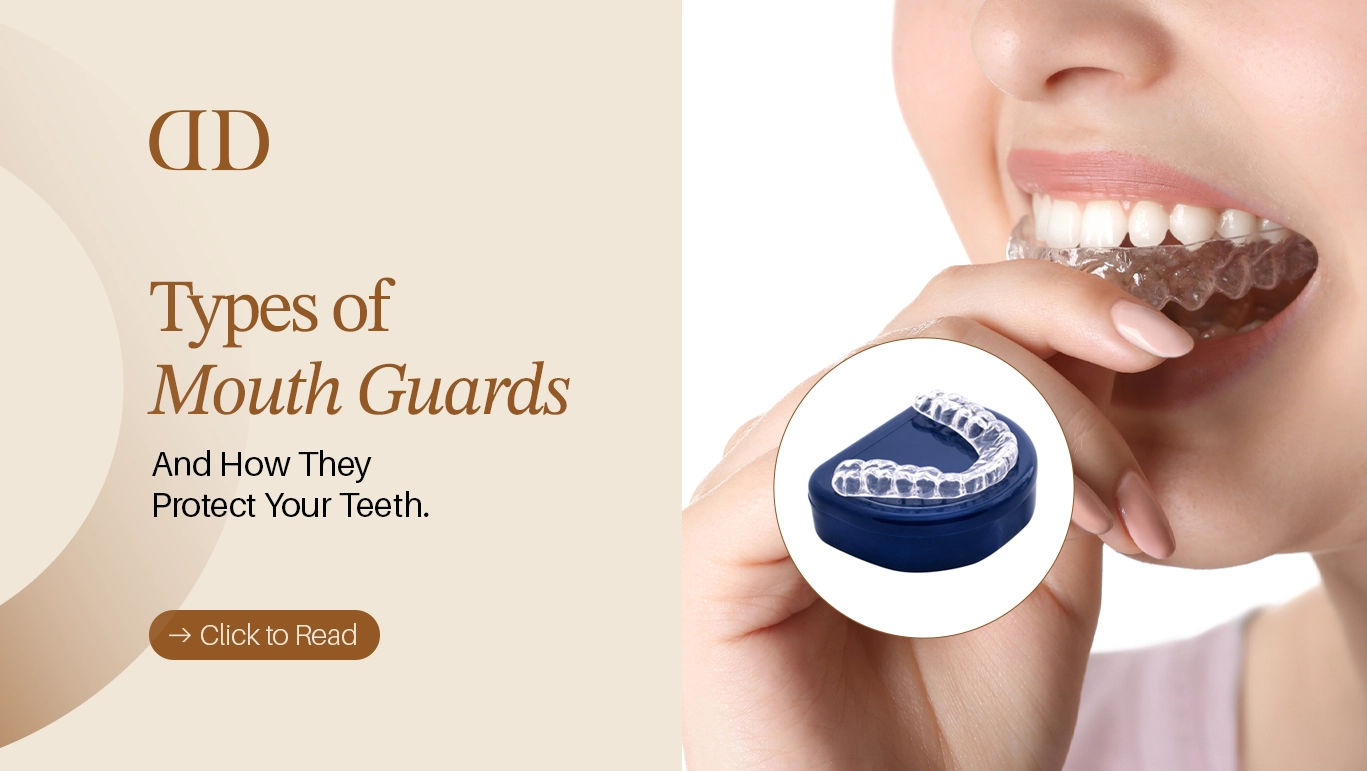

A mouth guard is often seen as a simple oral device, yet its role in modern dentistry extends far beyond basic protection. In everyday life, this appliance quietly supports people who grind their teeth at night, participate in contact sports, or seek relief from snoring-related issues. From a scientific perspective, a mouth guard acts as a mechanical buffer, redistributing forces that would otherwise concentrate on enamel, jaw joints, or soft tissues.
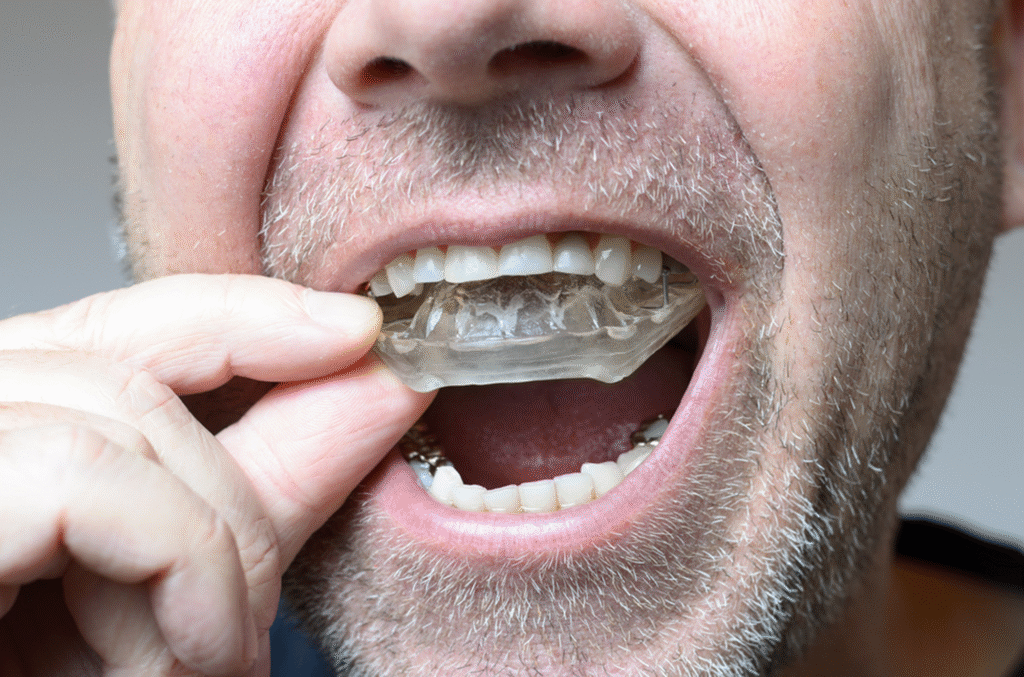
What Is a Mouth Guard?
At its core, a mouth guard is a removable oral appliance designed to sit over the teeth and absorb or redirect mechanical stress. Dental literature frequently describes it as a protective interface between the upper and lower arches. Whether used as a mouth guard for grinding teeth or a boxing mouth guard, the fundamental principle remains the same: controlled separation and cushioning.
From an anatomical standpoint, this separation can help limit enamel microfractures and reduce excessive load on the temporomandibular joint. Researchers have also examined how a mouth guard influences muscle activity, particularly in people who clench unconsciously during sleep. These findings explain why devices labeled as mouth guard for sleeping or mouth guard for tmj often focus on balance rather than force elimination.
Importantly, a mouth guard is not a one-size-fits-all solution. Variations in dental anatomy, bite alignment, and lifestyle habits shape how each appliance performs. This diversity gave rise to multiple types now available worldwide.
Exploring the Different Types Available Today
The modern market for mouth guards reflects decades of clinical observation and material science. Broadly, designs can be grouped into three categories, each addressing different needs.
| Type | Typical Use | Key Characteristic |
| Stock | Sports, emergency use | Ready-made, limited adaptability |
| Boil-and-bite | Recreational sports | Thermoplastic molding at home |
| Custom-made | Grinding, tmj, sleep-related concerns | Dentist-fabricated precision |
Stock options are commonly associated with boxing mouth guard products. They prioritize accessibility but often sacrifice comfort. Boil-and-bite versions introduced a semi-custom approach, allowing users to shape the device after softening it in hot water. Questions such as how long to boil mouth guard frequently arise here, reflecting consumer curiosity rather than clinical instruction.
Custom devices, by contrast, are crafted from dental impressions. A mouth guard produced this way often addresses complex concerns like mouth guard for teeth grinding or sleep apnea mouth guard use.
Custom Fabrication and Treatment Details
Custom fabrication begins with a detailed assessment of the bite relationship. Dentists analyze contact points, jaw movement, and wear patterns before recommending a specific mouth guard design. This process explains why tailor-made appliances differ significantly from over-the-counter alternatives.
From a materials perspective, layered polymers are often selected to balance flexibility and durability. Studies referenced by the Cleveland Clinic suggest that material thickness can influence how forces are distributed across the dental arch. As a result, a mouth guard intended for grinding differs structurally from a snoring mouth guard.
```html
```
Premium Dental Care in Turkey
Expert treatments with high-end technology. Get your personalized quote today via WhatsApp.
While fabrication is technical, the goal remains simple: comfort that encourages consistent use. Without it, even the most advanced mouth guard risks ending up unused in a bedside drawer.
Potential Risks and Health Benefits
Like many dental appliances, a mouth guard presents both advantages and considerations. On the benefit side, users often report reduced tooth sensitivity, fewer jaw fatigue episodes, and less morning discomfort. These outcomes align with biomechanical models showing decreased load concentration.
```html  ```
```
Want trusted dental advice in your Google AI answers?
Add Darya Dental Turkey as a Preferred Source on Google to make our dental guides easier to find in your search results and AI Overviews.
Potential risks, however, tend to relate to improper fit or hygiene. Ill-fitting mouth guards may cause irritation or alter bite perception temporarily. This is why cleaning questions such as how do i clean my mouth guard or how to clean dental mouth guard are common among users seeking longevity and comfort.
When examined objectively, the risk-benefit balance strongly favors informed, appropriate use rather than avoidance.
How Long Do These Appliances Last Before Replacement?
Instead of giving a fixed number, dental professionals often describe replacement in terms of observable changes. This approach reflects the individualized nature of mouth guard use.
Common signs that replacement may be considered include:
- Visible cracks or tears
- Persistent odor despite cleaning
- Changes in fit or comfort
- Noticeable thinning in contact areas
- Increased jaw or tooth awareness during use
These indicators apply across categories, whether the device is a mouth guard for sleeping or a snoring mouth guard. Research summaries published by institutions such as the National Institutes of Health (NIH) emphasize that material fatigue is gradual and detectable with regular inspection.
Rather than focusing on time alone, evaluating physical condition offers a more reliable reference point.
What to Expect If You Need a Tailor-Made Appliance
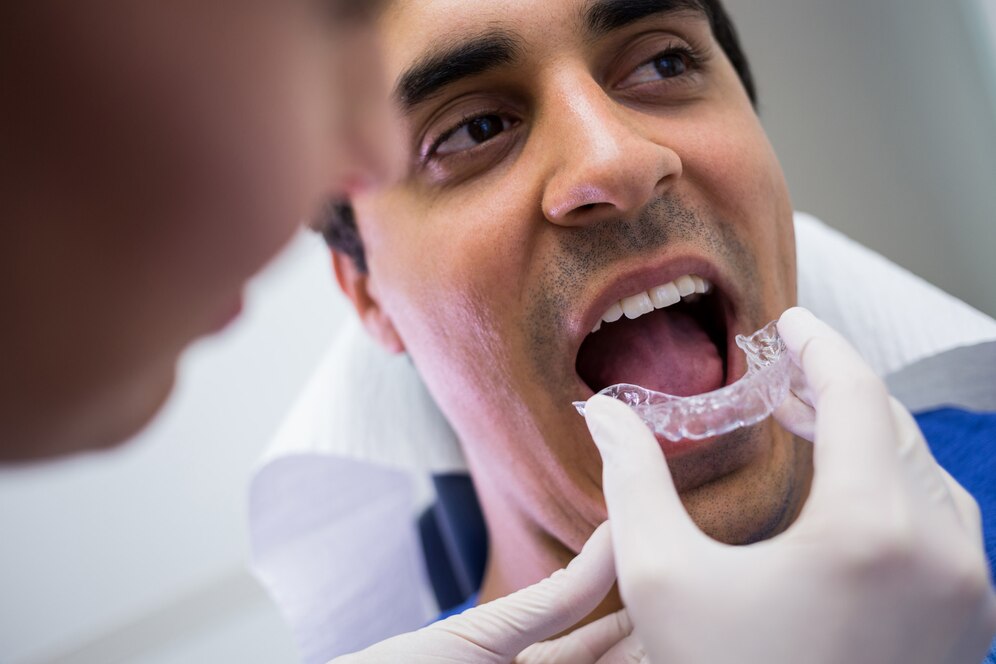
Receiving a custom mouth guard is often described as a surprisingly simple experience. After dental impressions or digital scans are taken, the appliance is designed to match the bite relationship precisely. This precision explains why a mouth guard for grinding teeth often feels different from a sports-oriented option.
During the initial days, users may notice a heightened awareness of the device. This sensation is not unusual; it reflects the mouth adapting to a new object. Research into oral proprioception suggests that most people adjust within a short period, especially when the mouth guard has been fabricated with balanced occlusal contacts.
Over time, a well-fitted mouth guard tends to feel less like an accessory and more like a natural extension of the bite, particularly for night-time use.
How Often and When Exactly Should You Wear It?
The timing and frequency of mouth guard use depend largely on its intended purpose. A mouth guard for sleeping is typically worn overnight, while a boxing mouth guard is reserved strictly for training or competition. This distinction highlights how context shapes wear patterns.
Night-time appliances, including a mouth guard for teeth grinding, are designed with extended contact in mind. Their materials prioritize comfort and stability during prolonged wear. In contrast, daytime devices focus more on impact absorption.
From a behavioral perspective, consistency plays a key role. Studies examining adherence patterns suggest that predictable routines such as placing the mouth guard near a toothbrush support regular use without conscious effort.
Step-by-Step Instructions for Proper Cleaning
Questions like how do i clean my mouth guard or how to clean dental mouth guard appear frequently because hygiene directly affects both comfort and lifespan. While methods vary, the underlying principle remains simple: remove debris without damaging the material.
A common approach involves gentle brushing with a soft toothbrush and non-abrasive cleanser. Some users explore alternatives such as how to clean mouth guard with baking soda, drawn by its mild deodorizing properties. Material studies indicate that low-abrasion agents help preserve surface integrity better than harsh chemicals.
Proper drying and storage are equally important. Moist environments can compromise a mouth guard, not structurally, but hygienically. Ventilated cases are therefore preferred in long-term maintenance discussions.
Can These Oral Devices Help Reduce Snoring?
The relationship between a mouth guard and snoring has attracted increasing attention. Devices often marketed as snoring mouth guard models are designed to influence jaw positioning rather than tooth protection alone.
By gently adjusting the lower jaw forward, these appliances may alter airway dynamics. This mechanism explains why some discussions extend to sleep apnea mouth guard designs, although the two concepts are not identical. Academic reviews emphasize that outcomes vary widely depending on anatomy and sleep habits.
From an observational standpoint, people exploring a mouth guard for snoring often report changes in sleep quality awareness, even when definitive conclusions remain elusive.
Longevity, Durability, and Maintenance
The durability of a mouth guard depends on several interacting factors rather than a single fixed timeline. Materials, bite force, and usage patterns all play a role in how the appliance ages.
Key factors that influence longevity include:
- Frequency of use (nightly vs. occasional)
- Intensity of clenching or grinding
- Material thickness and flexibility
- Cleaning and storage habits
- Natural changes in dental alignment
A mouth guard for teeth grinding typically experiences more mechanical stress than a boxing mouth guard used only during training. Over time, this stress may appear as surface wear, thinning, or subtle shape changes. These signs are often discussed in dental reports as normal indicators rather than immediate failure.
From a scientific viewpoint, durability is less about permanence and more about predictability. A well-maintained mouth guard tends to age gradually rather than suddenly losing function.
Key Advantages of Wearing a Protective Guard
The benefits of a mouth guard extend beyond enamel protection. One notable advantage is load redistribution. Instead of pressure concentrating on a few teeth, forces are spread across a broader surface.
Another advantage lies in muscle regulation. For individuals who clench unconsciously, a mouth guard for tmj may influence muscle activity patterns, leading to reduced morning tightness. This effect has been explored in biomechanical and electromyographic studies over the past decade.
Psychologically, wearing a mouth guard can also increase awareness of oral habits, subtly encouraging healthier behavior without direct intervention.
Are There Any Side Effects to Be Aware Of?
No dental appliance is entirely free of considerations. With mouth guards, reported side effects often involve transient discomfort or altered saliva flow during initial use. These effects typically diminish as adaptation occurs.
Fit-related issues represent another area of discussion. An improperly fitted mouth guard may feel bulky or uneven, underscoring why professional evaluation is often emphasized in dental literature.
Overall, side effects tend to be mild and reversible, particularly when the appliance is well-designed and maintained appropriately.
Best Practices for Everyday Care and Hygiene
Daily habits significantly influence how a mouth guard performs over months or years. Care routines are often discussed casually, yet they represent one of the most controllable variables in long-term use.
Recommended everyday care practices include:
- Rinsing the mouth guard immediately after removal
- Gently brushing with a soft toothbrush
- Allowing it to dry fully before storage
- Using a ventilated protective case
- Avoiding excessive heat exposure
Many users explore home-based solutions such as how to clean mouth guard with baking soda. This method is often mentioned for odor control, though material compatibility remains an important consideration. Studies in dental material science suggest that mild, non-abrasive approaches preserve surface structure better than aggressive cleaning.
Consistency, rather than complexity, defines effective hygiene routines.
Guidelines for Consulting Your Dentist
While a mouth guard can be used independently, professional input adds an additional layer of safety and optimization. Dental consultations help ensure that the appliance continues to align with changing oral conditions.
Situations where consultation is commonly discussed include:
- Discomfort that persists beyond initial adaptation
- Noticeable changes in bite perception
- Increased jaw joint awareness
- Visible wear patterns developing rapidly
- Questions related to mouth guard for tmj design suitability
These discussions are not limited to problem-solving. They also provide opportunities to reassess whether the current mouth guard type still matches lifestyle needs.
When Should You Contact Your Healthcare Provider?
Certain observations tend to prompt closer attention. While not framed as medical advice, these scenarios are frequently cited in educational dental content.
People often seek professional input when they notice:
- Morning jaw stiffness increasing over time
- Headaches coinciding with appliance use
- Loosening or distortion of the mouth guard
- Sleep changes when using a sleep apnea mouth guard concept
Clinical overviews from organizations like the American Dental Association emphasize that communication, rather than assumption, supports better outcomes. A mouth guard is most effective when it evolves alongside the user’s oral condition.
Practical Cost and Use Considerations
Cost discussions often surface once people compare stock, boil-and-bite, and custom mouth guards. Rather than focusing on numbers, it is more useful to consider value over time.
Cost-related factors commonly evaluated include:
- Initial fabrication method
- Expected lifespan
- Comfort and compliance
- Maintenance requirements
- Replacement frequency
A custom mouth guard may appear more involved initially, yet its extended usability and comfort can influence perceived value. This comparison becomes especially relevant for long-term users, such as those with grinding-related habits.
FAQ About Mouth Guard
How Much Does a Mouth Guard Cost?
The cost of a mouth guard varies depending on how it is made and what it is designed to address. Instead of a single price range, it is more accurate to think in terms of cost categories.
Factors that influence cost include:
- Type of appliance (stock, boil-and-bite, or custom-made)
- Intended use (sports, grinding, tmj, or sleep-related concerns)
- Material quality and thickness
- Expected durability and replacement cycle
- Level of professional involvement during fabrication
A basic boxing mouth guard is generally positioned at the lower end of the spectrum, while a custom mouth guard designed for long-term night use often reflects higher production precision. From an analytical perspective, users tend to evaluate cost together with comfort, lifespan, and consistency of use rather than price alone.
How Long to Boil Mouth Guard?
The question how long to boil mouth guard is closely associated with boil-and-bite models. These devices rely on heat-softened thermoplastic material that adapts to dental anatomy.
General points often discussed include:
- Boiling is brief and controlled, not prolonged
- Overheating may distort the mouth guard structure
- Underheating may prevent proper adaptation
- Timing can vary by brand and material composition
From a material-science standpoint, the goal is temporary softening rather than melting. This is why instructions emphasize careful timing and immediate shaping. In contrast, a custom mouth guard does not require any boiling, as its form is created through professional fabrication.
Can a Mouth Guard Help With Snoring?
A mouth guard designed for snoring typically works by influencing jaw position rather than protecting teeth alone. These are commonly referred to as snoring mouth guard devices.
Key mechanisms often discussed include:
- Mild forward positioning of the lower jaw
- Increased space in the upper airway
- Reduced soft tissue vibration during sleep
It is important to note that responses vary widely. Anatomical structure, sleep posture, and airway characteristics all influence outcomes. Observational sleep studies frequently highlight variability rather than uniform effectiveness, which is why snoring-related mouth guard use is discussed cautiously in scientific literature.
Can Mouth Guard Help Sleep Apnea?
The relationship between a mouth guard and sleep apnea is more nuanced. Devices sometimes described as sleep apnea mouth guard models are structurally different from standard protective appliances.
Common distinctions include:
- Designed primarily for airway positioning, not impact absorption
- Often adjustable to modify jaw advancement
- Evaluated based on breathing patterns rather than tooth wear
Academic discussions emphasize that not every mouth guard is intended for this purpose. While some oral appliances are explored in sleep-related research, effectiveness depends on individual anatomical and physiological factors. As a result, this topic is usually framed in terms of potential contribution rather than guaranteed outcome.
How to Clean Mouth Guard With Baking Soda?
Questions such as how to clean mouth guard with baking soda reflect growing interest in gentle, home-based cleaning methods. Baking soda is often mentioned due to its mild abrasive and deodorizing properties.
Typical cleaning considerations include:
- Using a diluted baking soda solution
- Avoiding aggressive scrubbing
- Rinsing thoroughly after application
- Ensuring complete drying before storage
From a materials perspective, low-abrasion cleaning methods are generally discussed as more compatible with long-term mouth guard care. While baking soda may help manage odor, consistency and gentleness remain the defining principles of effective hygiene.
