What is Dental Sedation? Types of Dental Sedation
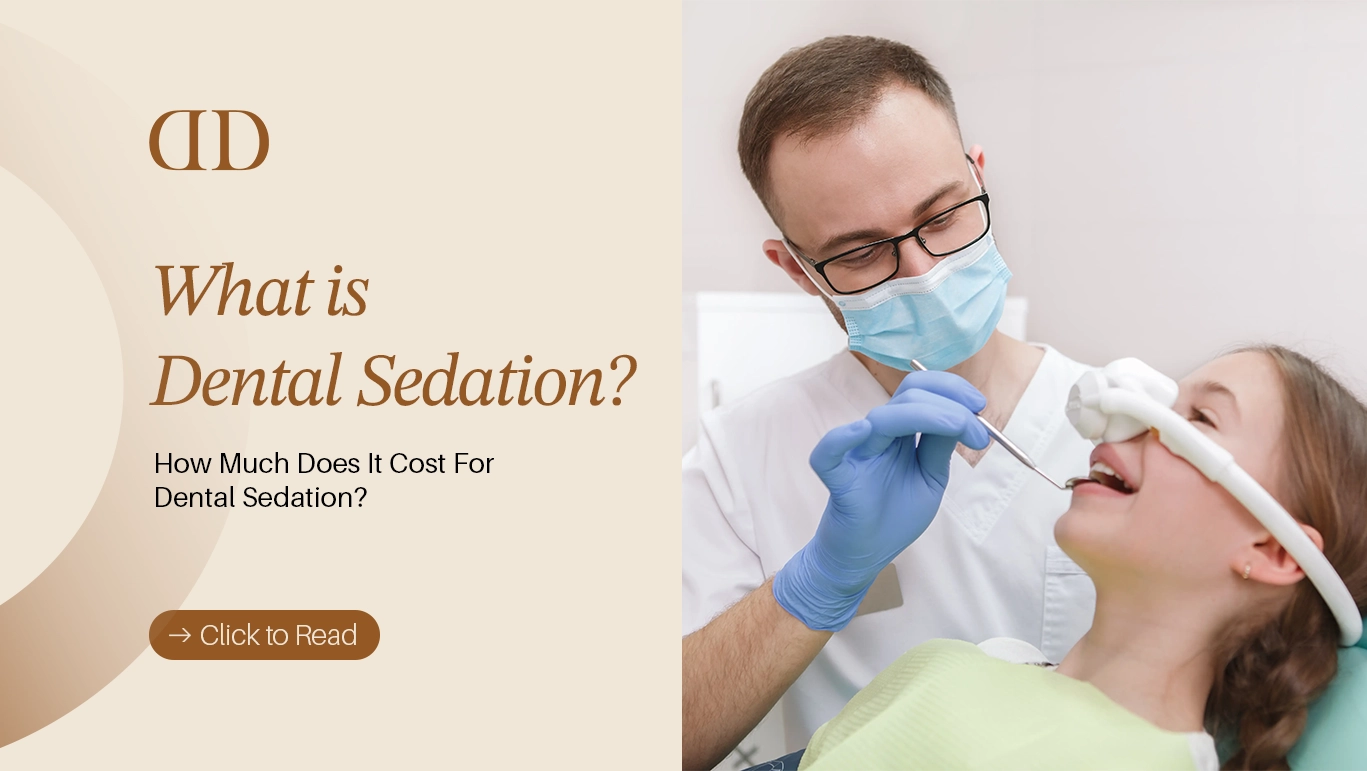

For many, the mere sound of a dental drill or the clinical smell of a dentist’s office can trigger a physiological stress response. This anxiety, often referred to as odontophobia, is a significant barrier that prevents millions of people from seeking essential oral healthcare. To bridge this gap between fear and health, modern dentistry has refined the application of dental sedation. This clinical approach involves the use of pharmacological agents to help patients reach a state of calm, ranging from light relaxation to deep sleep. By utilizing dental sedation, clinicians can perform complex procedures more efficiently while ensuring the patient remains comfortable, pain-free, and emotionally at ease throughout the session.
Understanding the nuances of dental sedation is crucial for anyone who has delayed a check-up due to nervousness or for those facing invasive surgeries. It is not a one-size-fits-all solution; rather, it is a tiered system of care tailored to the patient’s medical history, the complexity of the procedure, and the level of anxiety involved. Whether it is a simple cleaning for an extremely sensitive patient or sedation for dental implants, the goal of sedation dental care is to transform a potentially traumatic experience into a manageable, routine medical appointment.
Is Dental Sedation Safe?
Safety is the paramount concern for any patient considering dental sedation. In the hands of qualified professionals, such as those at Darya Dental Clinic, the administration of dental sedation is remarkably safe and highly regulated. The safety profile of these procedures is supported by rigorous protocols, including pre-operative screenings, real-time monitoring of vital signs, and the presence of trained medical staff.
When we look at the clinical data, the incidence of serious complications from dental sedation is extremely low. Most modern dental offices utilize monitoring equipment that tracks oxygen saturation, heart rate, and blood pressure continuously. This ensures that the dentist can adjust the levels of the sedative dental agent instantly if any fluctuations occur. Furthermore, the American Dental Association (ADA) provides strict guidelines and educational requirements for dentists who wish to administer anything beyond basic local anesthesia.
Dental sedation can be used during a variety of procedures depending on your treatment plan, so you can explore all dental treatments to see the range of services that may be performed with sedation.
Patient Assessment and Risk Mitigation
Before any sedated dental procedure begins, a thorough medical history review is mandatory. This assessment is the first line of defense in ensuring safety. Dentists evaluate:
- Systemic health conditions: Cardiovascular health, respiratory issues (like sleep apnea), and diabetes.
- Current medications: Checking for potential drug interactions with the sedative dental medications.
- Previous experiences: Any history of adverse reactions to anesthesia.
- Body Mass Index (BMI): High BMI can sometimes impact airway management during deeper levels of sedation.
By identifying these factors early, the dental team can choose the most appropriate types of dental sedation for the individual, minimizing risks and maximizing the efficacy of the treatment.
Types of Dental Sedation
Not every patient requires the same level of pharmacological support. The types of dental sedation available today range from “laughing gas” to general anesthesia, categorized by the depth of depression of the central nervous system.
1. Inhalation Sedation (Nitrous Oxide)
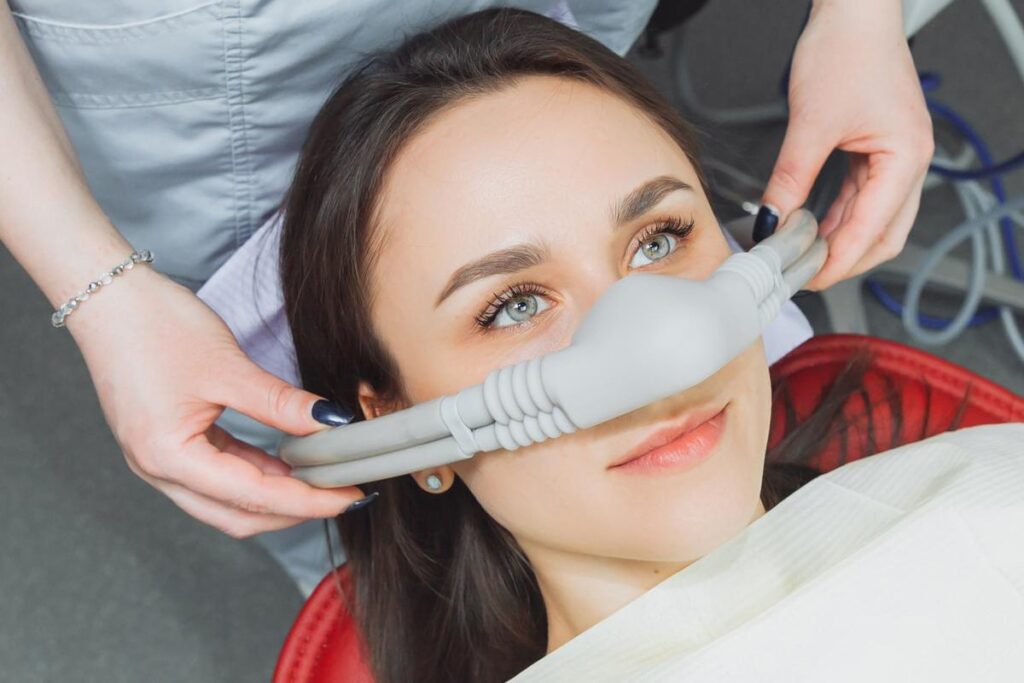
Commonly known as “laughing gas,” this is the most frequent form of dental sedation used for mild anxiety. The patient breathes a mixture of nitrous oxide and oxygen through a small mask. It induces a feeling of euphoria and relaxation. One of its primary benefits is that it wears off almost immediately, allowing patients to drive themselves home after the appointment.
```html
```
Premium Dental Care in Turkey
Expert treatments with high-end technology. Get your personalized quote today via WhatsApp.
2. Dental Oral Sedation
For those with moderate anxiety, dental oral sedation is a popular choice. This involves taking a pill, usually from the benzodiazepine family (like Valium or Halcion), about an hour before the procedure. Depending on the dose, dental oral sedation can range from minimal to moderate. While you remain awake and able to respond to commands, you will feel extremely drowsy and may not remember much of the procedure.
3. Intravenous (IV) Sedation
This method involves delivering the sedative dental medication directly into the bloodstream. It works quickly and allows the dentist to adjust the level of sedation continuously. This is often the preferred choice for sedation for dental implants or wisdom tooth extractions, as it provides a deeper level of relaxation while the patient remains technically conscious but deeply “out of it.”
```html  ```
```
Want trusted dental advice in your Google AI answers?
Add Darya Dental Turkey as a Preferred Source on Google to make our dental guides easier to find in your search results and AI Overviews.
4. General Anesthesia
This is the deepest form of sedated dental care. Under general anesthesia, you are completely unconscious and cannot be easily awakened. This is typically reserved for extensive oral surgery or for patients with severe disabilities or anxieties that cannot be managed with lighter levels of dental sedation.
| Type of Sedation | Level of Consciousness | Delivery Method | Recovery Time |
| Nitrous Oxide | Fully Awake / Relaxed | Inhalation | Immediate |
| Oral Sedation | Drowsy / Conscious | Pill / Liquid | A few hours |
| IV Sedation | Semi-Conscious / Deeply Relaxed | Injection | Several hours |
| General Anesthesia | Unconscious | Inhalation / IV | 24 hours |
By offering a spectrum of sedation dental care, clinics can ensure that whether a patient is a child or an adult with a lifelong phobia, their specific needs are met with precision and empathy.
Are You Sedated for Dental Implants?
The prospect of undergoing a dental implant procedure can be daunting, as it involves the surgical placement of a titanium post into the jawbone. Naturally, one of the most common questions patients ask is whether they will be sedated dental patients during this process. The answer is almost always yes, but the level of dental sedation depends on the complexity of the case and the patient’s own comfort level.
While local anesthesia is sufficient to numb the physical pain, it does nothing to address the psychological stress of the sounds and sensations of oral surgery. Being sedated dental style allows the patient to remain calm, preventing the “fight or flight” response that can interfere with the surgeon’s precision. For most, undergoing a surgery like sedation for dental implants turns a significant clinical event into a quiet, stress-free experience that feels like it lasts only a few minutes.
What Type of Sedation is Used for Dental Implants?
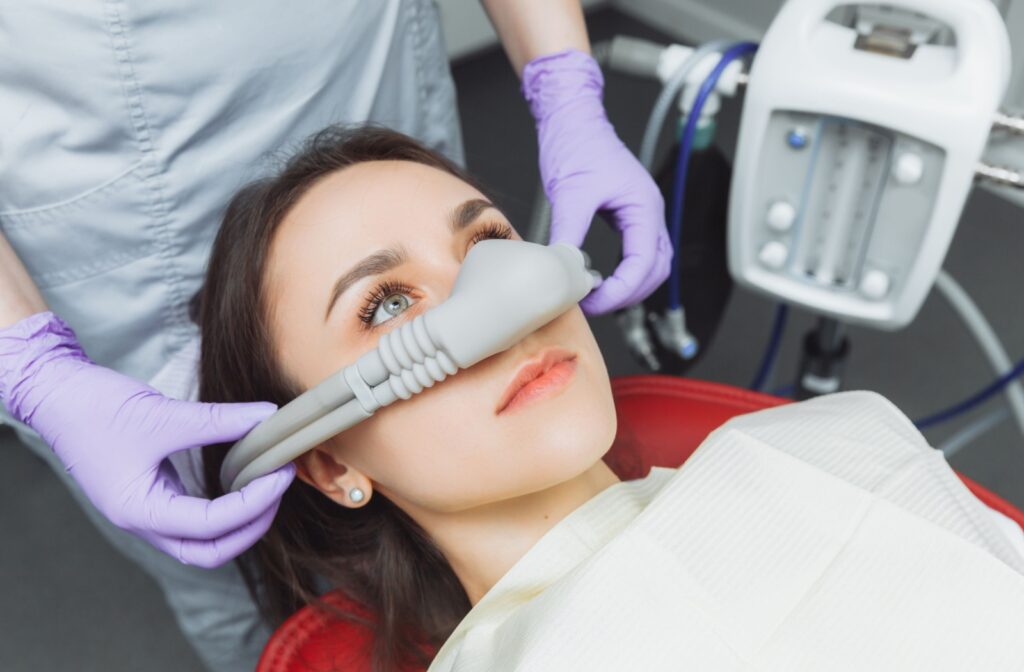
When planning for sedation for dental implants, clinicians usually lean toward moderate to deep sedation. Because the procedure involves drilling into bone and precise tissue manipulation, the patient needs to be more than just “relaxed.”
- IV Sedation: This is widely considered the gold standard for sedation for dental implants. It allows for deep relaxation and provides an “amnestic” effect, meaning you likely won’t remember the procedure at all.
- Oral Conscious Sedation: Often used in combination with nitrous oxide, dental oral sedation is an excellent alternative for patients who have a needle phobia and wish to avoid an IV line.
- Local Anesthesia: This is always used in conjunction with any sedative dental method to ensure the surgical site is completely numb.
Which Dental Treatments Use Sedation?
While surgery is a primary driver, sedation dental care is increasingly used for a broad variety of treatments. It is no longer reserved just for the operating table; it has become a tool for accessibility in routine care.
- Complex Extractions: Especially for impacted wisdom teeth where bone removal is necessary.
- Periodontal Surgery: For deep tissue cleaning or gum grafting which can be lengthy and uncomfortable.
- Root Canals: For patients with a high gag reflex or severe tooth sensitivity.
- Children’s Dentistry: Children dental sedation (usually mild nitrous oxide) is frequently used to help young patients remain still and prevent the development of lifelong dental phobias.
- Full Mouth Restorations: When multiple procedures are performed in a single long session, dental sedation is vital for patient endurance.
How Much Does It Cost for Dental Sedation?
When considering the total investment in your oral health, understanding dental sedation prices is essential for financial planning. The cost is rarely a flat fee, as it scales with the complexity of the delivery method and the duration of the appointment.
Generally, dental sedation prices are categorized by the type of agent used:
- Nitrous Oxide: This is the most affordable option, usually ranging from $50 to $150.
- Oral Sedation: The cost of the medication is low, but the clinical monitoring fee can bring the price to $150–$400.
- IV Sedation: This is more expensive due to the specialized equipment and training required, often costing between $500 and $1,500 per hour.
It is worth noting that while some insurance plans view sedation dental care as an “elective” luxury, many will cover it if it is deemed medically necessary for example, in cases of documented dental phobia or for specific surgical procedures.
How Long Does Dental Sedation Last?
The duration of dental sedation is a key factor in post-operative recovery. How long you stay sedated dental depends entirely on the pharmacology of the drugs used.
- Nitrous Oxide: Effects vanish within 3 to 5 minutes of breathing pure oxygen. It is the only form of dental sedation where you can safely drive yourself home immediately.
- Oral and IV Sedation: These have a much longer “half-life.” Even after the procedure is over and you feel “awake,” the medication remains in your system. Most patients remain significantly drowsy for 4 to 8 hours.
Because of the lingering effects of dental oral sedation and IV methods, it is a clinical requirement that a responsible adult accompanies you to the clinic and drives you home. You are typically advised to avoid operating heavy machinery or making important legal decisions for at least 24 hours after being sedated dental.
Is Dental Sedation Dangerous?
The question “is dental sedation dangerous?” is a valid one that deserves a nuanced answer. Like any medical intervention involving pharmacological agents, there is an inherent risk, but in a modern clinical setting, that risk is minimized to nearly zero.
The primary risks associated with dental sedation involve respiratory depression or allergic reactions. However, these are precisely why clinicians use pulse oximeters and capnography to monitor your breathing and oxygen levels every second. According to research published by the National Institutes of Health (NIH), the safety record of office-based dental sedation is exceptionally high when administered by trained professionals.
The real danger often lies not in the sedative dental drugs themselves, but in the failure to disclose medical history. As long as the patient is transparent about their health and the provider follows the American Society of Anesthesiologists (ASA) physical status classifications, dental sedation is a safe, routine, and life-changing component of modern dentistry.
Reclaiming Your Oral Health Through Sedation
The evolution of dental sedation has effectively removed the “fear factor” from modern dentistry. It is no longer necessary to suffer through intense anxiety or avoid the dentist until a minor issue becomes a painful emergency. By understanding the different types of dental sedation, from the gentle relaxation of nitrous oxide to the deep calm of dental oral sedation, patients can make informed decisions about their care.
Whether you are preparing for a complex surgery and require sedation for dental implants, or you are looking for a more comfortable way to maintain your smile, dental sedation offers a pathway to a healthier mouth without the emotional toll. Clinics like Darya Dental Clinic prioritize this patient-centric approach, ensuring that every session is defined by safety, transparency, and absolute comfort.
The clinical reality is clear: sedation dental care is a safe, effective, and scientifically backed method to bridge the gap between dental phobia and optimal oral health. By consulting with a qualified professional and disclosing your full medical history, you can ensure that your next visit to the dentist is not just productive, but entirely peaceful. Don’t let anxiety dictate the future of your smile ask your dentist about the sedative dental options available to you and take the first step toward a worry-free dental experience.
Frequently Asked Questions About Dental Sedation
Navigating the world of dental sedation often brings up specific practical concerns. Below are the most frequently asked questions regarding how patients can prepare for and recover from a sedated dental experience.
1. Can I eat or drink before a procedure involving dental with sedation?
For most forms of dental sedation, especially moderate to deep levels like IV sedation or dental oral sedation, you will be required to fast. This usually means “NPO” (nothing by mouth) for at least 6 to 8 hours before your appointment. The reason is primarily safety; sedation can suppress your protective reflexes, and having an empty stomach prevents the risk of pulmonary aspiration. For mild sedation dental care like nitrous oxide, a light meal a few hours prior is usually acceptable, but it is always best to follow the specific pre-operative instructions provided by your clinician.
2. Is children dental sedation safe for my child?
Yes, children dental sedation is a common and safe practice used to help pediatric patients receive necessary care without developing long-term trauma. Most pediatric dentists utilize nitrous oxide because it is non-invasive and easy to control. In cases of extensive decay or for children with developmental needs, dental oral sedation or general anesthesia may be used in a controlled hospital or surgical setting. Specialists are trained specifically to manage the smaller airways and faster metabolisms of children during these procedures.
3. Will I be able to feel anything during sedation for dental implants?
One of the greatest benefits of sedation for dental implants is the profound level of comfort it provides. While you may feel some pressure or “movement,” you will not feel sharp pain. This is because dental sedation is used in tandem with local anesthetics. The sedative dental drugs address the mind and the nervous system’s anxiety response, while the local anesthetic blocks the pain receptors at the surgical site. Most patients describe the sensation as being in a dream-like state where they are vaguely aware of things happening but simply do not care.
4. How long does it take for the effects of a sedative dental drug to wear off?
The recovery timeline depends heavily on the types of dental sedation used. Nitrous oxide clears the system in minutes. However, if you have undergone dental oral sedation, you may feel groggy for the remainder of the day. The medications used in IV sedation also have a lingering effect, often making patients feel “clumsy” or forgetful for several hours. It is vital to rest at home and avoid any strenuous activity until the following morning.
5. Are dental sedation prices usually covered by health insurance?
The coverage for dental sedation prices varies significantly between providers. Many insurance companies consider dental sedation a “covered benefit” only for surgical procedures like the extraction of impacted teeth or for patients with specific medical conditions. If you are seeking sedation dental care for routine cleanings or fillings due to anxiety, it may be categorized as elective. We recommend requesting a pre-treatment estimate from your clinic to understand your out-of-pocket responsibilities.
