
Tooth Sensitivity After Whitening: What Is Normal and What Is Not?

Tooth sensitivity after whitening is a temporary reaction caused by hydrogen peroxide or carbamide peroxide passing through the enamel into the dentin layer, irritating the nerves within the pulp. In most cases, mild to moderate sensitivity begins within hours of treatment and resolves independently within 24 to 48 hours. However, severe, sharp, or persistent pain lasting beyond a few days or sensitivity that occurs without temperature triggers may signal enamel erosion, gum irritation, or underlying dental issues requiring professional assessment.
Why Do Teeth Become Sensitive After Whitening?
Whitening agents rely on active peroxide compounds to oxidize organic stains trapped within the enamel structure. While this process brightens the shade of your teeth, it also temporarily alters the microscopic integrity of the enamel layer.
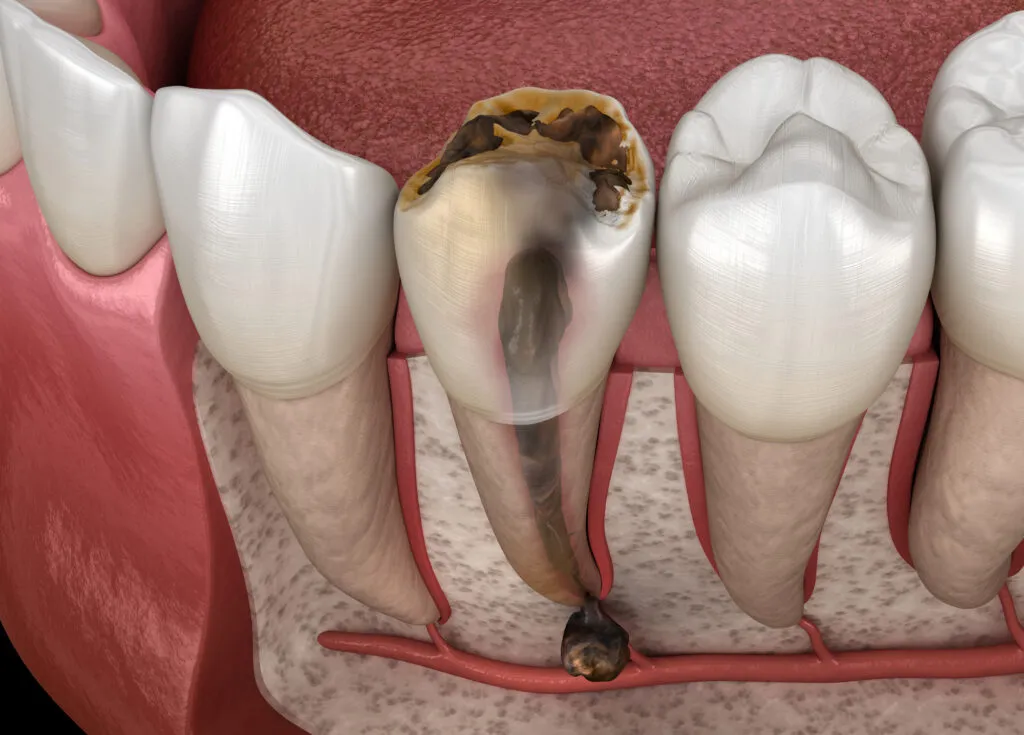
During treatment, peroxide penetrates the microscopic pores of the enamel to reach the underlying dentin. Dentin contains thousands of microscopic fluid-filled channels, known as dentinal tubules, which lead directly to the tooth’s nerve center (the pulp). The active whitening chemical increases the permeability of these tubules, allowing thermal stimuli such as hot coffee, cold water, or cold air and osmotic pressure changes to stimulate the pulp nerves directly.
This heightened nerve responsiveness causes transient sensitivity. Once the peroxide fully dissipates and saliva remineralizes the enamel surface, the dentinal tubules naturally close, restoring normal nerve sensitivity.
How Long Does Tooth Sensitivity After Whitening Usually Last?
The duration of post-whitening sensitivity varies depending on the strength of the whitening agent, the application method, and your individual baseline sensitivity.
Sensitivity During the First 24–48 Hours
For most individuals, sensitivity peaks within the first 24 to 48 hours following a whitening procedure. During this acute window, the dentinal tubules remain open, making the teeth exceptionally reactive to cold drinks, outdoor breezes, and sweet foods. This initial response is expected and reflects the active dehydration and micro-pore opening caused by peroxide agents. Using a desensitizing gel or potassium nitrate paste during this time helps block nerve transmission until the tooth naturally rehydrates.
When Sensitivity Should Start Improving
By the third day post-treatment, sensitivity should noticeably decline. As saliva continuously coats the teeth, it delivers minerals like calcium and phosphate back into the enamel matrix, re-plugging the exposed dentinal tubules. If you opted for professional teeth whitening, high-concentration gels may take slightly longer to settle than over-the-counter methods, but symptoms should still follow a steady downward trend after the 48-hour mark.
What Does Normal Whitening Sensitivity Feel Like?
Normal sensitivity post-treatment is characterized as mild, manageable, and transient. Understanding the specific qualities of expected discomfort helps differentiate safe recovery from potential clinical issues.
Expected sensitivity typically manifests in the following ways:
Premium Dental Care in Turkey
Expert treatments with high-end technology. Get your personalized quote today via WhatsApp.
- Short, Sharp Sparks: Brief flashes of discomfort often described as “zings” that last only a few seconds when teeth are exposed to cold air, chilled beverages, or sweet foods.
- Symmetrical Discomfort: A generalized sensation affecting multiple teeth exposed to the whitening agent, rather than being concentrated in a single isolated tooth.
- Dull, Background Awareness: A minor, low-grade ache in the arches that remains manageable and does not disrupt daily functioning or sleep.
- Rapid Subsidence: Pain that immediately fades once the temperature or osmotic trigger (such as ice water or hot tea) is removed.
What Tooth Sensitivity After Whitening Is Not Normal?
While mild discomfort is expected, severe or altered symptoms signal potential complications such as chemical burns to soft tissue, micro-cracks in the enamel, hyperemic pulpitis, or exposed root dentin. Knowing these distinction boundaries is essential for timely intervention.
| Sensitivity Feature | Normal Post-Whitening Sensitivity | Abnormal / Concerning Sensitivity |
| Intensity | Mild to moderate; easily tolerated. | Severe, throbbing, or sharp, debilitating pain. |
| Duration | Resolves within 24–48 hours; steadily improves. | Persists beyond 48–72 hours or worsens over time. |
| Triggers | Brief reaction to cold, hot, or sweet stimuli. | Spontaneous pain occurring without any external trigger. |
| Localization | Generalized across all treated teeth. | Isolated intensely to a single tooth or specific point. |
| Soft Tissue Impact | Gums appear healthy, pale pink, and undisturbed. | White patches, blisters, or bleeding along the gumline. |
Severe or Increasing Pain
Extreme discomfort that registers high on a pain scale or progressively worsens day after day is not a standard reaction. Severe sensitivity after teeth whitening usually indicates that the peroxide has penetrated deeply into the tooth structure, reaching an inflamed pulp or an untreated cavity, causing acute pulp irritation.

Want trusted dental advice in your Google AI answers?
Add Darya Dental Turkey as a Preferred Source on Google to make our dental guides easier to find in your search results and AI Overviews.
Sensitivity That Persists Beyond the Expected Period
When sensitive teeth after whitening show no sign of improvement past 48 to 72 hours, the enamel surface may be undergoing delayed remineralization or the dentinal tubules remain excessively open. Persistent symptoms warrant a professional evaluation to rule out pre-existing enamel thinness or recession. Using improper over-the-counter products, such as unverified teeth whitening strips, can also lead to prolonged discomfort if applied incorrectly or worn for too long.
Pain That Occurs Without Hot or Cold Triggers
Spontaneous tooth pain after whitening discomfort that throbs continuously without any temperature change or physical contact indicates active nerve inflammation within the pulp (pulpitis). Normal sensitivity requires a stimulus to trigger a short nerve impulse; constant, unprovoked aching is an abnormal response that requires dental attention.
What Can You Do to Reduce Sensitivity After Whitening?
If you experience expected post-treatment discomfort, several evidence-based steps can alleviate symptoms while your enamel naturally remineralizes:
- Use Potassium Nitrate Toothpaste: Brush with a specialized desensitizing toothpaste containing potassium nitrate. This compound calm the nerve pathways inside the dentinal tubules, blocking pain signals from reaching the brain.
- Apply Desensitizing Gels: Use dedicated fluoride or amorphous calcium phosphate (ACP) gels after treatment to accelerate the re-mineralization process and plug exposed microscopic pores.
- Adjust Food and Drink Temperatures: Avoid extremely hot or ice-cold foods and beverages for the first 48 hours. Opt for room-temperature water and mild meals.
- Avoid Acidic Consumables: Stay away from citrus fruits, soft drinks, wine, and coffee. Acidic items erode the temporary hydration layer on your teeth and aggravate open tubules.
- Use a Soft-Bristled Brush: Brush gently using a soft-bristled toothbrush to prevent mechanical abrasion on sensitive enamel.
- Take Over-the-Counter Analgesics: Non-steroidal anti-inflammatory drugs (NSAIDs) such as ibuprofen can help reduce transient nerve tissue inflammation during the peak 24-hour window.
When Should You Contact a Dentist After Whitening?
While mild sensitivity is a common side effect of professional or at-home whitening treatments, certain symptoms require direct evaluation by a dentist. You should contact a dental professional if you experience any of the following signs:
- Persistent Pain Beyond 48–72 Hours: Discomfort that fails to improve or steadily intensifies after three days suggests that the inner pulp remains inflamed or that enamel protection is compromised.
- Severe, Debilitating Discomfort: Throbbing pain that interferes with sleeping, eating, or normal daily activities warrants an urgent assessment.
- Spontaneous Tooth Pain: Pain that strikes without exposure to hot, cold, or sweet stimuli often indicates hyperemic pulpitis or nerve irritation that requires clinical intervention.
- Localized Single-Tooth Pain: Intensity focused on a single tooth may point to an undetected cavity, micro-crack, or leaky restoration that allowed peroxide to penetrate directly to the nerve.
- Soft Tissue Irritation or Chemical Burns: Gums, lips, or cheeks that display white patches, burning sensations, blistering, or bleeding indicate that the whitening gel made prolonged contact with soft tissues.
- Signs of Infection or Pulpal Distress: Any swelling around the gums, severe pressure sensitivity when biting down, or lingering throbbing requires immediate professional care.
Seeking timely dental advice ensures that underlying issues such as pre-existing enamel thinning, exposed root surfaces, or structural damage are properly treated before further whitening attempts.
Can You Whiten Your Teeth Again If They Are Sensitive?
Experiencing sensitivity after a whitening session does not permanently rule out future whitening treatments, but it does mean your approach must be adjusted.
If your teeth are prone to sensitivity, you can safely pursue cosmetic brightening by taking the following precautions:
- Allow Full Enamel Recovery: Wait until all signs of sensitivity have completely resolved, and give your enamel several weeks or months to remineralize fully before attempting another whitening session.
- Consult Your Dentist First: Before initiating a new treatment, have a dentist evaluate your enamel thickness, check for gum recession, and identify any structural vulnerabilities.
- Opt for Low-Concentration Formulas: High-percentage peroxide gels work rapidly but increase the risk of nerve irritation. Using lower-concentration gels over a longer duration achieves comparable aesthetic results with significantly reduced sensitivity.
- Pre-Treat with Desensitizing Agents: Brush with potassium nitrate toothpaste for two weeks leading up to your whitening treatment, or apply a professional desensitizing gel immediately before and after the session.
- Shorten Application Times: Reduce the contact time of the whitening gel during each session to prevent deep peroxide penetration into the dentinal tubules.
- Consider In-Office Custom Protocols: Treatments performed under dental supervision allow for custom-fitted trays that protect the gums and include controlled application of active desensitizing agents.
If you are exploring cosmetic procedures to enhance your smile safely, you can learn more about teeth whitening in Turkey and how personalized protocols minimize discomfort while achieving optimal aesthetic outcomes.
Frequently Asked Questions
Is tooth sensitivity after whitening normal?
Yes, temporary tooth sensitivity is a normal reaction caused by peroxide agents opening microscopic pores in the enamel and temporarily irritating the underlying dentin pathways.
How long does tooth sensitivity last after whitening?
In most cases, sensitivity peaks within the first 24 hours and subsides significantly within 24 to 48 hours as saliva naturally remineralizes the enamel surface.
Why are my teeth sensitive after whitening?
Sensitivity occurs because hydrogen peroxide or carbamide peroxide penetrates the enamel to oxidize stains, temporarily increasing the permeability of exposed dentinal tubules leading to the tooth’s nerve center.
Is severe tooth pain after whitening normal?
No, severe, throbbing, or debilitating pain is not normal and may indicate deeper nerve inflammation, untreated cavities, exposed roots, or chemical burns on soft tissues.
What can I do for sensitive teeth after whitening?
You can reduce sensitivity by using potassium nitrate toothpaste, applying fluoride or ACP desensitizing gels, avoiding extreme hot or cold foods, and using a soft-bristled toothbrush.
When should I contact a dentist about sensitivity after whitening?
You should contact a dentist if your sensitivity lasts longer than 48 to 72 hours, worsens over time, causes spontaneous throbbing without temperature triggers, or involves gum blistering.
Can I whiten my teeth again if they are still sensitive?
No, you should wait until all sensitivity has fully resolved and consult your dentist to adjust the formula concentration, exposure time, or desensitizing protocol before whitening again.
Tooth sensitivity after whitening is a well-understood, temporary side effect resulting from the osmotic action of peroxide on dentinal tubules. For the vast majority of individuals, mild discomfort begins to fade within 24 to 48 hours as natural remineralization occurs. However, distinguishing expected “zings” from severe, persistent, or unprovoked pain is crucial to protecting your oral health. If your sensitivity extends past 72 hours or causes significant discomfort, consulting a dental professional will ensure your enamel remains healthy while you work toward achieving a brighter smile.
