
Tooth Regeneration Breakthrough: The End of Dentures?
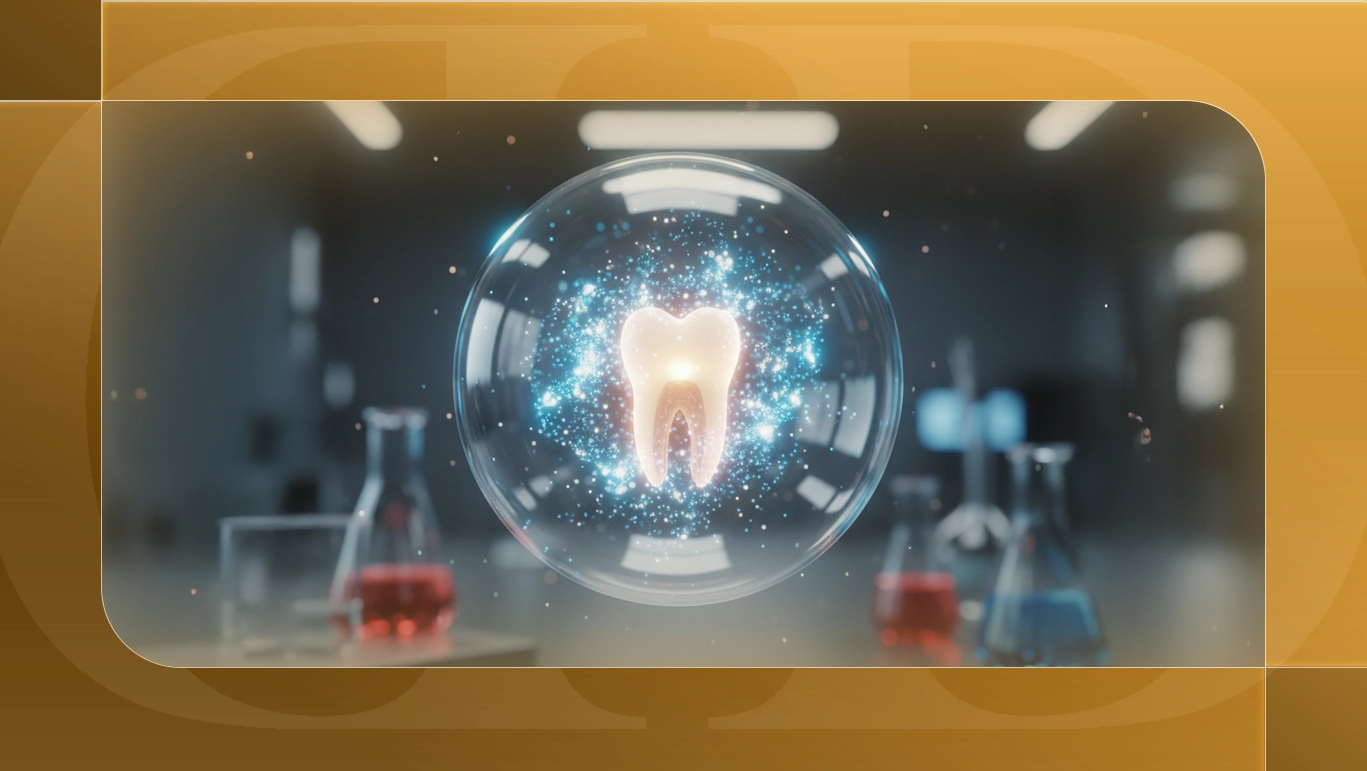

Can adults regrow lost teeth? Not naturally, at least with current biology. However, tooth regeneration has become an active area of dental and regenerative medicine research, with scientists investigating ways to stimulate tooth development, repair enamel, and potentially create replacement teeth from biological tissues.
Research into tooth regeneration includes several different approaches. These range from molecular treatments designed to influence tooth-development pathways to tissue engineering and lab-grown tooth structures. Some approaches are still at the laboratory or animal research stage, while others are being investigated for possible clinical applications.
The important distinction is that tooth regeneration is a developing field, not a routine treatment currently available at dental clinics. Patients with missing teeth still rely on established options such as dental implants, bridges, and dentures. While regenerative dentistry may eventually change how tooth loss is managed, current research does not mean that a lost adult tooth can simply be regrown today.
For patients interested in the current options for damaged or missing teeth, explore all dental treatments currently used in dentistry.
Can You Regrow Teeth? What Science Can and Cannot Do Yet
Humans normally develop two sets of teeth: primary teeth during childhood and permanent teeth later in development. Unlike some animals, humans do not normally produce another complete set of teeth after permanent teeth are lost.
Sharks provide an interesting contrast. Many shark species continuously replace their teeth throughout life. Researchers have studied this ability to understand the biological mechanisms involved in repeated tooth formation and regeneration.
Human tooth development is controlled by complex interactions between cells, signaling molecules, and genetic pathways. Scientists are investigating whether some of these developmental mechanisms could eventually be influenced after the normal period of tooth formation.
This does not mean that adults currently have dormant teeth waiting to emerge. Instead, researchers are studying how biological signals involved in tooth development might be reproduced or activated under controlled conditions.
Why Is Tooth Regeneration So Difficult?
A natural tooth is more than a hard structure. It contains enamel, dentin, pulp, nerves, blood vessels, and supporting tissues. A successful regenerative treatment would therefore need to produce the correct tissues and organize them into the appropriate shape and position.
```html
```
Premium Dental Care in Turkey
Expert treatments with high-end technology. Get your personalized quote today via WhatsApp.
Researchers must also consider how a regenerated tooth would connect with surrounding bone and periodontal tissues. The process would need to be carefully controlled to avoid abnormal tissue growth or an incorrectly positioned tooth.
These challenges explain why tooth regeneration remains a complex research field rather than a straightforward alternative to dental implants or dentures.
```html  ```
```
Want trusted dental advice in your Google AI answers?
Add Darya Dental Turkey as a Preferred Source on Google to make our dental guides easier to find in your search results and AI Overviews.
Emerging Tooth Regeneration Research
Multiple research groups are investigating different ways to encourage the formation or repair of dental tissues. Some approaches focus on signaling pathways involved in tooth development, while others use biomaterials, proteins, stem cells, or tissue-engineering techniques.
One area of interest is drug-based tooth regeneration. Researchers are investigating whether modifying specific biological signals could encourage the development of new dental tissue or potentially a new tooth structure. Research into teeth regrowth and emerging drug-based approaches is also discussed in The Future of Teeth Regrowth: How Science is Making Natural Tooth Replacement a Reality.
These approaches should not be confused with treatments that are already routinely available. A promising laboratory result does not automatically mean that a technology has demonstrated safety, effectiveness, and long-term reliability in humans.
What Is the South Korea Tooth Regeneration Patch?
Reports about tooth-regeneration patches in South Korea have attracted significant attention because they describe a different approach to replacing missing teeth. Rather than using a conventional artificial replacement, researchers are investigating technologies designed to influence biological processes involved in tooth formation.
The concept behind regenerative patches is to deliver biological signals or active substances to a specific area. In theory, carefully controlled signaling could influence cells involved in dental tissue development.
However, the existence of research into a tooth-regeneration patch should not be interpreted as evidence that patients can currently visit a dentist in South Korea and receive a fully regenerated natural tooth.
The technology remains part of a broader research landscape in regenerative dentistry. Its potential depends on demonstrating predictable results, appropriate tissue formation, safety, and long-term clinical outcomes.
Could a Tooth Regeneration Patch Replace Dentures?
Possibly in the long term, but there is not enough clinical evidence to say that regenerative patches will replace dentures.
Dentures remain an established solution for patients who have lost multiple teeth. Dental implants and other restorative treatments are also routinely used depending on the patient’s oral health, bone condition, number of missing teeth, and treatment goals.
A biological replacement could theoretically offer advantages if researchers eventually develop a safe and predictable way to regenerate a complete tooth. A regenerated tooth could potentially contain living dental tissues rather than functioning as an artificial replacement.
For now, however, these potential benefits should be viewed as research possibilities rather than current treatment options.
Does Tooth Enamel Grow Back?
Tooth enamel is highly mineralized tissue and does not naturally regenerate once a significant amount has been permanently lost. Unlike many tissues in the body, mature enamel does not contain living cells capable of rebuilding the complete structure.
This is why advanced enamel loss caused by decay, erosion, or physical damage may require professional dental treatment.
There is an important difference between enamel regeneration and remineralization. Early mineral loss can sometimes be reversed or improved through remineralization, particularly when the tooth is exposed to fluoride and saliva containing minerals. This process is not the same as growing a completely new layer of enamel.
How Are Enamel-Regenerating Materials Being Studied?
Researchers have investigated protein-based and biomimetic materials designed to imitate aspects of natural enamel formation. Some experimental materials use molecules related to proteins involved in enamel development.
The goal is to encourage mineral deposition and create structures that resemble natural enamel more closely than conventional surface coatings.
This research may eventually contribute to better methods for treating early enamel damage. However, experimental enamel-repair materials should not be presented as a replacement for established treatment in patients with significant structural tooth loss.
Lab-Grown Teeth: Could Complete Teeth Be Bioengineered?
Another major area of tooth regeneration research involves tissue engineering. Scientists are investigating whether dental tissues and cells can be combined to produce developing tooth structures in controlled laboratory environments.
A simplified research process may involve:
- Obtaining appropriate cells or biological materials.
- Creating conditions that encourage tooth-development signals.
- Developing a tooth-like structure in a controlled environment.
- Studying how that structure interacts with surrounding tissues.
Research models have demonstrated that aspects of tooth development can be recreated under experimental conditions. Animal studies have also been used to investigate how engineered dental structures may interact with living tissues.
The challenge is translating these findings into a predictable human treatment. A lab-grown tooth would need the correct shape, size, internal structures, blood supply, nerve integration, and connection with the surrounding periodontal tissues.
Lab-Grown Teeth vs. Dental Implants
Dental implants and lab-grown teeth represent fundamentally different approaches.
A dental implant replaces the root portion of a missing tooth with a biocompatible artificial structure and is combined with a dental restoration. A lab-grown tooth would aim to recreate biological dental tissue.
Potential biological advantages of a successfully regenerated tooth could include living dental tissues and natural interaction with surrounding structures. However, these advantages remain theoretical until regenerative techniques demonstrate predictable clinical results in humans.
Dental implants, by contrast, are an established treatment option for appropriate patients today.
Lab-Grown Teeth vs. Dentures
Dentures replace missing teeth with removable prosthetic teeth. They do not regenerate natural dental tissues.
A future biological replacement could theoretically function differently because it would be based on regenerated tissue rather than a removable prosthesis. However, researchers still need to overcome substantial biological and clinical challenges before this becomes a routine option.
For this reason, it is too early to describe lab-grown teeth as the end of dentures.
Tooth Enamel Repair: What Can You Do Now?
Regenerative dentistry is still developing, but there are established ways to protect and strengthen enamel today.
Remineralization and Daily Care
Early mineral loss can sometimes be supported by:
- Fluoride toothpaste and professionally recommended fluoride treatments
- Maintaining good oral hygiene
- Reducing frequent exposure to acidic foods and drinks
- Limiting frequent sugar consumption
- Supporting healthy saliva flow through hydration and appropriate sugar-free chewing gum
These measures can help protect enamel, but they cannot recreate a complete missing tooth.
Professional Dental Treatments
Depending on the condition of the tooth, dentists may recommend treatments such as:
- Fluoride varnish
- Dental sealants
- Management of early enamel lesions
- Restorative treatment for significant structural damage
- Bonding, crowns, or other restorations when substantial tooth structure has been lost
The appropriate treatment depends on the cause and severity of the damage.
| Method | Main purpose | Current role |
|---|---|---|
| Fluoride | Supports remineralization and helps protect enamel | Established |
| Saliva and mineral exposure | Supports natural remineralization | Established biological process |
| Hydroxyapatite products | Provide enamel-like mineral material | Used in some oral care products |
| Experimental protein materials | Investigated for biomimetic enamel repair | Research area |
| Tooth regeneration therapies | Aim to recreate dental tissues or teeth | Research and development |
Can You Regrow Missing Teeth Naturally?
No home remedy can currently make a missing permanent tooth grow back.
Oil pulling, special diets, herbal supplements, and similar approaches may be promoted online as ways to regenerate teeth, but they do not recreate a lost permanent tooth.
It is also important to distinguish enamel remineralization from tooth regeneration. Improving the mineral content of an existing tooth is very different from producing a new tooth containing enamel, dentin, pulp, nerves, and supporting tissues.
Researchers are exploring biological methods that could eventually make tooth regeneration possible, but these methods require controlled scientific and clinical evaluation.
Can Broken or Decayed Teeth Grow Back?
A damaged permanent tooth does not normally grow back as a complete new tooth.
Some early mineral damage can be addressed through remineralization and preventive care. However, a tooth that has suffered substantial structural loss may require restorative treatment.
Future regenerative technologies may expand the range of ways damaged dental tissues can be repaired. For now, treatment decisions should be based on the condition of the existing tooth and the findings of a dental examination.
The Future of Dental Regeneration
The most important developments in regenerative dentistry are not limited to one technology. Researchers are investigating several complementary approaches, including biological signaling, biomaterials, stem cells, tissue engineering, and advanced imaging.
Artificial intelligence may also contribute to research by helping analyze imaging data, model biological interactions, or identify patterns in large datasets. These applications could support research and treatment planning, but they should not be confused with an established AI treatment that can regenerate a missing tooth.
The field is therefore moving toward a broader concept of biological tooth repair and replacement rather than relying exclusively on mechanical restorations.
Frequently Asked Questions
Can adults regrow teeth naturally?
No. Adults do not normally regenerate a lost permanent tooth naturally. Tooth regeneration research is investigating ways to reproduce or influence biological processes involved in tooth development.
Can permanent teeth grow back after they are lost?
Currently, no. Once a permanent tooth is lost, it does not naturally grow back. Dental implants, bridges, and dentures remain established replacement options.
Can teeth be regenerated?
Researchers are investigating tooth regeneration using several approaches, including biological signaling, tissue engineering, biomaterials, and cell-based techniques. However, complete tooth regeneration is not currently a routine clinical treatment.
Can tooth enamel grow back?
Significant lost enamel does not naturally grow back because mature enamel does not contain cells capable of rebuilding it. Early mineral loss can sometimes be improved through remineralization, while more substantial enamel damage may require professional treatment.
Are tooth regeneration treatments available now?
Most complete tooth-regeneration approaches remain in research and development rather than routine dental practice. The availability of any specific regenerative treatment depends on its stage of clinical testing, regulatory status, and supporting evidence.
Can a broken tooth regenerate?
A broken permanent tooth does not naturally regenerate into a complete new tooth. Depending on the severity of the fracture, dentists may use restorative procedures to preserve or replace the damaged structure.
How Close Are We to Regrowing Teeth?
Tooth regeneration is no longer purely a science-fiction concept. Research into biological signaling, enamel repair, tissue engineering, and lab-grown dental structures is providing new ways to investigate how lost or damaged dental tissues might eventually be restored.
But the current reality is important: patients cannot yet visit a dental clinic and routinely receive a regenerated natural tooth. Most regenerative approaches remain under research or clinical evaluation, while dental implants, bridges, dentures, and restorative procedures remain the established solutions for tooth loss and damage.
The most realistic way to view tooth regeneration is as an emerging field with significant potential rather than a replacement for today’s dentistry. As researchers learn more about tooth development and biological tissue repair, future treatments may become more precise and less dependent on artificial replacements.
Until then, protecting the teeth you have remains the most reliable form of tooth regeneration prevention. Regular dental examinations, effective oral hygiene, and early treatment can help preserve natural tooth structure while regenerative dentistry continues to develop.
