
Teeth Name Chart
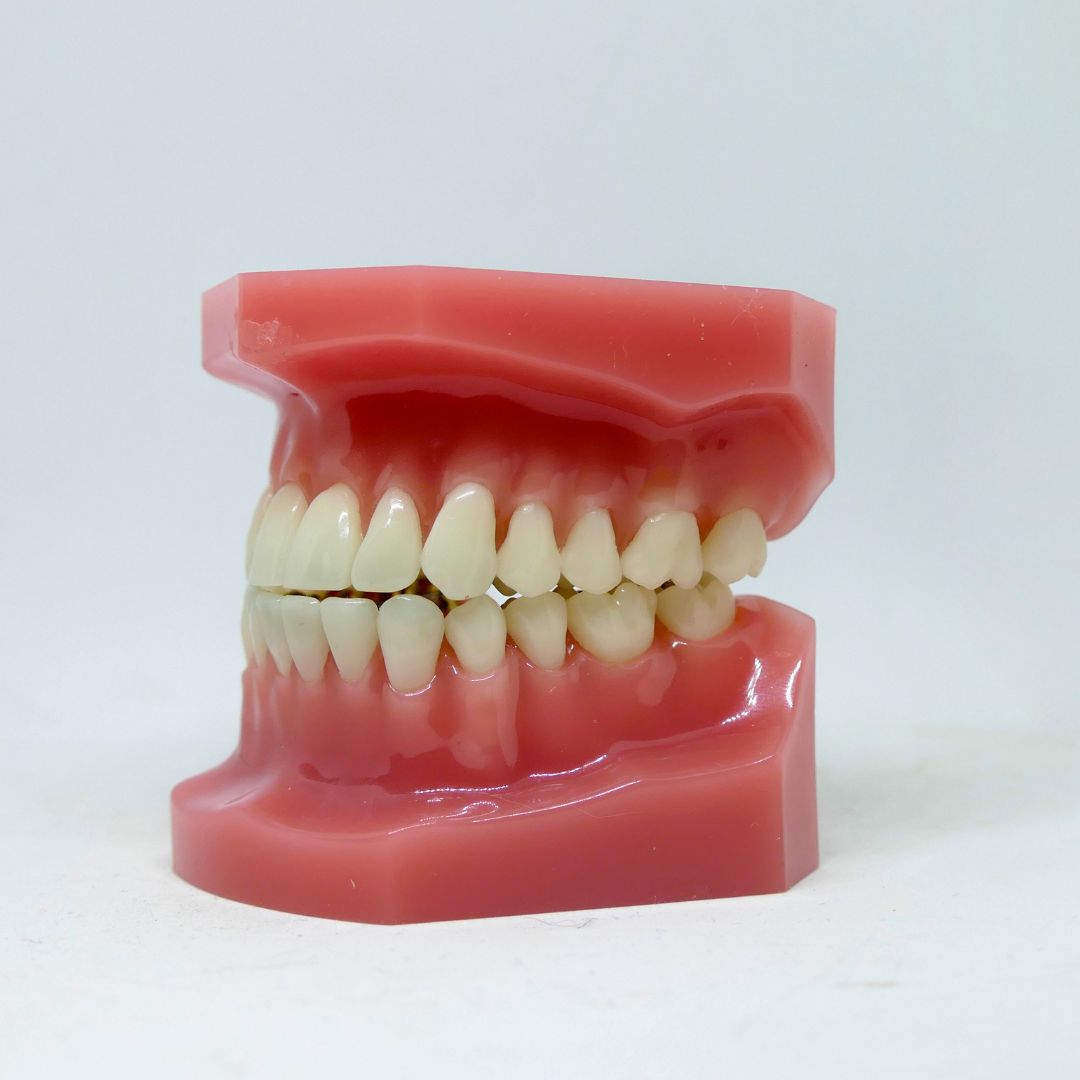

Understanding Human Teeth: Names, Functions, and Eruption Ages
Human teeth are divided into four main types: incisors, canines, premolars, and molars. Each type has a different shape and function, from cutting and tearing food to crushing and grinding. Permanent teeth also develop and erupt at different ages, although the exact timing can vary between individuals. Understanding tooth names, locations, functions, and eruption ages makes it easier to identify the different teeth shown in a dental chart.
Teeth Names and Eruption Ages
| Tooth Name | Location | Typical Eruption Age |
|---|---|---|
| Central Incisor | Maxillary | 7-8 years |
| Lateral Incisor | Maxillary | 8-9 years |
| Canine | Maxillary | 11-12 years |
| First Premolar | Maxillary | 10-11 years |
| Second Premolar | Maxillary | 10-12 years |
| First Molar | Maxillary | 6-7 years |
| Second Molar | Maxillary | 11-13 years |
| Third Molar | Maxillary | 17-32 years |
| Central Incisor | Mandibular | 6-7 years |
| Lateral Incisor | Mandibular | 7-8 years |
| Canine | Mandibular | 9-10 years |
| First Premolar | Mandibular | 10-12 years |
| Second Premolar | Mandibular | 11-12 years |
| First Molar | Mandibular | 6-7 years |
| Second Molar | Mandibular | 11-13 years |
| Third Molar | Mandibular | 17-32 years |
If you are looking beyond tooth anatomy and want to understand available care options, you can explore all dental treatments offered at Darya Dental Turkey.
Maxillary Teeth (Upper Teeth)
The upper teeth, also known as maxillary teeth, are located in the upper jaw. The diagram lists the following types of upper teeth, along with their eruption ages:
- Central Incisor (7-8 Years)
The central incisors are the two front teeth in the upper jaw. They are the first permanent teeth to erupt, typically between 7 and 8 years of age. Their primary function is to bite and cut food into smaller pieces. They also play a significant role in speech and aesthetics, contributing to a person’s smile. - Lateral Incisor (8-9 Years)
Positioned next to the central incisors, the lateral incisors erupt between 8 and 9 years. Like the central incisors, they are designed for biting and cutting food and contribute to the overall appearance of the smile. - Canine (Cuspid) (11-12 Years)
The canines, also known as cuspids, are the pointed teeth located on either side of the lateral incisors. They typically erupt between 11 and 12 years. Canines are designed for tearing food, such as meat, and they also help guide the jaw during chewing movements. Their sharp, pointed shape makes them ideal for gripping and ripping. - First Premolar (10-11 Years)
The first premolars, which erupt between 10 and 11 years, are located behind the canines. Premolars have a flatter surface compared to canines and are used for crushing and grinding food, aiding in the initial stages of digestion. - Second Premolar (10-12 Years)
The second premolars erupt slightly later, between 10 and 12 years, and are positioned behind the first premolars. They serve a similar function to the first premolars, assisting in chewing by crushing and grinding food. - First Molar (6-7 Years)
The first molars are the first permanent molars to erupt, typically between 6 and 7 years. They are larger and have a broader chewing surface, making them essential for grinding food into smaller pieces for swallowing and digestion. - Second Molar (11-13 Years)
The second molars erupt between 11 and 13 years and are located behind the first molars. Like the first molars, they are designed for grinding and chewing, further breaking down food. - Third Molar (17-32 Years)
Commonly known as wisdom teeth, the third molars erupt much later, between 17 and 32 years. These teeth are also used for grinding, but many people have them removed due to misalignment or lack of space in the jaw.
Mandibular Teeth (Lower Teeth)
The lower teeth, or mandibular teeth, are located in the lower jaw. The diagram lists the following types of lower teeth:
- Central Incisor (6-7 Years)
The mandibular central incisors are the first permanent teeth to erupt in the lower jaw, typically between 6 and 7 years. They function similarly to their upper counterparts, biting and cutting food while aiding in speech and aesthetics. - Lateral Incisor (7-8 Years)
The lateral incisors in the lower jaw erupt between 7 and 8 years. They assist the central incisors in biting and cutting food. - Canine (Cuspid) (9-10 Years)
The mandibular canines erupt between 9 and 10 years. Like the upper canines, they are used for tearing food and guiding jaw movements during chewing. - First Premolar (10-12 Years)
The first premolars in the lower jaw erupt between 10 and 12 years. They help crush and grind food, working in tandem with the upper premolars. - Second Premolar (11-12 Years)
The second premolars erupt between 11 and 12 years and serve the same crushing and grinding function as the first premolars. - First Molar (6-7 Years)
The mandibular first molars erupt between 6 and 7 years, simultaneously with the upper first molars. They are crucial for grinding food during chewing. - Second Molar (11-13 Years)
The second molars in the lower jaw erupt between 11 and 13 years, assisting in the grinding process alongside the first molars. - Third Molar (17-32 Years)
The mandibular third molars, or wisdom teeth, erupt between 17 and 32 years. Their function is similar to the upper third molars, but they are often removed due to potential complications.
The Four Main Types of Teeth
Permanent teeth are generally grouped into four main types: incisors, canines, premolars, and molars. Their shapes reflect their different roles during chewing.
Incisors are the front teeth and are mainly used for cutting food. Canines are pointed teeth designed to help grip and tear food. Premolars have broader surfaces that help crush and break down food. Molars have larger chewing surfaces and are primarily responsible for grinding food.
Most adults have 32 permanent teeth when all four third molars are present. However, some people naturally develop fewer teeth, particularly wisdom teeth.
Primary Teeth vs Permanent Teeth
Humans develop two sets of teeth during their lifetime: primary teeth and permanent teeth. Primary teeth, commonly called baby teeth, begin erupting during infancy and are eventually replaced by permanent teeth.
Children typically have 20 primary teeth, while adults can have up to 32 permanent teeth when all four wisdom teeth are present. Primary teeth include incisors, canines, and molars, while permanent teeth also include premolars.
```html
```
Premium Dental Care in Turkey
Expert treatments with high-end technology. Get your personalized quote today via WhatsApp.
The timing of tooth eruption varies, but primary teeth generally begin appearing during the first year of life, while permanent teeth begin replacing them during childhood.
Tooth Numbering and Dental Charts
Dentists use standardized numbering and naming systems to identify individual teeth accurately. The exact numbering system can vary by country and dental organization. In the United States, the Universal Numbering System assigns numbers 1 through 32 to permanent teeth, while other systems use different codes or two-digit designations.
```html  ```
```
Want trusted dental advice in your Google AI answers?
Add Darya Dental Turkey as a Preferred Source on Google to make our dental guides easier to find in your search results and AI Overviews.
Tooth charts may therefore show both the tooth name and a number or code. These systems help dentists communicate clearly when documenting examinations, treatment plans, restorations, extractions, and other procedures.
When Do Permanent Teeth Erupt?
Permanent teeth do not all erupt at the same age. The first permanent molars and lower central incisors commonly appear around age 6, followed by other incisors, premolars, canines, and second molars during childhood and early adolescence.
Wisdom teeth develop and erupt much later, often during late adolescence or early adulthood. Some people never develop one or more third molars, while others may have wisdom teeth that remain impacted.
Eruption ages shown in dental charts are therefore typical ranges rather than exact deadlines. A dentist can evaluate delayed or unusual eruption when necessary, particularly if a child has a missing tooth, persistent baby tooth, pain, swelling, or other symptoms.
When Should a Dentist Check Tooth Development?
Most differences in tooth eruption are not automatically a cause for concern. However, a dental examination may be appropriate when a permanent tooth appears significantly delayed, a baby tooth remains in place unusually long, a tooth appears in an abnormal position, or there is pain, swelling, or difficulty chewing.
Dentists can use clinical examination and dental imaging when needed to assess tooth development, eruption direction, available space, and the position of unerupted teeth. Early assessment can help identify problems that may benefit from monitoring or treatment.
Frequently Asked Questions
What are the four main types of teeth?
The four main types of permanent teeth are incisors, canines, premolars, and molars. Each type has a different shape and function during chewing.
How many teeth do adults have?
Adults can have up to 32 permanent teeth, including four third molars or wisdom teeth. Some adults naturally have fewer because one or more teeth, particularly wisdom teeth, may never develop.
What age do permanent teeth come in?
Permanent teeth begin erupting at around age 6 and continue developing throughout childhood and adolescence. Wisdom teeth typically develop and erupt much later, although timing varies between individuals.
What are wisdom teeth called on a dental chart?
Wisdom teeth are called third molars. They are the last teeth in each quadrant of the permanent dentition and are often labeled as third molars on dental charts.
Understanding tooth names, functions, locations, and eruption ages makes dental charts easier to read and helps patients understand their oral anatomy. Incisors, canines, premolars, and molars each have different roles, while primary and permanent teeth follow different development and eruption patterns.
Eruption ages in dental charts represent typical ranges rather than exact deadlines. If a tooth is significantly delayed, develops in an unusual position, or is associated with pain or swelling, a dental examination can help determine whether further evaluation is needed.
