
My Dental Crown Fell Off: What to Do and When It Is an Emergency
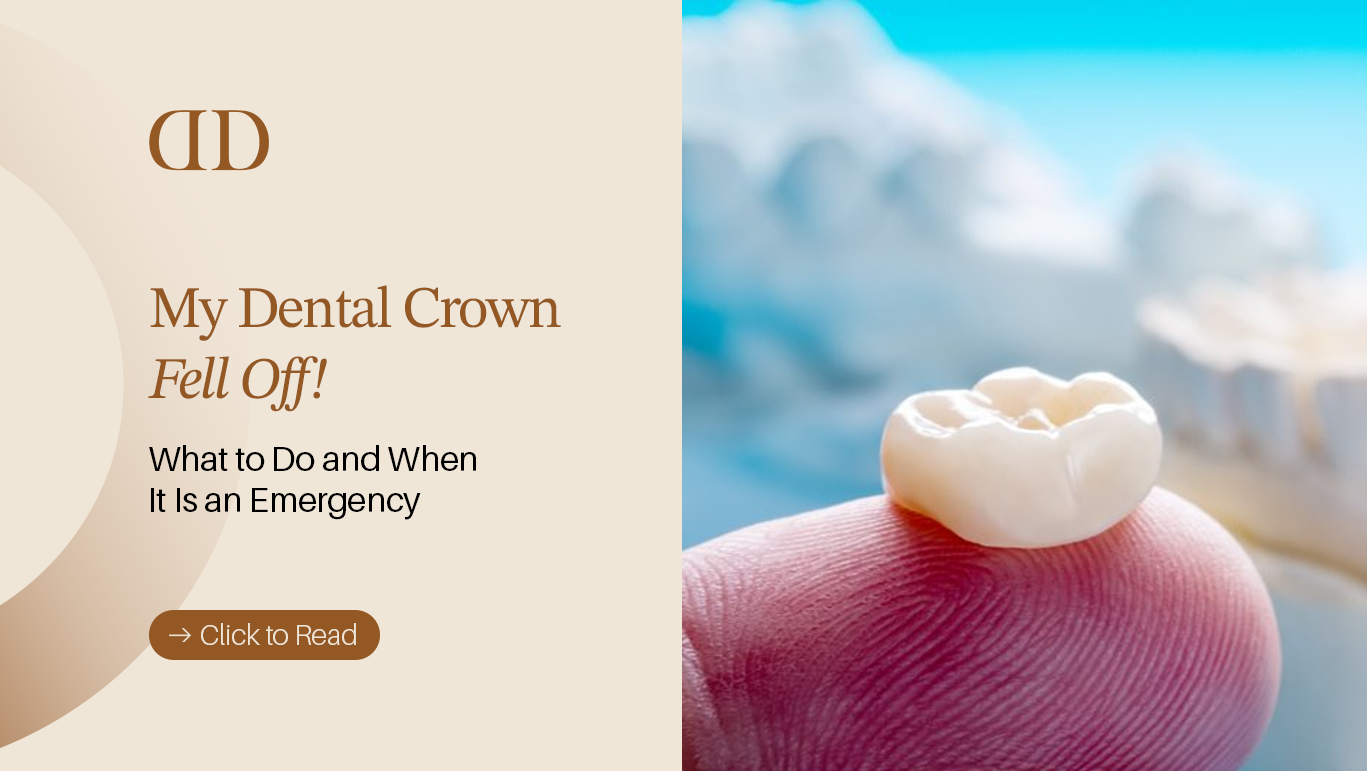

If your dental crown fell off, stay calm and protect the exposed tooth until you can see a dentist. Save the crown, avoid chewing on that side, keep the tooth clean, and arrange a dental appointment. A fallen crown is often not an emergency, but severe pain, swelling, uncontrolled bleeding, significant tooth damage, or signs of infection require urgent dental care.
What Should You Do Immediately If Your Dental Crown Falls Off?
The first priority is to protect both the crown and the tooth. A crown that has come off may sometimes be reused, but a dentist needs to examine the tooth and the inside of the crown before deciding whether recementation is appropriate.
Save and Clean the Crown
Find the crown and handle it carefully. Rinse it gently with clean water to remove visible debris. Avoid scrubbing it aggressively or using household chemicals.
Keep the crown in a clean container and bring it to your dental appointment. Do not throw it away, even if it looks damaged. Your dentist can determine whether it is still suitable for use.
If the crown fell off while you were eating, check that you have not accidentally swallowed or inhaled it. If you suspect that the crown has entered your airway and you have difficulty breathing, seek emergency medical care.
Protect the Exposed Tooth Until You See a Dentist
Once a crown fell off, the underlying tooth may be more vulnerable to sensitivity, decay, and further damage. Depending on why the crown was originally placed, the exposed tooth may also have a prepared or weakened structure.
Until you can see a dentist:
- Avoid chewing directly on the affected tooth.
- Brush gently around the area to keep it clean.
- Avoid very hot, cold, hard, or sticky foods if they cause discomfort.
- Do not deliberately test the tooth by biting down on it.
- Keep the crown safely stored for your appointment.
Do not attempt to permanently glue the crown back with household glue or other non-dental adhesives. These products are not designed for use in the mouth and can make professional treatment more difficult.
If the crown is loose but has not completely detached, avoid repeatedly moving it with your tongue or fingers. Contact a dentist for advice rather than trying to force it off or secure it yourself.
Premium Dental Care in Turkey
Expert treatments with high-end technology. Get your personalized quote today via WhatsApp.
For more information about crowns and their treatment process, see our dental crown treatment.
The key point is simple: a crown that came off should be assessed by a dentist, even if you have little or no pain. The absence of pain does not necessarily mean that the underlying tooth is healthy.

Want trusted dental advice in your Google AI answers?
Add Darya Dental Turkey as a Preferred Source on Google to make our dental guides easier to find in your search results and AI Overviews.
Can You Eat After a Dental Crown Falls Off?
Yes, you can usually eat after a dental crown fell off, but you should protect the exposed tooth while waiting for dental treatment. Choose softer foods, chew on the opposite side of your mouth, and avoid anything that could put excessive pressure on the tooth.
If the exposed tooth is sensitive, temperature and texture can make eating uncomfortable. In that case, choose foods that are closer to room temperature and avoid chewing directly over the affected area.
Foods and Habits to Avoid
After a crown fell off tooth, avoid foods and habits that could damage the exposed tooth or irritate sensitive areas.
| Avoid | Why |
| Hard foods such as nuts and hard candy | They can place excessive force on the exposed tooth |
| Sticky foods such as caramel or chewing gum | They may pull on the tooth or remaining dental material |
| Very hot or cold foods | They can trigger sensitivity |
| Chewing on the affected side | It can increase pressure on the unprotected tooth |
| Biting hard objects | Pens, fingernails and similar habits can further damage the tooth |
| Sugary foods in excess | They can be particularly undesirable when the tooth is exposed and difficult to clean |
You do not necessarily need to stop eating normally altogether. The goal is to reduce pressure and irritation until the tooth can be examined.
If eating causes sharp or increasing pain, stop using that side and arrange a dental assessment.
How to Clean the Tooth Without Irritating It
Good oral hygiene remains important when a dental crown came off. Food and plaque can accumulate around the exposed tooth, so gently clean the area rather than avoiding it completely.
Brush the tooth and surrounding gum carefully with a soft-bristled toothbrush. Use gentle movements and avoid aggressive pressure. You can also clean between the teeth carefully if doing so does not cause significant discomfort.
If the exposed tooth is sensitive, do not repeatedly touch it with your fingers or tongue. Avoid trying to reshape, scrape, or smooth the tooth yourself.
There is an important difference between protecting the tooth and trying to repair it at home. Temporary measures can reduce irritation, but they do not determine why the crown became detached or whether the crown can safely be put back.
Why Do Dental Crowns Fall Off?
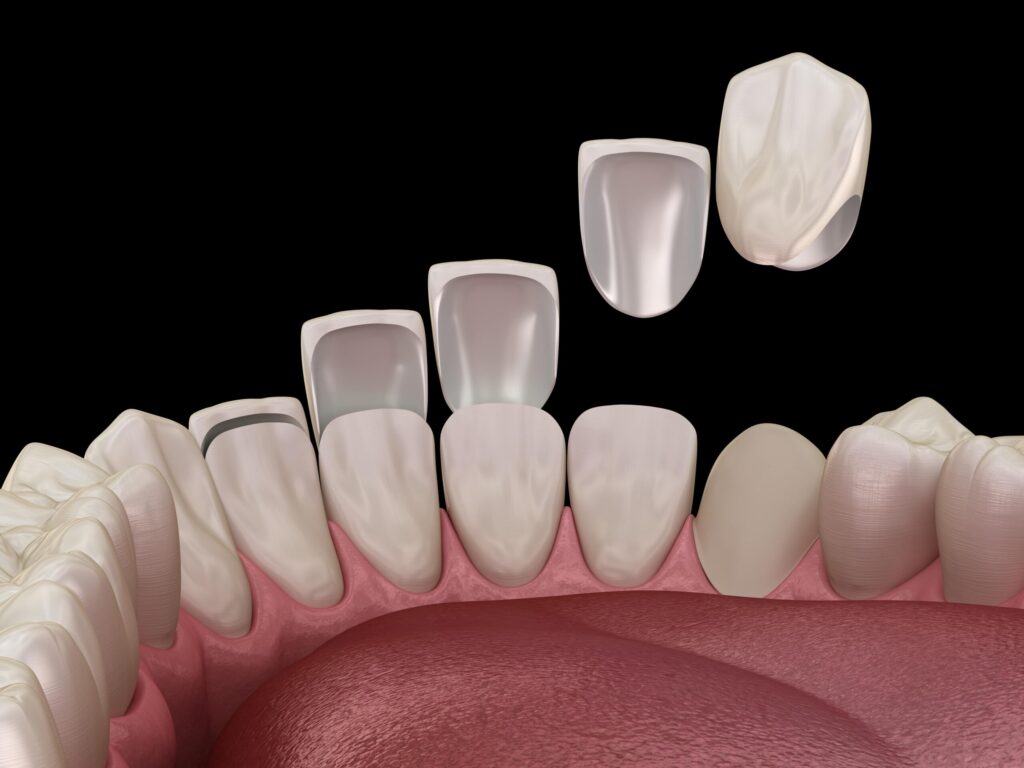
A lost dental crown can have several possible causes. Sometimes the cement that holds the crown in place loses its retention. In other cases, changes in the underlying tooth or damage to the crown itself can contribute.
The reason matters because a dentist needs to evaluate both the crown and the tooth before deciding on the appropriate treatment.
Cement Failure, Decay and Tooth Damage
One possible reason a crown becomes detached is failure of the cement or bonding that previously held it in place. Over time, the conditions around a crown can change, and the crown may eventually become loose.
Decay beneath or around a crown can also compromise the tooth structure supporting it. If the underlying tooth has become weakened, simply recementing the existing crown may not be enough.
A tooth can also fracture or lose supporting structure. In these situations, the dentist may need to address the underlying problem before considering whether the existing crown can be reused.
This is why a dental crown fell off should not automatically be treated as a simple cementing problem. The visible event is the crown coming off; the more important question is why it came off.
Trauma, Biting Forces and Crown Damage
An injury to the mouth can dislodge a crown. Strong biting forces, clenching or grinding can also contribute to stress on dental restorations.
The crown itself may become cracked, fractured, or otherwise damaged. If its shape or fit has changed, recementing it may not provide an appropriate long-term solution.
The dentist will typically consider factors such as:
- The condition of the underlying tooth
- Whether the crown is intact
- Whether the crown still fits correctly
- Evidence of decay or tooth fracture
- The condition of the surrounding gum and tooth structures
- How the crown became detached
This assessment helps determine whether the same crown can be used again or whether a new restoration is necessary.
Is a Fallen Dental Crown an Emergency?
A fallen dental crown is not automatically a dental emergency. If the crown came off without severe pain, major trauma, significant bleeding, swelling, or other concerning symptoms, you can generally arrange a dental appointment rather than going directly to an emergency department.
However, the situation becomes more urgent when the crown loss is accompanied by symptoms suggesting significant tooth damage, infection, or trauma.
When It Can Usually Wait for a Dental Appointment
If your dental crown fell off and you feel generally well, you can usually focus on protecting the exposed tooth and arranging an appointment with a dentist.
This is particularly true when:
- There is little or no pain.
- There is no significant swelling.
- There is no uncontrolled bleeding.
- The crown came off without major facial trauma.
- You can comfortably breathe and swallow.
- The exposed tooth is not causing severe or rapidly worsening symptoms.
“Can wait” does not mean “ignore it.” Leaving a tooth without its crown indefinitely can expose it to additional problems, depending on the condition of the underlying tooth and the reason the crown was originally needed.
For broader guidance about urgent dental situations, see what to do in a dental emergency.
Signs You Need Urgent Dental Care
Seek urgent dental care if a crown fell off tooth and you also experience symptoms such as:
- Severe or rapidly worsening tooth pain
- Significant swelling of the face, jaw, or gums
- Signs that may indicate a spreading dental infection
- Uncontrolled bleeding
- Major damage to the tooth following an accident
- Difficulty breathing or swallowing
- Serious facial or jaw trauma
Difficulty breathing or swallowing is particularly important because it can indicate a potentially serious situation requiring immediate medical attention.
A simple lost dental crown is different from a dental injury involving extensive trauma or a potentially spreading infection. Recognizing that distinction can help you decide how quickly to seek care.
What About a Temporary Dental Crown That Fell Off?
A temporary dental crown fell off situation should also be reported to your dentist. Temporary crowns are designed to protect the prepared tooth while the permanent restoration is being completed, so the appropriate next step depends on your individual treatment stage.
Do not assume that a temporary crown can simply be ignored because it is not the final restoration. Contact your dental provider and follow their instructions about protecting the tooth until you can be seen.
If the temporary crown can be safely handled, keep it clean and bring it with you unless your dentist tells you otherwise.
Can a Fallen Crown Be Recemented or Does It Need to Be Replaced?
A fallen dental crown may sometimes be recemented, but not every crown can be reused. The dentist needs to examine both the crown and the underlying tooth before deciding.
If the crown is intact, still fits correctly, and the tooth underneath is healthy enough to support it, recementation may be possible. However, if the crown is damaged or the underlying tooth has developed decay, a fracture, or another structural problem, a different treatment may be necessary.
The fact that a dental crown came off does not by itself determine whether you need a new crown.
Your dentist may assess:
- Whether the crown is cracked, fractured, or otherwise damaged
- Whether it still fits the tooth properly
- Whether the tooth underneath has decay
- Whether the underlying tooth has fractured
- Whether there is enough healthy tooth structure to support the restoration
- Whether the original cause of crown failure has been resolved
This is also why using household glue to put the crown back permanently is not recommended. It can interfere with the dentist’s ability to properly assess and treat the tooth.
What Happens When You See the Dentist?
When you visit the dentist after a crown fell off, the first step is usually an examination of the exposed tooth and the restoration. The dentist needs to establish whether the problem is limited to the crown or whether the tooth underneath also needs treatment.
The dentist may inspect the crown for damage and assess how it fits over the tooth. The underlying tooth and surrounding tissues are also evaluated for signs of decay, fracture, inflammation, or other problems.
Depending on the findings, possible outcomes include:
- The existing crown can be recemented.
If the crown and supporting tooth are suitable, the dentist may be able to clean the relevant surfaces and secure the existing restoration again. - The tooth needs treatment before the crown is replaced or reused.
If decay, damage, or another underlying problem is found, that issue needs to be addressed first. - A new crown may be necessary.
If the existing crown is damaged or no longer fits appropriately, replacement may be recommended. - Another restorative treatment may be needed.
If the tooth has significant structural damage, a crown may not be the only treatment option. The appropriate approach depends on the individual tooth and clinical findings.
The important point is that a fallen crown is a problem to be assessed, not necessarily a reason to panic. Protect the tooth, keep the crown, avoid putting unnecessary pressure on the area, and arrange appropriate dental care.
For broader information about available restorative treatments, you can also explore Darya Dental’s dental crown treatment options.
Frequently Asked Questions
What should I do if my dental crown falls off?
If your dental crown falls off, save the crown, rinse it gently with clean water, protect the exposed tooth, and arrange a dental appointment. Avoid chewing on the affected side and do not permanently glue the crown back yourself.
Can I put my dental crown back on myself?
You should not permanently reattach a dental crown yourself with household glue or other non-dental adhesives. A dentist should examine the crown and underlying tooth first and determine whether the crown can safely be recemented.
Can I eat if my dental crown fell off?
Yes, you can usually eat, but choose softer foods and chew on the opposite side of your mouth. Avoid hard, sticky, very hot, or very cold foods if they cause discomfort or sensitivity.
How long can I leave a tooth without a crown?
There is no single safe period that applies to every tooth. The appropriate timeframe depends on the condition of the tooth, why the crown was placed, and whether the tooth is sensitive or damaged. Arrange a dental appointment rather than intentionally leaving the tooth unprotected.
Is a crown falling off a dental emergency?
A crown falling off is generally not an emergency when there is no severe pain, significant swelling, uncontrolled bleeding, major trauma, or other serious symptoms. Urgent dental care is appropriate when these warning signs are present.
Why did my dental crown fall off?
A crown can fall off because of problems such as cement failure, decay or damage affecting the underlying tooth, trauma, excessive biting forces, or damage to the crown itself. A dentist needs to examine the tooth and crown to identify the specific cause.
Can a dentist recement the same crown?
Yes, a dentist may be able to recement the same crown when the crown is intact, fits properly, and the underlying tooth is suitable for supporting it. If the crown or tooth is significantly damaged, replacement or other treatment may be necessary.
What should I do if my temporary crown falls off?
If your temporary crown falls off, contact your dentist and follow their instructions. Keep the temporary crown clean and bring it to the appointment if possible. Avoid putting excessive pressure on the exposed tooth while waiting for professional advice.
When a dental crown fell off, the best immediate approach is to protect the exposed tooth and arrange a dental assessment. Keep the crown, maintain gentle oral hygiene, and avoid hard or sticky foods and chewing on the affected side.
A fallen crown is often not an emergency, but severe pain, swelling, uncontrolled bleeding, significant trauma, or difficulty breathing or swallowing should be treated as urgent warning signs.
Whether the same crown can be recemented or needs to be replaced depends on the condition of both the restoration and the underlying tooth. A professional examination is therefore the safest way to determine the next step.
