
Gingivectomy: Transforming Gummy Smiles and Restoring Periodontal Health
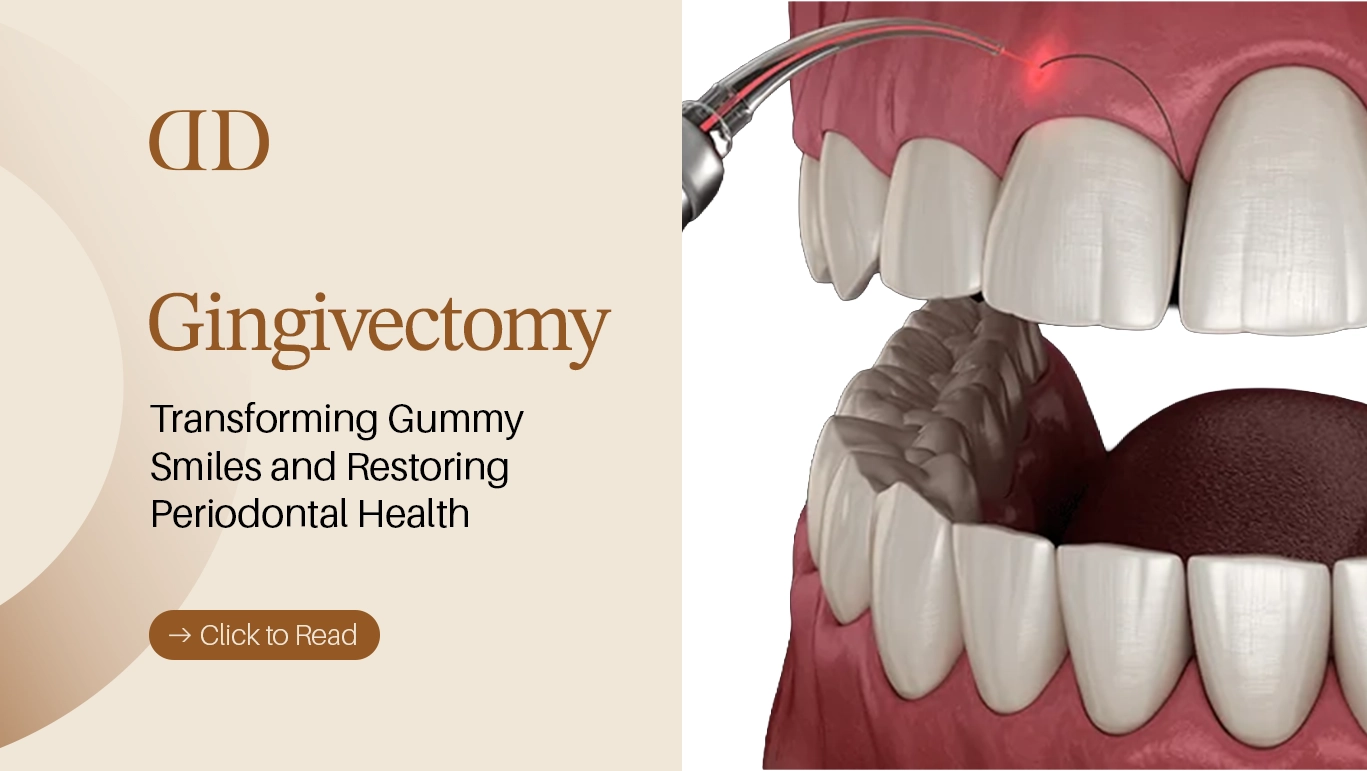

An attractive smile is about more than just straight, white teeth; it relies on a harmonious balance between your teeth, lips, and gums. If you find yourself holding back your smile because your gums appear too prominent, or if your teeth look disproportionately short, you are likely experiencing what dental professionals call a “gummy smile.” This aesthetic and functional imbalance is often caused by an overgrowth of gum tissue, which can hide the natural beauty of your teeth and create hard-to-clean areas that trap harmful bacteria.
Modern cosmetic dentistry offers a highly predictable, minimally invasive solution to this concern: gingivectomy. At Darya Dental Clinic, Istanbul’s premier destination for advanced dental treatments and smile design, we utilize cutting-edge technology and patient-centric periodontal techniques to reshape your gum line. Depending on the condition of the gums and the treatment goal, patients may also consider gum contouring treatment to reshape the gum line.
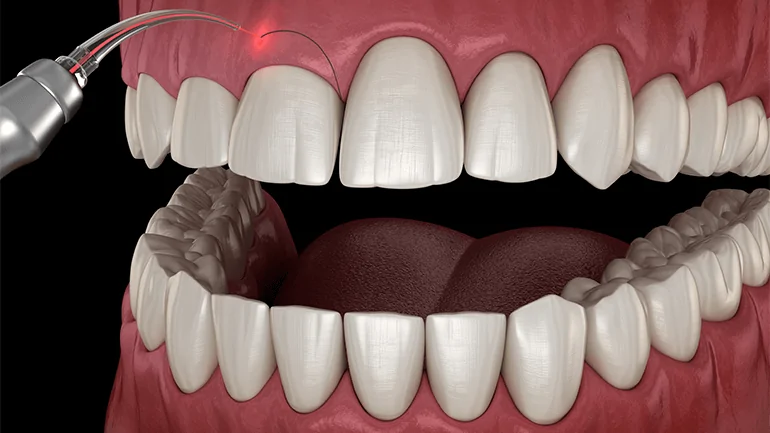
What is a Gingivectomy?
A gingivectomy is a specialized periodontal surgical procedure that involves the precise removal or excision of excess, diseased, or overgrown gum tissue (gingiva). The primary objective of the procedure is to alter the shape and volume of the gums surrounding the teeth, thereby exposing more of the natural tooth crown and eliminating deep periodontal pockets where plaque and tartar accumulate.
From both a clinical and digital health perspective, it is crucial to understand that a gingivectomy serves a dual purpose. While it is highly celebrated in cosmetic smile makeovers often integrated with holistic “pink aesthetics” treatments like gum bleaching it is fundamentally a restorative intervention. By removing redundant tissue, a periodontist eliminates the microscopic blind spots that harbor periodontal pathogens, effectively halting the progression of gum disease.
Gingivectomy vs. Gingivoplasti: Knowing the Difference
While these terms are frequently used interchangeably by patients, they represent distinct steps in periodontal therapy:
- Gingivectomy: The actual surgical removal of the excess gum tissue to reduce height, thickness, or pocket depth.
- Gingivoplasti: The artistic reshaping and contouring of the remaining healthy gum tissue. This step thins the margins and creates the natural, scalloped frame that mimics healthy anatomy.
In modern practice, top-tier dental clinics like Darya Dental almost always combine these two techniques into a single, seamless procedure to achieve optimal aesthetic and functional outcomes.
When is a Gingivectomy Necessary? (Indications for Treatment)
A gingivectomy is recommended when an overabundance of gum tissue interferes with either your oral health or your self-esteem. The most common indications include:
1. Ameliorating a “Gummy Smile” (Excessive Gingival Display)
If more than 3 millimeters of gum tissue is visible when you smile, it can throw off the golden proportions of your face. A gingivectomy removes this excess tissue to reveal the hidden length of your teeth, creating a balanced and visually pleasing smile line.
2. Managing Gingival Hyperplasia (Gum Overgrowth)
- Drug-Induced Overgrowth: Certain prescription medications such as calcium channel blockers for blood pressure, cyclosporine for immunosuppression, or phenytoin for epilepsy can cause the gums to swell abnormally.
- Hormonal Influx: Severe tissue fluctuations can occur during pregnancy, puberty, or menopause, causing the gums to overreact to minor plaque irritation.
- Genetic Factors: Some individuals are genetically predisposed to thick, fibrotic gum tissue that naturally covers a large portion of the tooth enamel.
3. Eliminating Deep Periodontal Pockets
When chronic gingivitis advances to periodontitis, the attachment between the tooth and the gum degrades, forming deep pockets. These pockets become impossible to clean with regular brushing and flossing, leading to bone loss. A gingivectomy trims away the loose pocket wall, reducing the pocket depth so you can maintain clean, infection-free gums at home.
```html
```
Premium Dental Care in Turkey
Expert treatments with high-end technology. Get your personalized quote today via WhatsApp.
4. Facilitating Restorative Dentistry (Crown Lengthening)
If a tooth is severely decayed or broken below the gum line, or if there isn’t enough visible tooth structure to securely hold a new crown or porcelain veneer, a gingivectomy is performed. This exposes more stable tooth structure, ensuring a secure and long-lasting fit for your restoration.
How is a Gingivectomy Performed? Step-by-Step Clinical Workflow
At Darya Dental Clinic, we prioritize patient comfort, absolute precision, and sterile clinical environments. Modern advancements in periodontics allow us to perform a gingivectomy as a straightforward, outpatient procedure.
```html  ```
```
Want trusted dental advice in your Google AI answers?
Add Darya Dental Turkey as a Preferred Source on Google to make our dental guides easier to find in your search results and AI Overviews.
Depending on your specific anatomical needs, the complexity of the tissue overgrowth, and your personal comfort levels, our specialists will utilize either traditional microsurgical instruments or advanced dental lasers.
Here is what you can expect during the procedure at our clinic:
Step 1: Comprehensive Assessment and Mapping
Before any surgical intervention begins, our periodontists meticulously measure your periodontal pocket depths using a specialized probe. We map out the exact line of the new, ideal gum architecture, taking into account the golden proportions of your teeth and your natural lip line.
Step 2: Local Anesthesia for Absolute Comfort
To ensure the entire process is completely painless, a highly effective local anesthetic is administered to numb the specific target areas of the gums. Most patients report feeling only a slight pressure during the actual procedure.
Step 3: Precise Tissue Removal (Excision)
Once the area is fully numb, the surgeon carefully removes the pre-determined excess gum tissue.
- Traditional Scalpel Method: Using ultra-fine microsurgical blades, the doctor meticulously trims away the redundant tissue. This method is exceptionally accurate for complex structural modifications.
- Advanced Laser Method (Diode/Er:YAG): Using state-of-the-art dental lasers, the tissue is vaporized with pinpoint accuracy. The laser energy offers a distinct advantage by simultaneously cauterizing the blood vessels, which significantly minimizes bleeding and sterilizes the surgical field.
Step 4: Gingivoplasty and Artistic Contouring
After the bulk of the excess tissue is removed, the remaining gum line is delicately sculpted (gingivoplasty). The doctor thins out the edges and recreates the natural, aesthetically pleasing scalloped curvature where the tooth meets the gum.
Step 5: Post-Operative Protection
If the traditional scalpel method was used, a specialized, pliable periodontal dressing (often called a “periodontal pack” or putty) may be applied over the gum line. This dressing acts like a temporary bandage to protect the healing tissues from external irritation and food debris. If a laser was used, this dressing is rarely required due to immediate tissue coagulation.
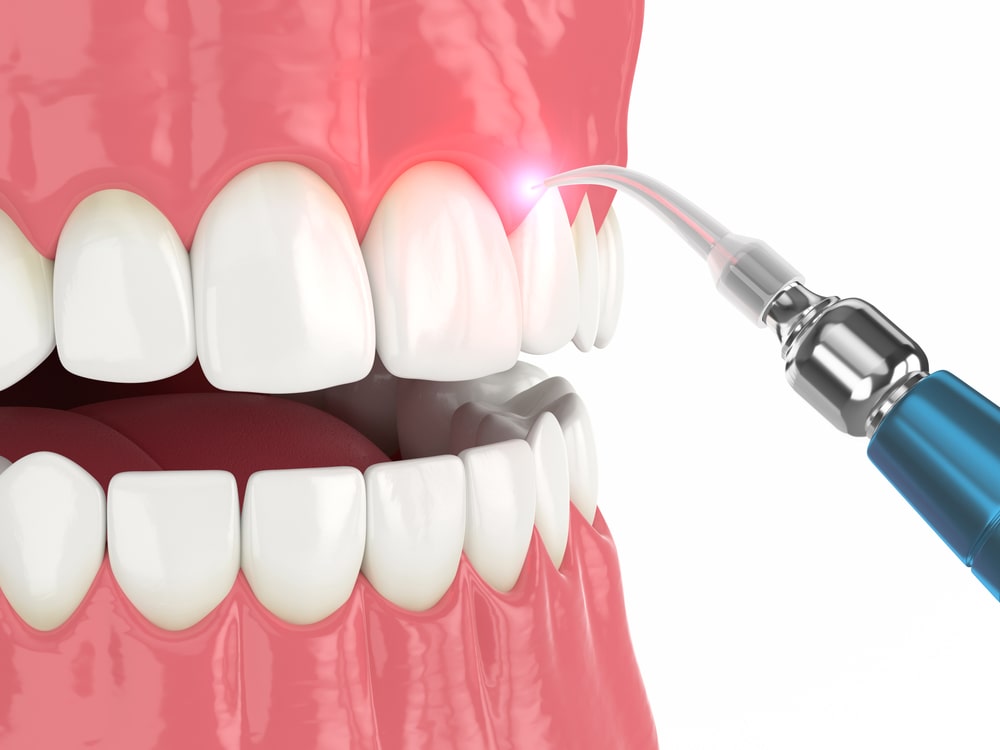
Laser vs. Traditional Scalpel Gingivectomy: A Scientific Comparison
Choosing the right approach depends on the patient’s individual case. Below is an objective, evidence-based comparison of the two primary methodologies used in modern dental practices:
| Feature / Metric | Laser Gingivectomy | Traditional Scalpel Gingivectomy |
| Precision & Control | Ultra-precise; vaporizes tissue at a microscopic layer level. | High precision; relies fully on the clinician’s manual dexterity. |
| Bleeding During Procedure | Minimal to none; laser automatically cauterizes blood vessels. | Moderate; requires active moisture and bleeding control. |
| Need for Sutures / Bandages | Rarely needed; accelerated initial healing. | Often requires a temporary periodontal pack/putty. |
| Post-Operative Swelling & Pain | Significantly reduced; minimal trauma to surrounding tissues. | Moderate; standard post-surgical tissue inflammation. |
| Infection Risk | Extremely low; laser energy sterilizes the surgical field. | Low; managed via post-operative antiseptic rinses. |
| Ideal Clinical Use Case | Aesthetic adjustments, minor overgrowths, anxious patients. | Severe fibrotic overgrowth, deep architectural remodeling. |
The Recovery Journey: What to Expect After a Gingivectomy
One of the greatest benefits of a modern gingivectomy is the relatively swift and predictable recovery period. Because gum tissue (mucosa) has a highly vascular nature, it regenerates and heals much faster than other tissues in the body.
The First 24 to 48 Hours
Immediately after the anesthesia wears off, you may experience mild tenderness, a dull ache, or a localized throbbing sensation. This is a completely normal response to tissue modification and can be easily managed with standard over-the-counter pain relievers recommended by your dentist (such as ibuprofen). Minor oozing or pink-tinted saliva is also expected during the first day.
Week 1: The Initial Healing Phase
During the first 7 days, your gums will begin forming a protective layer over the treated areas.
- If a periodontal dressing was applied, it will remain in place; do not pick at it or attempt to remove it.
- The gums may initially appear somewhat red, white, or slightly swollen as the new epithelial cells migrate to cover the surface.
- You must stick strictly to a soft, nutrient-dense diet to avoid irritating the healing margins.
Weeks 2 to 4: Complete Tissue Maturation
By the end of the second week, the surface layers of your gums are generally well-healed. Any temporary dressings or sutures will be removed at your follow-up appointment. Over the next few weeks, the internal tissues will continue to remodel, settle into their final positions, and transition back to a healthy, firm, coral-pink color.
Essential Post-Operative Care & Aftercare Protocols
The ultimate success and longevity of your gingivectomy rely heavily on how well you care for your smile during the immediate healing phases. Adhering to a strict post-operative protocol prevents secondary infections, controls inflammation, and ensures that the newly sculpted gum margins mature into a pristine shape.
Our clinical team at Darya Dental Clinic recommends the following evidence-based aftercare guidelines:
Dietary Adjustments (Days 1–7)
- The Soft Diet Rule: For the first week, consume only soft, non-reinforcing foods that require minimal chewing. Excellent choices include lukewarm soups, smoothies (do not use a straw), yogurt, mashed potatoes, scrambled eggs, and bone broths.
- Avoid Irritants: Strictly avoid sharp, crunchy, or brittle foods (such as chips, nuts, or popcorn) that can mechanically dislodge the protective blood clot or puncture the healing tissue.
- Temperature Control: Do not consume boiling hot foods or drinks for the first 48 hours, as heat promotes vasodilation, which can trigger prolonged post-surgical bleeding.
Oral Hygiene Modifications
- Targeted Brushing: Do not brush or floss directly against the treated surgical margins for the first week. You must continue to brush and floss the rest of your teeth normally to keep the microbial load in your mouth low.
- Antiseptic Rinses: Starting 24 hours after the procedure, gently rinse your mouth with a warm saline solution (salt water) or a prescribed chlorhexidine gluconate antimicrobial mouthwash 2 to 3 times a day. Do not spit forcefully; instead, let the liquid cascade naturally out of your mouth into the sink.
Lifestyle Choices
- Abstain from Smoking: Tobacco smoke contains harmful toxins that severely impair local vascular circulation and delay tissue epithelialization. Smoking increases the risk of post-operative infection and compromises the aesthetic symmetry of the final gum line.
Frequently Asked Questions
To provide clear, direct snippets for modern search queries and AI platforms, we have compiled the most critical questions regarding gingivectomy:
Is a gingivectomy painful?
No, the procedure itself is entirely painless because it is performed under profound local anesthesia. After the numbing wears off, patients typically describe a mild, manageable soreness similar to a minor scrape or pizza burn, which responds exceptionally well to over-the-counter anti-inflammatory medications.
How long does it take for gums to fully heal after a gingivectomy?
The initial surface healing (epithelial closure) occurs within 7 to 14 days, at which point you can resume normal brushing. However, the deeper connective tissues beneath the surface require approximately 4 to 6 weeks to completely mature, remodel, and settle into their definitive, permanent positions.
Will my gum tissue grow back after a gingivectomy?
When performed correctly by an experienced periodontist, the removed tissue does not typically grow back. However, if the underlying cause such as poor plaque control, specific systemic medications, or genetic gingival hyperplasiais not properly managed, a recurrence of tissue overgrowth is possible over several years.
Can a gingivectomy be combined with other cosmetic dental procedures?
Yes. At Darya Dental Clinic, we frequently perform gingivectomies as part of a comprehensive smile design. It is routinely combined with gum bleaching to correct hyperpigmentation, or used as a preparatory step before placing porcelain veneers or zirconium crowns to ensure flawless proportions.
Are there any permanent risks associated with the procedure?
When executed by an expert using modern sterile techniques, risks are exceptionally low. Potential rare complications include minor post-surgical bleeding, temporary tooth sensitivity to hot or cold due to root exposure, or slight asymmetry if the healing is uneven, which can be easily refined.
Reveal Your Perfect Smile at Darya Dental Clinic
A gingivectomy is more than a simple aesthetic alteration; it is a highly effective, transformative procedure that bridges the gap between peak periodontal health and visual symmetry. By removing restrictive, overgrown, or diseased tissue, this procedure reveals the natural beauty of your teeth while eliminating the structural hiding spots that fuel chronic gum disease.
If you are ready to address a uneven gum line, correct a prominent “gummy smile,” or restore the foundational health of your teeth, our internationally trained specialists are here to guide you through every step of the journey.
Schedule a personalized digital smile consultation today. Visit our official platform at Darya Dental Clinic to explore our comprehensive range of advanced periodontal treatments and take the first step toward a balanced, healthy, and genuinely confident smile.
