
Dental Trauma: Types, Symptoms & Treatment
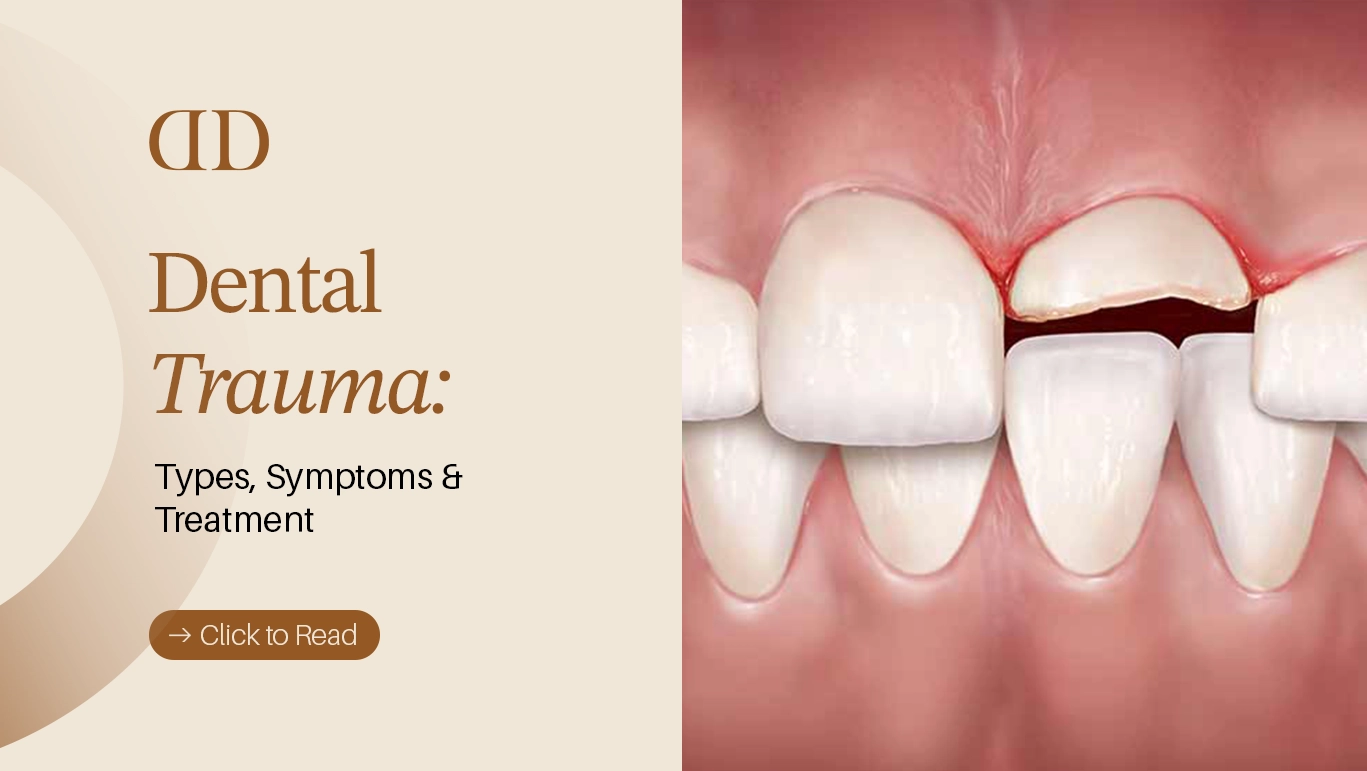

Dental Trauma refers to injuries affecting the teeth, gums, and surrounding oral structures, often occurring unexpectedly during daily activities, sports, or accidents. In clinical discussions at Darya Dental Clinic, this topic is frequently approached as a spectrum rather than a single condition, because dental trauma can range from minor enamel cracks to complex tooth displacement involving supporting bone structures.
What makes dental trauma particularly interesting is its variability. Two patients may experience completely different outcomes from similar accidents, depending on force direction, age, and oral anatomy. This unpredictability is why researchers and clinicians often categorize it carefully to better understand patterns, recovery expectations, and long-term implications.
Types and Clinical Overview
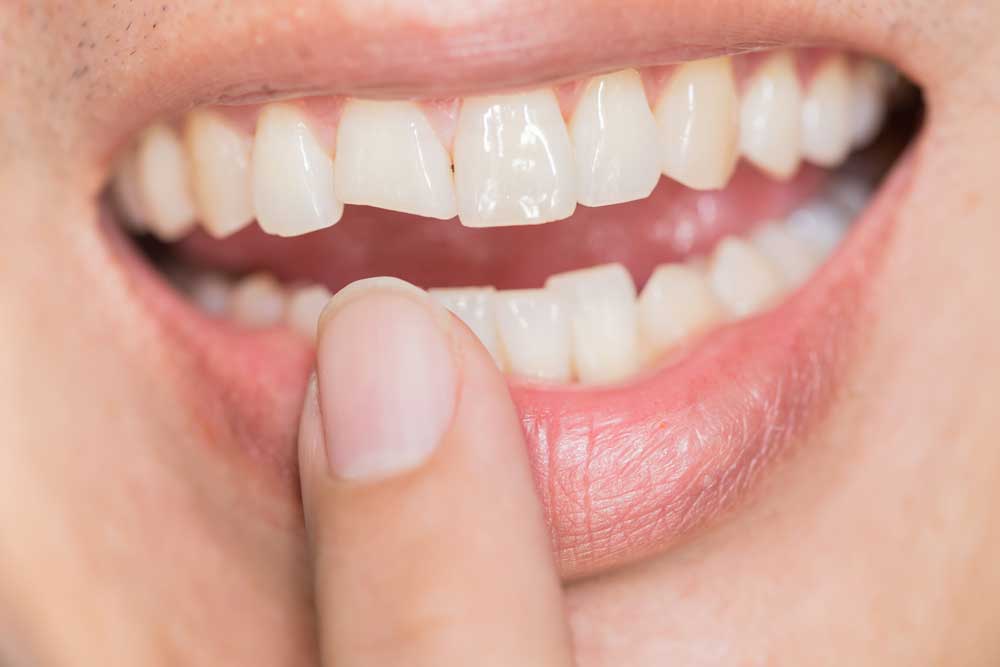
Dental Trauma is generally classified based on the affected structure and severity. At a basic level, it includes injuries to hard tissues like enamel and dentin, as well as soft tissue damage involving gums and lips. More complex cases extend to tooth root injuries and alveolar bone fractures.
From a clinical perspective, dental trauma is often divided into fractures, luxations, and avulsions. Fractures involve breaking of tooth structure, luxations refer to displacement of the tooth within its socket, and avulsion is the complete removal of a tooth from its position. Each category behaves differently under biological stress and healing response.
Another important aspect is that dental trauma does not always present immediately. Some injuries become noticeable only after days or even weeks, especially when internal pulp damage progresses silently. This delayed manifestation is one of the reasons why dental evaluations after accidents are often recommended even when pain is minimal.
In academic literature, organizations such as the World Health Organization (WHO) emphasize that oral injuries represent a significant portion of emergency cases globally. Reference: https://www.who.int/news-room/fact-sheets/detail/oral-health
Common Causes and Risk Scenarios
The causes of dental trauma are surprisingly diverse, ranging from physical accidents to everyday habits. Sports injuries remain one of the most frequently reported triggers, especially in contact sports like football, basketball, and martial arts. Sudden impacts can transmit force directly to the teeth, resulting in fractures or dislodgement.
Beyond sports, household accidents also contribute significantly. Slips, falls, and collisions with hard surfaces are common, particularly among children and elderly individuals. Interestingly, research suggests that environmental factors such as flooring type and lighting conditions may indirectly influence the likelihood of dental trauma incidents.
Workplace environments also play a role. Construction sites, industrial areas, and even certain office settings can expose individuals to unexpected impacts. In such cases, safety protocols reduce but do not completely eliminate the risk of injury.
Premium Dental Care in Turkey
Expert treatments with high-end technology. Get your personalized quote today via WhatsApp.
Another less discussed factor is behavioral habits. Biting hard objects, using teeth as tools, or sudden jaw clenching under stress can all contribute to micro-injuries that evolve into more noticeable dental trauma over time.
According to clinical summaries from the American Dental Association (ADA), preventive awareness significantly reduces the incidence of oral injuries in both children and adults.

Want trusted dental advice in your Google AI answers?
Add Darya Dental Turkey as a Preferred Source on Google to make our dental guides easier to find in your search results and AI Overviews.
Early Signs and Subtle Symptoms
The early signs of dental trauma are not always dramatic. In some cases, a small crack or slight sensitivity to temperature changes may be the only indication that something has occurred. This subtlety often leads individuals to underestimate the severity of the condition.
Sensitivity during chewing or pressure can also be an early clue. When a tooth reacts differently after a minor impact, it may suggest internal structural changes that are not visible externally. These changes often evolve slowly, making early observation important from a diagnostic standpoint.
Soft tissue symptoms, such as gum tenderness or minor bleeding, may accompany dental trauma cases. However, these signs can easily be confused with general irritation, which adds another layer of complexity in early detection.
Clinicians often emphasize that even asymptomatic cases should not be ignored after facial impact events. The absence of pain does not necessarily indicate absence of injury, especially in deeper dental structures.
Diagnostic Approaches in Modern Dentistry
Diagnosis of dental trauma involves a combination of visual examination, patient history, and imaging techniques. Dentists often begin with a detailed assessment of how the injury occurred, as the mechanism of force provides important clues about internal damage.
Radiographic imaging plays a central role in identifying root fractures or bone involvement. In more advanced settings, 3D imaging technologies help create a more precise understanding of the injury pattern. This allows clinicians to map damage that may not be visible during a standard oral examination.
Another important diagnostic tool is vitality testing. This method evaluates whether the tooth pulp is still alive, which significantly influences treatment planning. In many cases of dental trauma, the pulp response may change over time, requiring repeated evaluations.
Modern dental centers, including Darya Dental Clinic, often combine multiple diagnostic layers to ensure a more comprehensive understanding of injury severity and progression.
Immediate Response and First Assessment Principles
Immediate response to dental trauma can influence long-term outcomes significantly. The first few minutes after an injury are often considered critical in determining the stability of the affected tooth or surrounding tissues.
In clinical environments, priority is usually given to controlling bleeding, stabilizing displaced teeth, and assessing structural integrity. However, in everyday settings, individuals often focus on visible damage while overlooking internal complications that may not yet be apparent.
One key principle in managing dental trauma is avoiding unnecessary manipulation of the affected area. Excessive movement or pressure can sometimes worsen underlying injuries, especially in cases involving tooth displacement or root sensitivity.
At this stage, dental professionals typically aim to gather as much contextual information as possible before initiating any intervention. This includes understanding the direction of impact, the time elapsed since injury, and any immediate symptoms experienced.
Classification Table and Clinical Patterns
In clinical dentistry, dental trauma is rarely approached as a single uniform condition. Instead, it is categorized based on how the tooth and surrounding structures respond to external force. This classification helps clinicians interpret severity, predict healing behavior, and decide on appropriate intervention strategies.
One of the most practical ways to understand this complexity is through structured classification. The table below summarizes common patterns observed in dental trauma cases:
| Type of Injury | Description | Typical Clinical Signs | Complexity Level |
| Enamel fracture | Small cracks or chips on outer layer | Rough surface, mild sensitivity | Low |
| Enamel-dentin fracture | Deeper structural break without pulp exposure | Pain on chewing, visible damage | Moderate |
| Luxation injury | Tooth displacement within socket | Mobility, abnormal positioning | High |
| Avulsion | Complete tooth displacement | Missing tooth, bleeding socket | Very High |
| Root fracture | Break within tooth root structure | Subtle pain, delayed symptoms | High |
This structured view of <strong>dental trauma</strong> highlights why two cases that appear similar externally may behave very differently internally. Especially in luxation or root-related injuries, symptoms can evolve gradually, making early interpretation essential for understanding progression patterns.
Another important observation is that classification is not static. A single injury may shift categories over time as inflammation develops or tissue response changes. This dynamic nature makes dental trauma a continuously monitored condition rather than a one-time diagnosis.
Treatment Approaches and Decision Factors
Treatment strategies for dental trauma depend heavily on timing, severity, and tissue involvement. Rather than following a single protocol, clinicians evaluate multiple variables before deciding on a management approach.
In general, treatment decisions revolve around preserving natural tooth structure whenever possible. However, the method of preservation varies depending on whether the injury affects enamel, dentin, pulp, or supporting bone structures.
Common clinical approaches include:
- Stabilization of displaced teeth using temporary fixation methods
- Restoration of fractured enamel surfaces with bonding techniques
- Monitoring pulp vitality over time in borderline cases
- Repositioning of luxated teeth under controlled conditions
- Replacement planning in cases of severe avulsion
Each of these methods reflects a different response to dental trauma, and the choice depends on how the tooth responds biologically after injury. Interestingly, some cases that initially appear severe may stabilize naturally, while seemingly minor fractures can progress internally.
Decision-making is also influenced by patient-specific factors such as age, bone density, and healing capacity. For example, younger patients often exhibit more active regenerative responses, which can change how dental trauma is managed over time.
Pediatric Considerations and Growth Impact
In children, dental trauma presents a unique clinical landscape because teeth and jaw structures are still developing. This means that injuries do not only affect current dental health but may also influence future alignment and eruption patterns.
Primary teeth injuries are particularly important because they can indirectly affect permanent teeth forming beneath them. Even minor displacement in early childhood can sometimes lead to developmental changes that only become visible years later.
Another key consideration is behavioral response. Children may not always communicate discomfort clearly, which makes observation and pattern recognition essential in pediatric dental trauma cases. Subtle signs such as chewing preference or avoidance of certain foods can sometimes indicate underlying injury.
From a clinical standpoint, management in younger patients often focuses on balancing immediate stabilization with long-term developmental outcomes. This dual perspective makes pediatric dental trauma one of the most carefully evaluated areas in dentistry.
Complications and Long-Term Outcomes
The long-term effects of dental trauma can vary widely depending on the severity and timing of intervention. Some injuries heal without noticeable consequences, while others evolve into chronic conditions affecting function or aesthetics.
Below are some commonly observed long-term outcomes:
- Gradual tooth discoloration due to internal pulp changes
- Increased sensitivity to temperature or pressure
- Root resorption in severe structural injuries
- Gum recession around affected teeth
- Bite misalignment following untreated displacement
These outcomes highlight how dental trauma is not always an isolated event but can trigger a cascade of biological responses over time. The internal environment of the tooth continues to react long after the initial injury, sometimes in unpredictable ways.
Another important aspect is psychological impact. Visible dental changes can affect confidence and social behavior, particularly in younger individuals. This dimension of dental trauma is often discussed alongside clinical outcomes, as both functional and emotional factors are interconnected.
In advanced dental literature, long-term monitoring is emphasized as a key component of post-injury care, since delayed complications may emerge even in apparently stable cases.
Dental Trauma: Classification Table and Clinical Patterns
In clinical dentistry, dental trauma is rarely approached as a single uniform condition. Instead, it is categorized based on how the tooth and surrounding structures respond to external force. This classification helps clinicians interpret severity, predict healing behavior, and decide on appropriate intervention strategies.
One of the most practical ways to understand this complexity is through structured classification. The table below summarizes common patterns observed in dental trauma cases:
| Type of Injury | Description | Typical Clinical Signs | Complexity Level |
| Enamel fracture | Small cracks or chips on outer layer | Rough surface, mild sensitivity | Low |
| Enamel-dentin fracture | Deeper structural break without pulp exposure | Pain on chewing, visible damage | Moderate |
| Luxation injury | Tooth displacement within socket | Mobility, abnormal positioning | High |
| Avulsion | Complete tooth displacement | Missing tooth, bleeding socket | Very High |
| Root fracture | Break within tooth root structure | Subtle pain, delayed symptoms | High |
This structured view of dental trauma highlights why two cases that appear similar externally may behave very differently internally. Especially in luxation or root-related injuries, symptoms can evolve gradually, making early interpretation essential for understanding progression patterns.
Another important observation is that classification is not static. A single injury may shift categories over time as inflammation develops or tissue response changes. This dynamic nature makes dental trauma a continuously monitored condition rather than a one-time diagnosis.
Treatment Approaches and Decision Factors
Treatment strategies for dental trauma depend heavily on timing, severity, and tissue involvement. Rather than following a single protocol, clinicians evaluate multiple variables before deciding on a management approach.
In general, treatment decisions revolve around preserving natural tooth structure whenever possible. However, the method of preservation varies depending on whether the injury affects enamel, dentin, pulp, or supporting bone structures.
Common clinical approaches include:
- Stabilization of displaced teeth using temporary fixation methods
- Restoration of fractured enamel surfaces with bonding techniques
- Monitoring pulp vitality over time in borderline cases
- Repositioning of luxated teeth under controlled conditions
- Replacement planning in cases of severe avulsion
Each of these methods reflects a different response to dental trauma, and the choice depends on how the tooth responds biologically after injury. Interestingly, some cases that initially appear severe may stabilize naturally, while seemingly minor fractures can progress internally.
Decision-making is also influenced by patient-specific factors such as age, bone density, and healing capacity. For example, younger patients often exhibit more active regenerative responses, which can change how dental trauma is managed over time.
Pediatric Considerations and Growth Impact
In children, dental trauma presents a unique clinical landscape because teeth and jaw structures are still developing. This means that injuries do not only affect current dental health but may also influence future alignment and eruption patterns.
Primary teeth injuries are particularly important because they can indirectly affect permanent teeth forming beneath them. Even minor displacement in early childhood can sometimes lead to developmental changes that only become visible years later.
Another key consideration is behavioral response. Children may not always communicate discomfort clearly, which makes observation and pattern recognition essential in pediatric dental trauma cases. Subtle signs such as chewing preference or avoidance of certain foods can sometimes indicate underlying injury.
From a clinical standpoint, management in younger patients often focuses on balancing immediate stabilization with long-term developmental outcomes. This dual perspective makes pediatric dental trauma one of the most carefully evaluated areas in dentistry.

Complications and Long-Term Outcomes
The long-term effects of dental trauma can vary widely depending on the severity and timing of intervention. Some injuries heal without noticeable consequences, while others evolve into chronic conditions affecting function or aesthetics.
Below are some commonly observed long-term outcomes:
- Gradual tooth discoloration due to internal pulp changes
- Increased sensitivity to temperature or pressure
- Root resorption in severe structural injuries
- Gum recession around affected teeth
- Bite misalignment following untreated displacement
These outcomes highlight how dental trauma is not always an isolated event but can trigger a cascade of biological responses over time. The internal environment of the tooth continues to react long after the initial injury, sometimes in unpredictable ways.
Another important aspect is psychological impact. Visible dental changes can affect confidence and social behavior, particularly in younger individuals. This dimension of dental trauma is often discussed alongside clinical outcomes, as both functional and emotional factors are interconnected.
In advanced dental literature, long-term monitoring is emphasized as a key component of post-injury care, since delayed complications may emerge even in apparently stable cases.
Recovery and Biological Healing Process
The recovery phase of dental trauma is often less visible than the injury itself, yet biologically it is the most active stage. Once the initial impact stabilizes, the surrounding tissues begin a complex repair process that involves pulp response, ligament regeneration, and bone remodeling.
What makes this phase interesting is its unpredictability. Two similar injuries may follow completely different healing timelines. In some cases, the tooth gradually regains stability, while in others subtle complications emerge weeks later, reshaping the clinical picture of dental trauma.
Another key factor is that healing is not always linear. Inflammation may decrease initially and then reappear due to internal changes. This is why follow-up evaluations are considered an essential part of monitoring dental trauma recovery, even when symptoms seem to improve.
Prevention Strategies in Daily Life
Although dental trauma cannot always be avoided, certain behavioral and environmental adjustments may reduce its likelihood. Prevention is less about eliminating risk entirely and more about minimizing exposure to high-impact situations.
Some commonly discussed preventive approaches include:
- Awareness of high-risk physical activities
- Environmental safety adjustments in living spaces
- Reducing habits that place pressure on teeth
- Maintaining general oral awareness during daily routines
- Being mindful of unexpected impact scenarios
These strategies highlight that dental trauma is not only a clinical issue but also a behavioral one. Everyday actions often unnoticed can significantly influence risk levels.
Interestingly, prevention also has a psychological dimension. Increased awareness often leads to quicker response times after accidents, which can indirectly improve outcomes in dental trauma cases by reducing delays in assessment.
When to Consider Professional Evaluation
One of the most debated aspects of dental trauma is timing specifically, when an injury should be professionally evaluated. Not all cases present immediate pain or visible damage, which can make decision-making difficult.
In general, evaluation becomes important when any of the following are observed:
- Persistent sensitivity after impact
- Visible cracks or structural changes
- Tooth mobility or shifting position
- Gum bleeding that does not resolve quickly
- Changes in bite alignment or chewing comfort
Even in the absence of clear symptoms, dental trauma can still involve internal changes that are not externally visible. This is why clinical assessment is often recommended as a precautionary step rather than a reactive measure.
At institutions such as Darya Dental Clinic (https://daryadentalturkey.com/), evaluation is typically approached as a layered process, combining patient history, visual inspection, and imaging when necessary.
Long-Term Perspective and Oral Stability
From a long-term perspective, dental trauma is not just an isolated incident but a condition that may influence oral stability over time. Even after apparent recovery, subtle changes can continue within the tooth structure and surrounding tissues.
These long-term adaptations may include:
- Gradual changes in tooth color or transparency
- Alterations in sensitivity thresholds
- Minor shifts in alignment due to ligament remodeling
- Periodic discomfort under pressure
- Structural reinforcement or weakening depending on healing response
This evolving nature of dental trauma is what makes long-term observation valuable. The mouth is a dynamic system, and even a single injury can influence how forces are distributed during chewing and speaking.
In some clinical discussions, dental trauma is described as a “silent remodeler” of oral architecture, because its effects may gradually integrate into normal function without being immediately noticeable.
Conclusion and Clinical Reflection
Understanding dental trauma requires looking beyond immediate symptoms and focusing on the broader biological and mechanical responses of the oral system. It is a condition shaped by timing, force, tissue response, and individual variability.
Rather than being a simple injury category, dental trauma represents a spectrum of events that can range from minor surface damage to complex structural involvement. This variability is what makes it a central topic in both emergency dentistry and long-term oral care discussions.
From a clinical perspective, the most consistent insight is that early awareness and structured observation often provide more clarity than immediate assumptions. Each case of dental trauma carries its own pattern, and understanding that pattern is key to interpreting outcomes.
Frequently Asked Questions About Dental Trauma
What is dental trauma and how does it occur?
dental trauma refers to injuries affecting teeth and surrounding tissues, usually caused by impacts, falls, or sudden force. The severity depends on the direction and intensity of the impact.
Can dental trauma heal on its own?
Some mild cases of dental trauma may stabilize naturally, but internal changes are not always visible, so outcomes can vary significantly between individuals.
Is pain always present in dental trauma cases?
Not necessarily. In some dental trauma situations, pain may be minimal or delayed, especially if deeper structures are affected without immediate nerve response.
What happens if dental trauma is left untreated?
Untreated dental trauma may lead to long-term changes such as sensitivity, discoloration, or structural weakening depending on the injury type.
Why does dental trauma sometimes appear days later?
Certain dental trauma effects develop gradually due to internal tissue responses, which means symptoms may not appear immediately after the initial impact.
