
Dental Implant Pain Years Later: Possible Causes and Warning Signs
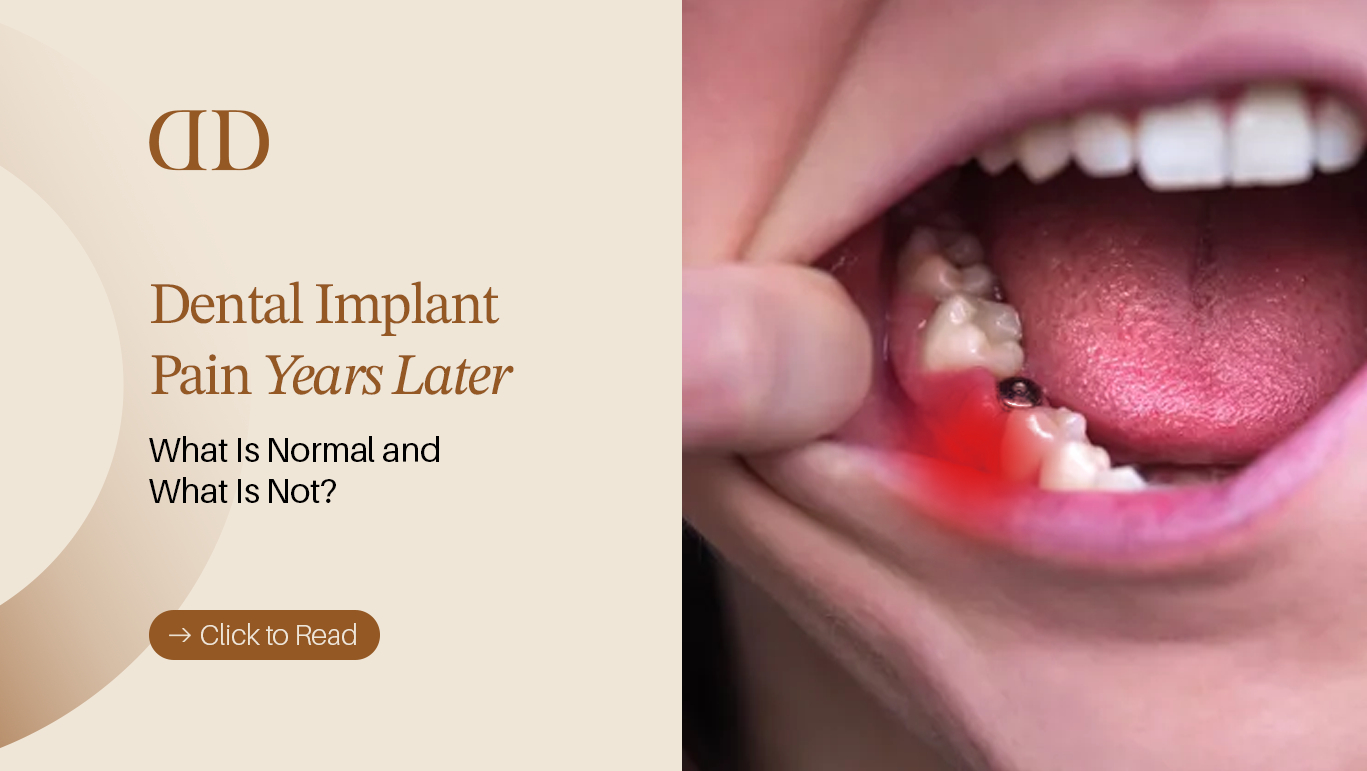

Dental implant pain years later is not part of the normal healing process and typically indicates an underlying issue, such as peri-implant disease, mechanical wear, or excessive pressure on the implant structure. While a fully integrated dental implant should feel like a natural tooth and function without discomfort, new or persistent pain that develops long after treatment requires prompt dental evaluation to identify the root cause and protect the surrounding bone and tissue.
Can a Dental Implant Hurt Years Later?
A dental implant can hurt years after successful integration, even if it has functioned without any issues for a long period. Once an implant successfully undergoes osseointegration the biological process where the jawbone fuses directly to the titanium post it no longer contains nerve endings inside the implant itself. Consequently, any sensation of pain, pressure, or tenderness does not originate within the artificial root, but rather from the surrounding gum tissue, the supporting bone structure, or the mechanical components attached to it.
Experiencing dental implant pain after years of comfort often signals that something in the surrounding oral environment has changed. Unlike the initial discomfort felt during the first few weeks following surgical placement, late-onset discomfort is not linked to tissue recovery from surgery. Instead, late dental implant pain usually stems from localized inflammation, structural wear, changes in your bite, or health conditions that affect bone stability. Recognizing that long-term discomfort is an unexpected symptom is the first step toward preventing further complications.
What Can Cause Dental Implant Pain Years Later?
Late-onset implant pain can arise from biological issues, structural components, or external physical forces. Identifying the exact reason for pain around dental implant years later requires a careful examination, as several distinct conditions can trigger similar symptoms.
Peri-Implantitis and Inflammation Around the Implant
Peri-implant disease is one of the most common causes of long-term discomfort surrounding an implant. It typically develops in two distinct stages:
- Peri-implant mucositis: This is an early, reversible condition characterized by inflammation of the soft tissues directly surrounding the implant. It is similar to gingivitis around natural teeth and is primarily caused by bacterial plaque accumulation. Symptoms include redness, localized swelling, and tenderness, but there is no loss of supporting bone structure at this stage.
- Peri-implantitis: If mucositis is left unaddressed, it can progress to peri-implantitis. This serious inflammatory condition affects both the soft gums and the underlying bone structure supporting the implant. As bacteria infiltrate deeper around the implant post, progressive bone loss occurs. This can lead to persistent pain, deep pocket formation around the restoration, pus discharge, and eventual loosening of the implant. Recognizing peri-implantitis symptoms early is critical for preserving the implant.
Maintaining consistent oral hygiene and attending routine checkups play a key role in preventing these inflammatory conditions. For detailed guidance on keeping your restoration clean, you can read more about long-term dental implant aftercare.
Mechanical or Prosthetic Problems
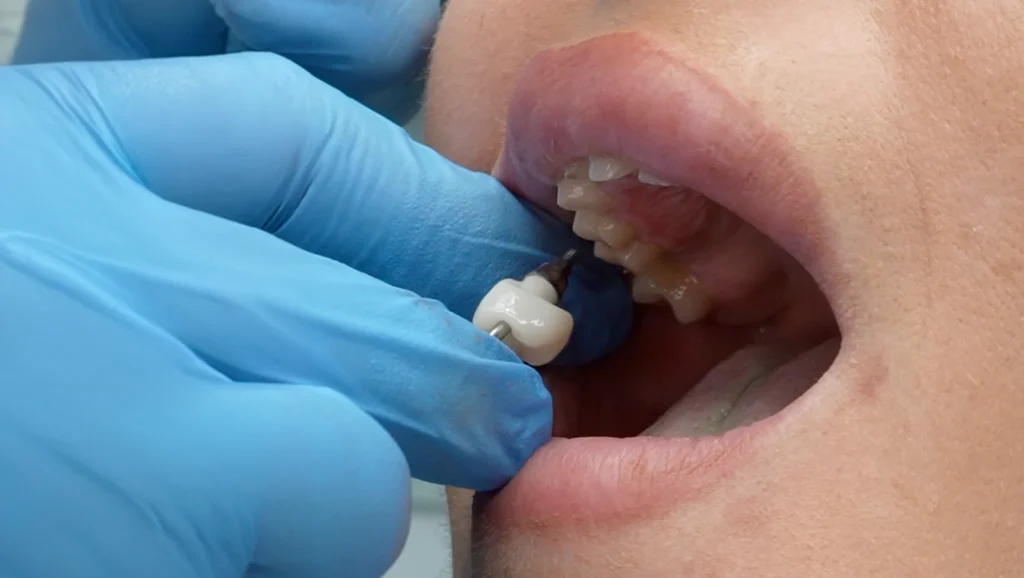
Not all implant discomfort is biological; mechanical components can also experience wear over time. A dental implant consists of three main parts: the titanium post anchored in the bone, the abutment, and the visible crown or prosthesis. If any of these connected elements fail or become unstable, pain can occur:
- Loosening of the Abutment Screw: The small screw that connects the crown to the implant post can gradually loosen due to everyday chewing forces, creating slight movements that irritate the surrounding gum line.
- Crown Damage or Wear: The visible porcelain or ceramic crown may chip, fracture, or wear down over years of use, altering how it connects with opposing teeth.
- Cement Residue: In cement-retained restorations, microscopic excess cement left behind beneath the gumline can act as a foreign body, triggering late tissue irritation and localized pain long after placement.
- Component Fracture: Although rare, the internal screw or the implant post itself can suffer structural stress fractures under heavy load.
Excessive Bite Forces and Teeth Grinding
Mechanical stress from severe biting forces can place heavy demands on a restored tooth. Over time, uneven or excessive physical pressure can alter the structural balance around the implant, resulting in late-onset pain.
- Bruxism (Teeth Grinding or Clenching): Unconscious grinding or heavy clenching often during sleep exerts high directional forces on both natural teeth and restorations. While natural teeth have a periodontal ligament that acts as a natural shock absorber, implants fuse directly to the bone. This rigidity means the bone absorbs the full impact, which can trigger localized bone inflammation, micro-fractures, or screw loosening.
- Occlusal Trauma (Uneven Bite): If natural teeth shift, undergo wear, or are restored with new crowns elsewhere in the mouth, your bite balance changes. An uneven bite can concentrate excessive forces onto a single dental implant, causing dental implant pain when chewing or biting down.
Other Dental Problems Near the Implant
Sometimes, discomfort that feels like it is coming from the implant originates in neighboring oral structures. This is known as referred pain:
Premium Dental Care in Turkey
Expert treatments with high-end technology. Get your personalized quote today via WhatsApp.
- Adjacent Tooth Issues: An infection, deep cavity, or root canal failure in an adjacent tooth can radiate pain to the tissue surrounding the implant.
- Sinus Complications: Implants placed in the upper jaw (maxilla) rest close to the maxillary sinus floor. If you develop a sinus infection or inflammation, increased pressure in the sinus cavity can feel like pain in your upper implants.
- Nerve Irritation: Although uncommon years after successful placement, localized nerve irritation can occur if nearby tissues become inflamed, swollen, or undergo structural shifts.
Causes of Late Dental Implant Discomfort
The table below outlines how common biological, mechanical, and external factors present over time:
| Cause | Primary Mechanism | Common Symptoms | Potential Outcome |
| Peri-Implant Mucositis | Soft tissue bacterial inflammation | Redness, swelling, localized bleeding | Reversible with thorough professional cleaning and improved oral care |
| Peri-Implantitis | Deep tissue infection with progressive bone loss | Deep pocketing, tenderness, pus discharge, bone loss | Progressive instability; requires targeted clinical treatment to halt bone damage |
| Mechanical Wear | Screw loosening, crown fracture, component fatigue | Discomfort during chewing, slight movement of the crown | Requires prosthetic repair, tightening, or component replacement |
| Excessive Occlusal Stress | Uncontrolled grinding (bruxism) or bite imbalance | Bone tenderness, pain under heavy chewing pressure | Can lead to screw fracture, implant overload, or localized bone fatigue |
| Referred Dental Pain | Infection or cavity in adjacent teeth or sinus cavity | Diffuse pain radiating across the jaw or upper cheek area | Requires targeted dental or medical care for the underlying adjacent issue |
What Warning Signs Should You Not Ignore?
Recognizing early indicators of long-term complications can prevent minor issues from escalating into major structural failures. While mild, temporary sensitivity from minor gum irritation might resolve with proper home care, specific symptoms signal that the surrounding tissue or bone requires immediate evaluation.

Want trusted dental advice in your Google AI answers?
Add Darya Dental Turkey as a Preferred Source on Google to make our dental guides easier to find in your search results and AI Overviews.
Key signs of dental implant failure or late complications include:
- Persistent Pain or Discomfort: Continuous aching, sharp pain under pressure, or tenderness around the implant post that does not subside after a few days.
- Pain or Discomfort When Chewing: Feeling sharp pressure or discomfort specifically when biting down on solid food suggests mechanical looseness or underlying bone overload.
- Bleeding, Redness, or Swelling: Gums that bleed easily during routine brushing, appear swollen, or exhibit a dark red or purplish hue around the implant post.
- Pus Discharge or Unpleasant Taste: Drainage along the gumline, accompanied by a bad taste or persistent foul breath, strongly points to an active bacterial infection.
- Receding Gums Around the Crown: Gums pulling away from the restoration, exposing the metal abutment or implant thread underneath.
- Movement or Mobility: Any noticeable shift, wobbling, or loose feeling in either the visible crown or the underlying implant structure.
When Should You See a Dentist for Implant Pain?
Any discomfort that develops years after your implant treatment should be evaluated by a dental professional, as delayed pain rarely resolves on its own. While mild tissue irritation from temporary food impaction might abate after thorough cleaning, persistent pain usually indicates a structural or biological issue that requires clinical intervention.
You should seek prompt dental attention if you notice any of the following:
- Pain that lasts more than 2–3 days despite careful daily oral hygiene.
- Discomfort triggered specifically by biting pressure, which may point to prosthetic stress or progressive bone loss.
- Visible signs of localized infection, such as ongoing bleeding, gum swelling, or pus drainage around the restoration.
- Any looseness or mobility in the crown, abutment, or implant structure itself.
Early evaluation allows your dentist to intercept problems like peri-mplant mucositis or minor screw loosening before they progress to irreversible bone loss or structural failure.
How Is a Painful Dental Implant Evaluated?
Determining the source of late-onset discomfort requires a thorough clinical assessment and visual imaging. Because symptoms like tenderness or pressure can stem from multiple distinct causes, a dentist will use several diagnostic tools to pinpoint the precise issue:
- Clinical Assessment: The dentist visually inspects the gum tissue surrounding the implant for signs of inflammation, recession, bleeding, or infection. They will also check the stability of the visible crown and evaluate your bite alignment to see if excessive forces are concentrated on the restoration.
- Periodontal Probing: A specialized probe is used to measure the depth of the soft tissue pockets around the implant. Deeper pockets often signal loss of tissue attachment and potential infection.
- Radiographic Imaging: Intraoral X-rays or 3D Cone Beam Computed Tomography (CBCT) scans are essential for evaluating what is happening beneath the gumline. Imaging reveals the precise level of supporting jawbone, allowing the dentist to check for bone loss characteristic of peri-implantitis, evaluate adjacent tooth roots, or spot structural issues with the implant post itself.
Through these steps, your dental team can distinguish between a simple mechanical adjustment and a deep biological complication. To learn more about how specialists evaluate complex cases, explore dental implant treatment in Turkey for broader treatment and diagnostic context.
Can Late Implant Problems Be Treated?
Yes, most late-onset implant complications can be managed or treated successfully, especially when detected in their early stages. The specific treatment path depends entirely on whether the issue is biological or mechanical:
- Treating Peri-Implant Mucositis: If caught early before bone loss occurs, inflammation can often be reversed with specialized professional cleaning to remove calcified plaque and bacteria beneath the gumline, paired with targeted antimicrobial mouthwashes.
- Managing Peri-Implantitis: When bone loss has begun, treatment aims to stop infection progress and preserve the remaining support structure. This may involve deep debridement, local or systemic antibiotics, and in some cases, corrective surgical procedures to clean the implant surface and place bone grafts.
- Resolving Mechanical Issues: Mechanical problems are often straightforward to rectify. A loose crown or abutment can typically be tightened or replaced. If an uneven bite is exerting excess pressure on the restoration, minor occlusal adjustments can rebalance the forces across your jaw.
- Addressing Adjacent Issues: If the discomfort stems from a neighboring tooth or sinus inflammation rather than the implant itself, treating that underlying condition usually resolves the radiating pain.
While severe bone loss or component fractures may occasionally require complex reconstructive care or implant removal, modern diagnostic procedures mean many late implant issues can be resolved while preserving your restoration.
Frequently Asked Questions
Can a dental implant start hurting yeAZars later?
Yes, a dental implant can start hurting years later due to peri-implant disease, mechanical screw loosening, bite misalignment, or issues in adjacent teeth. Because the implant post has no nerves, late pain originates from the surrounding gums, supporting bone, or nearby structures rather than the implant itself.
Is pain around a dental implant a sign of peri-implantitis?
Pain around a dental implant can be a sign of peri-implantitis, but it is not the only possible cause. Peri-implantitis is an inflammatory condition involving bone loss around the implant, often accompanied by bleeding, swelling, or pus discharge. However, pain can also result from mechanical issues like loose screws or excessive biting forces.
What are the warning signs of a failing dental implant?
The primary warning signs of a failing dental implant include persistent pain, noticeable mobility or wobbling of the implant, bleeding and swollen gums, pus discharge along the gumline, and visible gum recession exposing the metal structure. Any movement in the implant post itself requires urgent professional evaluation.
Can a loose implant cause pain when chewing?
Yes, a loose implant or a loose prosthetic crown can cause pain when chewing. Movement creates localized mechanical friction and pressure against the surrounding gum tissue and jawbone, triggering sharp pain or ache whenever pressure is applied to the tooth.
Does dental implant pain always mean the implant needs to be removed?
No, dental implant pain does not always mean the implant needs to be removed. Many causes of late pain, such as peri-implant mucositis, loose abutment screws, or uneven bite alignment, can be successfully resolved with non-surgical cleaning, prosthetic adjustments, or minor repairs while keeping the implant intact.
Experiencing dental implant pain years after your original procedure is a clear signal that your restoration or surrounding oral tissues require attention. Whether the underlying cause is an inflammatory condition like peri-implantitis, physical wear on prosthetic components, or uneven bite forces, identifying the root cause early is key to saving the restoration. If you notice persistent tenderness, bleeding, or movement around your implant, scheduling a comprehensive clinical evaluation and imaging check will help protect your long-term oral health and restore comfort to your smile.
