What is Flipper Dental Code What the CDT Manual Says?
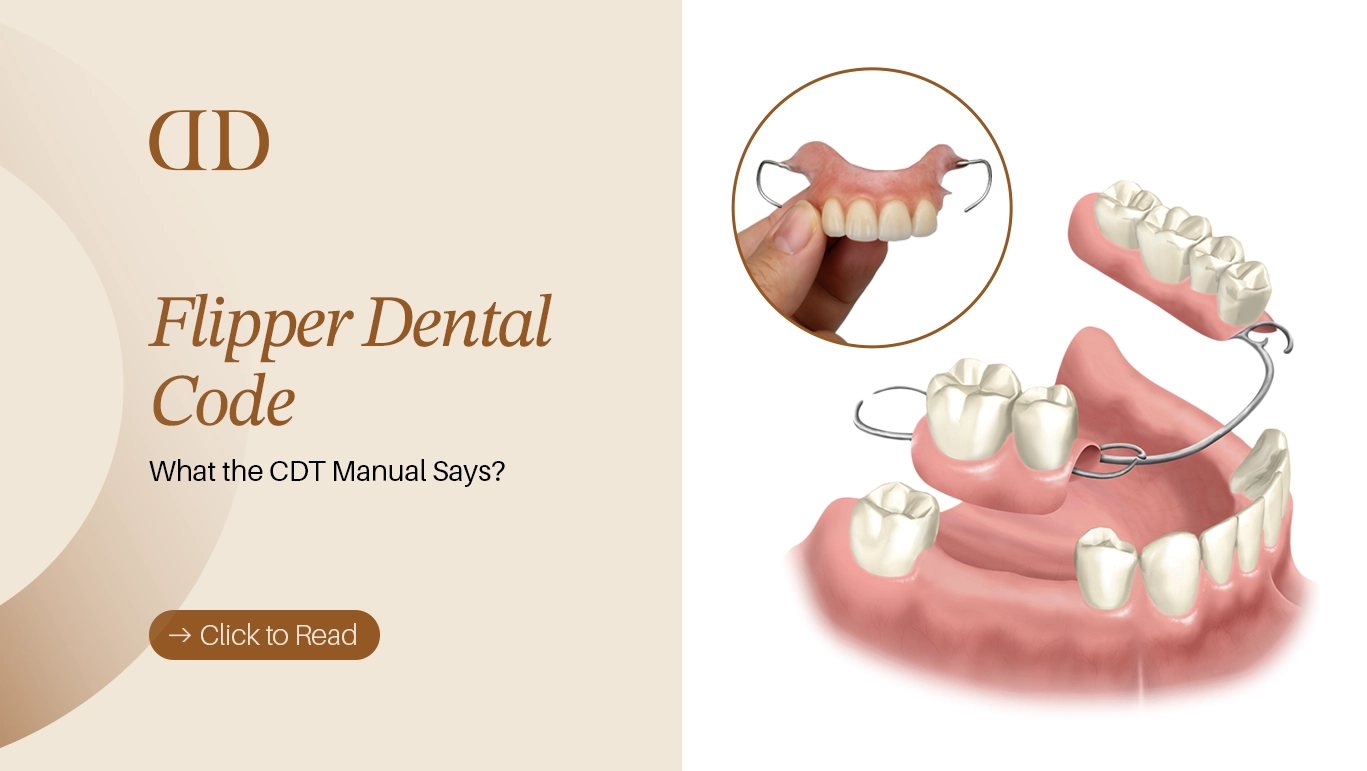

The loss of a tooth, particularly in the “aesthetic zone” at the front of the mouth, can be a distressing experience that requires an immediate, albeit often temporary, solution. In clinical practice, the most common interim fix is an acrylic removable partial denture, colloquially known among patients and providers as a flipper. For administrative staff and patients navigating insurance claims, understanding the specific dental flipper code is essential for ensuring accurate billing and reimbursement. Because these devices are categorized as “interim” prosthetics, the CDT (Current Dental Terminology) manual provides distinct classifications that separate them from permanent cast-metal partials.
What is Dental Flipper?
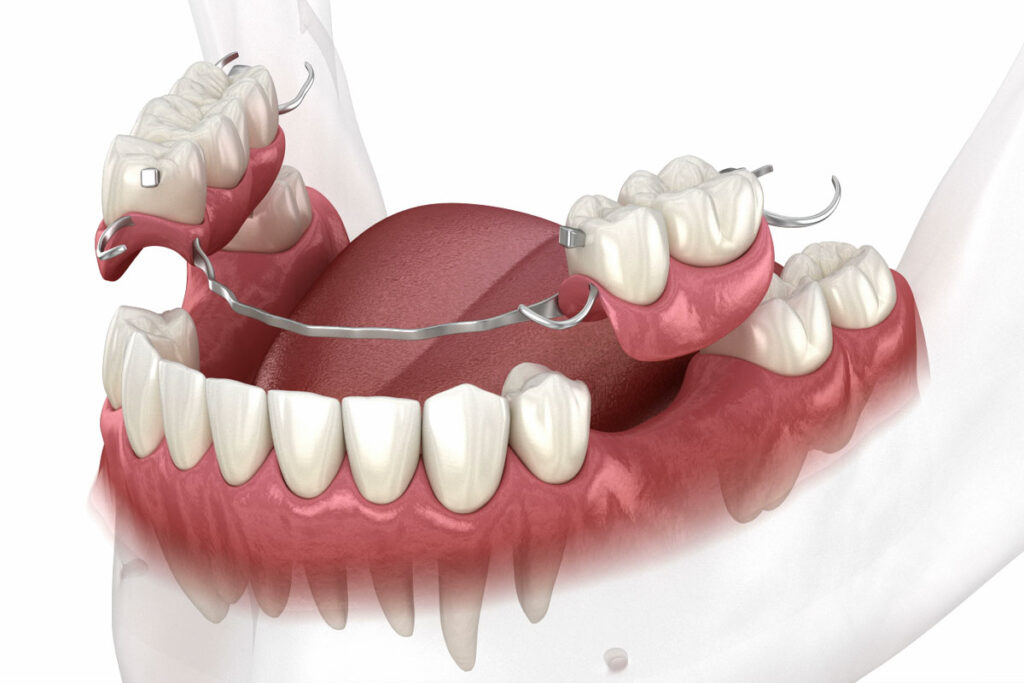
A dental flipper is essentially a lightweight, temporary removable partial denture that serves as a placeholder for one or more missing teeth. It is typically crafted from pink, tissue-colored acrylic that mimics the appearance of the gums, with prosthetic teeth attached to fill the gaps. Unlike permanent dentures that may utilize a cobalt-chrome framework for long-term durability, a flipper dental appliance is designed for short-term use usually while a patient waits for an implant to osseointegrate or for a bridge to be fabricated.
The beauty of the dental flipper lies in its simplicity and speed of fabrication. For many patients, it is the go-to solution for a dental flipper front tooth emergency. If a tooth is lost due to trauma or a failed root canal, a lab can often produce a flipper within twenty-four to forty-eight hours. While it provides a significant aesthetic boost, it is important to remember that its structural integrity is lower than that of permanent prosthetics. It is a transitional tool, a bridge between the clinical reality of tooth loss and the eventual restorative goal.
The Material Composition
Most flippers are made from polymethyl methacrylate (PMMA), a biocompatible resin. Because there is no metal frame, the device is thin and rests primarily on the palatal tissue (in the upper arch) or the lingual mucosa (in the lower arch). This makes the dental flipper code submission even more critical, as insurance companies need to distinguish this resin-based interim solution from more complex, long-term prosthetic options.
What is the Dental Code for a Flipper
When submitting claims to insurance, “flipper” is not a term you will find in the official ADA CDT manual. Instead, you must look for the term “interim” or “temporary” partial denture. The specific dental flipper code used depends entirely on whether the device is for the upper or lower jaw. Accuracy here is paramount, as using a permanent denture code for a temporary device can lead to claim denials or “LEAT” (Least Expensive Alternative Treatment) clauses being triggered inappropriately.
Standard CDT Codes for Flippers
The primary dental flipper code selections are:
- D5820: Interim partial denture (maxillary). This is the dental code for flipper used for the upper jaw.
- D5821: Interim partial denture (mandibular). This is the dental code for flipper used for the lower jaw.
These codes are specifically designated for “prostheses maintained for a limited period of time, often to assist in healing or to provide aesthetics while a permanent restoration is being fabricated.” It is vital to document the clinical necessity for the dental flipper code in the patient’s chart, noting that the patient is in a “transitional phase” of treatment.
Why the “Interim” Distinction Matters
Insurance providers often have different frequency limitations for interim versus permanent dentures. For instance, a permanent partial might only be covered once every five years. If a dentist uses a permanent code for a temporary dental flipper tooth, the patient might be ineligible for coverage when they eventually need their final bridge or implant crown. Therefore, utilizing the correct dental flipper code ensures the patient’s long-term benefits remain intact for the final phase of their dental journey.
| Code | Description | Application |
| D5820 | Interim partial denture, maxillary | Upper jaw dental flipper code |
| D5821 | Interim partial denture, mandibular | Lower jaw dental flipper code |
| D5211 | Maxillary partial denture – resin base | Permanent (not for flippers) |
| D5212 | Mandibular partial denture – resin base | Permanent (not for flippers) |
According to the American Dental Association (ADA), clinicians must ensure that the treatment notes reflect the temporary nature of the device to justify the use of the dental flipper code D5820 or D5821.
```html
```
Premium Dental Care in Turkey
Expert treatments with high-end technology. Get your personalized quote today via WhatsApp.
How Does a Dental Flipper Work
Understanding the mechanics of a dental flipper is key to managing patient expectations. Because it lacks the rigid metal clasps of a traditional partial, it relies on a combination of surface tension (suction) against the roof of the mouth and the natural undercuts of the remaining teeth. In some cases, small “C-clasps” or “ball clasps” made of wrought wire are embedded into the acrylic to provide a bit more retention, though the dental flipper code remains the same regardless of these minor additions.
The device works by “flipping” into place hence the name. The acrylic base is molded to the exact contours of the patient’s palate or floor of the mouth. When the dental flipper tooth is inserted, it fills the edentulous (empty) space. Because the acrylic is thin, it allows the patient to speak and smile with relative ease, though there is a learning curve associated with the bulk of the material on the palate.
```html  ```
```
Want trusted dental advice in your Google AI answers?
Add Darya Dental Turkey as a Preferred Source on Google to make our dental guides easier to find in your search results and AI Overviews.
Stability and Support
The dental flipper code covers a device that is tissue-borne, meaning the pressure of biting is transferred directly to the gums rather than being supported by the surrounding teeth. This is why a dental flipper vs partial denture comparison often highlights that flippers are less stable for heavy chewing. The primary function is aesthetic maintenance and space preservation preventing the adjacent teeth from tilting into the gap while waiting for a permanent solution.
What is a Dental Flipper Tooth
A dental flipper tooth is the prosthetic component of the interim partial denture. These teeth are usually made of acrylic or composite resin and are selected to match the shade, shape, and size of the patient’s natural dentition. When a patient requests a dental flipper front tooth, the dental technician pays special attention to the “incisal translucency” and “cervical shading” to ensure the replacement looks as natural as possible under different lighting conditions.
Components of the Device
- The Acrylic Base: This is the pink part that acts as the “foundation.” It must be durable enough to withstand the forces of the mouth but thin enough to be comfortable.
- The Prosthetic Tooth: The actual dental flipper tooth that fills the gap.
- Retention Elements: Optional wire clasps that help the device stay in place during speech.
The dental flipper code applies to the entire assembly. Even if the device replaces three or four teeth, the dental flipper code (D5820/D5821) is typically billed per arch, not per tooth. However, some insurance plans may require a breakdown of the number of teeth involved.
At Darya Dental Clinic, we emphasize that while the dental flipper tooth is designed to look real, it is inherently more fragile than a natural tooth or a porcelain crown. Patients are advised to avoid biting directly into hard foods with the flipper dental appliance, as the acrylic-to-acrylic bond can snap under high shear stress. This clinical reality is a major factor in why the dental flipper code is categorized under “interim” services in the CDT manual it acknowledges the limitations of the material.
The Clinical Necessity of the Dental Flipper Code
Why is the dental flipper code so frequently used in modern restorative dentistry? The answer lies in the physiological response to tooth loss. When a tooth is removed, the surrounding bone begins to resorb, and the neighboring teeth can shift. By utilizing the dental flipper code to provide an interim solution, dentists can maintain the “M-D” (Mesial-Distal) space. This ensures that when the time comes for a permanent implant or bridge, there is still enough room to place a restoration that is proportional to the rest of the smile.
Furthermore, for many, the psychological impact of a missing front tooth is profound. The dental flipper front tooth serves as a vital tool for social confidence. From a billing perspective, the dental flipper code allows the clinic to provide this essential psychological support at a lower price point than permanent alternatives, making dental care more accessible during complex multi-stage treatments.
By clearly defining the dental flipper code in the treatment plan, providers at Darya Dental Clinic ensure that patients understand they are receiving a high-quality temporary solution that paves the way for their final, permanent smile.
Can You Eat With a Dental Flipper?
One of the most frequent questions we encounter at Darya Dental Clinic regarding the dental flipper code is whether the device is functional for eating. While a dental flipper restores the appearance of a full smile, its utility during meals is somewhat limited compared to permanent restorations. Because the flipper dental appliance is made of thin acrylic and lacks the mechanical support of a metal framework or dental implants, it is primarily designed for aesthetics rather than heavy mastication.
Patients can eat with a dental flipper tooth in place, but it requires a strategy. Since the device is tissue-borne, biting into hard or crunchy foods like apples, crusty bread, or tough meats can cause the acrylic base to snap or the dental flipper front tooth to pop off. Furthermore, sticky foods like caramel or chewing gum can easily dislodge the appliance, leading to an embarrassing or uncomfortable situation.
We generally recommend the following for patients using a device billed under the dental flipper code:
- Cut food into small pieces: Avoid using your front teeth to “tear” food.
- Chew with back teeth: Try to direct the force of chewing toward your natural molars.
- Stick to softer diets: Foods like pasta, cooked vegetables, and soft proteins are ideal.
The dental flipper code reflects an interim solution; therefore, the device is not intended to withstand the long-term rigors of a full, unrestricted diet. If you find that eating is consistently difficult, it may be time to discuss moving from the dental flipper code phase of treatment to a more stable partial denture or implant.
How to Clean a Dental Flipper
Maintaining oral hygiene is critical when wearing a flipper dental appliance. Because the acrylic base covers a significant portion of the palate or gum tissue, it can trap food particles and bacteria. If the device isn’t cleaned properly, it can lead to bad breath, tooth decay on neighboring teeth, or even fungal infections like oral thrush (candidiasis).
Even though the dental flipper code covers a temporary device, that device must be treated with care to last through the healing period. You should clean your dental flipper at least twice a day.
Step-by-Step Cleaning Guide
- Rinse after meals: Remove the dental flipper tooth and rinse it under lukewarm water to clear away loose debris.
- Brush with a soft-bristled brush: Use a non-abrasive denture paste or mild dish soap. Regular toothpaste is often too abrasive for the acrylic used in a dental flipper and can create microscopic scratches where bacteria hide.
- Soak overnight: When you sleep, your gums need a break. Place the device in a glass of water or a mild denture soaking solution. This keeps the acrylic from drying out and warping, which would render the dental flipper code billing for a replacement necessary.
- Brush your natural teeth and gums: While the dental flipper is out, thoroughly clean your remaining teeth and the soft tissue where the flipper sits.
Dental Flipper vs Partial Denture
When discussing treatment options, many patients are confused about the difference between a dental flipper vs partial denture. While both are removable, they serve very different clinical purposes, which is why the dental flipper code is distinct from the codes used for permanent prosthetics.
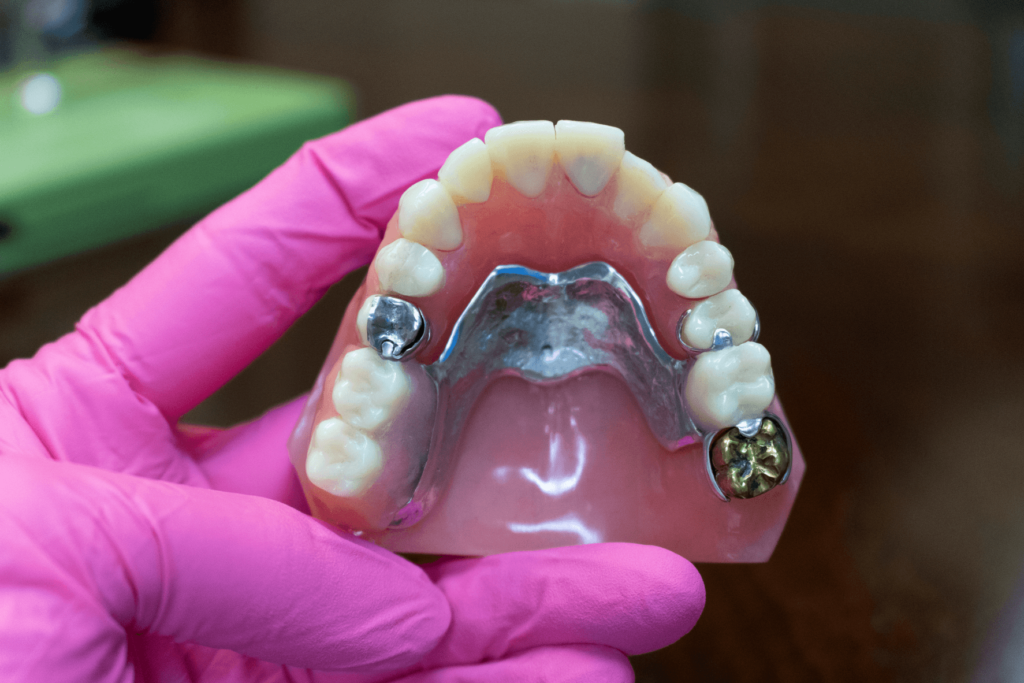
A dental flipper is a type of partial denture, but it is classified as “interim.” A standard partial denture usually features a cast-metal framework (often chrome-cobalt) and is designed to last five to ten years. In contrast, the flipper dental option is entirely acrylic and intended for use for only a few months.
Key Differences at a Glance
| Feature | Dental Flipper | Permanent Partial Denture |
| Material | Lightweight Acrylic | Metal Framework + Acrylic/Porcelain |
| Durability | Low (Temporary) | High (Long-term) |
| Cost | Lower dental flipper cost | Higher investment |
| CDT Code | dental flipper code (D5820/D5821) | Permanent codes (D5213/D5214) |
| Primary Use | Healing phase/Aesthetics | Functional restoration/Chewing |
Choosing between a dental flipper vs partial denture often comes down to where you are in your treatment timeline. If you have just had an extraction and are waiting for an implant to heal, the dental flipper code is the appropriate path. If you are looking for a long-term, non-surgical replacement for missing teeth, a permanent partial denture is the better clinical choice.
How Much Does a Dental Flipper Cost?
The dental flipper cost is generally one of the most affordable ways to replace a missing tooth in the short term. Because the materials are less expensive and the laboratory turnaround is faster, the price is significantly lower than that of a bridge or an implant.
On average, the dental flipper cost ranges from $300 to $600 per arch. This price can vary based on several factors:
- The number of teeth: While the dental flipper code covers the base appliance, adding multiple teeth may slightly increase the laboratory fee.
- Geographic location: Dental fees vary by region and the expertise of the dental technician.
- Materials used: High-impact acrylics or the addition of wrought-wire clasps can influence the final dental flipper cost.
Insurance and the Dental Flipper Code
Most insurance plans cover a portion of the dental flipper code (D5820 or D5821) because they recognize it as a necessary step in the restorative process. Coverage usually ranges from 50% to 80%, depending on your specific policy. However, it is important to check if your insurance has a “missing tooth clause,” which may limit coverage if the tooth was lost before the policy began. By using the correct dental flipper code, Darya Dental Clinic helps maximize your benefits while ensuring your out-of-pocket dental flipper cost remains manageable.
Frequently Asked Questions About Dental Flipper
1. How Long Can I Wear a Dental Flipper?
A dental flipper is designed for short-term use, typically between 3 to 12 months. While some patients wear them longer, the acrylic can become brittle over time, and the fit may change as the bone and gums reshape after an extraction. Utilizing the dental flipper code for a temporary fix is the standard of care while waiting for a permanent solution.
2. Is a Dental Flipper Comfortable?
Initially, any flipper dental appliance will feel like a “mouthful.” Because it covers the palate, it may affect your speech (causing a slight lisp) and your sense of taste for the first few days. However, most patients adjust quickly to the dental flipper tooth once the tongue learns how to move around the new material.
3. Can I Sleep with My Dental Flipper in?
It is strongly recommended that you remove the device at night. Your gum tissues need “breathable” time to prevent irritation and infection. Keeping the dental flipper in 24/7 can lead to tissue overgrowth or fungal issues, which may complicate the next steps of your treatment plan.
4. What Happens if I Break My Flipper?
Because the dental flipper code refers to an interim acrylic device, they are prone to breakage if dropped or if you bite something too hard. In many cases, a flipper dental appliance can be repaired in the lab, but if the fracture is severe, a new one may need to be fabricated.
5. Will the Dental Flipper Code Cover a Replacement if I Lose it?
Insurance companies usually only pay for the dental flipper code once per tooth/arch within a specific timeframe (often 5 years). If you lose your dental flipper, you may have to pay the full dental flipper cost out of pocket for a replacement.
