
The Composite Bonding Controversy: Pros, Cons & Expert Opinions
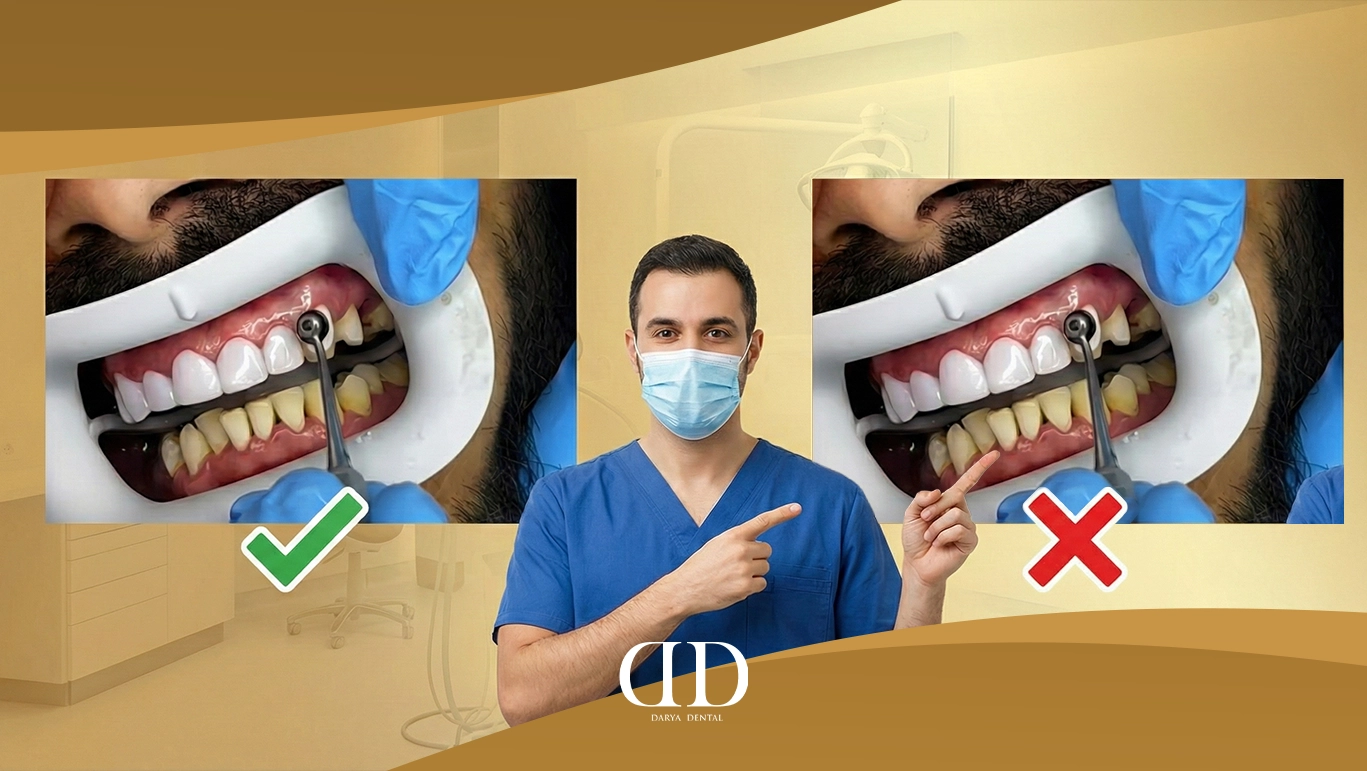

Composite bonding has become a popular option for improving the shape, color, and proportions of teeth with relatively little tooth preparation. It can be used for chipped teeth, small gaps, discoloration, minor shape changes, and selected cosmetic corrections.
At the same time, composite bonding is not a permanent or maintenance-free treatment. Its appearance and longevity can be affected by staining, wear, fractures, oral hygiene, bite forces, material choice, and the quality of the clinical work. This is why the debate around composite bonding is less about whether the treatment is good or bad and more about when it is appropriate, what patients should realistically expect, and how it compares with other options.
What Is Composite Bonding?
Composite bonding is a restorative and cosmetic dental technique in which tooth-colored composite resin is applied directly to the tooth, shaped, hardened with a curing light, and polished. Depending on the case, it can improve tooth shape, close small spaces, repair minor chips, or mask certain discolorations.
The dentist prepares the tooth surface as needed, applies the bonding system, adds the composite in layers, shapes the restoration, cures it with light, and finishes and polishes the surface. Treatment time varies according to the number of teeth and complexity of the case, so there is no single appointment length that applies to every patient.
Here’s what composite bonding can fix:
- Chipped or cracked teeth
- Gaps between teeth
- Discolored teeth that don’t respond well to whitening
- Slightly misaligned teeth
- Teeth that are shorter than desired
- Certain areas of exposed root surfaces
Composite bonding is attractive because it can often be completed with limited tooth preparation, provides immediate aesthetic changes, and can be repaired when a small area becomes damaged. However, these advantages do not mean it is the best option for every cosmetic concern.
Why Has Composite Bonding Become So Popular?
Social media has made composite bonding more visible through before-and-after photographs and smile makeover content. Its relatively quick treatment time and conservative approach also make it attractive to patients who want visible cosmetic changes without extensive tooth preparation.
The concern is not that social media has made composite bonding popular. The concern is that highly edited or simplified content can make the treatment appear universally suitable or maintenance-free. Patients should understand that the result depends on their teeth, bite, oral health, treatment goals, and the clinician’s technique.
But here’s what’s fueling concern among dental professionals: many patients view composite bonding as a permanent solution when it’s actually a temporary one. They’re getting 10, 15, even 20 teeth covered in composite resin in their twenties, without fully understanding that this material typically lasts only 5-7 years before needing replacement.
```html
```
Premium Dental Care in Turkey
Expert treatments with high-end technology. Get your personalized quote today via WhatsApp.
Why Is Composite Bonding Controversial?
One of the main concerns is what happens when composite bonding needs repair or replacement. The long-term outcome depends on how the original restoration was placed, how it is maintained, why it failed, and how the restoration is removed or repaired.
Replacement does not automatically mean that a significant amount of healthy enamel must be removed. In some situations, a restoration can be repaired or refurbished rather than completely replaced. The appropriate approach depends on the condition of the tooth and restoration.
```html  ```
```
Want trusted dental advice in your Google AI answers?
Add Darya Dental Turkey as a Preferred Source on Google to make our dental guides easier to find in your search results and AI Overviews.
This is the composite bonding long-term effects that have some dentists genuinely worried.
Research published in the Journal of Dentistry highlights concerns about the longevity and replacement requirements of composite restorations, noting that “the adhesive/dentin interface can be the first defense against substances that may penetrate and ultimately undermine the composite restoration.”
The composite bonding controversy centers on a few key concerns:
Patient understanding: Patients should know that composite bonding can require maintenance, repair, or replacement.
Appropriate case selection: Orthodontics, whitening, veneers, restorative treatment, or another option may be more appropriate depending on the underlying problem.
Clinical technique: The result depends on material selection, bonding technique, tooth preparation, shaping, finishing, polishing, and the clinician’s experience.
Marketing and expectations: Before-and-after images do not show how a restoration will perform years later.
These aren’t hypothetical concerns. These are questions dental professionals are actively debating in their journals and conferences.
The Advantages of Composite Bonding
Before you think I’m completely anti-bonding, let me be clear: composite bonding has legitimate uses and genuine advantages.
The pros of composite bonding include:
Minimal Invasiveness: Composite bonding generally requires less removal of tooth structure than full-coverage restorations and can often be performed with little or no reduction of healthy enamel, depending on the case.
Single-Visit Solution: Many straightforward bonding procedures can be completed in a single appointment, although more extensive cases may require additional visits.
Reversibility: Composite bonding is generally more conservative and potentially more reversible than treatments that require substantial tooth preparation. However, it should not be described as perfectly reversible because tooth preparation, surface conditioning, or previous restorations may affect the process.
Cost-Effectiveness: Composite bonding can have a lower initial cost than some laboratory-made restorations, although the total value depends on how many teeth are treated, how long the result lasts, and the maintenance required.
Immediate Results: You see the transformation instantly. No lab work, no waiting period, no temporary restorations.
When does composite bonding make perfect sense?
- Fixing a single chipped tooth from an accident
- Closing a small gap that bothers you
- Covering a discolored tooth that doesn’t respond to whitening
- Minor cosmetic adjustments to one or two teeth
- Temporary solution while you save for more permanent treatment
Composite bonding is particularly useful for localized or moderate cosmetic changes, while more extensive cases may require a different treatment plan.
Common Limitations of Composite Bonding
Let’s address the elephant in the room: the composite bonding problems that don’t make it into the marketing materials.
Staining: The Coffee Conundrum
Composite restorations can develop surface discoloration over time. The degree of staining depends on the material, surface finish, oral hygiene, diet, smoking, and other individual factors. Surface roughness can influence the staining behavior of resin composites, which is one reason finishing and polishing are clinically important.
Whitening treatments primarily change the color of natural tooth structure and do not simply lighten an existing composite restoration in the same way. If a significant shade mismatch develops, polishing, repair, or replacement may be considered depending on the situation.
- Drink coffee, tea, or red wine regularly
- Smoke or vape
- Consume curry, berries, or other pigmented foods frequently
Studies on composite resin materials show that discoloration increases with time and exposure to staining agents. Unlike your natural teeth, bonded areas can’t be whitened—the composite bonding discoloration is permanent once it sets in.
Your options when staining occurs? Replace the bonding. Which brings us back to that restorative spiral.
Chipping and Wear: The Durability Question
Composite bonding can chip or wear, particularly when it is exposed to high functional forces or habits such as nail biting, chewing hard objects, or bruxism. The risk also varies according to tooth location, restoration design, material, and occlusion.
Clinical studies show that fracture of the tooth or restoration is an important reason for failure in anterior composite restorations, while aesthetic problems such as color and surface staining can also contribute to failure.
The Bulkiness Problem
If too much composite is added, the restoration can look bulky or interfere with cleaning. Proper contouring is therefore important not only for aesthetics but also for maintaining access for brushing and flossing around the restoration.
Can Teeth Rot Under Composite Bonding?
Tooth decay can develop around a composite restoration if plaque accumulates at the margins or if the tooth is otherwise exposed to caries risk. A restoration does not make the underlying tooth immune to decay.
Good oral hygiene, appropriate contouring, regular examinations, and professional maintenance can help reduce the risk. If a restoration becomes defective, the dentist can determine whether polishing, repair, replacement, or treatment of the underlying tooth is appropriate.
Composite Bonding vs Veneers vs Crowns: The Real Comparison
The composite bonding vs veneers debate isn’t just about cost—it’s about understanding what you’re actually getting for your money.
| Feature | Composite Bonding | Porcelain Veneers | Crowns |
|---|---|---|---|
| Lifespan | 5-7 years | 10-15 years | 15-30 years |
| Cost per tooth | $300-$600 | $1,000-$2,500 | $1,000-$3,000 |
| Visits required | 1 | 2-3 | 2-3 |
| Tooth preparation | Minimal/none | ~0.5mm enamel removal | Significant reduction |
| Stain resistance | Low | High | High |
| Strength | Moderate | High | Very high |
| Repairability | Easy | Difficult | Requires replacement |
| Reversibility | Mostly reversible | Irreversible | Irreversible |
| Customization | Freehand (variable) | Lab-fabricated (precise) | Lab-fabricated (precise) |
The composite veneers vs porcelain veneers comparison often comes down to budget versus longevity. If you spend $600 on composite bonding that lasts 6 years, you’re paying $100 per year. If you spend $1,500 on a porcelain veneer that lasts 15 years, you’re also paying $100 per year—but with better aesthetics and less frequent replacements.
Bonding vs crowns is usually about the extent of damage. Crowns are for teeth that need structural support; bonding is for cosmetic enhancement of healthy teeth.
Cost Breakdown: Is Composite Bonding Worth It?
Let’s talk numbers, because understanding the true composite bonding cost means looking beyond the initial price tag. (Composite prices are estimated based on the average cost in the US or the UK)
Initial Investment:
- Single tooth: $300-$600
- Two front teeth: $600-$1,200
- Full smile (8-10 teeth): $2,400-$6,000
Hidden Costs:
- Replacement every 5-7 years (same price)
- Polishing/maintenance: $100-$200 annually
- Potential complications: Variable
- Lost time for appointments: Consider your hourly rate
Lifetime Cost Calculation: If you get composite bonding at 25 and maintain it until 75 (50 years), you’ll need approximately 7-10 replacement cycles. For a full smile makeover:
- Initial cost: $4,000
- 9 replacements: $36,000
- Total: $40,000 over 50 years
Compare this to porcelain veneers:
- Initial cost: $12,000
- 3 replacements: $36,000
- Total: $48,000 over 50 years
The difference is smaller than you’d think when you factor in longevity. And veneers maintain their appearance better throughout their lifespan.
Does insurance cover composite bonding? Usually not if it’s purely cosmetic. However, if bonding is used to repair a chip or crack, some insurance plans will cover a portion of the dental bonding cost.
How Long Does Composite Bonding Really Last?
The composite bonding lifespan depends on several factors:
Average Lifespan: 5-7 years
Best Case Scenario: Up to 10 years if you:
- Have impeccable oral hygiene
- Don’t consume staining foods/drinks
- Don’t grind your teeth
- Get bonding only on front teeth (less pressure)
- Visit your dentist regularly for maintenance
Worst Case Scenario: 2-3 years if you:
- Smoke or vape
- Drink coffee daily
- Grind your teeth
- Have bonding on back teeth (high pressure area)
- Skip regular dental check-ups
Research on composite resin longevity indicates that “the success of clinical restorations depends on a variety of factors including proper technique, appropriate materials, and proper patient selection.”
The do composite bonding last question really should be: “How long will composite bonding last for me specifically, given my habits and lifestyle?”
What to Consider Before Getting Composite Bonding: Your Decision Framework
Before you book that appointment, work through these questions:
1. Why do you want composite bonding?
- Single cosmetic flaw? Probably appropriate.
- Complete smile makeover? Consider veneers.
- Misalignment issues? Orthodontics might be better long-term.
2. Are you prepared for maintenance?
- Can you afford replacement every 5-7 years?
- Will you avoid staining foods/drinks?
- Can you commit to meticulous oral hygiene?
3. Have you explored alternatives?
- Could teeth whitening address your concern?
- Would orthodontics provide a more permanent solution?
- Is saving for veneers worth the wait?
4. Is your dentist being transparent? Ask specifically:
- How long will this last on my teeth, given my lifestyle?
- What will happen when it needs replacement?
- How much enamel will be removed, if any?
- What are my alternatives?
- Can I see examples of your work after 5+ years?
5. Are you the right candidate?
Composite bonding works best for:
- Minor cosmetic corrections
- People with excellent oral hygiene
- Those who don’t grind their teeth
- Non-smokers with minimal staining habits
- Patients who understand it’s temporary
Poor candidates include:
- Heavy teeth grinders
- Smokers or frequent coffee/wine drinkers
- Those seeking a permanent solution
- People who can’t afford regular replacements
- Anyone expecting veneer-quality results at bonding prices
The Honest Verdict: When to Get Composite Bonding (And When to Walk Away)
Composite bonding isn’t inherently good or bad it’s a tool. Like any tool, it’s excellent when used appropriately and problematic when misapplied. If you are considering treatment in Turkey, review our composite bonding treatment in Istanbul page for clinical suitability, treatment planning and current package details.
Get composite bonding if:
- You need to fix one or two teeth with minor issues
- You’re using it as a temporary solution while you save for veneers
- You fully understand the 5-7 year replacement cycle
- Your dentist has shown you realistic examples of aged bonding work
- You’re prepared for the maintenance commitment
Walk away if:
- You’re being sold a full smile makeover in your twenties
- The dentist glosses over longevity concerns
- You’re told it’s “basically the same as veneers”
- You can’t afford the replacement cycle
- You’re looking for a permanent solution
Explore alternatives if:
- You grind your teeth at night
- You’re a heavy coffee/wine consumer or smoker
- You want comprehensive smile transformation
- You have significant misalignment issues
- Budget allows for more durable options
Composite Bonding Aftercare: Making It Last
If you do get composite bonding, maximize its lifespan with proper composite bonding care:
Daily Maintenance:
- Brush gently with a soft-bristle toothbrush
- Use non-abrasive toothpaste
- Floss carefully around bonded teeth
- Avoid biting directly into hard foods
Dietary Adjustments:
- Minimize coffee, tea, red wine, and dark berries
- Cut hard foods rather than biting into them
- Avoid using teeth as tools (opening packages, etc.)
- Use a straw for staining beverages when possible
Professional Care:
- Visit your dentist every 6 months
- Get professional cleanings
- Have bonding polished during checkups
- Address chips or cracks immediately
Protection:
- Wear a night guard if you grind your teeth
- Use a mouthguard for contact sports
- Be mindful of jaw clenching during stress
Frequently Asked Questions
Is composite bonding OK for your teeth?
Yes, when done properly by a qualified dentist. Composite bonding doesn’t damage healthy tooth structure and can actually protect exposed areas. However, it requires commitment to maintenance and eventual replacement.
What are the disadvantages of composite bonding?
The main composite bonding disadvantages include: shorter lifespan (5-7 years), susceptibility to staining, potential for chipping, need for regular replacement, and the risk of entering a restorative spiral with repeated applications.
Is composite bonding permanent?
No. Despite what some marketing might suggest, composite bonding is a temporary cosmetic solution that typically lasts 5-7 years before requiring replacement or touch-ups.
Does composite bonding damage teeth?
Not inherently, but repeated replacement cycles can gradually reduce natural tooth structure as small amounts of enamel are removed with each bonding removal and reapplication.
Can composite bonding be whitened?
No. Once composite resin is set, it cannot be whitened. This means if you get teeth whitening later, your natural teeth will lighten but the bonded areas will remain their original shade, creating a mismatch.
Is composite bonding reversible?
Mostly, yes. The composite resin can be removed, though some minimal enamel roughening may have occurred during the original bonding process. It’s far more reversible than veneers or crowns.
Is dental bonding painful?
No. The composite bonding procedure is typically painless and usually doesn’t require anesthesia unless you’re having decay removed first or are particularly sensitive.
Does bonding weaken teeth?
The bonding itself doesn’t weaken teeth, but if the bond fails and allows bacteria to enter, it could lead to decay that weakens the tooth structure.
Why don’t dentists like composite bonding?
Many dentists are concerned about inappropriate use, particularly full-mouth makeovers in young patients who don’t understand the long-term commitment. The worry is about the restorative spiral and unrealistic patient expectations driven by social media trends.
The Bottom Line: Make an Informed Choice
Composite bonding has become popular for good reason—when used appropriately, it’s a fantastic option for minor cosmetic improvements. But the keyword there is “appropriately.”
If you’re considering composite bonding, you now know what questions to ask, what red flags to watch for, and what realistic expectations look like. You understand that the $500 price tag comes with a maintenance commitment, that Instagram perfection might not translate to real-world longevity, and that some dentists’ hesitation isn’t about denying you a beautiful smile—it’s about protecting your long-term oral health.
The best cosmetic dental decision is an informed one. And now you’re equipped to make it.
Ready to discuss composite bonding with a dentist who’ll give you the full picture? Book a consultation at Darya Dental Turkey, where we prioritize transparent communication about all treatment options—including when composite bonding isn’t your best choice. Because a great smile should last, not just photograph well.
