Can You Eat Normally After Getting Veneers?
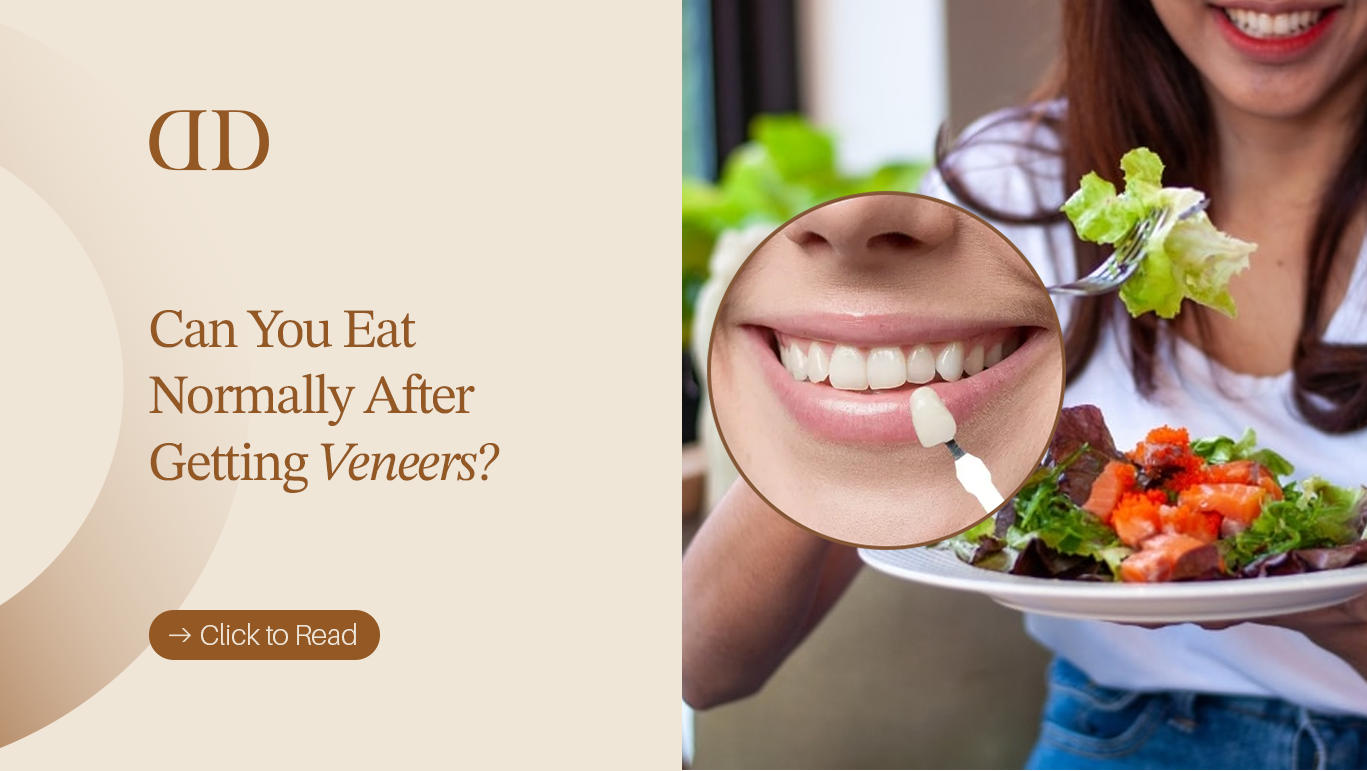

Yes, you can eat normally after getting dental veneers, but the transition requires a brief initial adjustment period. Modern porcelain restorations are bonded using light-cured resin cements that reach near-maximum bond strength almost immediately. However, your soft tissues need several days to recover from preparation, and your bite needs time to adapt to your new enamel contours. While you can enjoy almost all your favorite foods long-term, avoiding high-risk habits such as biting directly into hard objects is essential to protect your investment.
What Are Dental Veneers and How Do They Handle Chewing Forces?
Dental veneers are ultra-thin shells typically ranging from 0.3 mm to 0.7 mm in thickness custom-crafted from high-strength dental ceramic (such as lithium disilicate or feldspathic porcelain) or composite resin. They are permanently bonded to the front surface of your natural teeth to correct cosmetic imperfections, including deep discoloration, chips, minor gaps, and subtle misalignments.
On its own, a loose piece of dental porcelain is delicate and can snap under moderate pressure. However, once bonded to natural enamel using advanced adhesive resin techniques, the veneer and tooth form a single monolithic unit. Modern materials like E-max (lithium disilicate) offer a flexural strength of approximately 360 to 500 MPa, making them exceptionally durable against regular chewing forces.
At Darya Dental Clinic, located in Istanbul, Turkey (serving patients across the Ümraniye and Ataşehir districts), our cosmetic dentists utilize high-precision digital design to ensure that your final veneers match your ideal bite alignment. This precise fit distributes bite forces evenly across your dental arch, preventing premature chipping during everyday meals.
The Dietary Recovery Timeline: From Temporary to Permanent Veneers
Adapting your diet after cosmetic dentistry occurs in three distinct phases. Understanding what to expect at each stage prevents accidental displacement and minimizes post-operative sensitivity.
1.Phase 1: Temporary Veneers (The Interim Period):Crucial caution required while waiting for permanent restorations.
While your permanent veneers are hand-crafted at our partner dental laboratory, you will wear temporary acrylic veneers. Because temporary restorations are held in place with weak provisional cement so they can be removed easily, extra care is required:
- Stick to soft foods: Scrambled eggs, warm soups, yogurt, mashed potatoes, and boneless fish.
- Avoid all hard or sticky items: Nuts, crusty bread, raw carrots, caramel, and chewing gum can easily dislodge provisional shells.
- Chew primarily with molars: Shift chewing pressure to your back teeth to keep force away from your front teeth.
2.Phase 2: First 48 to 72 Hours After Final Bonding:Allowing tissue recovery and bite stabilization.
Once your permanent porcelain veneers are bonded at Darya Dental Clinic in Istanbul, the resin adhesive cures instantly under a light source. However, your surrounding gum tissues may feel mildly irritated, and your teeth may exhibit temporary sensitivity to hot or cold temperatures:
Premium Dental Care in Turkey
Expert treatments with high-end technology. Get your personalized quote today via WhatsApp.
- Wait for anesthesia to wear off: Do not attempt to eat solid food until local numbing has completely dissolved to avoid biting your cheeks or tongue.
- Choose soft-to-medium consistency foods: Rice, tender pasta, cooked vegetables, and soft poultry are ideal choices.
- Avoid extreme temperatures: Skip piping hot soups or iced drinks for 2–3 days if you experience mild dentin sensitivity.
3.Phase 3: Long-Term Dietary Freedom (Day 4 Onward):Returning to a normal, unrestrictive diet.
After your gums settle and your bite feels completely balanced, you can return to a normal diet. Modern dental porcelain handles daily chewing forces without issue. You can enjoy steaks, sandwiches, salads, and fruits freely by applying standard, sensible oral habits.

Want trusted dental advice in your Google AI answers?
Add Darya Dental Turkey as a Preferred Source on Google to make our dental guides easier to find in your search results and AI Overviews.
Long-Term Dietary Rules: What to Avoid and How to Eat Safely
Once your final restorations are securely bonded and your gums have completely healed, you can enjoy a wide, satisfying variety of foods. Modern dental porcelain is resilient, but it is not indestructible. Knowing how to protect your investment ensures your smile stays flawless for decades.
Foods to Avoid or Handle with Caution
No food is completely off-limits forever, but certain textures and physical forces pose a structural risk to porcelain shells.
- Hard and Crunchy Foods: Biting directly into hard items creates concentrated leverage on the edges of your front teeth. Avoid using your veneered teeth to crack open hard nuts, chew on ice cubes, or bite into hard candies.
- Tough, Fibrous, or Crusty Items: Crusty artisan bread, raw carrots, whole apples, and tough meats present high resistance. Instead of biting into them directly with your front teeth, slice them into bite-sized pieces and chew with your back molars.
- Sticky and Chewy Sweets: Caramels, dense toffees, and sticky candies exert pulling forces that can weaken resin bonds over time or dislodge provisional restorations.
- Non-Food Objects: Never use your teeth as tools. Opening plastic packaging, tearing tape, biting fingernails, or chewing on pen caps can easily chip ceramic edges.
Staining Concerns: Porcelain vs. Composite Resin
A frequent concern among patients is whether daily beverages will discolor their new smile.
- Porcelain Veneers (E-max & Ceramic): Porcelain is non-porous and highly resistant to surface stains. Dark liquids like black coffee, red wine, dark teas, and soy sauce will not discolor high-grade porcelain. However, excessive exposure to dark pigments can stain the exposed natural tooth margins or the micro-thin resin cement line surrounding the restoration.
- Composite Resin Veneers: Composite materials are slightly porous, similar to natural enamel. Over time, regular consumption of dark liquids, berries, or tobacco products can cause mild surface discoloration. Regular professional polishings at Darya Dental Clinic help maintain their initial luster.
How Veneer Materials Impact Chewing Strength
The durability of your new smile depends heavily on the material selected for your treatment plan. During your initial consultation in Istanbul, our team evaluates your bite dynamics and aesthetic goals to recommend the ideal option.
Lithium Disilicate (E-max)
E-max is widely considered the gold standard in cosmetic dentistry. Pressed from a single block of lithium disilicate ceramic, it achieves flexural strength ratings between 360 and 500 MPa. E-max offers an optimal blend of glass-like translucency and high structural integrity, making it ideal for both front aesthetic areas and premolars.
Zirconia-Based Veneers
Zirconia boasts extreme flexural strength, often exceeding 900 to 1,200 MPa. It is virtually unbreakable under normal biting conditions. While slightly less translucent than E-max, modern multi-layered zirconia formulations provide outstanding durability for patients with strong bite forces or minor clenching habits.
Layered Feldspathic Porcelain
Feldspathic porcelain is hand-crafted layer by layer by experienced dental technicians. It offers unmatched natural optical depth and subtle color variations. With a flexural strength around 90 to 120 MPa, it requires careful handling and precise bite balancing, but delivers breathtaking cosmetic results.
Composite Resin Direct Veneers
Composite veneers are sculpted directly onto the tooth in a single appointment using light-cured resin. With a compressive and flexural strength lower than porcelain (typically 120 to 160 MPa), composite resin is more susceptible to minor chipping or wear over time, though it can be easily repaired in-office.
Managing Post-Placement Tooth Sensitivity
Experiencing mild tooth sensitivity after getting veneers is a standard, temporary part of the recovery process.
Why Sensitivity Occurs
During the preparation phase, a minimal layer of natural enamel (often less than 0.5 mm) is reshaped. This process brings the underlying dentin which contains microscopic fluid-filled tubules leading directly to the tooth nerve closer to hot, cold, or pressure stimuli. Additionally, conditioning the tooth surface with mild dental etchants can cause short-term thermal sensitivity.
How Long It Lasts
For most patients, sensitivity subsides within 7 to 14 days as the nerve adapts and protective secondary dentin forms naturally. Minor gum tenderness around the tissue margins usually resolves within 3 to 5 days.
Practical Relief Strategies
- Desensitizing Toothpaste: Use a toothpaste containing potassium nitrate or stannous fluoride for 2 weeks prior to and following treatment.
- Avoid Extreme Temperatures: Skip boiling-hot soups and iced beverages during the first week.
- Gentle Oral Hygiene: Use a soft-bristled toothbrush and non-abrasive paste to clean around sensitive gum lines.
- Over-the-Counter Pain Relief: Mild anti-inflammatory medications (such as ibuprofen) can manage temporary discomfort effectively.
If sensitivity persists beyond three weeks or causes severe, sharp pain when biting down, a minor bite adjustment may be needed to rebalance contacts.
Veneers vs. Alternative Cosmetic Treatments: A Direct Comparison
Choosing the right cosmetic restoration depends on your specific aesthetic goals, existing enamel health, and chewing habits. The table below illustrates how porcelain veneers compare to alternative treatments in terms of strength, longevity, and post-care dietary flexibility.
| Cosmetic Option | Material Composition | Flexural Strength | Average Lifespan | Primary Dietary Restriction | Ideal Candidate |
| Porcelain Veneers (E-max) | Lithium Disilicate Ceramic | 360 – 500 MPa | 10 – 15+ Years | Avoid biting directly into hard objects (nuts, ice, crusts) | Patients with minor misalignments, chips, or severe stains seeking maximum aesthetics. |
| Composite Veneers | Micro-hybrid Dental Resin | 120 – 160 MPa | 5 – 7 Years | Limit dark liquids (coffee, red wine) to prevent staining; soft biting | Patients seeking a quick, conservative, and budget-friendly smile refresh. |
| Full Porcelain Crowns | Ceramic / Zirconia Core | 900 – 1,200 MPa | 15 – 20+ Years | Minimal restrictions after initial healing period | Teeth with extensive structural damage, severe wear, or root canal treatments. |
| Composite Bonding | Light-cured Microfill Resin | 100 – 140 MPa | 3 – 5 Years | High risk of chipping; avoid biting hard items directly | Minor edge chips, subtle gap closures, or small cosmetic tweaks. |
According to a clinical study published in the Journal of Dentistry, lithium disilicate porcelain restorations maintain a survival rate exceeding 93.5% over a ten-year evaluation period when proper care guidelines are followed.
Daily Maintenance Checklist for Long-Lasting Veneers
To keep your bonded restorations pristine and ensure long-term comfort while eating, incorporate these daily habits into your oral hygiene routine:
- Use a Non-Abrasive Toothpaste: Avoid highly abrasive whitening toothpastes containing silica or baking soda, as they can scratch the micro-polished glaze of porcelain and composite over time.
- Commit to Daily Flossing: Clean between your teeth daily using traditional string floss or an interdental brush to prevent marginal decay where the veneer meets natural tooth enamel.
- Wear a Protective Nightguard: If you show signs of nocturnal bruxism (teeth grinding or jaw clenching), wearing a custom-fitted occlusal guard prevents extreme lateral forces from chipping your ceramic restorations during sleep.
- Schedule Routine Cleanings: Visit Darya Dental Clinic in Ümraniye and Ataşehir every 6 months for professional hygiene appointments and bite evaluations.
Frequently Asked Questions
Can I eat pizza and crusty bread with dental veneers?
Yes, you can eat pizza and crusty bread once your final porcelain veneers are permanently bonded. However, rather than tearing into hard, chewy crusts using your front veneered teeth, tear or cut the portion into bite-sized pieces and chew using your molars.
Will eating hot and cold foods damage my veneers?
No. High-grade dental porcelain is thermally stable and will not crack under standard dietary temperature variations. While you may experience mild, temporary temperature sensitivity in your natural dentin during the first week following placement, the ceramic shells themselves remain unaffected by hot beverages or cold treats.
What should I do if a veneer feels loose while eating?
If a veneer feels loose or dislodges during a meal, avoid chewing on that side of your mouth immediately. Save the dislodged shell if intact, store it in a clean container, and contact Darya Dental Clinic promptly. Do not attempt to reattach the restoration using commercial superglues or home adhesives.
Can I drink coffee, tea, and red wine with porcelain veneers?
Yes. High-fired porcelain veneers feature a smooth, non-porous glazed surface that resists staining from dark pigments like coffee, tea, and red wine. To protect the underlying natural tooth structure and cement margins, maintain consistent daily brushing and rinsing habits.
Is it safe to chew gum after getting permanent veneers?
Chewing sugar-free gum is safe once your permanent porcelain restorations are fully bonded. However, avoid sticky gums or dense chewy candies while wearing temporary acrylic veneers, as provisional cements are designed for easy removal and can be pulled loose.
Protecting Your New Smile at Darya Dental Clinic
Getting dental veneers does not mean sacrificing the joy of eating your favorite meals. After a brief adjustment period and with sensible eating habits like cutting hard foods into smaller bites you can enjoy a completely normal, unrestricted diet with confidence.
At Darya Dental Clinic in Istanbul, Turkey, our experienced cosmetic dentistry team combines advanced digital smile design with high-strength E-max and zirconia ceramics to deliver durable, beautiful restorations. Whether you are traveling from abroad or visiting us locally from Ümraniye or Ataşehir, we provide comprehensive guidance every step of your treatment journey.
