Sinus Lift Procedure For Dental Implants In Turkey
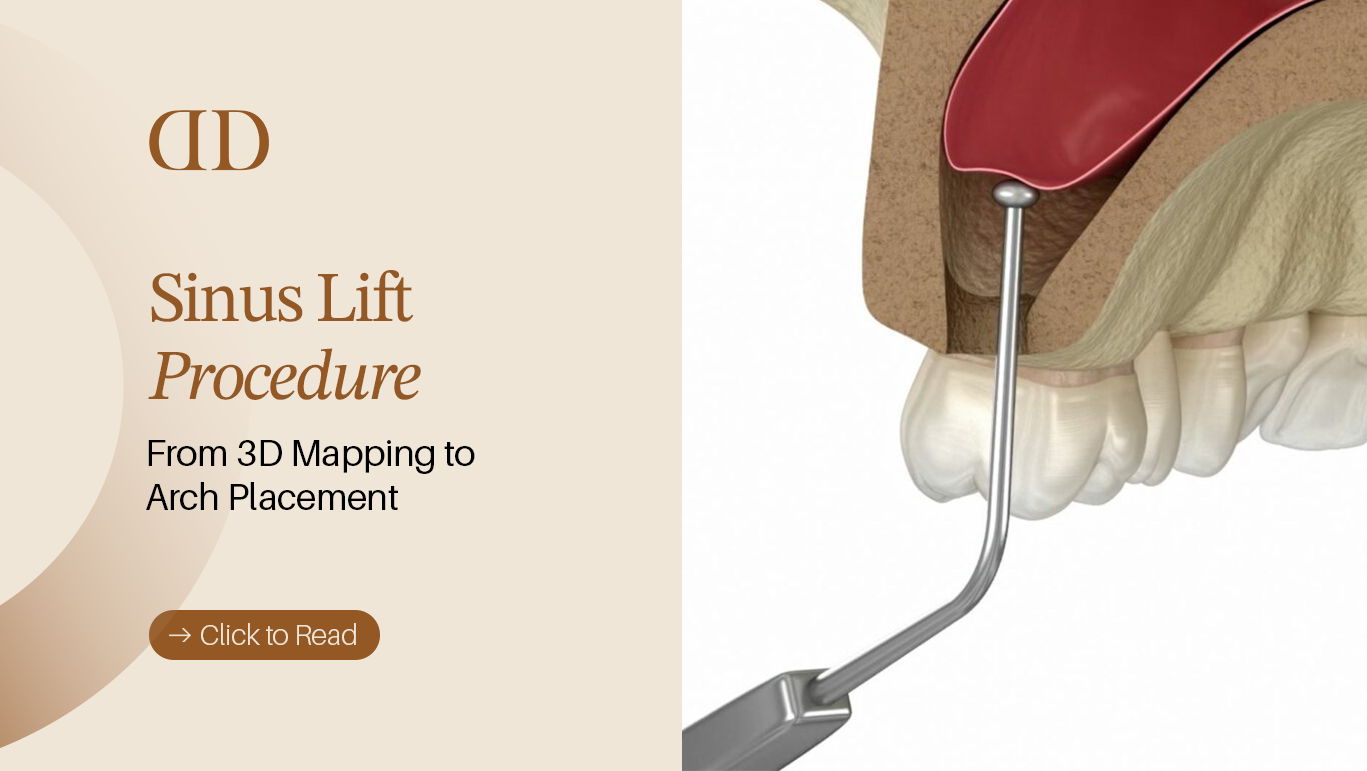

A sinus lift procedure is a specialized oral surgical treatment that increases jawbone density and height in the upper jaw by elevating the maxillary sinus membrane and placing a dental bone graft. This advanced preparation ensures a stable foundation for the successful placement of long-term dental implants.
Navigating severe tooth loss in the upper jaw often brings patients face-to-face with a common anatomical hurdle: a lack of sufficient bone volume. When the upper jaw lacks the physical height required to anchor a titanium fixture securely, a conventional implant treatment cannot proceed safely. At Darya Dental Clinic, we overcome this structural challenge through the sinus lift procedure, an advanced bone augmentation protocol designed to rebuild your jaw’s natural foundations and pave the way for a permanent smile transformation.
Rather than treating bone loss as an absolute barrier to treatment, our specialized oral and maxillofacial surgeons utilize precision 3D imaging to reconstruct missing bone safely and predictably. By choosing a tailored sinus augmentation path at our modern Istanbul clinic, international patients receive world-class surgical care that prioritizes structural biological longevity, patient comfort, and seamless procedural efficiency.
What Is A Sinus Lift Procedure?
In advanced implant dentistry, a sinus lift medically referred to as a maxillary sinus lift or sinus augmentation surgery is a specialized bone grafting treatment. The primary anatomical objective is to increase the amount of healthy bone in the posterior maxilla (the upper back jaw), specifically in the regions naturally occupied by your molars and premolars.
Clinical Definition: A sinus lift is a micro-surgical corrective procedure where the Schneiderian membrane (the thin membrane lining the maxillary sinus cavity) is carefully elevated upward. The newly created space beneath this membrane is then packed with premium dental bone graft materials, which gradually transform into dense, living bone tissue over several months.
What Does A Sinus Lift Do?
The primary function of a sinus graft procedure is to create a secure, highly stable environment for future teeth replacements. The maxillary sinuses are hollow, air-filled cavities located right above your upper teeth. When an implant needs to be positioned, it requires solid bone to lock into; if the bone layer separating the mouth from the sinus cavity is too thin, the implant fixture would physically penetrate the empty sinus space, leading to clinical failure and chronic sinus infections. Elevating the membrane and introducing a graft provides the structural depth necessary to surround the implant entirely.
Why Bone Height Matters
The biological success of any dental implants protocol relies heavily on an anatomical concept known as primary mechanical stability. In the upper back jaw, bone is naturally softer and less dense than the lower jaw. Furthermore, if you require specialized full-mouth rehabilitation like All-on-4 dental implants or All-on-6 dental implants, the anchor points must withstand immense daily chewing forces. Achieving adequate bone height ensures that the titanium posts are fully integrated into solid tissue, distributing forces evenly without micro-movements.
Who Needs A Sinus Lift?
Not every patient undergoing an upper jaw restoration requires a sinus lift bone graft. The need is entirely determined by your specific structural anatomy. If a clinical evaluation reveals that your native bone height in the molar region is less than the standard requirements for a secure implant anchor, this preparation becomes medically necessary to safeguard your health and secure a predictable treatment outcome.
When Is Sinus Augmentation Recommended?
Understanding the exact scenarios that trigger a recommendation for a sinus graft surgery helps patients maintain realistic expectations regarding their overall oral rehabilitation timeline. The degradation of upper jaw bone volume is typically driven by a combination of natural biological shifts and progressive anatomical changes.
Premium Dental Care in Turkey
Expert treatments with high-end technology. Get your personalized quote today via WhatsApp.
Bone Loss After Missing Teeth
The human jawbone requires continuous mechanical stimulation from tooth roots during chewing to maintain its density and volume. The moment an upper tooth is lost due to dental trauma or deep decay, this biological stimulation stops completely. As a direct result, the surrounding alveolar bone naturally begins to resorb (shrink) rapidly within the first year. Over extended periods, this continuous resorption leaves only a micro-thin layer of bone beneath the sinus floor.
Natural Sinus Expansion
An additional factor that complicates upper jaw tooth replacement is a natural process called sinus pneumatization. As we age, or as teeth are missing for long periods, the air-filled maxillary sinus cavities naturally expand downward, encroaching on the space where tooth roots used to reside. This dual action the bone resorbing from the mouth side while the sinus expands from the inside drastically reduces the remaining bone volume, requiring a sinus membrane elevation to reverse the spatial loss.
Preparing For Dental Implants
Ultimately, bone augmentation before dental implants is recommended to transform a highly compromised oral environment into an ideal surgical foundation. By proactively addressing bone deficiencies, our clinical specialists eliminate the structural vulnerabilities that lead to early implant loosening, ensuring that your customized smile makeover stands the test of time.
Clinical Candidacy Matrix
To help you understand if your current oral condition requires this specialized preparation, review the diagnostic suitability guide below:
| Clinical Indicator / Criteria | Suitable for Immediate Implants? | Is a Sinus Lift Recommended? |
| Missing Upper Molars with Severe Bone Loss | No | Yes (Essential) |
| Adequate Native Bone Height (> 8-10mm) | Yes | No (Unnecessary) |
| Natural Sinus Expansion (Pneumatization) | No | Yes (Essential) |
| Untreated Active Sinus Infection | No | No (Delay Surgery) |
Who Is A Good Candidate?
Determining candidate suitability for a sinus lift surgery requires a detailed screening of both anatomical traits and general medical wellness. A patient may present with missing teeth, but multiple physiological criteria must align to ensure a safe surgical outcome.
After evaluating the available bone volume and the need for a sinus lift, different dental implant treatment options can be considered according to the patient’s individual clinical requirements.
Clinical Evaluation
The initial stage of determining candidacy is a comprehensive oral evaluation. Our surgical specialists inspect the overall health of your gums and remaining teeth. Any active oral infections, severe decay, or untreated periodontal disease must be completely resolved before a sinus lift bone graft can be scheduled. A clean, inflammation-free oral cavity dramatically reduces the risk of postoperative bacterial complications.
CT Scan Assessment
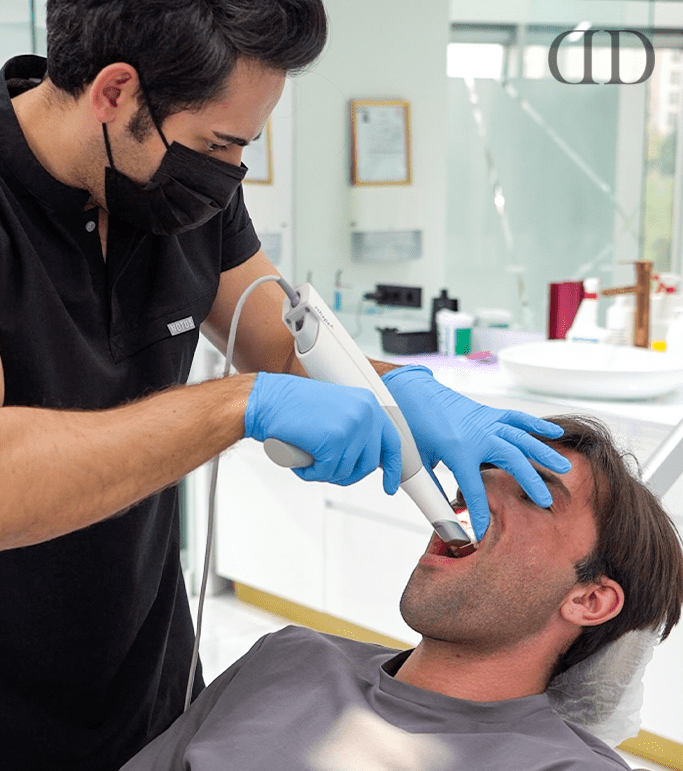
Standard 2D dental X-rays do not provide the depth of field required to evaluate the delicate sinus chambers. At Darya Dental Clinic, we utilize advanced 3D Cone Beam Computed Tomography (CBCT) scanning. This diagnostic technology allows our team to:
- Measure the exact remaining bone height and width down to a tenth of a millimeter.
- Visualize the internal architecture of the maxillary sinus.
- Confirm that the Schneiderian membrane is healthy, thick enough to be elevated, and free of preexisting cysts or severe congestion.
Medical Conditions To Consider
Your systemic health directly influences how your body heals and regenerates new bone. Chronic illnesses such as uncontrolled diabetes, severe cardiovascular issues, or active cancer therapies can significantly delay the healing process or increase infection risks. Additionally, active smokers must commit to suspending smoking before and after the procedure, as nicotine severely constricts blood flow and oxygen delivery to the healing tissue, which is vital for bone graft survival.
Types Of Sinus Lift Procedures
In modern implantology, there are two primary surgical techniques utilized to elevate the sinus floor and introduce the bone graft. The selection of the method depends on the thickness of your remaining native bone.
Open (Lateral Window) Sinus Lift
The open sinus lift medically known as the lateral window sinus lift is the classic and most common approach when a patient has severe bone resorption (typically when the remaining bone height is less than 5mm).
During this procedure, the surgeon makes a small incision in the gum tissue of the upper back jaw to expose the jawbone. A small, precise window is then created in the lateral wall of the bone. Through this opening, the delicate sinus membrane is gently lifted upward, creating an empty space beneath it. The surgeon then packs this newly created chamber with premium bone graft material and closes the lateral window with a protective collagen membrane before suturing the gums.
Closed (Crestal) Sinus Lift
The closed sinus lift referred to as the crestal sinus lift or internal sinus lift is a minimally invasive alternative recommended when the patient already has moderate bone height (typically between 5mm and 8mm) but still needs a small boost to safely accommodate a standard-length dental implant.
Instead of creating a lateral window from the side, the surgeon accesses the sinus floor internally through the exact socket drilled for the future implant. Using specialized micro-instruments or hydrostatic pressure, the sinus membrane is gently pushed upward through the osteotomy channel. The bone graft material is then gently tapped into place through the same opening.
Which Technique Is Better?
The choice between an open vs closed sinus lift is purely determined by your structural anatomy. The closed approach is faster, causes less postoperative swelling, and often allows the dental implant to be placed immediately during the same session. However, the open approach is highly superior and absolutely necessary when there is severe bone loss, as it provides the surgeon with direct visibility to safely lift the membrane over a wider area and place a larger volume of bone graft.
How The Sinus Lift Procedure Is Performed
A successful sinus augmentation relies on a highly organized, step-by-step clinical workflow designed to prioritize patient safety, absolute surgical precision, and a stress-free experience.
1. Consultation
Your surgical journey begins with an in-depth clinical consultation at our modern clinic in Istanbul. Our specialists review your medical history, discuss your smile goals, and perform a detailed physical examination of your upper jaw.
2. Digital Planning
Using the high-resolution 3D CT scan data, our surgeons map out the procedure digitally inside specialized implant software. This virtual mock-up allows us to determine the exact angle of the membrane elevation, calculate the precise volume of bone graft material required, and decide whether the dental implants can be positioned simultaneously or if a staged approach is safer.
3. Bone Graft Placement
On the day of the surgery, a local anesthetic is applied to ensure the procedure is completely pain-free. For patients with dental anxiety, conscious sedation options are also available. The surgeon gently prepares the access window (lateral or crestal), elevates the sinus membrane with specialized micro-tools, and places the dental bone graft material. A protective membrane is positioned over the site, and the gum tissue is closed with precise sutures. The entire surgical process typically takes between 45 to 90 minutes.
4. Healing Phase
Once the surgery is complete, the crucial biological healing phase begins. Over the next 4 to 9 months, your body undergoes a process called osteoconduction. The bone graft material serves as a scaffold, allowing your body’s natural healing cells to gradually replace it with dense, vascularized, living bone tissue.
Sinus Lift And Bone Graft
The biological success of a sinus lift procedure is deeply linked to the quality and properties of the bone graft material placed beneath the elevated sinus membrane.
Which Bone Graft Materials Are Used?
At Darya Dental Clinic, we use only premium, internationally certified biomaterials to ensure rapid and predictable bone regeneration. The primary types of bone grafts include:
- Autogenous Bone: Bone harvested directly from another part of the patient’s own body (such as the jaw or chin). It is highly biocompatible as it contains your own living cells.
- Allograft: Sterile, processed bone tissue obtained from a human donor bank.
- Xenograft: Biocompatible bone mineral derived from a bovine (cow) source. This is highly favored in sinus lifts because it resorbs very slowly, providing a stable, long-term structural scaffold while your own bone grows.
- Synthetic Materials: Biocompatible ceramics or bone morphogenetic proteins engineered in a laboratory.
How Bone Regenerates
Once the bone graft is positioned beneath the elevated sinus membrane, it acts as a stabilizing matrix. Your body sends osteoblasts (bone-forming cells) into the graft area. Over a period of several months, these cells deposit new collagen and calcium, slowly absorbing the graft matrix and replacing it with your own natural bone. This creates a dense, vital bone platform capable of permanently supporting a load-bearing titanium implant.
Recovery After Sinus Lift Surgery
The biological longevity of a sinus lift procedure depends heavily on patient compliance during the immediate post-operative phase. While the surgical placement of a dental bone graft is a micro-precise intervention, the long-term cellular maturation of that graft requires a protected, inflammation-free environment.
Healing Timeline
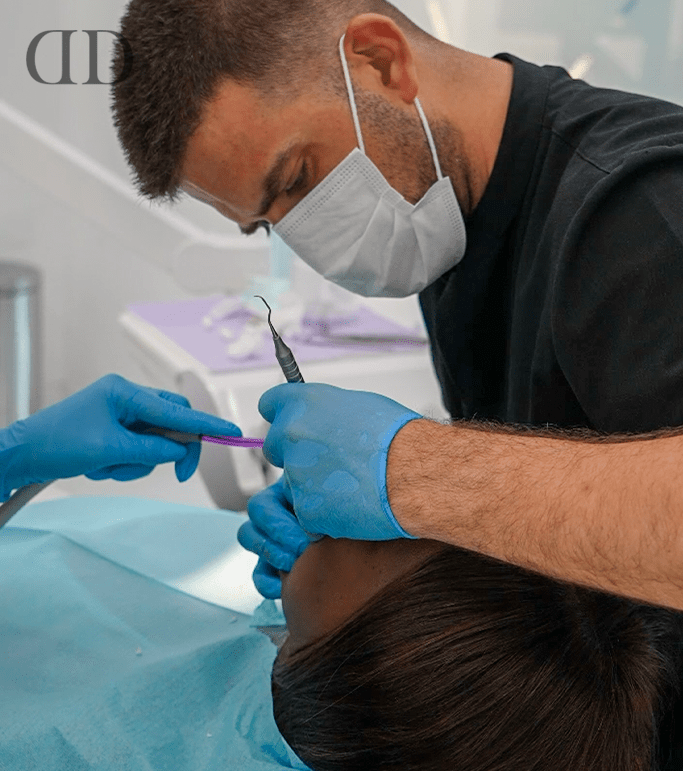
The primary soft tissue recovery following a sinus lift surgery takes approximately 7 to 14 days, during which visible mucosal modifications stabilize and initial suture lines close. However, the deep biological transition where the bone graft material transforms into vital, vascularized living bone tissue via osteoconduction requires a timeline of 4 to 9 months. During this extended structural phase, the newly augmented upper jaw bone reaches the structural density necessary to support the direct chewing forces of a titanium post.
Aftercare Instructions
To safeguard the delicate Schneiderian membrane from accidental displacement or tearing, patients must follow strict respiratory and oral hygiene protocols:
- Avoid Nasal Pressure: Do not blow your nose under any circumstances for the first 3 to 4 weeks. If you need to sneeze, always keep your mouth wide open to distribute air pressure away from the maxillary sinus chambers.
- Medication Compliance: Systematically take your prescribed course of broad-spectrum antibiotics, anti-inflammatory medications, and sterile saline nasal sprays to keep the nasal passages completely clear of congestion.
- Gentle Micro-Hygiene: Keep the oral cavity sterile to prevent peri-implant bacterial contamination, but avoid touching the surgical site with a toothbrush for the first week. Instead, use a prescribed antiseptic chlorhexidine mouthwash to clear away debris safely.
Foods to Avoid & Activity Restrictions
To help you manage daily habits during the initial 2-week tissue stabilization phase, refer to the post-operative restriction guide below:
| Recovery Parameter | Recommended / Safe Protocol | Strict Restrictions (Avoid) |
| Dietary Texture | Soft, cool-to-room-temperature foods (smoothies, yogurts, blended soups, pasta, soft fish). | Hard, crunchy, sharp, or highly spicy foods that can physically scratch the healing gum tissue. |
| Drinking Method | Sip directly from a glass or use a clean spoon for liquids. | Never use a drinking straw, as the negative intraoral suction can displace the blood clot and bone graft. |
| Physical Activity | Rest with your head elevated on pillows; light walking after 48 hours. | Heavy weightlifting, vigorous cardiovascular exercise, swimming, or bending forward below the waist. |
Possible Risks And Complications
While sinus augmentation is a highly predictable surgery with global clinical success rates exceeding 95%, patients must have a transparent understanding of the structural risks involved to ensure proper prevention.
Sinus Membrane Perforation
The primary anatomical risk during a maxillary sinus lift is a puncture or tear of the thin Schneiderian membrane. If a perforation occurs during the elevation process, the experienced maxillofacial surgeon at Darya Dental Clinic instantly repairs the tear using specialized collagen patches or micro-sutures before introducing the dental bone graft. If the tear is too extensive, the procedure is safely paused to allow the membrane to heal naturally for 2 to 3 months before a successful re-intervention is scheduled.
Swelling, Bleeding, and Infection
- Swelling: Post-operative facial swelling is a completely normal biological response to tissue modification. It typically peaks within 48 to 72 hours after surgery and can be effectively managed by applying a cold compress externally for 20-minute intervals.
- Bleeding: Minor, slow oozing from the surgical site or slight nosebleeds are expected for the first 24 to 48 hours. Continuous, heavy bleeding requires immediate clinical attention.
- Infection: Sinus infections (sinusitis) can occur if bacteria infiltrate the graft chamber. This risk is minimized through strict adherence to sterile surgical environments and mandatory post-operative antibiotic courses.
Sinus Lift Before And After
Evaluating a patient’s sinus lift before and after progress highlights how advanced oral surgery completely alters the structural architecture of the human face.
Expected Improvements
Before the procedure, patients with severe upper back jaw bone loss suffer from structural limitations that prevent them from receiving fixed tooth replacements. The lack of support often causes a premature aging effect, as the skin around the cheeks naturally collapses due to missing teeth. Following a successful bone augmentation before dental implants, the physical foundation of the upper jaw is fully restored, providing the structural volume necessary to anchor permanent, lifelike restorations.
How Bone Volume Changes
Through high-resolution 3D digital monitoring, clinicians can observe the exact transition of the graft site over time. The initially empty sinus floor is progressively filled with dense, mineralized tissue, increasing bone height from a highly compromised 2mm to a robust 10mm or more. This expanded bone platform creates an ideal anchor point, ensuring that when your permanent porcelain veneers or custom monolithic crowns are positioned, the underlying dental implant remains perfectly stable for life.
Frequently Asked Questions
What is a sinus lift, and why do I need it before getting dental implants in Turkey?
A sinus lift (also called sinus augmentation) is a specialized bone grafting procedure. When you lose upper back teeth, the jawbone in that area naturally shrinks over time, and the maxillary sinus cavity expands downward. If there isn’t enough bone height to securely hold a dental implant, a surgeon in Turkey will gently lift the sinus membrane and insert bone graft material underneath. This creates a solid, thick foundation of bone to safely support your new implants.
How much does a sinus lift cost in Turkey compared to the UK or US?
On average, a sinus lift in Turkey costs between €400 and €800 ($450 – $900) per side, depending on the type of bone graft material used and the complexity of the case. In comparison, the same procedure in the UK or US typically ranges from £1,500 to £3,000 ($2,000 – $4,000). Because of lower operational and laboratory costs in Turkey, patients generally save 60% to 70% on their overall pre-implant treatments.
Can I get a sinus lift and dental implants done during the same trip to Turkey?
It depends entirely on your existing bone volume:
- Simultaneous Placement (1 Trip): If you have enough bone to initially stabilize the implant, the surgeon can perform the sinus lift and place the implant fixture at the same time.
- Staged Placement (2 Trips): If your bone is extremely thin, the surgeon will perform the sinus lift first. You will then need to wait 4 to 6 months for the bone graft to fully heal and integrate before returning to Turkey to have the implants placed.
Is the sinus lift procedure painful, and what is the recovery like?
The procedure itself is virtually painless because it is performed under local anesthesia (or conscious sedation if you prefer). Afterward, you can expect some swelling, mild bruising, and a feeling of pressure under your cheeks or eyes for about 3 to 7 days. Standard painkillers and antibiotics prescribed by your Turkish clinic will easily manage the discomfort. You will also be advised not to blow your nose forcefully or sneeze with your mouth closed for a few weeks to protect the sinus membrane.
How many days do I need to stay in Turkey for a sinus lift surgery?
You should plan to stay in Turkey for at least 5 to 7 days. While the surgery itself takes less than an hour, you need to attend a follow-up appointment a few days later so the surgeon can check the healing progress and ensure there are no signs of sinus pressure or infection before you fly home. Flying is generally safe a few days post-op, provided you take prescribed decongestants.
