The Best Toothpaste for Veneers: The Definitive Guide to Post-Op Care
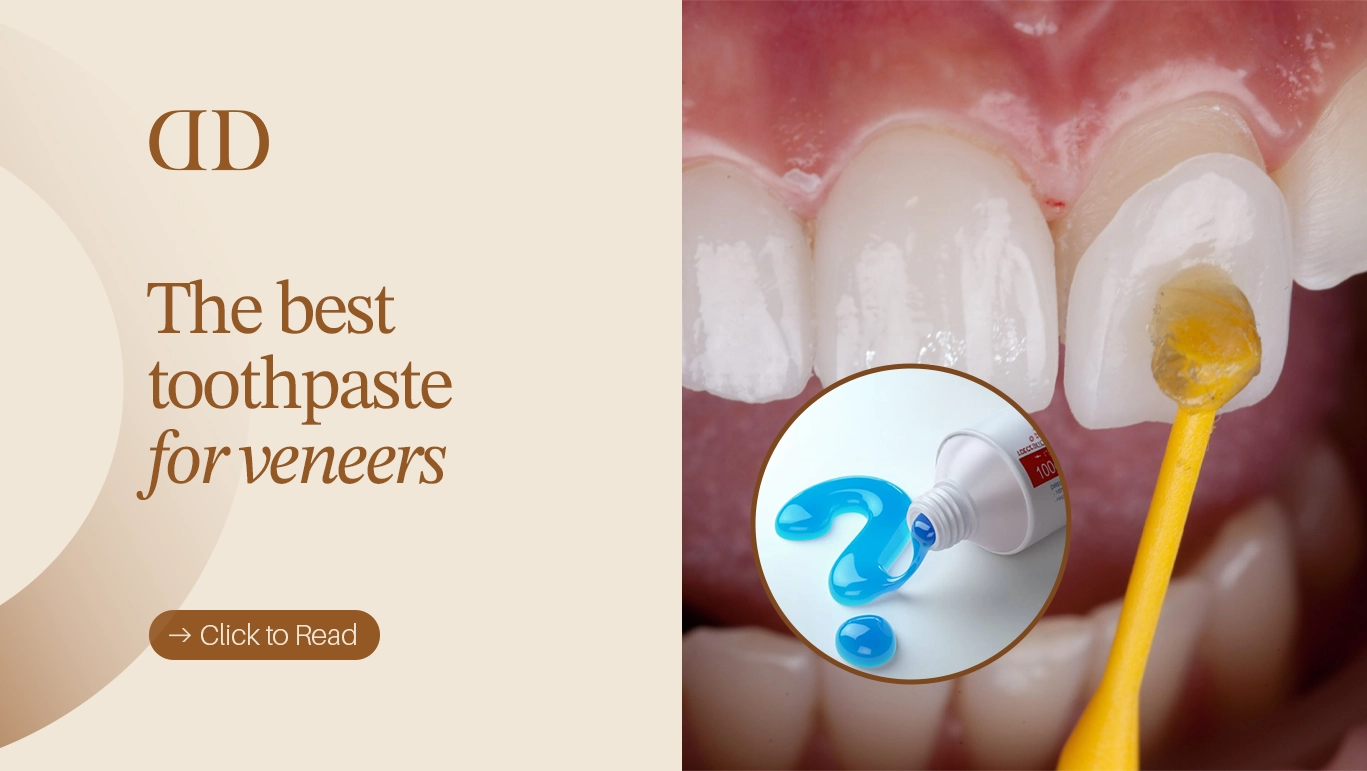

Investing in a new smile is a major step toward reclaiming your social confidence and functional bite. The best toothpaste for veneers is a low-abrasive gel formulation with a Relative Dentin Abrasivity (RDA) score below 70 that contains fluoride to protect the underlying natural tooth structure. While high-quality dental laminates are incredibly durable, using the wrong daily cleaning agents can gradually erode their polished surface finish, leading to premature dullness and micro-scratches that trap stains.
At Darya Dental Clinic in Istanbul, Turkey, we view long-term aftercare as an essential extension of the clinical procedure itself. Whether you just received custom porcelain restorations or are looking to maintain your existing smile design, understanding how daily hygiene products interact with dental materials is vital. Patients who are still considering veneers can also review porcelain veneer treatment to understand the procedure, suitability, and long term care requirements.
What Is the Best Toothpaste for Veneers?
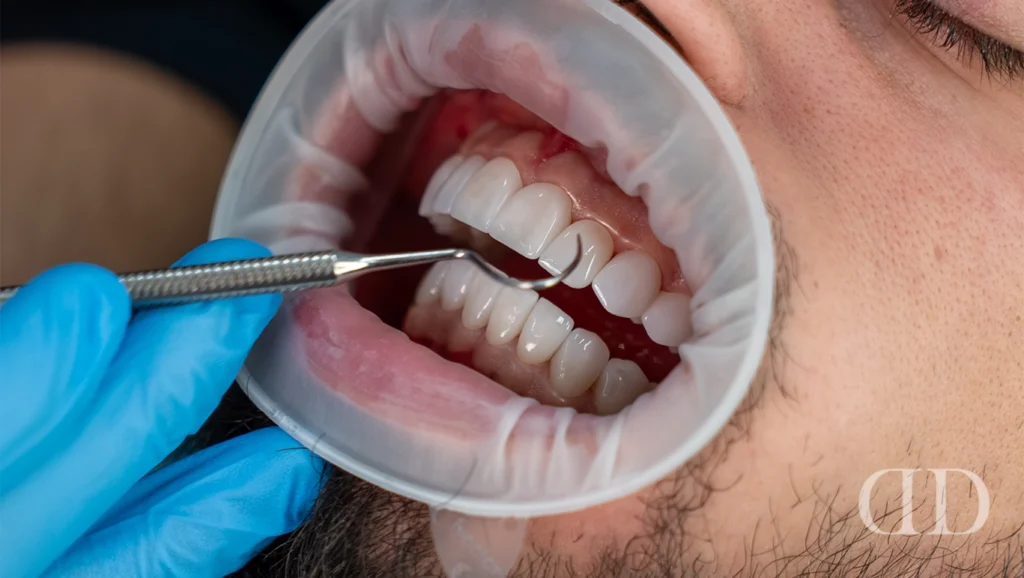
The best toothpaste for veneers is a highly specialized, non-abrasive gel toothpaste designed to clean effectively while preserving the delicate outer glaze of dental ceramics and resins. Unlike natural enamel, which is highly mineralized and can withstand standard polishing agents, cosmetic dental restorations require a gentle approach. A high-quality formula must provide dual action: safely lifting surface film from the porcelain or composite shell while delivering essential therapeutic ingredients like fluoride to the exposed margins of the natural tooth beneath.
According to guidelines established by the American Dental Association (ADA), toothpastes are measured using the Relative Dentin Abrasivity (RDA) scale. For optimal maintenance of cosmetic restorations at a specialized veneers clinic Istanbul best aftercare protocols dictate choosing products with an RDA index below 70. Using a product within this safe threshold ensures that the microscopic interface between the dental bonding and the restoration remains structurally intact over years of daily brushing.
Why Regular Toothpaste Damages Porcelain and Composite Veneers
To understand why traditional over-the-counter oral care products pose a risk, it helps to examine how standard formulations are engineered. Most commercial tubes rely on physical abrasives such as hydrated silica, calcium carbonate, or aluminum oxide to scrape away plaque and surface discolorations. While natural human enamel registers a hardness score of approximately 5 on the Mohs scale, the micro-thin glaze applied to porcelain laminates or the resin matrix of composite materials is much more susceptible to microscopic friction.
When you use highly abrasive formulas on restorative work, the physical friction creates microscopic scratches across the pristine surface. Over time, these tiny grooves alter how light reflects off your teeth, stripping away their natural translucency and making them look dull. Furthermore, these micro-scratches function as tiny structural traps where dietary pigments from dark liquids and food can settle, completely undermining your cosmetic results.
Choosing the Right Formula: How to Keep Veneers White
Preserving a pristine smile design does not require complex clinical routines, but it does require understanding material science. If you have been searching for how to keep veneers white, the secret does not lie in chemical bleaching agents; rather, it relies on preventative surface preservation. Because high-quality dental ceramics are non-porous, they do not discolor internally like natural teeth do. Keeping them bright is entirely about stopping external debris from sticking to the surface.
To maintain that factory-fresh brilliance, look for products specifically labeled as non abrasive toothpaste for veneers. Gel-based formulations are generally superior to traditional pastes because they use chemical surfactants rather than rough minerals to dissolve biofilm. These specialized gels gently lift away coffee, tea, and tobacco residues without scratching the underlying material, allowing your smile to retain its natural light-reflecting properties for its entire clinical lifespan.
Component Breakdown: Gel vs. Paste, Fluoride, and Sensitivity
Navigating the dental care aisle can feel overwhelming. When evaluating options, look at these three main categories:
Premium Dental Care in Turkey
Expert treatments with high-end technology. Get your personalized quote today via WhatsApp.
Gel vs. Traditional Paste
When weighing best gel toothpaste for veneers options, texture matters just as much as chemical ingredients. Traditional white pastes often feel chalky because they contain high concentrations of insoluble minerals designed to scrub the teeth. In contrast, clear or tinted gels use highly soluble cleaning agents that dissolve completely in water, removing plaque through chemical action rather than physical scrubbing.
The Role of Fluoride
There is a common misconception that synthetic restorations are immune to decay. While a porcelain laminate cannot develop a cavity, the natural tooth structure supporting it absolutely can. The vulnerable zone is the margin the tiny seam where the restoration meets your natural tooth structure at the gumline. Using a low-abrasive formula with fluoride is essential to keep this underlying enamel strong and prevent marginal decay that could cause the restoration to fail.

Want trusted dental advice in your Google AI answers?
Add Darya Dental Turkey as a Preferred Source on Google to make our dental guides easier to find in your search results and AI Overviews.
Managing Post-Op Sensitivity
It is entirely normal to experience temporary thermal sensitivity to hot or cold foods in the days following your procedure. Using a specialized sensitive toothpaste for veneers can help soothe this discomfort. Look for formulas that utilize potassium nitrate to calm the nerve pathways, but double-check that the sensitive formula does not include hidden abrasive whitening crystals.
Material-Specific Care: Custom Tailoring Your Routine
Oral care is not a universal science; the material composition of your restorations dictates how they interact with cleaning agents. At Darya Dental Clinic, we focus on matching specific dental materials with appropriate home maintenance routines to maximize their lifespan.
The Specific Needs of Porcelain and E-Max Veneers
When maintaining glass-ceramic restorations, finding the best toothpaste for emax veneers or the best toothpaste for porcelain veneers requires an understanding of structural glaze preservation. Engineered from high-purity lithium disilicate or glass-ceramic layers, materials like E-Max offer exceptional natural translucency and built-in stain resistance. However, a rough, high-RDA paste can micro-scratch this premium material over time, creating a dull effect.
To preserve your investment, look for a mild, fluoride-fortified gel that protects the tooth margins without disturbing the factory finish of the ceramic. For patients undergoing comprehensive porcelain veneers istanbul post-op care routines, maintaining this sleek surface glaze is the key to preventing long-term exterior staining.
The Vulnerability of Composite Variations
If your smile architecture relies on resin materials, choosing the best toothpaste for composite veneers or the best toothpaste for dental bonding and veneers is even more vital. Composite resin is structurally softer and more porous than lab-fabricated porcelain. Consequently, it is highly vulnerable to physical wear from rough toothpastes and chemical staining from items like coffee, red wine, or tobacco.
Because resin is prone to surface scratching, using a rough formulation can quickly wear down its shape and leave it looking matte. To preserve your dental bonding, opt for an ultra-gentle, non-abrasive gel that lifts away plaque without scratching the pliable resin structure.
Ingredients and Products to Avoid
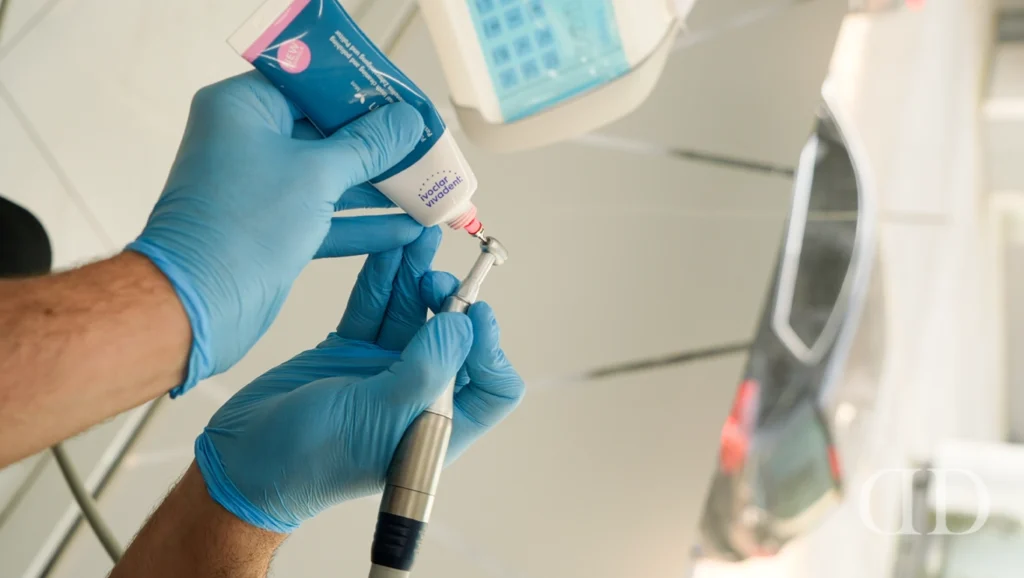
Protecting your smile design means knowing what to leave out of your routine. Many standard drugstore staples can degrade dental bonding materials or scratch fine ceramics over time.
- Charcoal and Baking Soda Formulations: Avoid trends that rely on activated charcoal or heavy sodium bicarbonate. These ingredients act like liquid sandpaper, creating micro-grooves that permanently compromise your restorations.
- Highly Abrasive Whiteners: Standard whitening products use rough minerals to scrub natural enamel. Because porcelain and composite do not respond to traditional peroxide or physical scrubbing, a traditional veneer whitening toothpaste will only scratch the surface, making it more prone to staining.
- Stiff Toothbrush Bristles: Even a low-abrasive gel can lose its effectiveness if paired with hard bristles. Always choose a soft or extra-soft toothbrush, and let the chemical action of your gel clean your teeth rather than heavy hand pressure.
Comparative Guide for Oral Care Products
To keep your smile design looking as vibrant as day one, it helps to understand how different product categories interact with restorations. The summary table below highlights the structural impacts of various formulation types:
| Product / Care Type | RDA Level (Abrasivity) | Surface Impact on Restorations | Marginal Seam Protection | Clinical Recommendation |
| Low-Abrasive Gel (with Fluoride) | Ultra Low (< 70 RDA) | Smooth, scratch-free cleaning; perfectly preserves factory glaze and gloss. | Strengthens margins to prevent underlying decay and leaks. | Highly Recommended (Ideal for long-term daily maintenance) |
| Traditional Whitening Paste | High (> 100-150 RDA) | Creates micro-scratches over time; eventually leads to a dull, matte appearance. | Limited; focused purely on aggressive mechanical stain scraping. | Avoid Completely (Abrasive to porcelain, E-Max, and resin) |
| Charcoal / Baking Soda Products | Very High (> 150 RDA) | Acts like liquid sandpaper; permanently strips the surface luster off dental materials. | Risks physical irritation along the delicate margins of the gums. | Avoid Completely (Quickly destroys custom surface finishes) |
| Standard Sensitivity Toothpaste | Low to Moderate (50-90 RDA) | Mostly safe; however, verify that it does not contain added polishing crystals. | Calms post-op thermal nerve pathway sensitivity via potassium nitrate. | Safe Option (Excellent during the initial recovery weeks) |
Frequently Asked Questions
What is the best toothpaste for veneers?
The best toothpaste for veneers is a non-abrasive gel formulation with a Relative Dentin Abrasivity (RDA) score below 70 that contains fluoride. This specific chemical structure allows for the safe removal of daily plaque and organic film without micro-scratching the ceramic glaze or degrading the dental bonding interface.
Can you use whitening toothpaste on veneers?
No, you should not use traditional whitening toothpaste on veneers. These commercial formulas rely on high-RDA abrasive particles designed to scrub natural enamel, which will physically scratch and dull porcelain or composite surfaces rather than whiten them.
Is Sensodyne good for veneers?
Yes, Sensodyne is generally good for veneers, provided you choose their standard sensitive gel versions rather than their specialized abrasive whitening variants. The potassium nitrate in the formula effectively treats temporary post-operative thermal sensitivity without risking surface abrasion.
Should I use gel or paste toothpaste for my veneers?
You should always choose a clear or translucent gel toothpaste rather than an opaque white paste. Gels utilize water-soluble chemical surfactants to dissolve oral biofilm gently, whereas traditional pastes contain physical, chalky minerals that act as fine sandpaper against dental laminates.
Why does regular toothpaste damage porcelain or composite veneers?
Regular toothpaste damages porcelain and composite veneers because its mineral cleansers create microscopic scratches on the restoration’s smooth surface. These micro-grooves disrupt the light-reflecting properties of the material making it look matte and serve as structural traps for dietary stains.
Does toothpaste with baking soda or charcoal ruin veneers?
Yes, formulations containing activated charcoal or sodium bicarbonate will permanently ruin veneers by eroding the protective factory glaze. Once this polished outer layer is stripped away by these high-abrasive agents, the underlying ceramic or resin becomes highly porous and prone to rapid discoloration.
Do I need fluoride toothpaste if I have veneers?
Yes, you absolutely need a fluoride-containing toothpaste even if your entire smile consists of synthetic materials. While the ceramic shell itself cannot decay, the natural tooth structure supporting the restoration is highly vulnerable to marginal cavities where the bonding seam meets the gumline.
How do I clean coffee or tea stains off my veneers safely?
To clean coffee or tea stains off your veneers safely, use a low-abrasive gel combined with an extra-soft toothbrush, or visit a professional clinic for a specialized, non-invasive teeth whitening istanbul veneers care session. Never attempt to scrape away dark residues at home using abrasive kitchen remedies or hard-bristled brushes.
Protecting Your Aesthetic Investment
At Darya Dental Clinic, operating across our modern facilities in Ümraniye and Ataşehir in Istanbul, Turkey, we consider aesthetic smile design an enduring partnership rather than a single appointment. Selecting proper, minimally abrasive home-care products is the ultimate factor in doubling the clinical lifespan of your treatment. By committing to an ultra-gentle, low-RDA gel framework, you protect the vulnerable marginal seams of your teeth while keeping your overall smile line as bright and vibrant as the day it was bonded.
If you require professional guidance regarding your post-operative maintenance cycle, or if you are ready to book an appointment with our elite cosmetic specialists in Istanbul, feel free to contact Darya Dental Clinic at any time. Your journey to a permanently radiant smile deserves the highest standard of daily protection.
