
What is a Periodontist? Definition & Types of Periodontics
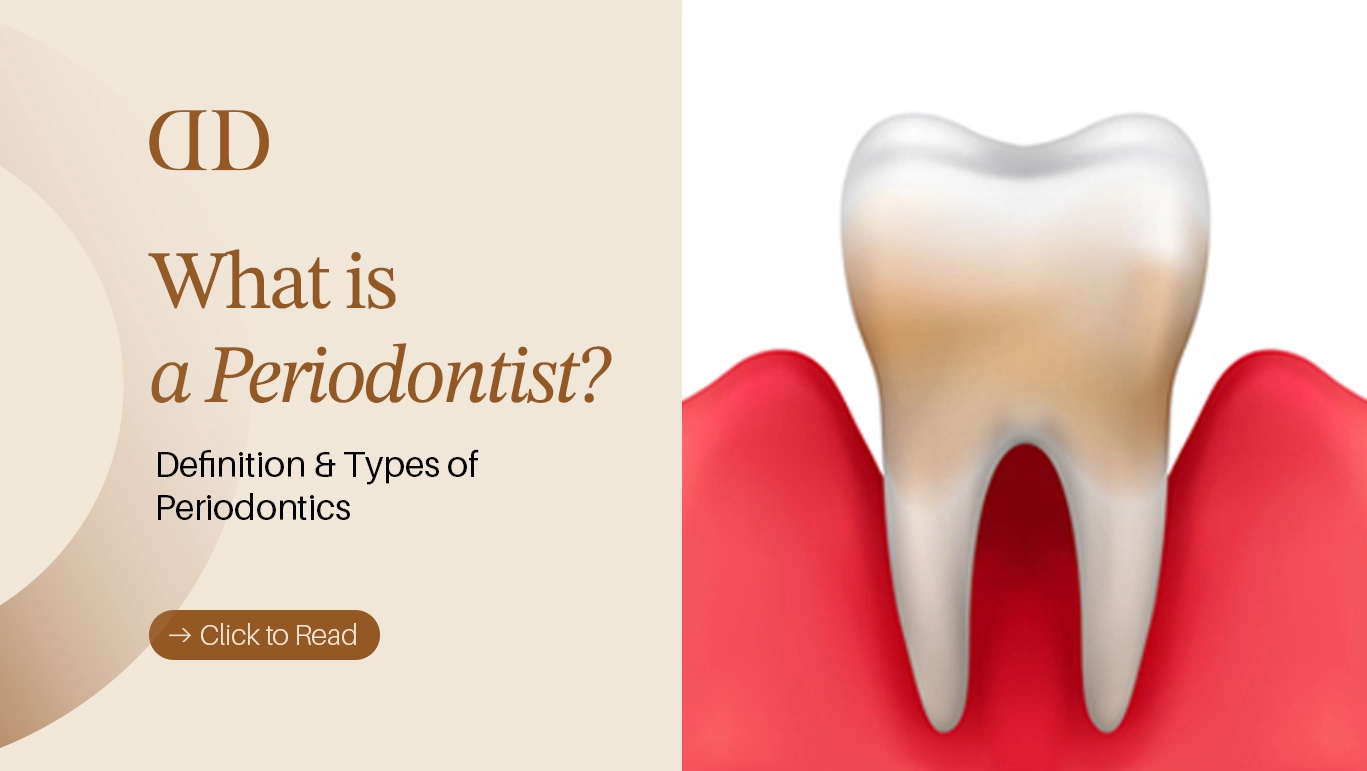

The word periodontist often appears when people begin exploring the deeper structures that support the teeth. In its simplest sense, a periodontist is associated with the science of gums and the tissues surrounding teeth, but the real meaning of a periodontist goes far beyond a short definition. Understanding what a periodontist does, how periodontics developed, and why this field matters can reshape how oral health is perceived at a biological, functional, and even social level.
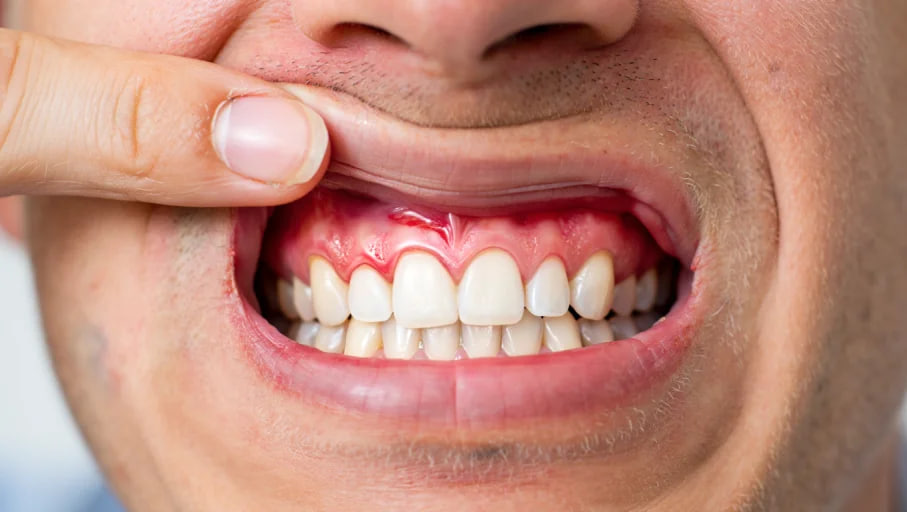
Periodontist Definition and Scientific Background
A periodontist is commonly defined as a dental professional whose work centers on the periodontium. The periodontium includes the gums, periodontal ligament, cementum, and alveolar bone. From a scientific perspective, the periodontist operates at the intersection of biology, microbiology, and tissue dynamics.
Historically, the role of the periodontist emerged as dental research revealed that gum tissues are not passive structures. Instead, they respond dynamically to bacterial biofilms, immune signals, and mechanical forces. This realization gave rise to periodontics as a distinct discipline and positioned the periodontist as a specialist of tissue interaction rather than surface level dental concerns.
Modern literature often frames the periodontist as a bridge between oral biology and systemic understanding. Research has shown that periodontal tissues reflect broader biological processes such as inflammation and regeneration, which explains why the periodontist remains a central figure in academic dental research.
Why the Periodontist Matters in Modern Dentistry
The relevance of a periodontist extends beyond gums alone. In contemporary dentistry, the periodontist is associated with long term structural stability and biological balance within the mouth. Teeth do not function in isolation, and the periodontist focuses on the environment that allows teeth to remain functional over time.
From an analytical standpoint, the periodontist is often involved in cases where complexity increases. These situations may involve advanced tissue changes, bone interactions, or long term biological adaptation. This is one reason the periodontist is frequently referenced in interdisciplinary dental discussions.
Academically, the periodontist is also linked to preventive models. Instead of reacting to visible issues, the periodontist examines early biological signals. This forward looking perspective is one of the reasons periodontics has gained increased attention in recent decades.
Types of Periodontics Explained by a Periodontist Perspective
Periodontics itself is not a single uniform area. From a periodontist viewpoint, it includes several subcategories that address different biological and structural dimensions.
| Type of Periodontics | Focus Area | Conceptual Scope |
| Clinical Periodontics | Gum tissue dynamics | Biological interaction |
| Surgical Periodontics | Structural access | Advanced tissue study |
| Regenerative Periodontics | Tissue regeneration | Healing mechanisms |
| Implant Related Periodontics | Bone interface | Structural integration |
Each category represents a different way a periodontist approaches the same foundational tissues. What unites these areas is the emphasis on biological systems rather than isolated symptoms.
Premium Dental Care in Turkey
Expert treatments with high-end technology. Get your personalized quote today via WhatsApp.
The classification above also shows how the periodontist adapts scientific knowledge to different contexts, reinforcing the idea that periodontics is both adaptive and research driven.
The Periodontist and Gum Biology
At the core of the periodontist role lies gum biology. Gum tissue is highly vascular, immunologically active, and sensitive to environmental changes. A periodontist studies how these tissues respond to plaque, mechanical stress, and host immune reactions.

Want trusted dental advice in your Google AI answers?
Add Darya Dental Turkey as a Preferred Source on Google to make our dental guides easier to find in your search results and AI Overviews.
From a research perspective, the periodontist often evaluates gum tissue as a living barrier. This barrier not only protects underlying bone but also communicates with the immune system. This dual function explains why gum health has become a subject of interdisciplinary research.
The periodontist also interprets subtle tissue changes that may not be visible to non specialists. Color, texture, and contour all provide biological information. These observations highlight why the periodontist relies heavily on scientific interpretation rather than surface appearance alone.
Periodontist Training and Academic Expertise
Becoming a periodontist requires extended academic and clinical training. After foundational dental education, the periodontist undergoes specialized study focusing on tissue behavior, pathology, and research methodology.
This advanced education explains why the periodontist frequently participates in academic publications and clinical studies. The field of periodontics contributes a significant volume of peer reviewed research, much of which shapes global dental standards.
Institutions such as the American Academy of Periodontology play a major role in consolidating periodontist knowledge, publishing research findings, and setting educational benchmarks. These organizations reflect how structured and evidence oriented the discipline has become.
Periodontist Role in Dental Implants and Structural Planning
One of the most widely discussed modern associations of the periodontist is with dental implant science. Implant placement relies heavily on bone quality and soft tissue response, areas where the periodontist has extensive expertise.
From an analytical lens, the periodontist evaluates bone density, tissue thickness, and biological compatibility. These parameters influence how artificial structures interact with living tissue over time. This explains why implant related discussions often involve a periodontist perspective.
Scientific publications frequently emphasize that implant success is not only mechanical. Biological adaptation plays a critical role, reinforcing the importance of periodontist driven research in this area.
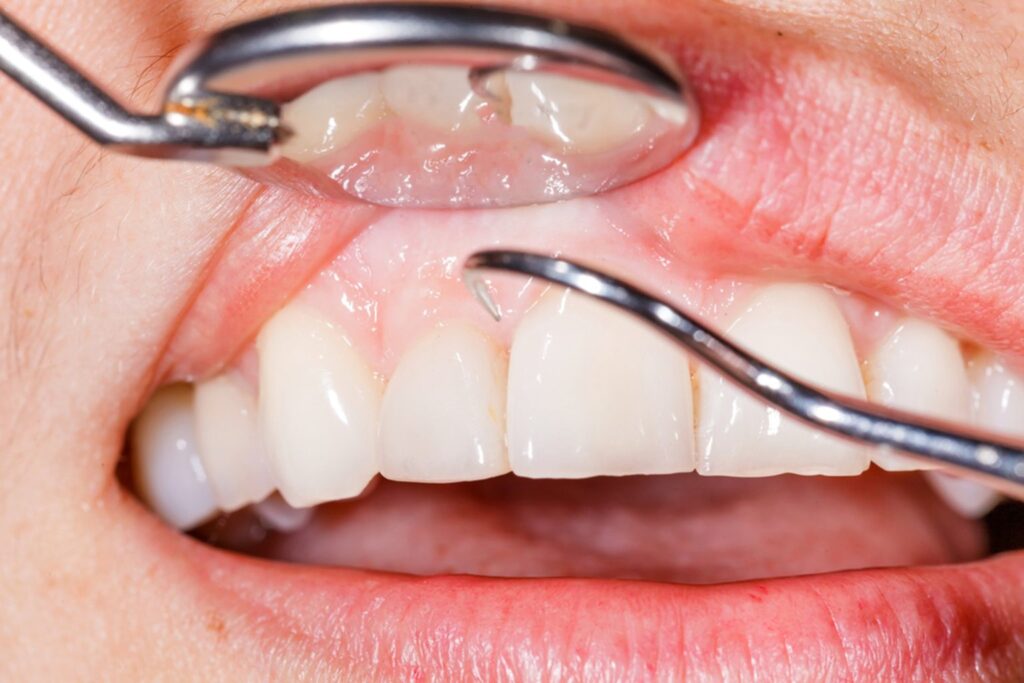
Periodontist and the Evolution of Periodontal Research
The role of the periodontist continues to evolve as research tools become more advanced. Imaging technologies, molecular analysis, and data modeling have expanded how periodontal tissues are studied.
In recent years, the periodontist has increasingly contributed to discussions about inflammation pathways and regenerative biology. These topics extend beyond dentistry and intersect with broader medical research fields.
Global health organizations such as the World Health Organization occasionally reference periodontal research when discussing oral health as part of overall wellbeing. This inclusion reflects the growing academic recognition of the periodontist role.
Periodontist Perspective on Public Awareness and Education
Despite its scientific depth, the term periodontist is not always well understood by the general public. Educational outreach has therefore become an important dimension of the profession.
From a communication standpoint, the periodontist often translates complex biological concepts into accessible explanations. This educational role helps bridge the gap between academic research and everyday understanding.
Over time, increased visibility of periodontal science has contributed to a broader appreciation of the periodontist as a specialist rooted in biology, not just clinical routine.
Understanding the Periodontist as a Scientific Specialist
In conclusion, the periodontist represents far more than a narrow dental role. The periodontist embodies a scientific approach to understanding the tissues that support teeth and influence oral stability.
By examining gum biology, bone dynamics, and tissue interaction, the periodontist contributes to a deeper comprehension of oral systems. This makes periodontics a field defined by research, analysis, and long term biological thinking.
For readers exploring dental science from an informed perspective, the concept of the periodontist offers a compelling example of how specialization and research driven practice shape modern healthcare disciplines.
