
What Is a Dental Brace and Does It Really Hurt?

If you are thinking about getting a dental brace, you are probably caught between excitement and hesitation. Straighter teeth, a healthier bite and a more confident smile sound attractive, yet the words “metal”, “tightening” and “pain” may also come to mind. In this guide, prepared for patients of Darya Dental Clinic and anyone curious about modern orthodontics, we will unpack what a dental brace actually is, how it works, what kind of discomfort you might expect, and how today’s technology is changing the whole experience.
You will see not just general explanations, but also insights from clinical research, biomechanical principles and everyday patient experiences. The aim is not to give medical advice or promises, but to help you understand the science and the everyday reality behind orthodontic treatment.
Understanding Dental Brace Systems: More Than Just Metal
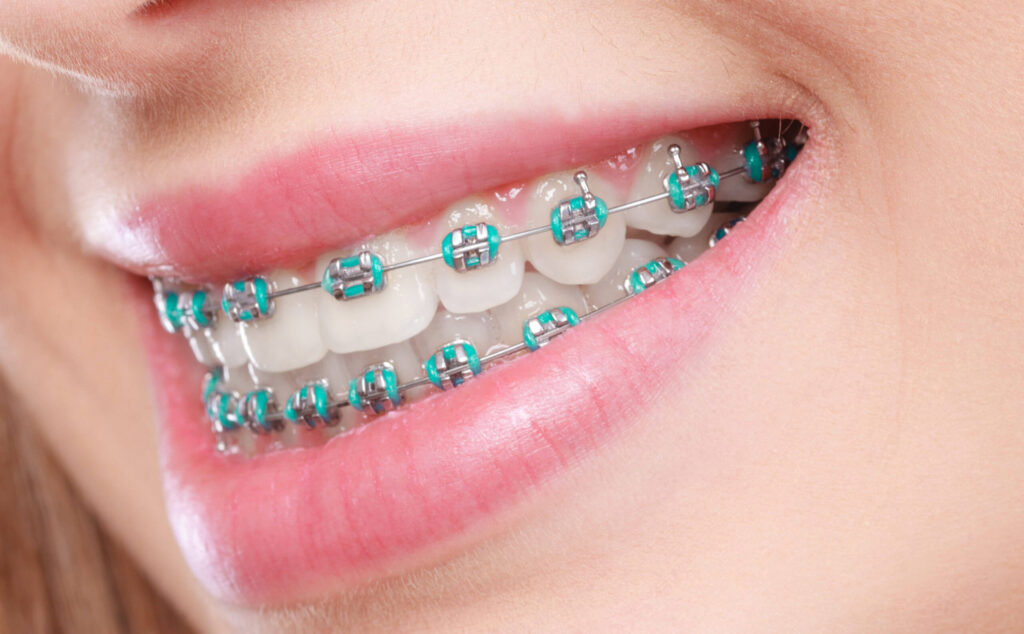
When people picture a dental brace, they often imagine shiny metal brackets and a wire running across the front teeth. That image is not wrong, but it is only a small part of the story. Orthodontic appliances have evolved into a sophisticated biomechanical system that gently guides teeth through bone using carefully controlled forces.
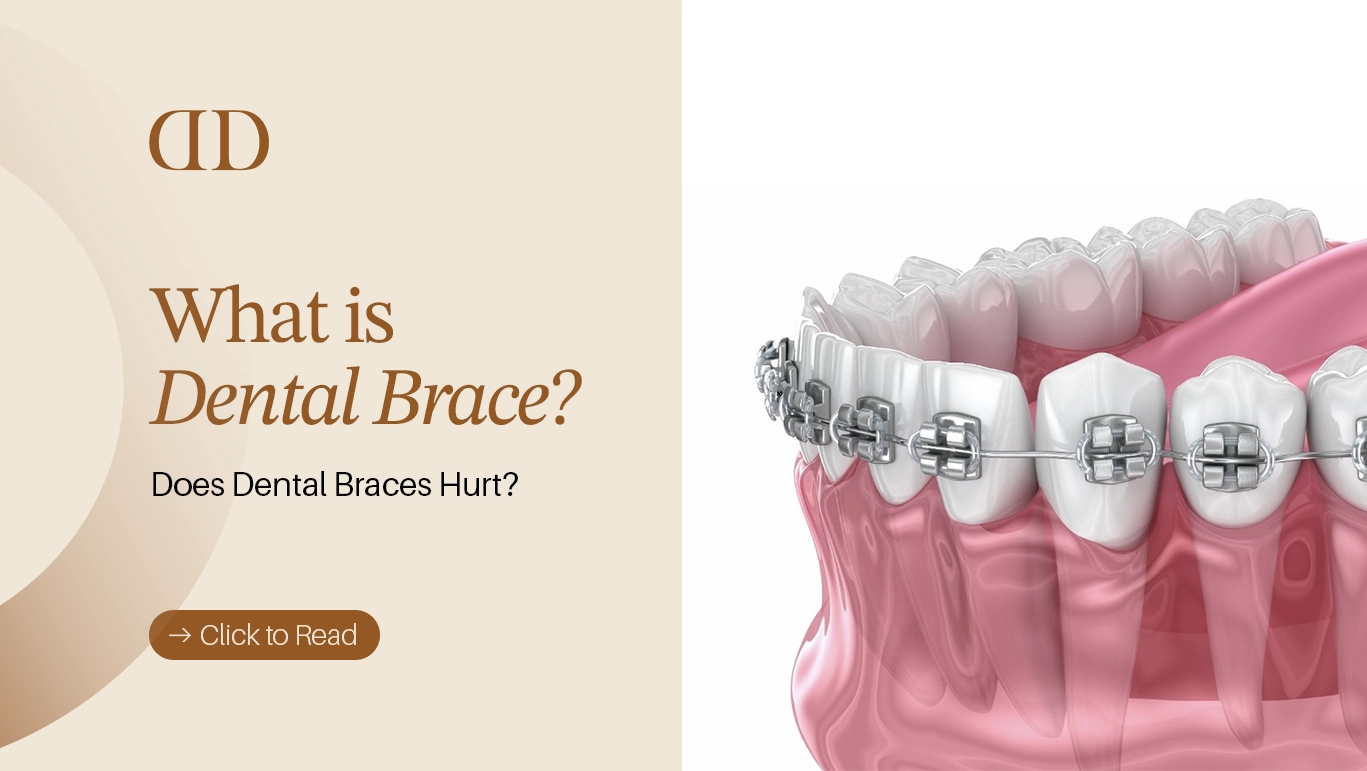
In the classic fixed dental brace, small brackets are bonded onto each tooth with a special dental adhesive. A thin archwire passes through these brackets and is held in place with tiny elastic modules or self‑ligating clips. Over time, this wire, working together with the surrounding bone and periodontal tissues, encourages teeth to shift toward planned positions. The process is not a matter of “pushing teeth around”; it is a slow, biologically driven remodeling of bone.
At clinics like Darya Dental Clinic, modern materials such as nickel‑titanium (NiTi) archwires and ceramic brackets are often used to enhance comfort and aesthetics. These components can apply lighter, more consistent forces than older steel‑only systems. From the outside, a dental brace may seem simple, but behind each bend of the wire and each bracket position there is a treatment plan, cephalometric measurements and digital simulations guiding the outcome.
Types of Dental Brace Options: From Classic to Invisible
Not all dental brace systems look or feel the same. Over the past few decades, orthodontics has diversified to suit different lifestyles and aesthetic expectations. While the basic goal remains identical aligning teeth and optimizing the bite the path to that goal can vary significantly.
The most familiar is the traditional metal dental brace, still considered by many orthodontists to be the most versatile tool for complex cases. Metal brackets are compact, durable and efficient, allowing detailed tooth movements in multiple directions. For patients who prioritize a discreet look, there are also tooth‑colored ceramic braces, which blend with enamel and are less noticeable in everyday conversation.
Another category consists of lingual braces, where the dental brace hardware is placed on the inner (lingual) surfaces of the teeth, facing the tongue. This makes them almost invisible from the outside, though they can initially affect speech and tongue comfort. Alongside these, clear aligner systems (plastic trays that are changed every one to two weeks) have become widely known through brands like Invisalign. While not technically a “brace” in the traditional sense, clear aligners are often discussed in the same breath and may be suggested as an alternative in mild to moderate cases. The choice among these systems usually depends on case complexity, budget, aesthetic demands and a detailed evaluation by an orthodontic professional.
How a Dental Brace Actually Moves Teeth: The Biology Behind the Brackets
To understand whether a dental brace hurts, it helps to know how it exerts force. Teeth are not anchored directly in bone like screws in wood. Instead, each tooth sits in a socket and is suspended by the periodontal ligament (PDL), a network of microscopic fibers and cells that act like a living shock absorber.
```html
```
Premium Dental Care in Turkey
Expert treatments with high-end technology. Get your personalized quote today via WhatsApp.
When a dental brace applies gentle pressure, one side of the tooth’s socket experiences compression while the opposite side experiences tension. This change in pressure modifies blood flow and triggers a series of cellular responses. Specialized bone cells called osteoclasts and osteoblasts begin to resorb bone on one side and build new bone on the other. Over weeks and months, the tooth moves through the bone in tiny increments, usually so small that they cannot be seen from day to day.
This process requires time and biological cooperation. Applying excessive force with a dental brace does not speed it up; in fact, research suggests it can slow movement and increase discomfort, because the PDL becomes overloaded. Modern orthodontics therefore focuses on low, continuous forces that respect tissue biology. Many of the newer wires are designed to maintain a fairly constant pressure over a range of movement, which plays a role in reducing peaks of pain compared with older techniques that depended on heavy tightening.
```html  ```
```
Want trusted dental advice in your Google AI answers?
Add Darya Dental Turkey as a Preferred Source on Google to make our dental guides easier to find in your search results and AI Overviews.
Does a Dental Brace Hurt? Separating Sensation from Fear
The most common question patients ask about a dental brace is whether it hurts. The honest answer, based on clinical studies and typical patient reports, is that most people experience some level of discomfort, especially at the beginning and after adjustments, but they rarely describe it as unbearable. Instead, they often use words like “pressure”, “tightness” or “ache”.
When a dental brace is first fitted, the mouth has to adapt to the presence of brackets and wires. Soft tissues like the cheeks and lips may rub against new surfaces, causing mild irritation in the first days. At the same time, the initial activation of the wire begins the tooth‑moving process, which can create a dull soreness when biting or chewing. Observational studies suggest that this discomfort typically peaks within 24–48 hours after activation and then gradually subsides over three to seven days.
Pain perception varies widely from person to person. Someone with a low pain threshold may feel that a new dental brace is quite bothersome at first, while another might barely notice it after the initial novelty wears off. Emotional factors, anxiety and expectations also play a role; those who anticipate severe pain may pay closer attention to minor sensations. Orthodontists often design early treatment stages with relatively light forces to help patients acclimate more comfortably, but it is wise to expect at least a short adjustment period whenever the system is modified.
Common Side Effects of Dental Brace Treatment: What People Usually Notice
Living with a dental brace changes the micro‑environment in your mouth. This does not mean constant problems, but there are several common side effects that many patients observe at some point. Understanding these possibilities helps distinguish between normal adaptation and issues that might need professional attention.
One of the first changes is a feeling of “tight teeth” when biting. This sensation is part of the normal response to orthodontic force and often wanes after the first few days of a new archwire. Some patients also notice transient sensitivity to cold or pressure, again linked to changes in the supporting tissues. Irritation from brackets or wires is another frequent experience. Areas such as the inside of the cheeks and lips may feel rough spots where the dental brace hardware contacts soft tissue. Many clinics provide orthodontic wax for patients to place over sharp areas, reducing friction during the adaptation phase.
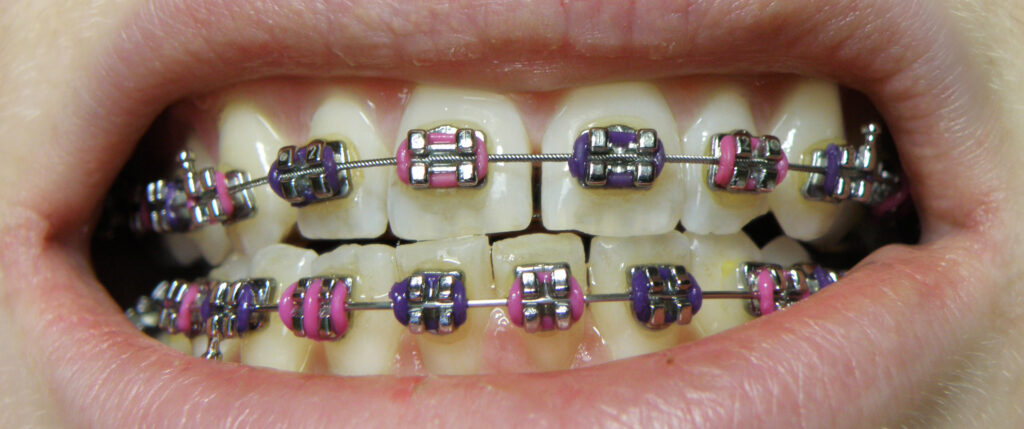
There can also be practical inconveniences. Food tends to collect more easily around a dental brace, encouraging plaque buildup if oral hygiene is not adjusted accordingly. Speech may feel slightly affected in the first days, especially with lingual or bulkier appliances, though most people adapt quickly. On the psychological side, some individuals feel self‑conscious about their appearance at first, while others enjoy customizing their elastics with colors or simply embrace the treatment as a visible “investment” in their future smile. These reactions are personal and often evolve over the course of treatment.
Time, Progress and the Dental Brace Journey: What Influences Duration
Another frequent question concerns how long a dental brace needs to stay in place. While many clinics provide an estimated range, such as 12–24 months, real‑world treatment length is influenced by multiple variables. These include the severity of the original malocclusion, the type of mechanics used, age, biological response speed and patient cooperation with appointments and recommended habits.
More complex skeletal discrepancies, severe crowding or bite issues generally require a longer period under a dental brace. For younger patients, the presence of ongoing jaw growth can sometimes be used to advantage, allowing orthopedic interventions that are not possible in adults. However, this also introduces variability: growth patterns are not fully predictable, which can slightly extend or shorten the total course compared with early estimates.
Research indicates that missed appointments, broken brackets and inconsistent use of recommended auxiliaries (such as elastics) are among the most common reasons a dental brace stays on longer than expected. Each interruption can slow down the planned sequence of movements. Conversely, patients who attend scheduled visits and closely follow their orthodontist’s instructions tend to remain closer to their initial time estimates, although biology still plays a role. It is usually more realistic to think of treatment length as a flexible window rather than a fixed date.
Dental Brace Care and Everyday Life: Eating, Cleaning, Social Situations
Wearing a dental brace means adjusting some daily habits. Many people are surprised by how quickly these changes become routine, but the first weeks may feel like a learning curve. Eating with braces, for instance, is not impossible but may require modifications in food choices and chewing style.
Very hard, sticky or chewy foods can damage dental brace components. Examples include hard candies, certain nuts or very tough bread crusts. Instead of biting directly into whole apples or crusty baguettes, patients often cut them into smaller, easier‑to‑chew pieces. Temperature extremes very hot or very cold may feel uncomfortable immediately after an adjustment, though this usually settles as tissues adapt. Soft, nutrient‑dense foods can be helpful in the initial phase after each activation when the teeth feel more sensitive.
Oral hygiene also needs to become more meticulous. A dental brace creates extra surfaces and tiny spaces where plaque can accumulate. Special orthodontic brushes, interdental brushes or water flossers are commonly recommended by professionals to navigate around brackets and wires. There is a strong relationship in the literature between poor hygiene during orthodontic treatment and white spot lesions (early signs of enamel demineralization), so extra care pays off. For those seeking deeper background on oral health strategies, resources such as the American Association of Orthodontists or evidence‑review platforms like the Cochrane Oral Health group can be useful starting points.
Socially, many patients find that the presence of a dental brace quickly becomes unremarkable to others. Modern brackets are smaller and less conspicuous than older designs, and aesthetic options reduce visibility further. For some adults, the decision to pursue orthodontic care represents a personal statement about investing in long‑term function and appearance, and they report that this mindset makes it easier to accept the temporary visual change.
Modern Innovations Making Dental Brace Treatment More Comfortable
Orthodontics today is not the same as it was several decades ago. A modern dental brace benefits from advances in materials science, digital imaging and treatment planning that collectively aim to improve both comfort and efficiency. One of the most significant changes has been the adoption of advanced alloys for archwires. Nickel‑titanium wires, for example, exhibit “shape memory” and “superelasticity,” enabling lighter, more continuous forces over a larger range of motion.
Digital technologies also play a growing role. At clinics such as Darya Dental Clinic, digital scans can replace traditional impression materials in many cases, providing 3D models that are easier to store, manipulate and analyze. These models allow clinicians to simulate various tooth movements before placing a dental brace, helping them design a sequence that balances biological limits with aesthetic and functional goals.
Self‑ligating bracket systems and low‑friction archwire designs are additional innovations intended to reduce force peaks and chair time, though clinical studies report mixed results about how dramatically they shorten overall treatment length. Indirect bonding techniques, where brackets are positioned on a model and then transferred to the mouth, can enhance placement accuracy. Collectively, these developments reflect an ongoing effort to make the experience of wearing a dental brace more predictable and patient‑friendly, rather than fundamentally changing the underlying biology.
When a Dental Brace Might Be Recommended: Functional and Aesthetic Considerations
A dental brace is not limited to creating a straight‑looking smile for photos. Orthodontists evaluate a wide range of functional and structural issues when suggesting treatment. These include crowding, spacing, crossbites, overbites, underbites, deep bites and open bites. Each of these patterns can influence chewing efficiency, load distribution on teeth and, in some cases, speech and jaw joint comfort.
For instance, severe crowding can make cleaning between teeth more challenging, potentially increasing the risk of plaque retention and gum irritation if oral hygiene is not meticulous. An improperly aligned bite may cause certain teeth to wear down faster or bear excessive forces. A dental brace is one of the main tools used to redistribute contacts so that chewing forces are spread more evenly. Patients sometimes notice that their teeth “feel different” when biting together as alignment improves, which is usually an intended outcome.
Aesthetics also matters legitimately. Many individuals report that addressing misaligned teeth through a dental brace has influenced how willing they are to smile and interact socially. Psychological studies have explored the relationship between perceived dental appearance and self‑esteem, although results vary and are influenced by cultural factors and personal expectations. Ultimately, deciding whether the potential benefits of orthodontic correction outweigh the temporary inconveniences is a personal choice, best made after a thorough consultation and full understanding of the likely course of treatment.
Choosing a Clinic and Evaluating Information About Dental Brace Treatments
With so much information available online, it can be challenging to distinguish marketing claims from evidence‑based explanations about dental brace treatment. Independent academic resources such as PubMed or the National Institute for Health and Care Research often host high‑level summaries of orthodontic research, but these are usually written for professionals and may require interpretation.
When assessing any clinic, including Darya Dental Clinic, prospective patients often look for indicators such as qualifications of the treating orthodontists or dentists, transparency about procedures, before‑and‑after case galleries, and clear explanations of risks and limitations. A trustworthy provider typically avoids guaranteeing exact treatment times or outcomes with a dental brace, instead offering realistic ranges based on clinical experience and diagnostic data.
Second opinions can also be valuable when considering complex treatment options. Different clinicians may suggest slightly different approaches or appliances, particularly in borderline cases where extraction or non‑extraction strategies are debated. Comparing these viewpoints in light of your own priorities comfort, aesthetics, treatment length, cost can help you make a more informed decision. In any case, reading broadly and asking detailed questions about your future dental brace plan is generally time well spent.
What a Dental Brace Can and Cannot Promise
A dental brace is a powerful tool, but it is not a magic wand. It works by harnessing the body’s natural ability to remodel bone around teeth, guided by precisely applied forces over time. Along the way, most patients experience phases of pressure, mild soreness and temporary lifestyle adjustments. These sensations are real but usually manageable, especially with modern materials and techniques designed to keep forces within biologically friendly ranges.
From a broader perspective, the value of a dental brace lies in what it can change over the long term: alignment, bite relationships and the way your teeth interact when you speak and chew. At the same time, there are limits dictated by jaw structure, age, tissue response and individual priorities. No article, however detailed, can replace a personalized evaluation by a qualified professional, but understanding the principles behind orthodontic treatment helps you ask more precise questions and interpret the answers more clearly.
For patients exploring options in Turkey or abroad, clinics such as Darya Dental Clinic integrate contemporary materials, digital diagnostics and individualized planning to make the dental brace journey as predictable and comfortable as possible. Whether you ultimately decide to pursue treatment or not, having a clear, science‑based picture of what braces can offer and what they require from you in return is the first step toward an informed choice.
