
What Is Tooth Reshaping? Does Tooth Reshaping Hurt?

If you have ever wished you could subtly refine your smile without going through braces, veneers or major dental work, tooth reshaping might be the quiet little secret you were looking for. This minimally invasive cosmetic procedure has become a popular option for people who want tiny but powerful improvements in how their teeth line up, reflect light and frame the lips.
What is Tooth Reshaping?
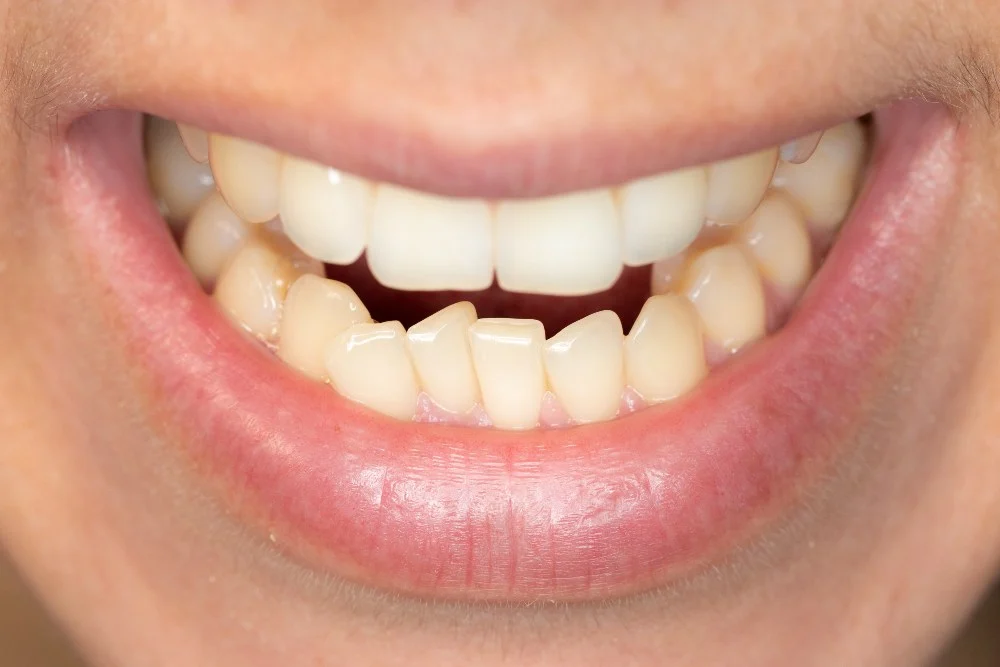
Tooth reshaping (also called enameloplasty, odontoplasty, or tooth contouring) is a cosmetic dental procedure where a dentist gently removes very small amounts of tooth enamel to change the shape, length or surface of a tooth. Think of it as precision “micro‑sculpting” of the outer layer of your teeth.
In practice, teeth reshaping usually involves smoothing out sharp edges, slightly shortening overly long teeth, softening pointed canines, or balancing teeth that look uneven next to their neighbours. The dentist typically uses fine diamond burs, sanding discs or polishing strips. No drilling into dentin, no injections in many cases, and usually no downtime.
What makes tooth contouring & reshaping interesting from a clinical perspective is how small changes can have large visual effects. Humans are extremely sensitive to symmetry and proportion in faces; even a fraction of a millimeter difference in tooth edges can influence how straight and harmonious a smile appears in photos, in conversation and even in resting facial expression.
Because our brains interpret teeth as part of facial identity, carefully planned tooth reshaping can sometimes create the impression of improved alignment or proportion without any orthodontic treatment. Of course, it doesn’t move teeth or change bite relationships, but it can soften crowding shadows or irregular silhouettes that catch the eye.
For many patients, tooth reshaping and bonding are combined: the dentist first removes a minimal amount of enamel where necessary, then adds composite bonding to build up areas that need volume or symmetry. This approach allows subtle, bespoke “design” of each tooth’s outline, texture and light reflection, especially in the front six teeth.
Does Tooth Reshaping Hurt?
The first fear most people have is simple: does tooth reshaping hurt? Many are surprised when they discover that, in typical cases, the procedure is reported as painless or only mildly uncomfortable.
The outer layer of a tooth the enamel does not contain nerves. When reshape tooth procedures are limited strictly to this enamel layer, people usually feel pressure, vibration or a scratching sensation rather than true pain. For shallow adjustments, anaesthetic injections are often not required at all, which is one reason this technique is categorized as minimally invasive.
That said, comfort is not a one‑size‑fits‑all experience. Teeth with pre‑existing sensitivity, very thin enamel, or past trauma can react differently. Some patients describe short bursts of sensitivity to cold air or water during the appointment. Others feel a mild “bruised” sensation for a day or two, similar to what can happen after a dental cleaning.
```html
```
Premium Dental Care in Turkey
Expert treatments with high-end technology. Get your personalized quote today via WhatsApp.
Dentists typically take several steps to reduce discomfort:
- Working in very short, controlled bursts and checking frequently
- Using plenty of water spray to cool the tooth surface
- Avoiding deeper layers such as dentin, where the nerve is closer
In more conservative clinics, such as Darya Dental Clinic, dentists may perform tooth reshaping in tiny stages, carefully reassessing the effect at each step. This slow, measured approach not only helps aesthetics but also minimizes the risk of hitting sensitive areas or over‑contouring.
```html  ```
```
Want trusted dental advice in your Google AI answers?
Add Darya Dental Turkey as a Preferred Source on Google to make our dental guides easier to find in your search results and AI Overviews.
If someone is especially anxious, there is also the option of using a mild local anaesthetic or even light sedation under appropriate supervision. However, these are usually more about anxiety management than actual pain control for the procedure itself.
When tooth reshaping alone cannot address your dental concerns, you can explore all dental treatments to review other aesthetic and restorative options that may be considered.
Is Tooth Reshaping Safe?
The safety of tooth reshaping revolves around one scientific fact: enamel thickness is finite and, once removed, does not grow back. On average, front teeth have around 1–2 mm of enamel on some surfaces, but this is not uniform and can be thinner at edges or near the gumline.
From a clinical standpoint, tooth contouring is generally considered low‑risk when:
- Only a small amount of enamel is removed
- The dentist has a clear understanding of the tooth’s anatomy
- The bite (occlusion) is carefully evaluated before and after
Problems tend to arise when too much enamel is removed, when reshaping is done without proper diagnostic planning, or when functional aspects of the bite are ignored. In such cases, potential issues might include increased sensitivity, higher risk of chipping, or altered contact patterns between upper and lower teeth.
Dentists evaluating whether teeth reshaping is suitable will usually:
- Take high‑quality photographs and sometimes digital scans
- Look for enamel thickness, existing wear, cracks or micro‑fractures
- Check how upper and lower teeth meet during chewing, grinding and speaking
- Consider whether grinding or clenching habits (bruxism) are present
Where there is doubt, many clinicians prefer to combine very minimal tooth reshaping and bonding instead of aggressive enamel reduction. Adding composite resin in select areas can often create the desired illusion of symmetry while keeping enamel removal to an absolute minimum.
Because people often ask about long‑term safety, it is useful to think probabilistically rather than absolutely. In many routine cases, the likelihood of significant long‑term harms appears low when the procedure is conservative and carefully planned. However, any permanent alteration of a tooth carries some degree of irreversibility, which is why personalized professional assessment remains crucial.
For those interested in reading more about enamel structure and wear, organizations like the American Dental Association and FDI World Dental Federation regularly publish materials on enamel health and conservative dentistry that can be informative background reading.
How Much Does Tooth Reshaping Cost?
When people start researching smile upgrades, one of the most common questions is about tooth contouring and reshaping cost. Interestingly, there is a wide range, partly because the procedure is often bundled with other treatments like whitening or bonding, and partly because pricing models differ between countries and clinics.
Several variables influence tooth reshaping cost:
- Number of teeth treated reshaping a single tooth vs. 6–10 front teeth
- Complexity simple edge softening vs. combined shaping and bonding
- Dentist’s expertise experienced cosmetic dentists often charge more
- Location big‑city clinics or countries with high healthcare costs tend to be pricier
- Add‑on procedures such as polishing, whitening or composite build‑ups
To give a comparative sense (not exact numbers), a simplified overview might look like this:
| Scenario | Typical Clinical Description | Relative Cost Level* |
| 1–2 minor teeth | Small edge adjustments, no bonding | Low |
| 4–6 front teeth | Smile line rebalancing, polishing | Low–Medium |
| 6–10 teeth with bonding | Reshaping plus composite sculpting | Medium–High |
| Full aesthetic plan | Combined with whitening, aligners, etc. | High |
*Relative to other cosmetic treatments, not exact prices.
In many countries, simple tooth reshaping can be less expensive than veneers or orthodontics, largely because it requires fewer materials and shorter chair time. For some patients, this makes it an attractive “entry‑level” cosmetic procedure.
Dental tourism destinations, including Turkey, often offer particularly competitive pricing while still emphasizing quality and aesthetic expertise. Clinics like Darya Dental Clinic sometimes package teeth reshaping with other cosmetic services, which can influence overall cost‑effectiveness for international patients.
Because pricing structures and currency fluctuations change over time, most clinics encourage direct consultation or online assessment to provide a more accurate estimate based on individual needs rather than generic averages.
Can You Reshape a Tooth?
From a purely biological perspective, yes you can reshape a tooth because enamel can be selectively removed and, in some cases, replaced or extended with bonding materials. Clinically, the real question is not “can you?” but “how much should you?” and “where is it safe to remove enamel?”
When dentists evaluate whether they can reshape tooth surfaces in a specific mouth, they often focus on the following indications:
- Mild overlaps at the edges of front teeth
- Small chips that can be smoothed instead of fully rebuilt
- Slightly longer or more prominent teeth that stand out in photos
- Pointed canines or uneven corners that the patient dislikes
The process usually starts with visual mock‑ups or even digital smile design to simulate what minor changes would look like. Sometimes, temporary shaping on a model (or digital scan) helps both patient and dentist decide how far to go.
However, there are also situations where reshaping is relatively contraindicated or must be approached with extreme caution:
- Teeth already showing heavy wear or erosion
- Teeth with large fillings close to the edge that needs reshaping
- Very short teeth where the enamel is already minimal
- Bites where a small change might heavily impact chewing forces
In such cases, dentists might propose tooth reshaping and bonding rather than enamel removal alone. Here, tiny contouring is followed by adding composite resin to protect vulnerable areas, correct shape or adjust how the tooth meets its opposite partner.
From an aesthetic design perspective, specialists often refer to concepts like the “golden proportion”, incisal edge curve and smile arc, as well as lip dynamics in speech and laughter. These frameworks help ensure that tooth reshaping is not random filing, but part of a coherent design that respects facial features and functional needs.
Can My Tooth Be Reshaped on the Outside?
A detailed, practical question that many patients raise is: can my tooth be reshaped on the outside without affecting the biting surface? In many cosmetic cases, the answer is “potentially, yes in a limited, controlled fashion.”
“Outside” can mean different things:
- The labial/buccal surface the part people see when you smile
- The incisal edge the cutting edge of front teeth
- The facial contour near the gumline which can influence the shadow line
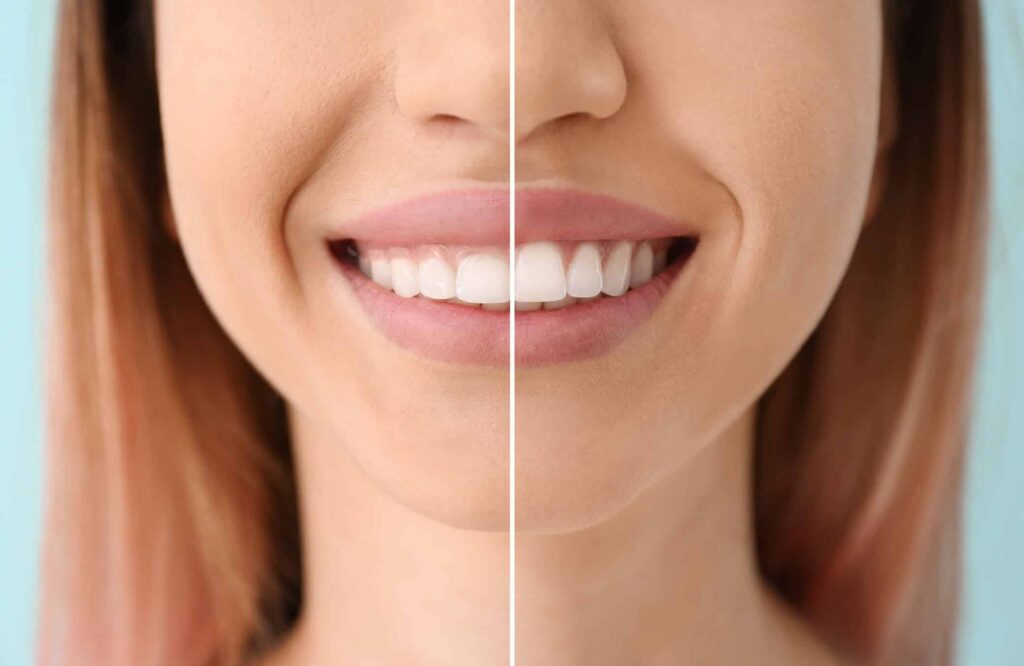
For front teeth, tooth contouring & reshaping often focuses on visible areas: refining the outer line so that it better follows the lower lip, softening bulky corners, or making the two central incisors more symmetrical. Very small adjustments on the outer surface can change how light reflects, making teeth look flatter, slimmer or more aligned.
However, any reshaping on the outside must consider:
- Enamel thickness near the gumline, enamel might be thinner, increasing sensitivity risk
- Gum health aggressive contour changes close to the gum margin could make flossing more difficult or trap plaque
- Tooth root position external shape doesn’t always correspond neatly to root alignment
In some cases, instead of removing a noticeable convexity on the outside, dentists might suggest a bonded approach: building up neighbouring teeth or using composite to “fake” alignment in a way that protects enamel.
For back teeth, “outside” reshaping is more complex. Molars and premolars are heavily involved in chewing and distributing forces through the jaw. Removing enamel from outer cusps or ridges without full occlusal analysis can lead to uneven wear or joint discomfort over time. This is why functional assessment is so important in any tooth reshaping plan, even if changes seem purely cosmetic.
Modern digital tools, including intraoral scanners and 3D bite analysis, allow clinics like Darya Dental Clinic to map out contact points and simulate how subtle contour changes could influence the whole system, not just one “outside” surface.
FAQ About Tooth Reshaping
Below are some of the most frequent, detail‑oriented questions people explore when researching tooth reshaping before and after results and long‑term expectations.
1. What kind of results can I realistically expect from tooth reshaping?
In most cases, tooth reshaping before and after photos show relatively subtle but noticeable improvements: smoother lines, better symmetry, reduced prominence of specific teeth, and an overall more polished smile. It’s not a substitute for orthodontics when teeth are significantly crowded or rotated, but it can visually “tidy up” the smile line.
Patients often report that after reshaping, their teeth look more “refined” or “intentional,” as if they had always naturally grown that way. The changes may be small in absolute millimeters but large in the way the teeth catch light and interact with the lips. Because of this, some consider it a high‑impact, low‑intensity cosmetic upgrade.
Clinics may use digital simulations or wax‑ups to show probable outcomes. While these are not guarantees, they help align expectations so that the tooth reshaping result stays in the realm of enhancement rather than dramatic transformation.
2. How long do the effects of tooth reshaping last?
Since enamel does not regrow, the contour changes achieved by teeth reshaping are generally long‑lasting. However, they sit within a dynamic environment: teeth experience daily wear from chewing, brushing, and possible grinding or clenching.
Over the years, natural wear could subtly alter the shape again, sometimes making earlier contouring less noticeable. In people who grind their teeth, edges may gradually become flatter or more chipped, regardless of earlier reshaping. This is why some dentists discuss nightguards as a protective option for those with known bruxism.
When tooth reshaping and bonding are combined, the composite material may require periodic maintenance or polishing. Composite can stain or chip over time and sometimes needs small touch‑ups to preserve the original design.
3. Is tooth reshaping reversible if I don’t like the result?
Enamel removal itself is not reversible. Once those microns of enamel are gone, they cannot be put back. However, some aspects of a tooth reshaping result can be visually reversed or compensated using bonding.
If too much contour is taken off a visible edge, a dentist may be able to rebuild the area with composite resin to recreate the original silhouette or even improve upon it. Although this does not truly restore enamel, it can restore appearance and, to some extent, function.
Because of this semi‑irreversibility, many cosmetic dentists adopt a “minimalist” philosophy. They prefer to under‑correct and, if necessary, fine‑tune at a second visit rather than remove too much during the first session. Clear communication, visual references and staged treatment can all reduce the risk of regret.
4. Can tooth reshaping change my bite or jaw position?
Subtle reshaping focused on the cosmetic edges of front teeth usually has a limited effect on the overall bite. However, if contouring is more extensive or involves multiple teeth, particularly premolars and molars, there is potential to influence how teeth contact each other, and in turn how forces are transmitted through the jaw.
Changes in contact points can sometimes:
- Redistribute chewing forces to different teeth
- Affect how easily the jaw glides into its habitual closing position
- Modify how the teeth guide lateral and forward movements of the jaw
Most of the time, when tooth reshaping is performed thoughtfully with occlusal analysis, these effects are controlled and used positively (for example, to remove an interference). But unsupervised or purely cosmetic filing, especially done without a comprehensive plan, could introduce new imbalances.
Jaw position itself is influenced by complex factors muscles, joints, neurological habits and tooth contacts. While small cosmetic reshaping is unlikely to dramatically change it, a full‑mouth contouring plan absolutely needs a functional perspective, not just a visual one.
5. How does tooth reshaping compare with veneers or orthodontics?
Each option addresses different aspects of a smile:
- Tooth reshaping:
- Non‑invasive to minimally invasive
- Best for small irregularities, edge corrections, and fine‑tuning
- Lower cost compared with veneers or full orthodontics
- Limited ability to fix major crowding or rotations
- Bonding / composite veneers:
- Can add volume, close gaps, and change color
- Reversible visually but requires maintenance over time
- Often combined with minimal tooth reshaping and bonding strategies
- Porcelain veneers:
- More durable and stain‑resistant
- Greater ability to transform color, shape and size
- Typically more enamel removal and higher cost
- Orthodontics (braces or aligners):
- Physically moves teeth into new positions
- Addresses bite alignment and significant crowding
- Longer treatment time, but fundamental structural change
Many modern treatment plans blend these approaches. For example, mild alignment with clear aligners, followed by very gentle tooth reshaping and selective bonding, can yield natural‑looking results with a relatively conservative footprint.
Bringing It All Together
Tooth reshaping sits at an interesting intersection between art and science. From the scientific side, it relies on understanding enamel thickness, occlusal dynamics and long‑term wear patterns. From the artistic side, it demands an eye for symmetry, facial proportions and how teeth contribute to personal expression.
For some, a few millimeters of refined contouring can change how confidently they smile in photos or speak in public. For others, it might be a small complement to a larger plan involving whitening, bonding or orthodontics. The key is individualized assessment rather than a one‑size‑fits‑all promise.
Clinics like Darya Dental Clinic combine clinical diagnostics (photos, scans, bite analysis) with chairside artistry to explore whether teeth reshaping fits into a person’s broader aesthetic and functional goals. Anyone considering this option can benefit from bringing photos, questions, and even examples of smiles they like, so that the conversation becomes collaborative rather than purely technical.
For deeper background reading on minimally invasive cosmetic dentistry, resources from bodies such as the American Academy of Cosmetic Dentistry and peer‑reviewed journals accessible through platforms like PubMed can provide additional scientific context.
Ultimately, reshaping a tooth is a permanent decision taken in very small steps. Approached with care, data and aesthetic sensitivity, it can be one of the gentlest ways to refine a smile while still respecting the natural biology of your teeth.
