
Supernumerary Teeth: Causes, Types, and Removal
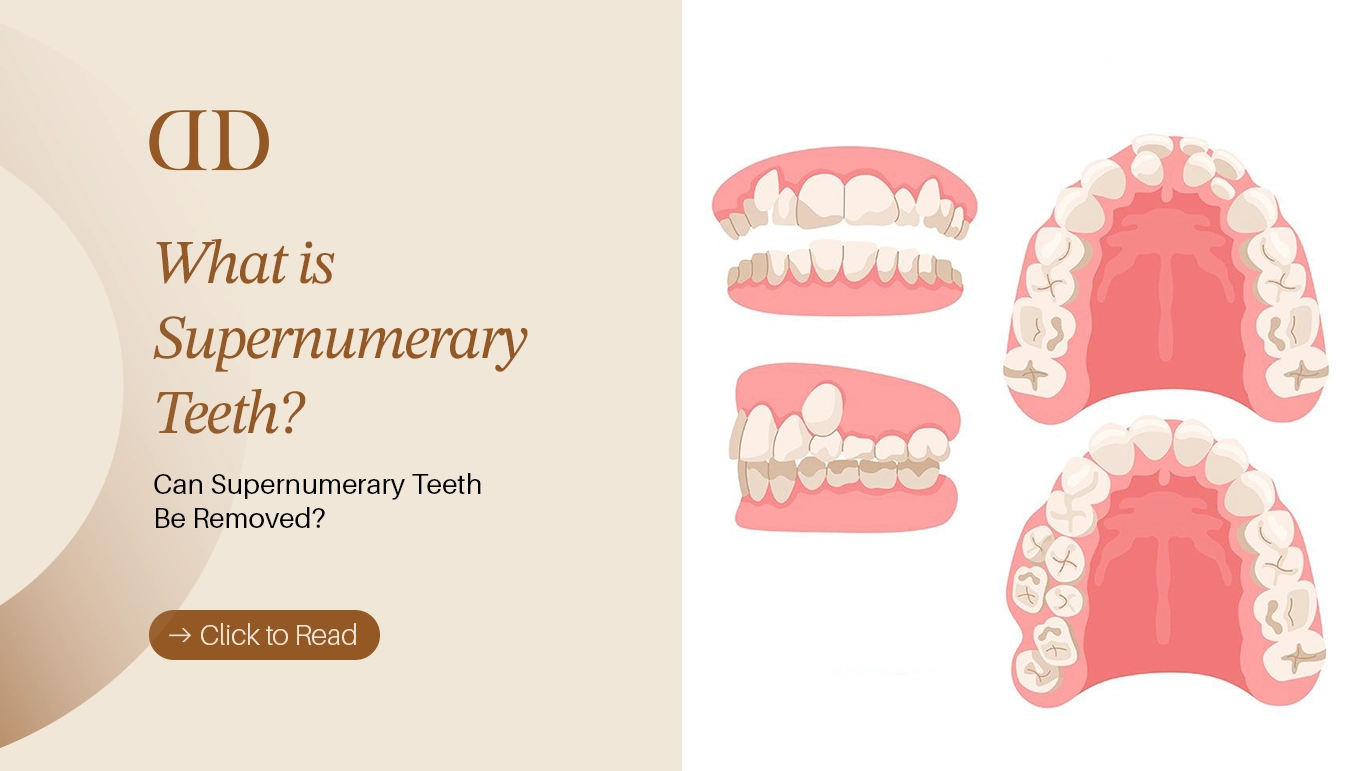

The human mouth is typically designed to accommodate 20 primary teeth and 32 permanent teeth. However, dental development occasionally produces additional structures known as supernumerary teeth.
This condition can occur in anyone, often surfacing during a routine dental X-ray or a physical check-up. While the appearance of extra teeth might seem alarming, it is a manageable dental anomaly.
At Darya Dental Clinic, we focus on identifying supernumerary teeth early to prevent long-term alignment issues. Understanding why they form is the first step toward effective oral care.
What is Supernumerary Teeth?
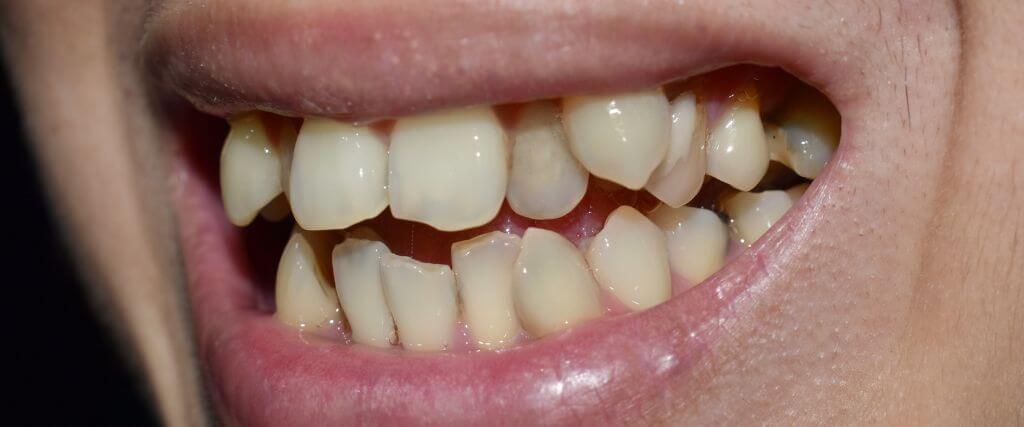
In clinical terms, supernumerary teeth refers to the presence of extra teeth beyond the standard dental formula. This phenomenon is medically known as hyperdontia.
These additional structures can emerge anywhere in the dental arch. While they often appear in the upper jaw, they can also develop in the lower jaw or remain hidden under the gums.
The presence of supernumerary teeth usually becomes evident as a child transitions to their permanent dentition. However, some cases remain asymptomatic and are only found through imaging.
Experts at the American Dental Association (ADA) suggest that early detection is vital. It allows for a proactive approach to maintaining a functional and aesthetic smile.
While the exact mechanics of their formation are complex, hyperdontia supernumerary teeth are generally the result of an overactive dental lamina during early development.
Depending on the position and impact of supernumerary teeth, you can explore all dental treatments to review the options that may be considered after a clinical evaluation.
```html
```
Premium Dental Care in Turkey
Expert treatments with high-end technology. Get your personalized quote today via WhatsApp.
Are Supernumerary Teeth Bad?
Extra teeth are not always inherently “bad,” but they frequently lead to complications that require professional intervention. Many supernumeraries teeth stay hidden without causing pain.
However, the most common issue is dental crowding. When supernumerary teeth occupy space meant for permanent ones, they can cause natural teeth to shift, rotate, or overlap.
```html  ```
```
Want trusted dental advice in your Google AI answers?
Add Darya Dental Turkey as a Preferred Source on Google to make our dental guides easier to find in your search results and AI Overviews.
This crowding makes it significantly harder to maintain oral hygiene. Plaque easily accumulates in these tight spaces, increasing the risk of cavities and gum disease.
Furthermore, supernumerary teeth can obstruct the path of permanent teeth. This can lead to impaction, where a natural tooth remains trapped beneath the bone.
In some instances, a cyst may develop around the follicle of the extra tooth. If left untreated, these cysts can potentially damage the jawbone and the roots of adjacent healthy teeth.
Beyond physical health, supernumerary teeth can affect a person’s confidence. If they erupt in a visible area, they may disrupt the symmetry and aesthetics of the smile.
Causes of Supernumerary Teeth
The specific causes of supernumerary teeth are a subject of ongoing research, though a mix of genetics and environment is widely accepted.
One leading theory is the “Dichotomy Theory,” which suggests a single tooth bud accidentally splits into two. This results in two separate teeth where only one should exist.
Another possibility involves the “Dental Lamina Hyperactivity Theory.” This suggests that leftover cells from the tooth-forming stage continue to produce extra buds.
Genetics play a major role in the development of teeth supernumerary structures. If a parent has experienced hyperdontia, their children are statistically more likely to have it too.
Certain medical conditions and syndromes are also linked to an increased risk of supernumerary teeth, including:
- Cleft lip and palate
- Down syndrome
- Gardner’s syndrome
- Cleidocranial dysplasia
For most healthy individuals, however, supernumerary teeth appear as isolated occurrences without any underlying systemic condition.
Can Supernumerary Teeth be Removed?
The most common question patients ask at Darya Dental Clinic is whether these extra structures must be extracted. The decision depends on the tooth’s position and its impact on your oral health.
If supernumerary teeth are causing pain, blocking permanent eruption, or damaging roots, removal is the standard recommendation. Most specialists prefer to address the issue as soon as it is identified.
The extraction process begins with a detailed clinical assessment. We use advanced imaging to map the exact location of the extra tooth relative to healthy roots and nerve pathways.
For many, the procedure is a straightforward extraction under local anesthesia. For deeper or impacted supernumeraries teeth, a minor surgical approach may be necessary to ensure a safe recovery.
Post-extraction care typically focuses on healing and monitoring. In many cases, orthodontic treatment follows to guide the natural teeth into the space previously occupied by the extra tooth.
If the extra tooth is not causing immediate harm, some dentists may suggest a “watch and wait” approach. However, regular monitoring is essential to catch any developing cysts or alignment shifts early.
Types of Supernumerary Teeth
Dental professionals categorize these anomalies based on their shape and their location in the mouth. Identifying the specific supernumerary teeth types is critical for planning the correct treatment.
The shape of the tooth often dictates how likely it is to erupt or cause damage. Some resemble normal teeth, while others are small, malformed masses of dental tissue.
According to research published by PubMed Central, morphology is the most reliable way to classify these cases. Below are the most common variations found in patients.
Conical (Mesiodens)
The conical type is the most frequent variation. These are small, peg-shaped teeth that usually appear between the two upper front teeth.
When located in the midline, they are called a “mesiodens.” They often cause a large gap to form between the front teeth or prevent them from emerging correctly.
Tuberculate Supernumerary Teeth
In contrast to conical shapes, tuberculate supernumerary teeth are barrel-shaped and often have more than one cusp. They usually have underdeveloped roots.
These teeth are notorious for staying impacted. Because tuberculate supernumerary teeth rarely erupt on their own, they often require surgical intervention to clear the path for permanent teeth.
Supplemental Teeth
Supplemental supernumerary teeth look exactly like a normal tooth in the series. They are effectively “duplicates” of incisors, premolars, or molars.
Because they resemble natural teeth so closely, they can be difficult to spot without a professional X-ray. They are a primary cause of severe dental crowding and misalignment.
Odontoma
An odontoma is often grouped within supernumerary teeth types, though it is technically a dental hamartoma. It consists of a disorganized cluster of enamel, dentin, and pulp.
Odontomas can be compound (looking like tiny tooth-like structures) or complex (a solid mass). They are usually removed to prevent interference with the surrounding bone.
Supernumerary Wisdom Teeth
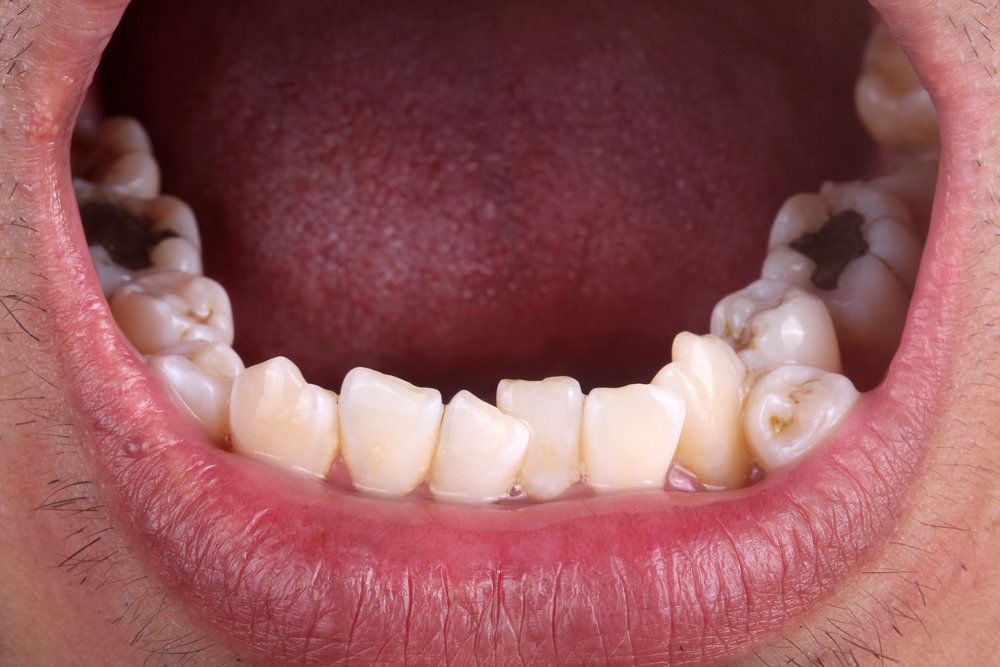
When extra teeth develop behind the third molars, they are referred to as supernumerary wisdom teeth. These are also known as distomolars or fourth molars.
The back of the jaw rarely has enough space for four wisdom teeth, let alone fifth or sixth ones. Consequently, supernumerary wisdom teeth are almost always impacted and uncomfortable.
Extraction of these extra molars follows a similar protocol to standard wisdom tooth removal. It is often recommended to prevent pressure on the jaw joint and the existing molars.
At Darya Dental Turkey, we emphasize that supernumerary teeth in the molar region should be checked annually. This prevents them from pushing against the roots of your functional biting teeth.
If you have experienced unexplained pressure at the back of your jaw, it may be due to these hidden supernumeraries teeth making an unexpected appearance.
How Many People Have Supernumerary Teeth?
Studies in global dental health suggest that this condition is more common than many people realize. Prevalence rates typically range from 1% to 4% of the general population.
While supernumerary teeth can affect anyone, clinical data shows a higher frequency in certain groups. For instance, men are twice as likely as women to develop these extra dental structures.
In most cases, a patient will only have a single extra tooth. Finding multiple supernumeraries teeth in one mouth is much less frequent, occurring in less than 1% of the population.
At Darya Dental Turkey, we often identify these cases during routine digital screenings. Because many remain hidden under the gumline, professional imaging is the only way to confirm their presence.
How Rare is Supernumerary Teeth?
The rarity of this condition depends on the stage of life. In primary or “baby” teeth, supernumerary teeth are quite rare, appearing in less than 0.8% of children.
The condition is significantly more visible during the transition to permanent teeth. Most cases involve a single tooth located in the midline of the upper jaw, known as a mesiodens.
While isolated cases are common, having multiple supernumerary teeth types throughout the mouth is rare. This presentation is often linked to specific systemic or genetic conditions.
According to research from the National Institutes of Health (NIH), if you have one extra tooth, there is a 25% chance of a second one appearing elsewhere in the mouth.
Frequently Asked Questions About Supernumerary Teeth
Can supernumerary teeth cause pain if they don’t erupt?
Yes, even if they stay under the gums, they can put pressure on the roots of existing teeth. This pressure often results in a dull ache or sensitivity in the surrounding area.
What are the most common types of supernumerary teeth?
The most frequent types are conical (peg-shaped), tuberculate (barrel-shaped), and supplemental. Supplemental teeth are unique because they look exactly like your natural teeth.
Are there specific causes of supernumerary teeth?
The exact cause is a mix of genetics and developmental factors. Most experts believe an overactive dental lamina is responsible for producing these extra tooth buds during childhood.
How do dentists diagnose hidden supernumeraries teeth?
We primarily use panoramic X-rays or 3D Cone Beam Computed Tomography (CBCT). These tools allow us to see the exact depth and angle of the extra tooth without surgery.
Is the removal of supernumerary wisdom teeth different from normal ones?
The procedure is very similar, though it requires extra precision. The surgeon must navigate around the existing third molars and nearby nerve endings to ensure a safe extraction.
