
Professional Teeth Whitening: Your Complete Guide to a Brighter, Confident Smile
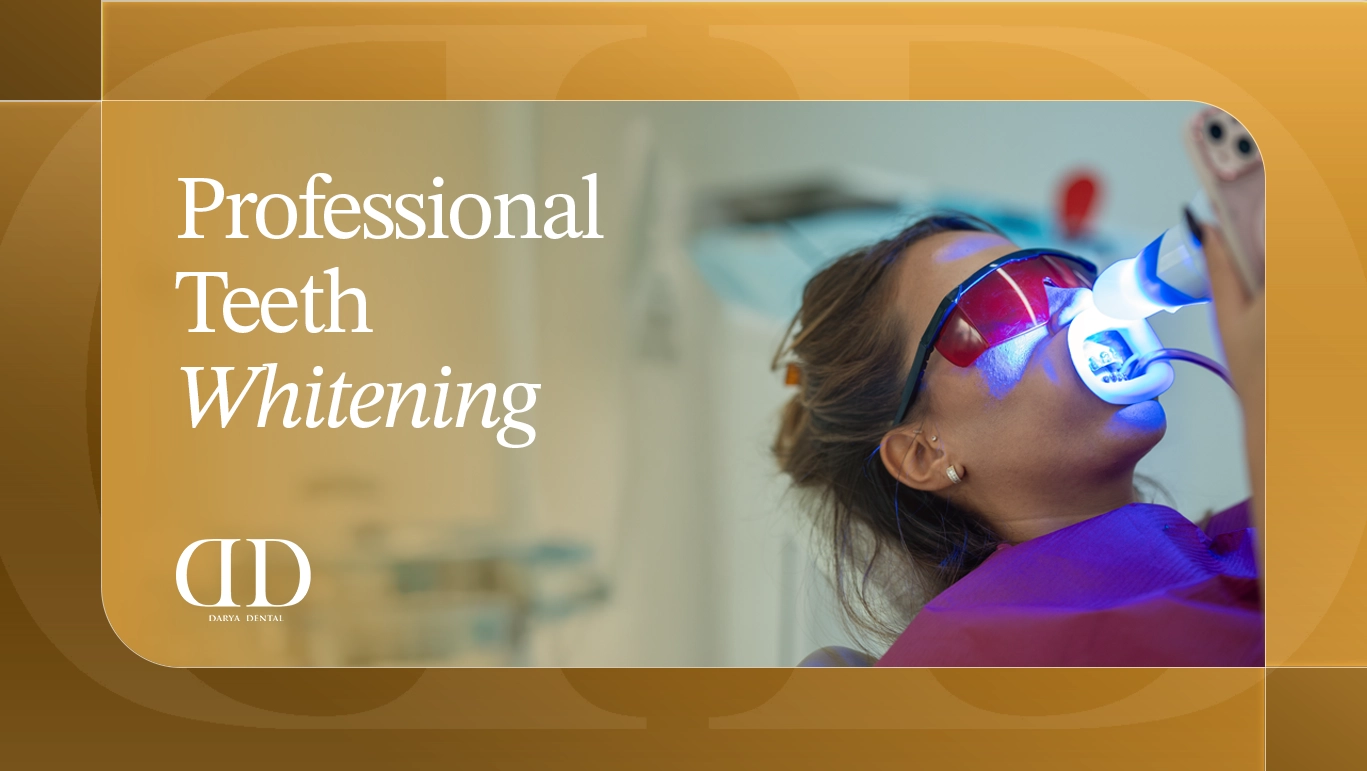

Here’s the thing about a brighter smile: it changes everything. Not in some magical, life-transforming way, but in the quiet confidence it gives you when you’re taking photos, sitting in meetings, or making first impressions. You stop worrying about whether your teeth look yellow. You stop overthinking every smile.
But the questions are always the same. Is teeth whitening safe? Will it make my teeth hurt? Can genuinely yellow teeth actually turn white? Should I mess around with strips at home or just book a professional session and be done with it?
Let’s talk through all of that—simply and honestly.
What You Actually Need to Know (The Quick Version)
Before we dive deep, here’s what matters most:
Safety works when it’s done properly. Modern, dentist-grade whitening systems brighten your teeth without harming enamel. The horror stories you’ve heard? Usually involve sketchy DIY methods or unregulated products.
Sensitivity-free options genuinely exist. The right formulas, proper barriers, and desensitizers keep the whole experience comfortable. This isn’t 2005 anymore—we’ve figured out how to do this without pain.
Timing depends on what you’re working with. One session is often enough for maintenance or mild staining. Deeper stains respond best to multi-session plans, which might mean two sessions back-to-back on the same day, or a series over consecutive days.
Shade expectations: be realistic but optimistic. You’re looking at 2-5 shades lighter after one visit, and 6-8 shades with a proper multi-session protocol. That’s a significant, visible change.
Your lifestyle determines how long it lasts. Coffee, tea, red wine, and tobacco drive most stains. Post-care isn’t complicated, but it does matter.
Professional whitening in a dental clinic wins. At-home tools can help with maintenance, but if you want fast, even, predictable results, professional treatment is simply better.
Why Do Teeth Become Yellow? (And Why It’s Probably Not Your Fault)
Let’s start with the obvious culprit: coffee. And tea. And red wine. And basically anything with dark pigments that you enjoy consuming.
These pigments settle into your enamel over time, especially if you’re sipping coffee throughout the day rather than finishing it in one go. The tannins in coffee and tea are particularly clingy—they bond to enamel like they’ve found their forever home.
Smoking accelerates the process dramatically. But even non-smokers notice gradual yellowing as they age. Here’s why: enamel naturally becomes thinner over time, revealing more of the yellow dentin layer beneath. It’s just aging. It happens to everyone.
Genetics play a role too. Some people simply start with naturally warmer-toned teeth. Certain medications can cause discoloration. Accumulated plaque and tartar contribute. Even people who brush religiously may notice their teeth gradually yellowing because daily habits continually introduce new stains faster than brushing can remove them.
The good news? Most external staining responds very well to whitening treatments. You’re not stuck with yellow teeth just because you refuse to give up coffee (and honestly, who would?).
Is Teeth Whitening Safe? (The Answer Might Surprise You)
When performed with approved materials and proper technique, yes—teeth whitening is safe.
Here’s what actually happens: whitening gels temporarily open microscopic enamel pores to lift stains. With controlled exposure and proper gum protection, your tooth structure remains completely intact. Research published in PMC confirms that properly administered whitening treatments don’t compromise enamel integrity. The enamel doesn’t get thinner. It doesn’t get damaged. It just gets cleaner.
Problems arise from abrasive DIY pastes (looking at you, baking soda and lemon juice), unregulated gels bought online, or skipping soft-tissue protection because you’re trying to save money. That’s when people end up with gum irritation, uneven results, or genuine sensitivity issues.
Safe whitening includes protective barriers for your gums and lips, correct gel concentration and exposure time, optional desensitizing steps before and after treatment, and a plan tailored to your specific stain type, enamel thickness, and sensitivity history.
It’s not complicated. It’s just about doing it properly instead of winging it with random TikTok hacks.
Sensitivity-Free Teeth Whitening: Not a Myth Anymore
Sensitivity used to be the biggest fear around whitening. People would avoid it entirely because they’d heard horror stories about teeth hurting for days afterward.
Today, a sensitivity-free—or at least sensitivity-reduced—plan is completely straightforward. Studies show that modern desensitizing protocols significantly reduce discomfort during and after whitening treatments. You pre-treat with desensitizing agents like potassium nitrate. You choose gentler chemistry when appropriate, using stabilized or lower-peroxide formulations. You use shorter cycles and avoid unnecessary heat or light for sensitive profiles. You finish with enamel-supportive varnishes or gels containing stannous fluoride or nano-hydroxyapatite.
Most people complete professional whitening with little to no discomfort. If you do experience any “zings” (that’s what they feel like—brief, sharp sensations), they typically fade within 24-48 hours. It’s manageable. It’s temporary. And for many people, it doesn’t happen at all.
Enamel-Safe Whitening: What It Actually Means
Your enamel is finite. Once it’s gone, it’s gone. So enamel-safe whitening focuses on chemistry over abrasion.
That means no acidic “kitchen” mixtures that sound clever but actually damage your teeth. No charcoal powders, which can be excessively abrasive despite the wellness-industry hype. No harsh scrubs that literally sand away enamel to make teeth appear whiter temporarily.
Instead, you use dentist-approved gels that lift stains chemically, with sensible exposure times and concentrations matched to your specific teeth. Research demonstrates that properly formulated whitening treatments preserve enamel microstructure while effectively removing discoloration. The goal is removing discoloration, not removing tooth structure.
Is Teeth Whitening Harmful?
No, when it’s done correctly.
Teeth whitening is harmful when you use harsh DIY mixtures like lemon juice, baking soda, or charcoal without understanding what you’re doing. It’s harmful when you buy unregulated gels online and apply them incorrectly. It’s harmful when you skip gum protection or ignore exposure time limits.
But when performed under controlled conditions—with proper gum protection, correct gel strength, and monitored exposure time—professional whitening enhances your smile while keeping your enamel and gums completely protected. European health authorities have established clear safety guidelines for tooth whitening products to ensure consumer safety.
The temporary sensitivity some people experience isn’t “harm.” It’s a transient reaction that resolves quickly, especially when you use desensitizing products and appropriate aftercare.
Think of it like getting your hair colored. Done properly by a professional with quality products, it’s fine. Done badly with harsh chemicals in your bathroom, it’s a disaster. Same principle.
Read more: Is Hydrogen Peroxide Safe for Teeth? Everything You Need to Know About This Popular Whitening Agent
How Long Does Teeth Whitening Take? (And Why You Might Need More Than One Session)
A single in-office whitening session generally takes 45-60 minutes, including prep, isolation, gel cycles, and finishing care. It’s not an all-day commitment. You can literally do it on your lunch break.
But here’s where it gets interesting: deeper, long-standing stains—think years of coffee, tea, tobacco, or age-related yellowing—respond best to a short, focused series rather than a single session.
Two sessions performed back-to-back on the same day can deliver highly successful results. Some dentists also recommend two or three sessions on consecutive days, or two sessions within the same week. This approach reaches deeper layers of staining and produces more uniform, longer-lasting brightness.
Why? Because stubborn stains don’t all lift in one go. The first session gets the surface and near-surface discoloration. Subsequent sessions target the deeper stuff and even out any remaining color variation.
As for shade improvement, you’re looking at 2-5 shades lighter after one session, and 6-8 shades lighter with multi-session plans. Clinical research confirms that multi-session protocols produce superior and more stable whitening outcomes compared to single treatments. Results vary depending on your enamel structure, stain type, and how diligently you follow aftercare instructions.
Coffee & Tea Stain Removal: The Daily Struggle
The tannins in coffee and tea are clinically proven to be annoying. They cling to enamel with impressive determination. Professional whitening clears them efficiently—the problem is that your habits determine how long the results last.
If you go right back to sipping coffee all day without any adjustments, you’ll be back where you started within months. That’s just reality.
Keep your brightness longer by rinsing with water after drinking coffee or tea (seriously, just swish some water around), drinking through a straw where practical (less contact with front teeth), finishing your drink in one sitting instead of sipping for hours, scheduling regular professional cleanings, and using a whitening toothpaste once daily.
None of this requires major lifestyle changes. You don’t have to give up coffee. You just have to be slightly more strategic about it.
The Whitening Products You’ll Actually Encounter
When you start researching teeth whitening, you’ll run into several product categories:
Whitening gels and kits with professional-grade formulations use high-performance peroxide or alternative active ingredients. They deliver fast, noticeable changes. Hydrogen peroxide, the most common active ingredient, works by penetrating the enamel and breaking down stain molecules. These are what dental clinics use for in-office treatments.
Custom whitening trays are tailor-made for your teeth, ensuring uniform gel contact. They’re ideal for maintenance and touch-ups after your initial professional treatment.
Activation devices like LED or laser systems are used in certain protocols to accelerate results. Not every system needs them—some work through chemistry alone.
Desensitizers are gels or varnishes that reduce post-whitening sensitivity. If you’re prone to sensitive teeth, these are your friends.
Teeth Whitening Strips: Helpful, But With Clear Limits
People like whitening strips because they’re affordable, easy to use, and produce visible improvement for mild-to-moderate stains. Fair enough.
But keep the limits in mind: they’re less uniform on rotated or curved teeth (they don’t bend around complex surfaces well), they can cause gum irritation if placed poorly, they’re slower compared to professional systems, and they’re significantly less effective on deeper discoloration.
Strips are great for maintenance or as a first step if you want to see how your teeth respond to whitening. They’re not a substitute for professional treatment when you need fast, even, dramatic whitening.
Whitening Toothpaste: What Actually Works (And What Doesn’t)
Here’s what whitening toothpaste doesn’t do: bleach your teeth. Let’s just clear that up immediately.
What it does do is remove surface stains and help maintain results after professional whitening. It’s polishing and prevention, not transformation.
Look for fluoride for enamel protection, low-to-moderate abrasivity that won’t damage your teeth over time, potassium nitrate for comfort if you have sensitive teeth, stannous fluoride or nano-hydroxyapatite for enamel support, and gentle stain-removers like polishing silica or low-dose peroxide in some formulas.
Avoid charcoal powders (too abrasive despite the Instagram appeal), highly abrasive pastes that literally sand your teeth, and acidic “natural” blends that sound healthy but damage enamel.
A quick reference:
For maintaining whitening results: Look for fluoride and gentle polishers. Avoid high-abrasive pastes.
For sensitivity care: Choose potassium nitrate or stannous fluoride. Skip menthol-heavy pastes if they irritate your teeth.
For enamel support: Nano-hydroxyapatite and stannous fluoride are your best options. Avoid acidic DIY mixes with lemon or vinegar.
At-Home Teeth Whitening vs Professional Whitening: The Honest Comparison
Let’s be direct about the differences:
Speed: At-home whitening options (strips, low-strength gels, generic trays) work slowly—think days to weeks for visible results. Professional whitening in a dental clinic is fastest, often delivering noticeable improvement in 45-60 minutes.
Strength and Control: At-home whitening products use lower active concentrations with less precision. Professional treatment uses higher-strength formulations with exact control over application and exposure time.
Uniformity: DIY whitening methods can create uneven results, especially if you have rotated teeth, receded gums, or varied enamel thickness. Professional whitening ensures even coverage and consistent results.
Safety and Supervision: Home whitening kits rely on you following instructions correctly without professional oversight. Professional treatment includes gum protection, proper isolation, and immediate adjustment if sensitivity occurs.
Results: Home whitening methods can achieve 1-3 shades of improvement over weeks. Professional whitening delivers 2-5 shades in one session, or 6-8 shades with a multi-session plan.
Cost: Home whitening kits range from $20-$100. Professional whitening costs $300-$800 per session, depending on the system and location.
Convenience vs Quality: At-home whitening fits into your schedule easily but compromises on speed and results. Professional treatment requires an appointment but delivers superior outcomes faster.
If you need mild brightening and have time to spare, at-home options work fine. If you want significant, fast, even results, professional whitening is the better investment.
Professional Teeth Whitening: What Actually Happens During Your Appointment
You might be nervous about your first professional whitening session. Here’s exactly what happens so there are no surprises.
Your dentist starts with a consultation and shade assessment, documenting your starting point. They protect your gums, lips, and soft tissues with barriers or protective gel—this is crucial for preventing irritation.
The whitening gel gets applied precisely to your teeth. Depending on the system, an activation light or laser might be used to accelerate the process, or the gel might work through chemistry alone.
The gel stays on for a specific time (usually 15-20 minutes per cycle), then gets removed. The process might repeat for 2-3 cycles depending on your treatment plan and how your teeth are responding.
After the final cycle, your dentist removes all gel thoroughly, applies desensitizer if needed, and gives you post-care instructions. The entire appointment takes 45-60 minutes.
You leave immediately with noticeably brighter teeth. There’s no downtime. You might experience mild sensitivity for a day or two, but most people are completely comfortable.
Read more: What is Zoom Teeth Whitening?
How Long Does Teeth Whitening Last?
This is the question everyone wants a definitive answer to, but the truth is: it depends on you.
With good habits and minimal exposure to staining agents, professional whitening can last 1-3 years. With frequent coffee, tea, red wine, or tobacco use, you might need touch-ups every 6-12 months.
What affects how long your results last? Daily consumption of pigmented beverages, smoking or vaping, oral hygiene consistency, whether you use maintenance products like whitening toothpaste, and whether you get regular professional cleanings. Studies on whitening longevity show that post-treatment care and lifestyle modifications are key determinants of result durability.
You can’t stop aging or change your genetics, but you can control your habits. Rinse after coffee. Use a straw when practical. Don’t sip staining beverages constantly throughout the day. Brush and floss consistently. These simple adjustments make a significant difference in how long your whiteness lasts.
What About Natural Teeth Whitening Methods? (The Truth You Need to Hear)
Oil pulling, activated charcoal, baking soda, lemon juice, strawberries—you’ve seen the blogs and Instagram posts promising natural teeth whitening.
Here’s what actually works: basically none of them, at least not safely or effectively.
Oil pulling doesn’t whiten teeth. It might improve oral health slightly through mechanical cleaning, but it won’t remove stains.
Activated charcoal is abrasive and can damage enamel over time. Any “whitening” you see is temporary and comes at the cost of microscopic surface damage.
Baking soda is also too abrasive for regular use. It can remove some surface stains, but it also wears down enamel.
Lemon juice? Absolutely not. The acidity literally erodes enamel. This isn’t whitening—it’s dental damage.
Strawberries contain malic acid, which might have a very slight bleaching effect, but you’d need to use them constantly, and the acid exposure isn’t worth it.
If you want genuinely effective, safe teeth whitening, use products and methods that have been tested and approved. Natural doesn’t automatically mean safe or effective.
The Sensitivity Question: What If You Already Have Sensitive Teeth?
Having sensitive teeth doesn’t disqualify you from whitening—it just means you need a sensitivity-reduced whitening plan.
Your dentist can tailor treatment with gentler formulas that use stabilized peroxide or alternative bleaching agents, shorter exposure cycles to minimize irritation, desensitizers applied before and after treatment, and careful monitoring throughout the session.
Many people with sensitivity concerns complete professional whitening without major issues. The key is communication—tell your dentist about your sensitivity history so they can adjust the protocol accordingly.
Will Teeth Whitening Affect Your Crowns, Fillings, or Veneers?
This is important: whitening treatments only work on natural tooth enamel. They don’t change the color of crowns, fillings, veneers, or any other dental restorations.
If you have visible restorations on your front teeth, whitening might create a color mismatch. Your natural teeth will get lighter, but your crown or filling will stay the same shade it’s always been.
The solution? Some people choose to whiten first, then replace their restorations to match their new, brighter shade. Others accept slight color variation. It depends on how visible the restoration is and how much the mismatch bothers you.
Always discuss this with your dentist before starting whitening treatment so you know what to expect.
Teeth Whitening for Special Occasions: Timing Your Treatment Right
Getting married? Attending a reunion? Have professional photos scheduled? Timing your teeth whitening correctly ensures you look your best when it matters.
For major events, schedule your final whitening session 1-2 weeks beforehand. This gives any temporary sensitivity time to resolve and allows the final shade to stabilize.
If you’re doing a multi-session protocol, start 2-3 weeks before your event. This gives you time for the series and a buffer period afterward.
Avoid whitening the day before important events. While most people tolerate it well, you don’t want to risk sensitivity during your wedding or presentation.
For maintenance touch-ups, 3-4 days before an event works well—close enough that you’ll look bright, far enough that any minor sensitivity will fade.
Your Post-Whitening Care Guide: Keeping That Brightness
You’ve invested time and money into professional whitening. Now make it last.
For the first 24-48 hours after treatment, avoid deeply pigmented foods and drinks: coffee, tea, red wine, dark berries, tomato sauce, soy sauce, curry, and balsamic vinegar all make the avoid list temporarily.
Stick to white or light-colored foods during this critical period: chicken, fish, rice, pasta with white sauce, white bread, bananas, and clear beverages.
After the initial 48 hours, you can return to normal eating, but incorporate these smart habits: rinse with water after consuming staining beverages, use a straw for coffee, tea, or wine, finish beverages relatively quickly rather than sipping for hours, brush or rinse after pigmented meals when possible, and maintain excellent oral hygiene.
Use whitening toothpaste once daily to help prevent new stains from setting in. Schedule regular professional cleanings every 6 months. Consider periodic touch-up treatments as needed, typically every 6-18 months depending on your habits and goals.
The Cost of Professional Teeth Whitening: What to Expect
Professional teeth whitening costs vary significantly based on location, the system used, and whether you need multiple sessions.
In-office whitening typically ranges from $300-$800 per session in most markets. Multi-session packages might cost $600-$1,200 total. Take-home custom tray kits from your dentist usually run $300-$500.
Compare this to at-home options: over-the-counter whitening strips cost $20-$60 per kit, and generic whitening trays with gel run $50-$100.
The price difference reflects the strength of materials used, professional supervision and safety protocols, speed and predictability of results, and customization to your specific needs.
Most dental insurance plans don’t cover cosmetic whitening, though some may cover a portion if whitening is needed after restorative work. Check your specific plan before assuming it’s not covered.
Keep on reading: Teeth Whitening Cost in Istanbul Turkey 2025
Common Teeth Whitening Mistakes to Avoid
Even with professional whitening, you can undermine your results through common mistakes.
Don’t resume coffee, tea, or red wine consumption immediately after treatment without adjusting your habits. Don’t skip post-treatment instructions from your dentist. Don’t use abrasive whitening products thinking “more is better.” Don’t ignore sensitivity—alert your dentist if it’s severe or persistent. Don’t expect whitening to work on crowns, veneers, or fillings.
Also avoid over-whitening. Your teeth have a natural limit to how white they can become. Pushing beyond that doesn’t create better results—it creates translucency issues and unnecessary sensitivity.
The Psychology of a Whiter Smile: Why It Actually Matters
There’s research behind this: people with whiter smiles are perceived as more confident, successful, and approachable in social and professional settings.
But the more important effect is internal. When you’re not self-conscious about your teeth, you smile more freely. You don’t cover your mouth in photos. You don’t avoid certain social situations. The barrier that used to hold you back suddenly disappears.
It’s not vanity. It’s removing an obstacle to confidence. And that matters more than most people realize.
Top-Rated Whitening Toothpastes That Actually Work
Whitening toothpaste can’t replace professional whitening treatment, but it’s incredibly useful for maintaining brightness, reducing new stains, and supporting enamel health after whitening.
Here are the most loved, enamel-safe, and sensitivity-friendly whitening toothpastes:
Sensodyne Pronamel Gentle Whitening is a top favorite for sensitivity concerns. It uses a gentle, low-abrasion formula that strengthens enamel while removing stains. Great for everyday use and excellent for maintaining results after professional whitening.
Opalescence Whitening Toothpaste (Sensitive Formula) is perfect if you want visible whitening without irritation. It’s formulated specifically for sensitive teeth, effectively lifts coffee and tea stains, and works as an ideal long-term maintenance toothpaste.
Colgate Optic White Pro Series is a stronger whitening option for those wanting faster results. Its hydrogen-peroxide-based formula tackles deeper stain removal and provides noticeable brightness with consistent use.
Crest 3D White Brilliance is popular for quick daily brightening. It uses advanced polishing agents, helps prevent new stains from forming, and offers a good balance between whitening power and enamel safety.
Sensodyne Clinical White is designed specifically for sensitive teeth with whitening goals. It provides 24-hour sensitivity protection while gradually brightening teeth in a safe, comfortable way.
Crest Pro-Health Advanced Extra Whitening is a budget-friendly daily toothpaste with solid whitening effects. It includes anti-cavity protection and helps reduce surface stains through simple, effective everyday maintenance.
Lumineux Whitening Toothpaste is great if you prefer natural ingredients. Its peroxide-free formula utilizes gentle enzymes and essential oils, minimizing sensitivity risk for people avoiding harsher chemical formulas.
When choosing whitening toothpaste, look for fluoride for enamel protection, low-to-moderate abrasivity safe for daily use, potassium nitrate or nano-hydroxyapatite for sensitivity control, and hydrated silica, PAP, or low-dose peroxide for effective stain removal.
Avoid charcoal powders, harsh overly abrasive pastes, and acidic DIY-style natural formulas.
A good whitening toothpaste isn’t just about brightness—it’s also about protecting enamel, preventing new stains, and supporting the long-term results of professional whitening.
Frequently Asked Questions: Your Concerns, Addressed
Is whitening safe for enamel?
Yes, when done properly with controlled gels and protection. The goal is lifting stains, not thinning enamel.
Will I have sensitivity after whitening?
Possibly mild and temporary sensitivity lasting 24-48 hours. With modern desensitizers and smart protocols, most people stay comfortable throughout and after treatment.
Can yellow teeth really turn white?
In most cases, yes. Expect 2-5 shades lighter in one session, or 6-8 shades with a short series. Internal discolorations may need alternatives like bonding, crowns, or veneers.
How long does one whitening session take?
Typically 45-60 minutes, including prep, gel cycles, and finishing steps.
Why recommend multiple whitening sessions?
To reach deeper stains and even out color. Two sessions back-to-back on the same day or 2-3 sessions on consecutive days can significantly boost results.
Should I use strips or professional whitening?
Strips help with mild stains and maintenance. Professional care is best for speed, uniformity, and deeper discoloration.
How do I keep teeth whitening results longer if I love coffee and tea?
Rinse with water afterward, use a straw when practical, avoid sipping for hours, and keep up with regular professional cleanings.
What if I already have sensitive teeth?
A sensitivity-reduced plan can be tailored with gentler formulas, shorter cycles, and desensitizers applied before and after treatment.
Will whitening affect my crowns or fillings?
Whitening only brightens natural teeth. Restorations don’t change color, so you may need a shade-matching plan afterward.
Is light activation necessary?
Not always. Some systems work through chemistry alone. The choice depends on your sensitivity profile, timing, and stain type.
How often can I whiten my teeth?
Complete your initial series as recommended, then do maintenance as needed. Over-whitening isn’t helpful—aim for healthy, natural brightness, not artificial-looking ultra-white.
Layover Teeth Whitening in Istanbul: Making the Most of Your Transit Time
Istanbul Airport has become one of the world’s busiest international hubs, welcoming millions of travelers who pass through every year on long-haul journeys. Many passengers spend 6 hours or more between connecting flights—which, in most cases, is plenty of time for a safe, fast, professional teeth whitening session.
This is why layover whitening has become surprisingly popular: instead of waiting at the airport, some travelers choose to make the most of their transit time by refreshing their smile.
A typical whitening session takes just 45-60 minutes. Back-to-back double sessions for those wanting dramatic results can be performed within a short window. You can leave immediately feeling refreshed and brightened, and easy access from Istanbul Airport makes quick visits efficient and convenient.
Whether you’re connecting between Europe, Asia, and the Middle East, attending a business meeting abroad, or preparing for a trip where you want to feel your best, whitening during a layover is a practical, time-saving option.
Travelers often worry about rushing through medical appointments, but layover whitening prioritizes high-efficiency systems, gentle enamel-safe protocols, sensitivity-free options for comfortable results, streamlined appointment flow ideal for tight schedules, and clinical precision that ensures safety and beautiful results.
Even short visits include proper assessment, isolation, gel application, shade measurement, and post-care guidance—all without compromising quality.
A layover whitening session allows you to refresh your appearance before photos, business trips, or events, make productive use of transit time, experience professional dental care at world-class standards, and leave Istanbul with a brighter smile—even without actually leaving the airport area.
Instead of spending hours waiting in the terminal, you can return to your gate with a noticeably fresher, lighter, cleaner smile.
The Bottom Line: Is Professional Teeth Whitening Worth It?
If you’ve been debating whether professional teeth whitening is worth the investment, consider this: it’s one of the fastest, most dramatic cosmetic improvements you can make with minimal invasiveness and downtime.
You’re not committing to surgery or permanent alterations. You’re removing years of accumulated staining to reveal the natural brightness your teeth used to have. The results are immediate, the process is safe when done properly, and the confidence boost is genuinely noticeable.
Will it last forever? No. But neither does a haircut, and you still get those regularly. Teeth whitening is maintenance, not a one-time fix. And that’s okay.
If you want a brighter smile, professional whitening delivers. Just make sure you choose a qualified dental clinic, communicate your sensitivity concerns and goals clearly, follow post-treatment care instructions, and adjust your habits slightly to maintain results longer.
The investment pays off every time you smile without second-guessing yourself. And that’s worth more than you might think.
Ready to transform your smile? Book a professional teeth whitening consultation at Darya Dental Turkey, where we use advanced, sensitivity-free systems to deliver safe, dramatic results—even if you’re just passing through Istanbul on a layover. Because your smile shouldn’t have to wait.