
Oral Bacteria: What Really Lives In Your Mouth?
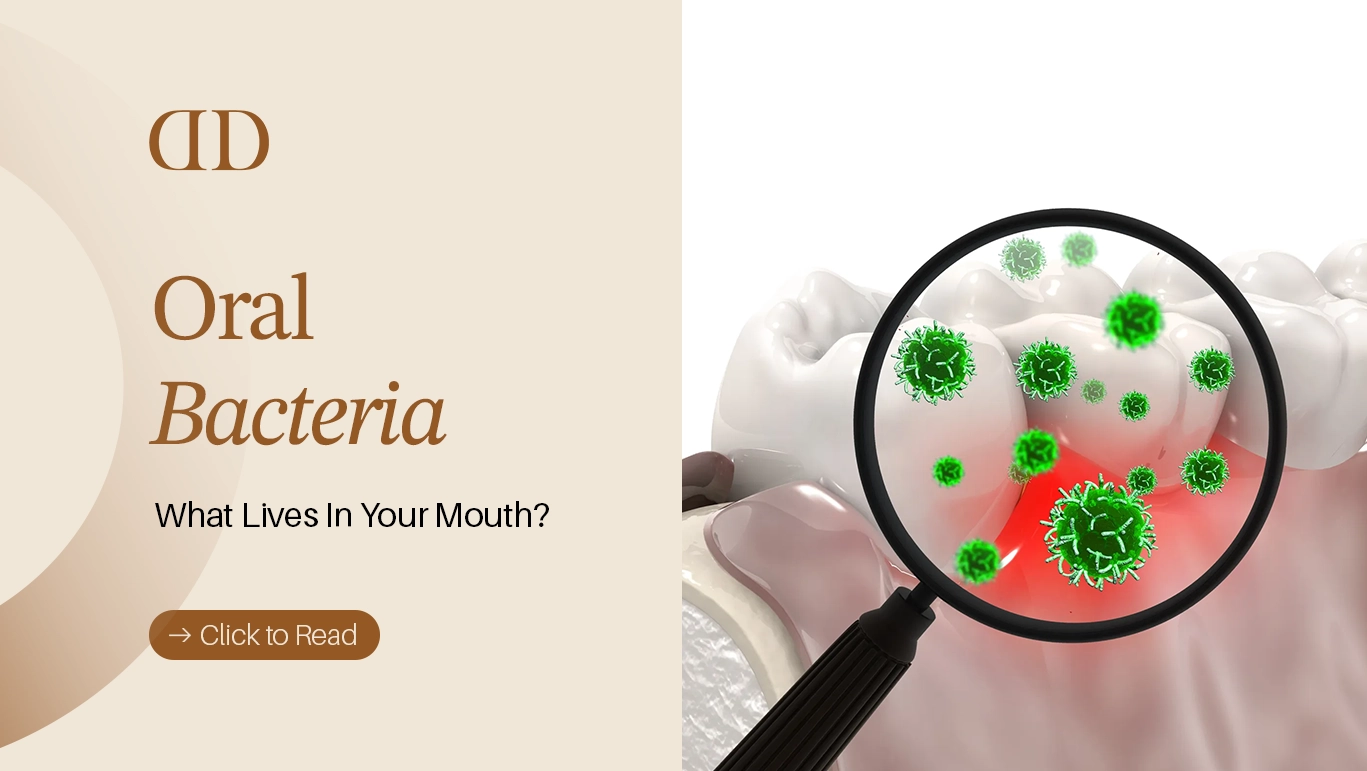

If a drop of saliva could talk, it would probably introduce you to a crowd. The human mouth can host hundreds of oral bacteria species, from helpful house‑guests to trouble‑makers that prefer the dark corners between teeth. Understanding what lives in your mouth, how these microscopic communities behave, and how they might influence your whole body has become a serious area of research and a surprisingly fascinating story.
Darya Dental Clinic in Turkey regularly sees how shifts in the balance of bacteria in oral cavity can show up as bad breath, bleeding gums, or even stubborn sensitivity. At the same time, studies suggest that what happens in the mouth may echo through the gut, heart, and beyond.
What Causes Oral Bacteria To Thrive Or Misbehave?
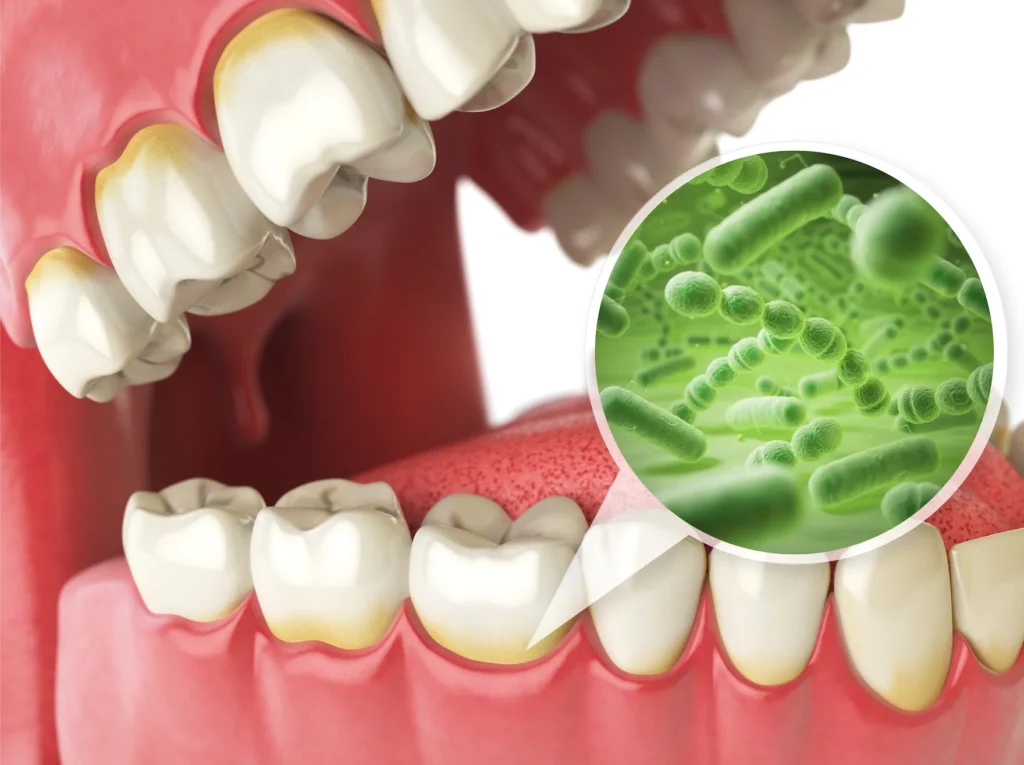
From the moment a baby’s first tooth appears, oral bacteria begin to colonize the new surface. This is neither good nor bad on its own. In fact, a stable, balanced oral ecosystem is normal. Bacteria arrive from caregivers, food, water, and the environment, then compete for space and nutrients. Over time, a relatively consistent community forms what researchers sometimes call the “oral microbiome.”
Most of these oral bacteria types use simple sugars and proteins in saliva and food debris as fuel. They attach to enamel, tongue, and cheeks, building microscopic cities called “biofilms.” Dental plaque is essentially a visible biofilm: a sticky, structured network where different species cooperate, protect each other, and share resources. When conditions are stable, these biofilms can remain in a kind of ecological balance.
Trouble usually starts when that balance is pushed in one direction. Frequent snacking on sugary foods, reduced saliva flow, smoking, or inconsistent cleaning can change the oral environment. More acid‑tolerant species gradually dominate, especially near the gum line and between teeth. Over time, this shift can support more oral anaerobic bacteria, which prefer low‑oxygen pockets under plaque and in deep gum crevices. These species are often linked with stronger odors, inflamed gums, and more aggressive tissue damage.
Researchers describe this as a “dysbiosis”: not a single villain causing disease, but a community whose proportions have shifted. Instead of mostly good oral bacteria that coexist peacefully with the host, a larger share of the community may become opportunistic ready to take advantage of any small injury, immune weakness, or neglected area in the mouth.
Can You Get A Bacterial Infection From Oral Bacteria Exposure?
Questions about whether you can “catch” an oral bacterial infection from kissing, sharing utensils, or oral sex are very common. Scientifically, it appears that many oral bacteria species are indeed transmissible between people. For example, the bacteria associated with dental caries and periodontal disease have been detected in families, couples, and even roommates who share close contact.
However, acquiring a species does not necessarily mean developing an oral bacterial infection. Many factors shape whether a newly introduced microbe becomes a harmless passenger or an active problem. These include:
- Your existing microbiome
- Saliva quantity and composition
- Immune system status
- Dietary habits and hygiene patterns
- Hormonal changes and medications
In other words, two people may host similar oral infection bacteria species, but only one develops severe gum inflammation or recurrent infections. The presence of a specific bacterium is just one piece of the puzzle; the ecological context and the host response often matter just as much.
```html
```
Premium Dental Care in Turkey
Expert treatments with high-end technology. Get your personalized quote today via WhatsApp.
There is ongoing interest in how bacteria oral communities transfer between intimate partners. Some studies suggest that kissing can temporarily shift the microbial profile in saliva, but these shifts do not always persist. Similarly, oral‑genital contact can expose mouth tissues to different bacterial populations. While there is still a lot to learn, many clinicians tend to think of it in ecological terms: exposure increases the chance that a species will appear, but whether it becomes a true oral bacterial infection seems to depend on broader systemic and lifestyle factors.
For readers curious about this area, reviews in journals like Nature Reviews Microbiology and Journal of Oral Microbiology provide detailed discussions about microbial transmission and colonization patterns:
```html  ```
```
Want trusted dental advice in your Google AI answers?
Add Darya Dental Turkey as a Preferred Source on Google to make our dental guides easier to find in your search results and AI Overviews.
The Two Most Common Harmful Bacteria In The Oral Cavity
When dentists talk about harmful oral bacteria, two names usually appear early in the conversation. These are not the only “bad actors,” but they are among the most common bacteria in oral cavity discussions about decay and gum disease.
Streptococcus Mutans: The Cavity Specialist
One of the best‑studied oral bacteria types related to tooth decay is streptococcus mutans. This species is adept at turning dietary sugars into acid and sticky polymers. The acid can gradually dissolve enamel minerals, while the sticky matrix helps the bacteria cling tightly to the tooth surface.
In families, s. mutans often appears to pass from caregivers to children through shared utensils or close contact. However, whether a child later struggles with cavities can depend on how often sugars bathe the teeth, how quickly plaque is disrupted by brushing, and how well saliva can neutralize acids.
Porphyromonas Gingivalis: The Gum Disease Strategist
For gum disease, porphyromonas gingivalis is often highlighted. This species belongs to the group of oral anaerobic bacteria and prefers low‑oxygen environments deep in gum pockets. Researchers believe this bacterium may influence surrounding microbes and immune responses in ways that favor inflammation.
Some scientists describe p. gingivalis as a “keystone pathogen,” meaning it may have a larger impact than its actual numbers suggest. In advanced gum disease, it is commonly found together with other anaerobic species, forming complex microbial communities.
It is important to remember that these bacteria do not act alone. Many bacteria in oral cavity biofilms participate in the shift from health to disease. Modern research increasingly focuses on overall microbial patterns instead of blaming a single pathogen.
Depending on your oral health needs, you can explore all dental treatments to review the professional care options available at the clinic.
How To Get Rid Of Oral Bacteria Or Should You?
It might sound logical to eliminate all oral bacteria, but the mouth without microbes would not necessarily be healthier. Many good oral bacteria help stabilize the oral environment, compete with harmful species, and interact with the immune system in beneficial ways.
Because of this, modern dentistry increasingly focuses on balance rather than sterilization. Instead of trying to destroy every microorganism, researchers are exploring how to encourage healthier microbial communities while limiting aggressive species.
Some people explore antimicrobial mouth rinses, mechanical plaque removal, specialized toothbrushes, or probiotic concepts. Each method appears to influence the bacteria in oral cavity composition differently. However, scientists are still studying the long‑term effects of these approaches on the oral microbiome.
Managing Bacteria Instead Of Eliminating Them
In clinics such as Darya Dental Clinic, bacterial management often involves personalized evaluation. Two people with similar plaque levels may react very differently depending on their oral bacteria types, saliva chemistry, and immune responses.
Current research areas include:
- Biofilm disruption techniques
- Saliva support and hydration
- Targeting oral anaerobic bacteria
- Encouraging good oral bacteria
- Understanding microbiome resilience
Rather than viewing oral bacterial infection treatment as simply “killing germs,” many experts now see it as an attempt to guide the oral ecosystem toward stability.
How Does Oral Bacteria Affect The Body?
Over the last two decades, researchers have detected traces of oral bacteria in surprising places throughout the body. This has raised questions about whether chronic oral inflammation might influence broader health patterns.
During brushing, chewing, or flossing, especially when gums are inflamed, small amounts of oral infection bacteria may enter the bloodstream. In most healthy individuals, the immune system clears them quickly. However, some scientists are studying whether repeated exposure could contribute to low‑grade inflammation elsewhere in the body.
Areas commonly explored in scientific literature include:
- Cardiovascular health
- Diabetes and metabolic conditions
- Respiratory health
- Joint inflammation
Some studies have identified bacteria oral signatures inside arterial plaques and inflamed tissues. However, researchers remain cautious because association does not automatically prove causation.
Scientific organizations continue to investigate these possible links:
Can Oral Bacteria Affect The Microbiome Of The Gut?
The connection between oral bacteria and the gut microbiome is one of the most discussed topics in microbiology today. Every day, saliva carries countless microbes from the mouth into the digestive tract.
For years, scientists assumed stomach acid destroyed most of these organisms. Recent research suggests some bacteria in oral cavity species may survive longer than previously expected, especially under certain health conditions.
This has led researchers to ask several important questions:
- Can persistent oral bacterial infection alter gut microbial balance?
- Do oral anaerobic bacteria influence digestive inflammation?
- Could oral microbes contribute to changes in metabolism?
Although evidence is still developing, scientists increasingly view the mouth as the beginning of the digestive microbiome rather than an isolated environment.
Oral Bacterial Infection Treatment And Oral Bacteria Testing
Modern diagnostic technology has expanded interest in oral bacteria testing. Instead of evaluating only visible symptoms, some clinicians now examine microbial patterns directly through saliva or plaque analysis.
How Oral Bacteria Testing Works
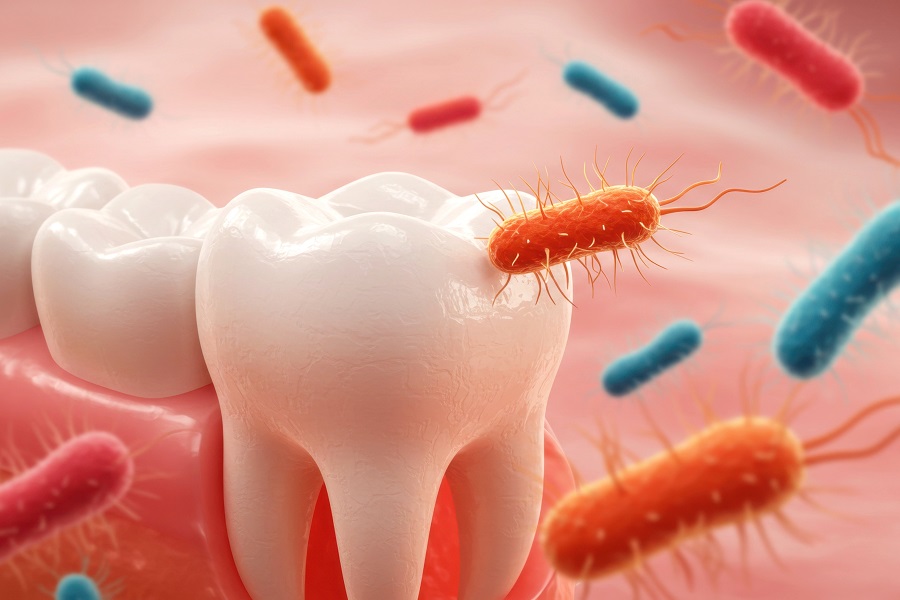
A typical oral bacteria test may analyze saliva, plaque, or gum pocket samples using DNA‑based methods. These tests can identify:
| Testing Focus | Possible Insight |
| Most common bacteria in oral cavity | General microbial balance |
| Oral anaerobic bacteria | Potential gum disease patterns |
| Acid‑producing species | Higher cavity risk |
| Inflammatory bacterial clusters | Tissue irritation indicators |
A saliva test for oral bacteria offers a broader overview of microbial diversity. However, researchers continue to debate how predictive these tests are for future disease development.
Can Testing Improve Oral Bacterial Infection Treatment?
In theory, identifying dominant bacterial species could help personalize oral bacterial infection treatment. For example, one patient may show higher acid‑producing bacteria linked to cavities, while another may have more inflammation‑associated anaerobes.
Possible benefits of oral bacteria testing include:
- More personalized hygiene strategies
- Better understanding of microbial patterns
- Monitoring bacterial shifts over time
- Supporting preventive dental planning
Still, experts generally recommend viewing these tests as part of a larger clinical assessment rather than standalone answers.
Managing Bacteria: A Balanced Conclusion
Exploring the world of oral bacteria reveals a surprisingly sophisticated ecosystem. The mouth is home to microbial communities that constantly compete, cooperate, and adapt to changes in diet, hygiene, saliva, and health conditions.
Modern research increasingly suggests that oral health is not simply about eliminating microbes. Instead, it is about maintaining a balanced environment where good oral bacteria can coexist without allowing more aggressive species to dominate.
As science continues to uncover links between bacteria in oral cavity communities and broader health systems, interest in microbiome‑focused dentistry is likely to grow. From oral bacteria test technologies to personalized oral bacterial infection treatment strategies, the field is evolving rapidly.
Darya Dental Clinic continues to follow these scientific developments closely, helping patients better understand the complex microbial world that exists inside every mouth.
