
How to Stop Gum Recession? What Causes Gum Recession?
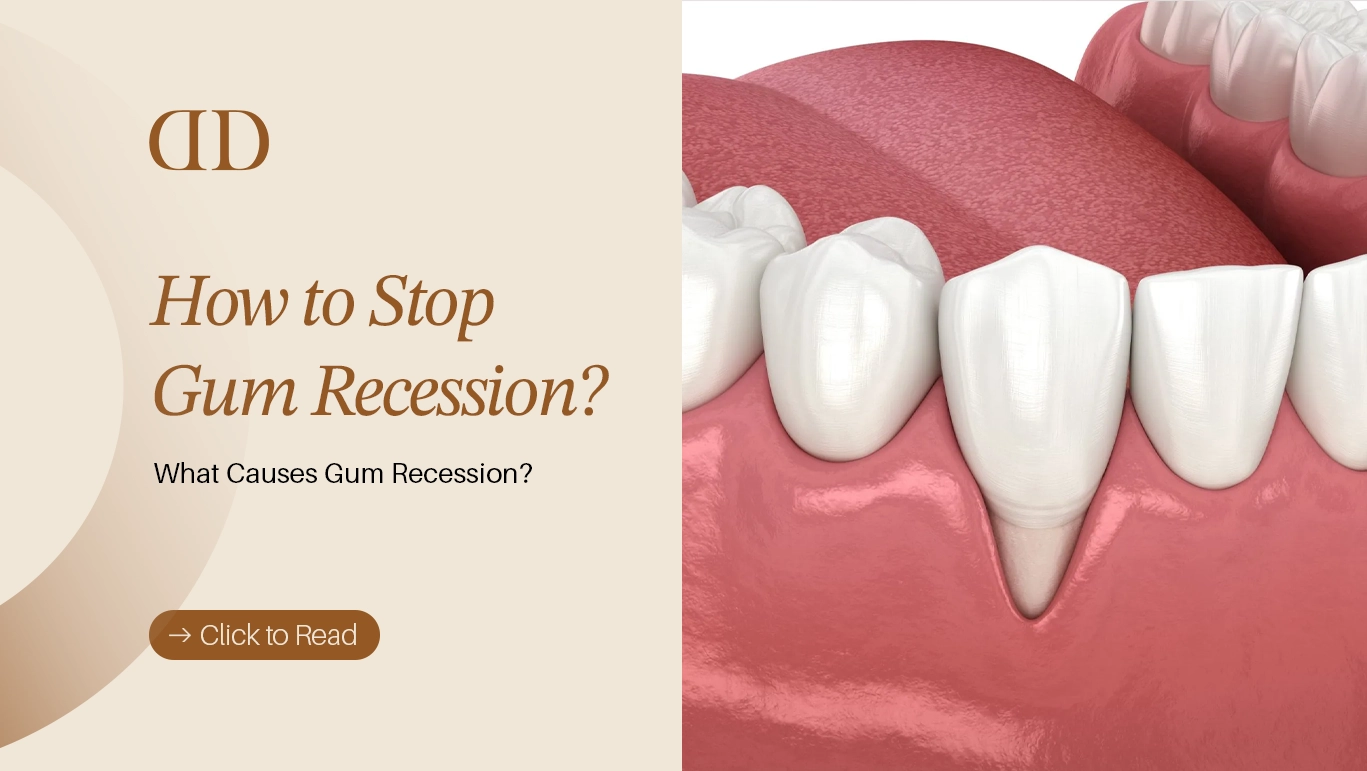

Your smile is often the first thing people notice, but behind the aesthetics of pearly white teeth lies the foundation of your oral health: the gingiva. When this protective tissue begins to pull away, it leads to a condition known as gum recession. It is a common yet frequently overlooked dental issue because it often develops so gradually that many patients don’t realize there is a problem until sensitivity or visible gaps occur. At Darya Dental Clinic, we see firsthand how gum recession can impact both the structural integrity of the teeth and a patient’s self-confidence. Understanding the mechanics of this condition is the first step in protecting your long-term dental health.
What is Gum Recession?
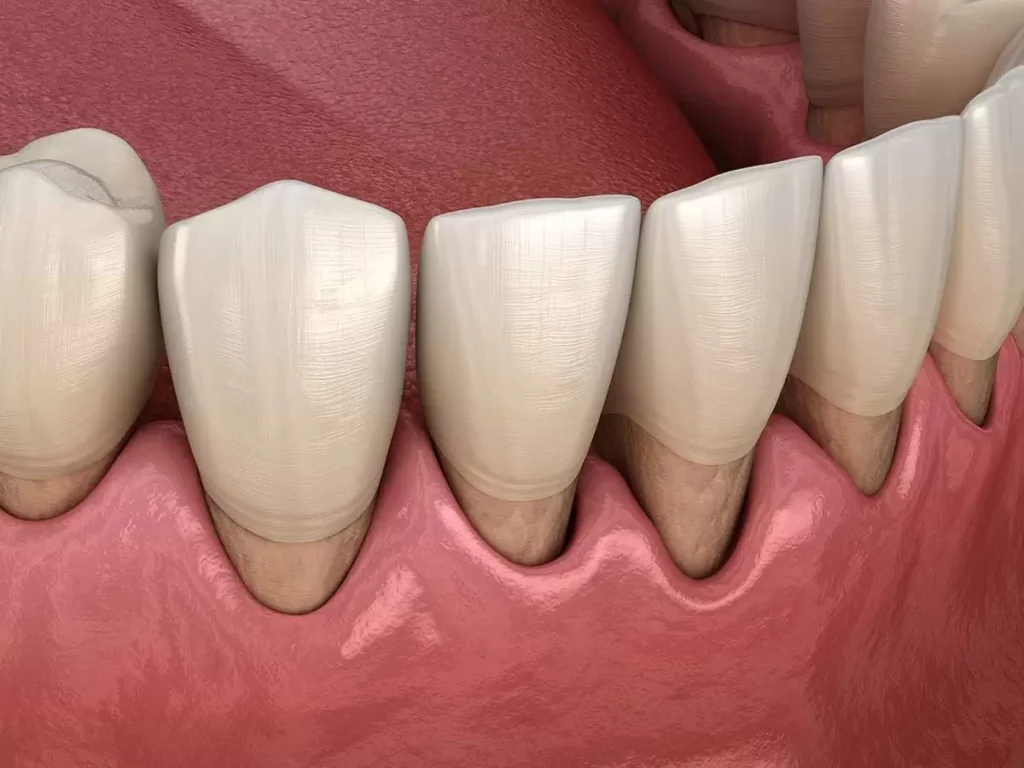
Technically referred to as gingival recession, gum recession is the process in which the margin of the gum tissue that surrounds the teeth wears away or pulls back, exposing more of the tooth or even the tooth’s root. When gum recession occurs, “pockets” or gaps form between the teeth and gum line, making it easy for disease-causing bacteria to build up. If left untreated, the supporting tissue and bone structures of the teeth can be severely damaged, ultimately resulting in tooth loss.
Many patients describe signs of gum recession as their teeth appearing “longer” than they used to be. Usually, the first sign of gum recession is tooth sensitivity, or you may notice a notch near the gum line. Because it is a slow process, early gum recession is often missed during routine brushing, highlighting the importance of regular professional examinations at clinics like Darya Dental Clinic.
What Causes Gum Recession?
There is rarely a single culprit when it comes to the reasons for gum recession. Instead, it is usually a combination of lifestyle habits, physical trauma, and biological predispositions. Identifying the specific gum recession causes is essential for determining the most effective course of treatment.
Periodontal Diseases
The primary cause of gum recession is periodontal disease. These are bacterial gum infections that destroy gum tissue and the supporting bone that holds your teeth in place. Even mild gum recession can be an early indicator of gingivitis progressing into periodontitis.
Aggressive Tooth Brushing
It might seem counterintuitive, but brushing your teeth too hard or the wrong way can actually cause your gums to recede. Using a hard-bristled toothbrush or applying excessive pressure wears away the enamel on the margins of the teeth and irritates the delicate gingival tissue.
Genetic Predisposition
Some people may be more susceptible to gum recession due to their genetics. Studies suggest that a significant percentage of the population is predisposed to gum disease, regardless of how well they care for their teeth. According to the American Academy of Periodontology, genetics play a major role in how our bodies respond to the bacteria that cause gum issues.
Inadequate Dental Care
Inadequate brushing, flossing, and rinsing with antibacterial mouthwash makes it easy for plaque to turn into calculus (tartar) a hard substance that builds up on and between your teeth and can only be removed by a professional dental cleaning. Tartar is a major driver of bad gum recession.
Hormonal Changes
Fluctuations in female hormone levels during puberty, pregnancy, and menopause can make gums more sensitive and more vulnerable to gum recession.
```html
```
Premium Dental Care in Turkey
Expert treatments with high-end technology. Get your personalized quote today via WhatsApp.
Tobacco Use
Smokers and tobacco users are more likely to have sticky plaque on their teeth that is difficult to remove and can cause gum recession. Tobacco also restricts blood flow to the gum tissues, impairing the body’s ability to fight off infections.
Primary Causes of Gingival Recession
| Cause | Impact Level | Prevention/Action |
| Periodontal Disease | High | Professional deep cleaning (scaling) |
| Aggressive Brushing | Medium | Use soft bristles and circular motions |
| Poor Hygiene | High | Consistent flossing and twice-daily brushing |
| Grinding (Bruxism) | Medium | Night guards and stress management |
| Tobacco Use | High | Smoking cessation programs |
How to Stop Gum Recession?
If you want to know how to stop gum recession, the answer lies in stabilization. While you cannot always “grow back” tissue that has vanished, you can halt the progression immediately.
```html  ```
```
Want trusted dental advice in your Google AI answers?
Add Darya Dental Turkey as a Preferred Source on Google to make our dental guides easier to find in your search results and AI Overviews.
The first step in stopping gum recession is a professional assessment to identify the underlying trigger. If the cause is aggressive brushing, switching to an electric toothbrush with a pressure sensor is a game-changer. If the cause is plaque buildup, a professional cleaning is mandatory. For those suffering from minor gum recession due to teeth grinding, wearing a custom-fitted mouthguard at night can prevent the mechanical forces from further pushing the gums away from the teeth.
When the gum line appears uneven or requires aesthetic adjustment, gum contouring treatment may be considered after evaluating the condition and health of the surrounding gum tissue.
How to Fix Gum Recession?
When the condition has progressed beyond what simple lifestyle changes can manage, you need to look at how to fix gum recession through clinical intervention. Depending on the severity, there are several medical approaches:
- Scaling and Root Planing: For mild gum recession, your dentist may treat the area with a deep cleaning. During this procedure, plaque and tartar that have built up on the teeth and root surfaces below the gum line are carefully removed, and the exposed root area is smoothed to make it more difficult for bacteria to attach itself.
- Pinhole Surgical Technique (PST): This is a minimally invasive gum recession treatment where a small hole is made in the gum tissue. Using specialized instruments, the tissue is loosened and guided over the exposed root.
- Gum Recession Surgery: In cases of bad gum recession, a gum graft may be necessary. This involves taking a small piece of tissue from elsewhere (usually the roof of the mouth) and attaching it to the site where the gum has receded.
Do Cavities Cause Gum Recession?
A common question we receive at Darya Dental Clinic is whether cavities are responsible for the gums pulling back. While cavities do not directly cause gum recession, they share a symbiotic, destructive relationship.
When gum recession occurs, the root of the tooth is exposed. Roots are covered in cementum, which is much softer and more porous than the enamel covering the crown of the tooth. This makes the root highly susceptible to decay. Once a cavity forms on the root, it can irritate the surrounding gum tissue, causing further inflammation and leading to even more gum recession. Therefore, while a cavity isn’t usually the initial cause, it can certainly accelerate the “recession cycle.”
How to Prevent Gum Recession?
Prevention is always more effective (and less expensive) than gum recession surgery. To keep your gums healthy, consider the following regimen:
- Proper Brushing Technique: Use a soft-bristled brush and hold it at a 45-degree angle toward the gum line. Use short, gentle strokes.
- Daily Flossing: Flossing removes plaque from areas your toothbrush cannot reach, preventing the reasons for gum recession related to bacterial buildup.
- Regular Dental Visits: Professional cleanings every six months allow for the detection of early gum recession before it becomes a structural problem.
- Nutritional Support: A diet rich in Vitamin C and Calcium supports the health of the soft tissues and the bone density of the jaw.
- Monitor Your Mouth: Periodically check for signs of gum recession, such as sensitivity to hot or cold or a visible change in the height of your gum line.
How to Treat Gum Recession?
The approach to how to treat gum recession depends entirely on the “Recession Classification.” Dentists typically use the Miller Classification system to determine the extent of tissue and bone loss.
For minor gum recession, treatment might involve “bonding,” where a tooth-colored resin is applied over the exposed root to protect it and reduce sensitivity. For more advanced cases, a periodontist might recommend gum recession treatment that involves regenerative materials. These are membranes or tissue-stimulating proteins that encourage your body to naturally regenerate bone and tissue in the affected area.
Can You Reverse Gum Recession?
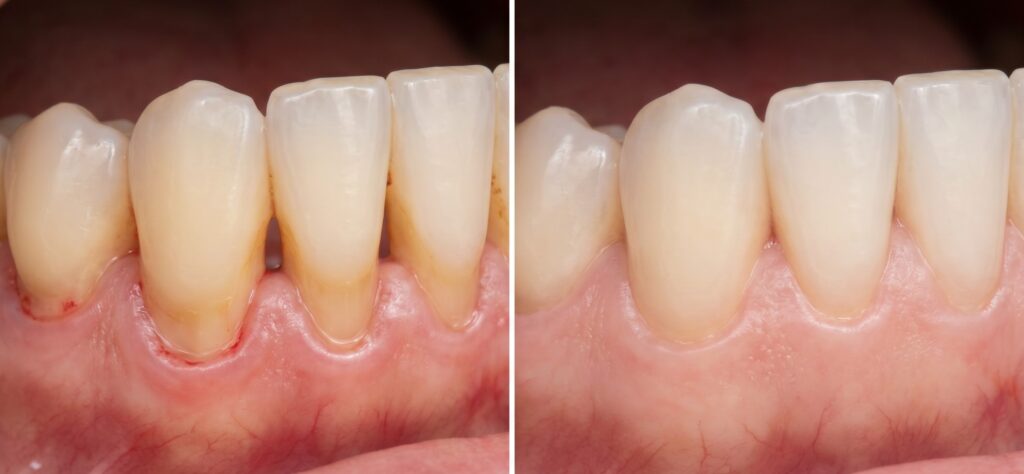
The honest answer from a clinical perspective is that gum recession reversal is not possible in the sense that the tissue will not grow back on its own. Unlike skin, which can heal and bridge a gap, gingival tissue does not spontaneously regenerate once it has been lost.
However, you can achieve gum recession reversal through surgical means. Procedures like connective-tissue grafts can restore the gum line to its original position. Furthermore, from a functional standpoint, “reversing” the condition often refers to stopping the active infection and re-attaching the tissue to the tooth surface through deep cleaning and laser therapy.
How to Reverse Gum Recession at Home?
Many people search for how to reverse gum recession at home hoping for a DIY miracle. It is vital to be realistic here: no amount of oil pulling, herbal pastes, or vitamins will make receded gums grow back.
However, “home reversal” should be viewed as “home stabilization.” By using high-quality antimicrobial mouthwashes, maintaining impeccable hygiene, and using products containing xylitol to reduce bacterial load, you can stop early gum recession from turning into a disaster. The goal of home care is to create an environment where the gums are no longer inflamed, allowing them to fit as snugly as possible against the teeth.
Expert Insight: While home remedies like aloe vera gel or green tea can reduce inflammation, they are supplements to not replacements for professional gum recession treatment.
Understanding gum recession is the first step toward preserving your smile. Whether you are dealing with minor gum recession or are concerned about more significant tissue loss, the key is early intervention. By addressing the gum recession causes from aggressive brushing to periodontal disease you can protect the longevity of your teeth.
While the idea of gum recession surgery can be daunting, modern dentistry offers minimally invasive options that can restore your health and confidence. If you’ve noticed signs of gum recession, don’t wait for the symptoms to worsen. At Darya Dental Clinic, we specialize in comprehensive periodontal care designed to stop the clock on gum loss. Your gums are the frame for your smile; make sure they are strong enough to last a lifetime.
Frequently Asked Questions About Gum Recession
Is gum recession permanent?
Without surgical intervention, the loss of gum tissue is permanent. However, the progression of the condition is not. With the right care, you can maintain your current gum level for a lifetime.
Does Gum Recession Always Hurt?
Not necessarily. Many people have mild gum recession without any pain. The most common symptom is sensitivity to temperature, though some patients only notice the aesthetic change.
Can I Get Invisalign if I Have Gum Recession?
Yes, but your gum recession must be stabilized first. Moving teeth through bone when active gum disease is present can actually worsen the recession.
How Much Does Gum Recession Surgery Cost?
Costs vary significantly based on the technique used and the number of teeth involved. According to Healthline, surgical costs can range from a few hundred to several thousand dollars. Many patients choose Darya Dental Turkey for high-quality, affordable periodontal care.
Can Vitamin Deficiencies Cause My Gums to recede?
Yes, specifically a severe deficiency in Vitamin C (scurvy) can lead to gum bleeding and recession. Maintaining a balanced diet is crucial for periodontal health.
