
Dental Bridges: Types & Who Needs Them
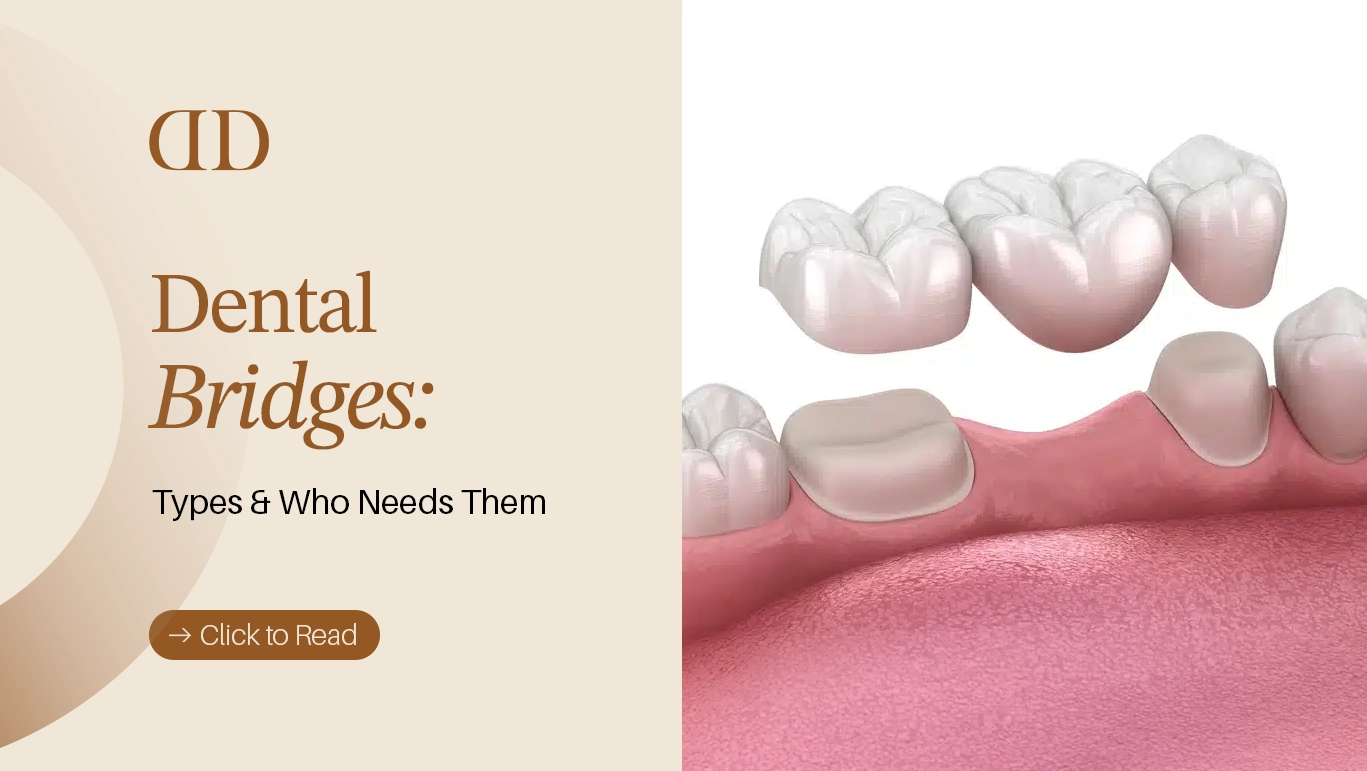

In modern restorative dentistry, dental bridges have become one of the most discussed solutions for replacing missing teeth, balancing both function and aesthetics in a way that feels surprisingly natural. At Darya Dental Clinic, this topic often comes up in consultations where patients are trying to understand not just what dental bridges are, but how they fit into the broader picture of oral rehabilitation and long-term dental planning.
The interest in dental bridges usually starts with a simple question: “What happens after a tooth is lost?” But the answers are layered, involving biomechanics, material science, and even facial harmony.
What is a Dental Bridge
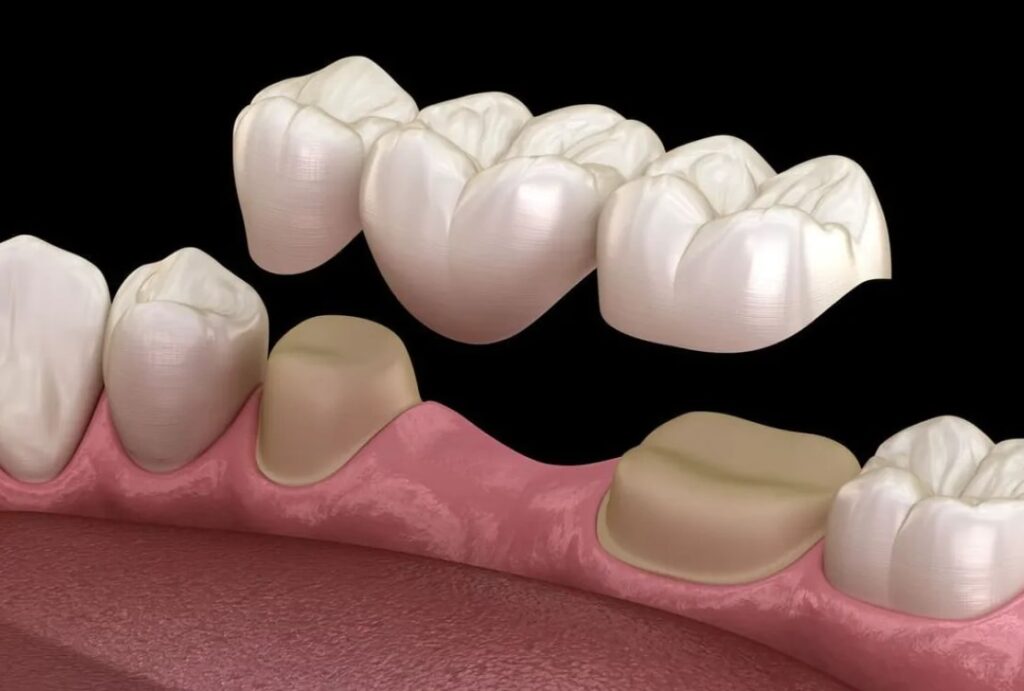
Dental Bridges are fixed dental restorations designed to replace one or more missing teeth by anchoring an artificial tooth (or teeth) to adjacent natural teeth or implants. In simple terms, they “bridge the gap” created by missing teeth, restoring both chewing function and visual continuity.
The concept of dental bridges is based on distributing bite forces evenly across supporting structures. Unlike removable prosthetics, they are typically cemented in place, which gives them a stable and integrated feel. Clinically, they are often discussed alongside dental crowns and bridges, since crowns are usually used to support the structure on either side of the gap.
From a functional perspective, Dental Bridges do more than fill empty space. They help maintain bite alignment, prevent neighboring teeth from shifting, and support facial structure over time. In many restorative plans, they are considered a midpoint solution between partial tooth loss and full implant rehabilitation.
There are also variations like dental bridge front teeth applications, where aesthetics become just as important as function. In these cases, materials and shading are carefully selected to mimic natural enamel translucency.
According to the American Dental Association, fixed bridges remain a widely used restorative option in cases where implant surgery may not be immediately preferred. ADA Dental Bridge Overview
How Much Does a Dental Bridge Cost
The question of dental bridges pricing is rarely straightforward, because cost is influenced by multiple variables such as material type, number of missing teeth, and whether additional procedures like crowns or implants are required. This is why the term dental bridge cost often appears in research alongside comparisons like dental bridge vs implant cost.
In general discussions, Dental Bridges are considered more cost-efficient than full implant systems, but this depends heavily on case complexity. For example, a single-unit bridge supporting a front tooth may differ significantly in price from a multi-unit posterior restoration.
```html
```
Premium Dental Care in Turkey
Expert treatments with high-end technology. Get your personalized quote today via WhatsApp.
At clinics like Darya Dental Clinic, cost evaluation is usually personalized, because each oral structure presents different biomechanical needs. Factors such as bone density, adjacent tooth health, and material choice (for example zirconia dental bridges) directly influence final planning.
A simplified comparison table often used in consultations:
```html  ```
```
Want trusted dental advice in your Google AI answers?
Add Darya Dental Turkey as a Preferred Source on Google to make our dental guides easier to find in your search results and AI Overviews.
| Type of Restoration | Relative Cost Level | Typical Consideration |
| Traditional bridge | Medium | Requires support from adjacent teeth |
| Maryland bridge dental | Lower–Medium | Conservative preparation |
| Implant-supported bridge | Higher | Surgical component included |
| Zirconia dental bridges | Medium–High | Aesthetic + durability focus |
Beyond material differences, geographic factors and clinical expertise also shape what is sometimes referred to as dental cost bridge in online searches.
Many patients compare Dental Bridges with implants during this stage. While implants are independent structures anchored in bone, bridges rely on adjacent teeth for support, which changes both cost structure and long-term maintenance expectations.
In addition, dental literature suggests that long-term cost evaluation should include maintenance cycles and potential replacements, not just initial treatment fees. This is especially relevant when analyzing price of dental bridge work over a multi-year horizon.
Types Of Dental Bridges
When people first hear about Dental Bridges, they usually imagine a single standard structure, but in reality there are several clinically recognized variations. Each type is designed for a different anatomical situation, bite force requirement, and aesthetic expectation.
The most commonly discussed category is the traditional fixed bridge, where crowns are placed on adjacent teeth to support the missing tooth replacement. This is often the default approach when the surrounding teeth are strong enough to carry the load.
Another widely known variation is the maryland bridge dental option, which uses a metal or ceramic “wing” bonded to the back of adjacent teeth. This version is typically more conservative because it requires less preparation of healthy enamel, although its long-term stability depends heavily on bite pressure and positioning.
A third major category includes implant-supported bridges, which are frequently mentioned alongside dental implants and bridges comparisons. In this system, the bridge is anchored to implants instead of natural teeth, which changes both biomechanics and maintenance expectations significantly.
Material choice also defines sub-types. For example, zirconia dental bridges are often selected for their combination of strength and aesthetic translucency. These are especially relevant in visible areas like the smile zone, where appearance matters as much as function.
In clinical discussions, all these variations fall under the umbrella of Dental Bridges, but each represents a different balance between preservation, durability, and cosmetic outcome.
Traditional Fixed Dental Bridge
Traditional fixed bridges are the most commonly used form of Dental Bridges. They rely on adjacent teeth that are prepared and crowned to support the artificial tooth in between.
This type is often chosen when neighboring teeth already require restoration or are strong enough to act as stable anchors. It provides a predictable structure for chewing function and alignment.
Maryland Bridge Dental
The maryland bridge dental approach is more conservative compared to traditional options. Instead of full crowns, it uses bonded wings attached to the back of adjacent teeth.
This design reduces the need for extensive enamel reduction, making it attractive in cases where preservation of natural tooth structure is prioritized. However, its success can be more sensitive to bite force and placement.
Implant Supported Dental Bridges
Implant-supported Dental Bridges are used when multiple teeth are missing and stronger long-term stability is required. Instead of relying on natural teeth, they are anchored directly into the jawbone.
This approach changes the entire load distribution system of the mouth, allowing for independent support without affecting neighboring teeth. It is often considered in more complex restorative planning.
Zirconia Dental Bridges
Zirconia dental bridges are known for their high strength and aesthetic compatibility. They are commonly used in areas where both durability and appearance are important.
Their material properties allow them to mimic natural tooth translucency while maintaining resistance to fracture under chewing forces. This makes them especially suitable for visible regions of the smile.
How Much Will A Dental Bridge Cost
The cost of Dental Bridges is not a fixed number but rather a spectrum influenced by multiple clinical and material factors. When patients search for how much a dental bridge cost, they are usually trying to understand this variability rather than a single price point.
One major factor is the number of missing teeth. A single-tooth bridge naturally differs from a multi-unit restoration in both complexity and material consumption. Another factor is the supporting structure, especially when comparing traditional bridges with implant-supported versions.
Material selection also plays a significant role. For instance, ceramic or zirconia-based restorations often sit at a higher cost range compared to metal-based alternatives. This is where terms like dental cost bridge and price of dental bridge work become relevant in patient research.
At Darya Dental Clinic, pricing discussions are typically structured around personalization rather than fixed packages, because every dental bridges case involves different anatomical and functional requirements.
Interestingly, cost perception is also shaped by long-term expectations. While some patients initially compare Dental Bridges with implants purely on upfront cost, broader evaluations often include durability, maintenance frequency, and potential future replacement cycles.
Is A Dental Bridge Permanent
A common question around dental bridges is whether they should be considered permanent or temporary solutions. In clinical terminology, bridges are usually categorized as long-term fixed restorations, but “permanent” does not necessarily mean lifelong without change.
Once cemented, a bridge is not meant to be removed regularly, which is why it is often described as fixed. However, factors such as gum health, supporting tooth integrity, and bite changes over time can influence its lifespan.
This is where comparisons like are dental bridges permanent become important. The answer is usually nuanced: they are designed for long-term use, but not immune to replacement or adjustment over years.
In some cases, bridges may be replaced due to wear, decay in supporting teeth, or aesthetic updates. So while dental bridges provide a stable solution, they still belong to a category of restorations that may evolve with oral conditions.
Can A Dental Bridge Be Removed And Recemented
Another frequently discussed aspect of dental bridges is whether they can be removed and placed back. In most cases, bridges are not designed for routine removal, but certain clinical situations allow for controlled detachment and recementation.
If the underlying structure remains intact and the supporting teeth are healthy, a dentist may carefully remove the bridge for repair or evaluation. After necessary adjustments, it can sometimes be recemented, depending on fit and condition.
However, this process is not guaranteed for every case. The feasibility depends on how the bridge was originally cemented, the materials used, and the condition of the supporting teeth. This is why dental bridges are generally treated as fixed restorations rather than removable appliances.
In practice, discussions around are dental bridges removable often reflect misunderstandings between fixed bridges and removable partial dentures. While both replace missing teeth, their structural logic is completely different.
How Long Do Dental Bridges Last
The lifespan of dental bridges is influenced by a combination of material durability, oral hygiene, bite force distribution, and regular dental monitoring. There is no universal timeframe, but bridges are generally considered multi-year restorations rather than short-term fixes.
Material type plays a major role here. For instance, zirconia-based bridges are often associated with higher resistance to wear, while other materials may show different aging patterns over time.
Equally important is the condition of supporting teeth. Since bridges rely on adjacent structures, any change in those teeth directly affects overall stability. This interconnected nature is one of the defining characteristics of dental bridges compared to implants.
Lifestyle factors such as grinding habits or inconsistent oral hygiene can also influence longevity. That is why clinicians often emphasize maintenance rather than only initial placement when discussing long-term outcomes.
What Does A Dental Bridge Look Like
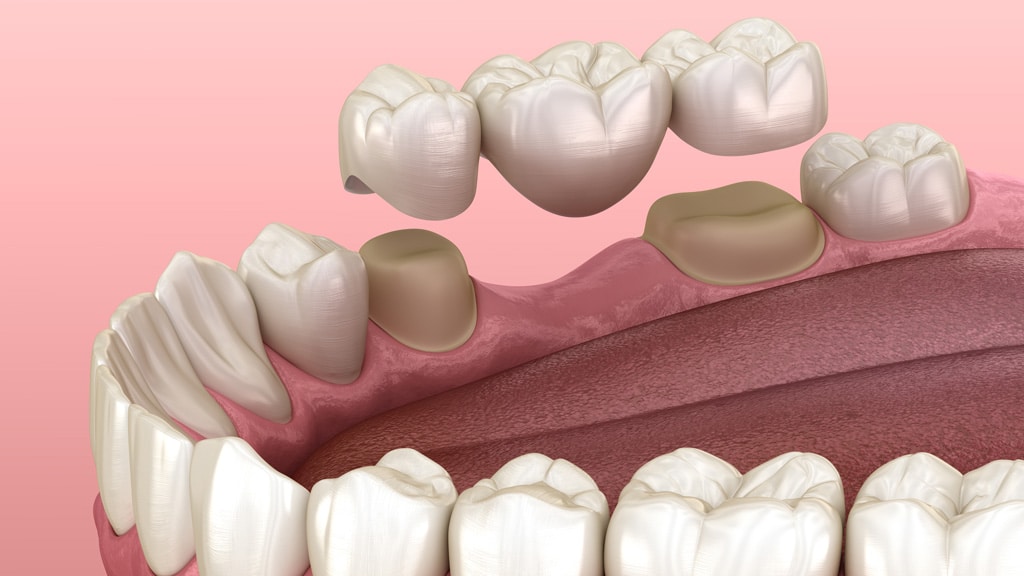
Visually, dental bridges are designed to replicate natural tooth anatomy as closely as possible. A typical bridge consists of two crowns placed on supporting teeth and a pontic (the artificial tooth) positioned in the gap.
From the outside, a well-designed bridge should blend seamlessly with surrounding teeth in terms of color, shape, and alignment. Modern materials allow for highly detailed customization, especially in anterior regions where aesthetics are critical.
In cases involving dental bridge front teeth, the design process often focuses on light reflection and translucency to mimic enamel. This is where material selection such as ceramic or zirconia becomes particularly important.
Patients often search for before and after bridge dental results to understand transformation potential. These comparisons usually highlight not just the missing tooth replacement, but also improvements in smile symmetry and facial balance.
How To Floss Dental Bridge
Maintaining hygiene around dental bridges requires slightly different techniques compared to natural teeth. Since the bridge is a connected structure, standard flossing alone is often not sufficient to clean underneath the pontic area.
Special tools such as floss threaders or interdental brushes are commonly used to access the space beneath the bridge. These tools help reduce plaque accumulation in areas that are not directly reachable with regular brushing.
Consistency is more important than complexity in this routine. Even simple daily cleaning habits can significantly influence how dental bridges perform over time, especially in terms of supporting gum health and surrounding tooth stability.
In clinical education, patients are often shown how proper cleaning techniques can extend the functional life of their restoration. This is particularly relevant for long-span bridges where multiple teeth are connected in a single structure.
Can A Dental Bridge Be Recemented And Repaired
When it comes to dental bridges, one of the most practical clinical discussions revolves around whether an existing structure can be reattached or repaired after removal. In some cases, if the supporting teeth and internal fit remain stable, a bridge may be carefully cleaned and recemented.
However, this is not a universal outcome. The decision depends on microscopic changes in fit, cement integrity, and the condition of the underlying tooth structure. Even small alterations can change how a bridge seats, which is why evaluation is always case-specific.
From a patient perspective, this flexibility can be reassuring, but it also highlights why dental bridges require ongoing monitoring rather than being treated as a “set and forget” solution.
How Dental Bridge Vs Implant Compare
The comparison between dental bridges and implants is one of the most researched topics in restorative dentistry. Both aim to replace missing teeth, but their structural philosophy is fundamentally different.
A bridge depends on neighboring teeth for support, while an implant is anchored directly into the jawbone. This difference affects everything from cost to long-term maintenance and even chewing force distribution.
Comparison Table: Dental Bridges Vs Implants
| Feature | Dental Bridges | Dental Implants |
| Support System | Adjacent teeth | Jawbone |
| Surgical Need | Usually no | Yes |
| Aesthetic Result | High (material dependent) | Very high |
| Maintenance | Moderate | Lower long-term maintenance |
| Cost Structure | Lower initial cost | Higher initial cost |
| Longevity | Medium to long-term | Long-term potential |
This comparison is often central in decisions involving dental bridge vs implant, especially when patients evaluate long-term oral health planning.
In many clinical cases, the decision is not about which is “better,” but which is more suitable for the current oral environment.
What Is The Dental Code For Bridge
In dental documentation systems, dental bridges are assigned standardized procedural codes used for insurance and clinical recordkeeping. These codes vary depending on the number of units, material, and type of restoration.
For example, a single-unit fixed bridge may have a different classification than a multi-unit or implant-supported bridge. These codes help ensure consistency in treatment reporting and billing structures.
Although patients often search for dental code for bridge, the actual coding system is primarily used behind the scenes in clinical administration rather than in day-to-day patient communication.
Still, understanding that dental bridges are formally categorized in standardized systems can help patients appreciate the clinical structure behind treatment planning.
Before And After Bridge Dental Transformations
Visual transformation is one of the most compelling aspects of dental bridges. The change is not only functional but also aesthetic, often restoring symmetry and proportion to the smile.
In many cases, patients notice improvements in facial balance after treatment, especially when missing front teeth are replaced. This is why before and after bridge dental comparisons are widely shared in educational materials.
Common Observed Changes
- Restoration of missing tooth space
- Improved smile alignment
- Enhanced chewing symmetry
- Better phonetic clarity in some cases
- More balanced facial appearance
These outcomes depend heavily on case design and material selection, especially in visible zones where dental bridge front teeth restorations require precision shading and contouring.
Dental Crowns And Bridges Relationship
Dental Bridges do not exist independently; they are structurally connected to crowns. In most fixed bridge designs, crowns act as anchors that hold the entire system in place.
This is why dental crowns and bridges are often discussed together in restorative planning. A crown alone restores a single tooth, while a bridge extends that restoration across a missing space.
The synergy between these two elements is what makes the system function as a unified structure rather than separate pieces.
Types Of Dental Bridges Overview Table
To make the classification clearer, here is a structured breakdown of the main types of dental bridges used in modern dentistry:
| Type | Description | Key Feature |
| Traditional Bridge | Supported by crowns on both sides | Strong and widely used |
| Maryland Bridge Dental | Bonded wings to adjacent teeth | Conservative preparation |
| Cantilever Bridge | Supported on one side only | Limited applications |
| Implant-Supported Bridge | Anchored to implants | High stability |
Each variation of Dental Bridges is designed to solve different anatomical and functional challenges, rather than acting as interchangeable solutions.
How To Floss Dental Bridge Properly
Cleaning around dental bridges requires more than standard brushing because the structure creates hidden contact zones underneath the pontic.
Recommended Cleaning Tools
- Floss threaders
- Interdental brushes
- Water flossers
- Soft manual toothbrush
Cleaning Steps
- Thread floss underneath the bridge area
- Gently move side-to-side without force
- Use interdental brushes for side gaps
- Rinse to remove loosened debris
Proper hygiene habits are essential because plaque accumulation under dental bridges can affect both gum health and supporting teeth over time.
FAQ About Dental Bridge
How Long Do Dental Bridges Last
The lifespan of Dental Bridges varies depending on material, oral hygiene, and bite forces, and they are generally considered long-term restorations rather than permanent lifetime solutions.
Are Dental Bridges Permanent
They are fixed in place and not removable for daily use, but they may eventually require replacement or adjustment over time depending on oral changes.
Are Dental Bridges Removable
In daily use, no. However, in controlled clinical settings, a dentist may remove them for evaluation or repair before recementing if conditions allow.
What Does A Dental Bridge Look Like
A typical bridge looks like a set of connected teeth, with artificial teeth replacing gaps and crowns anchoring the structure on both sides.
Can Dental Bridges Be Used For Front Teeth
Yes, especially in aesthetic zones, Dental Bridges are commonly designed for front teeth using materials that mimic natural enamel translucency.
Final Thoughts On Dental Bridges
Dental Bridges remain one of the most structured and widely used solutions in restorative dentistry, balancing function, aesthetics, and predictability in a single design concept. Their role is not to replace natural biology but to restore continuity where gaps exist.
At Darya Dental Clinic, treatment planning around dental bridges is typically approached as a personalized system rather than a standardized procedure, because every oral structure tells a different story.
Whether compared with implants, evaluated for cost, or analyzed for longevity, dental bridges continue to sit at the intersection of engineering and aesthetics in modern dental care.
