
What Is Tooth Remineralization? How to Remineralize Your Teeth
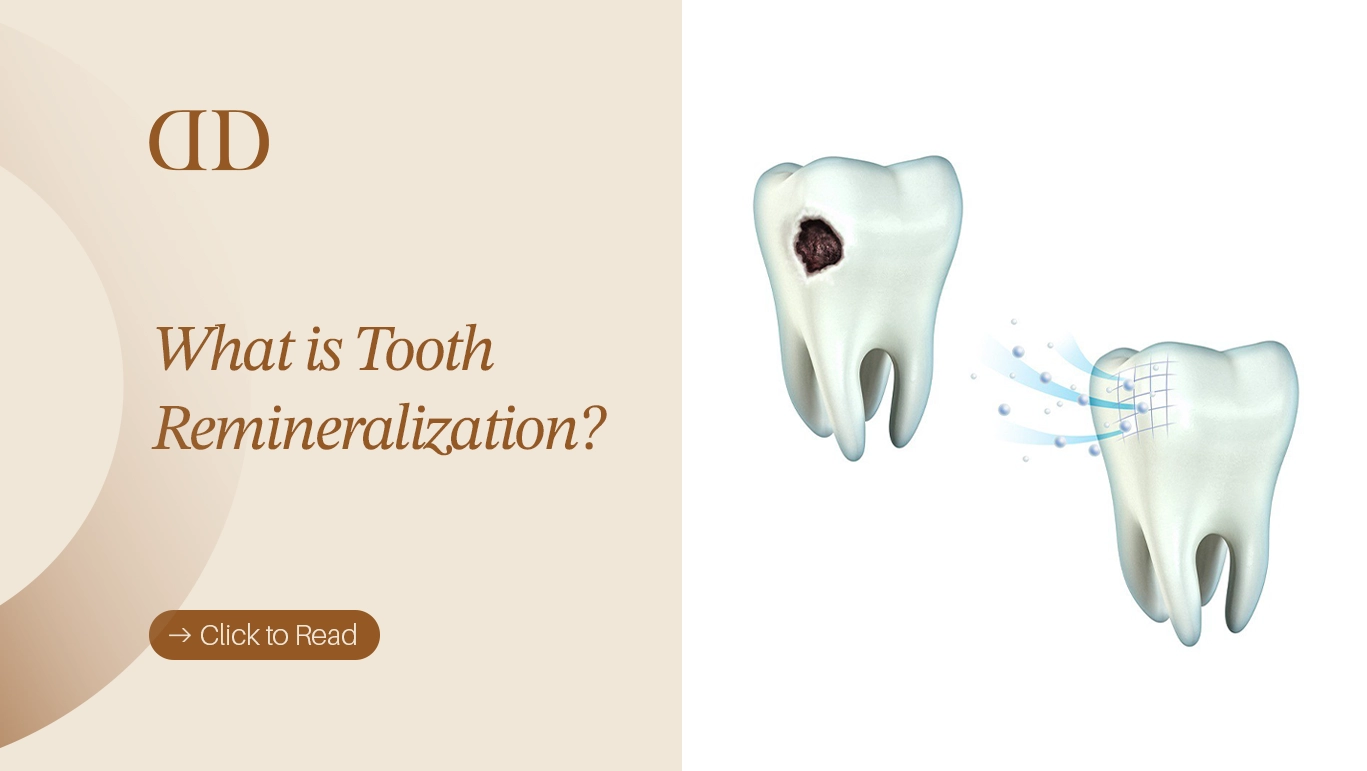

Tooth remineralization is one of the most discussed yet least clearly understood concepts in modern oral science. While many people associate it with toothpaste ads or trending dental products, the idea itself is deeply rooted in biological processes that occur naturally in the mouth. Understanding how remineralization works and how it differs from its opposite helps explain why some early enamel changes can stabilize while others progress.
At Darya Dental Clinic, tooth remineralization is approached as a biological balance rather than a quick fix. Instead of promising instant results, the topic is explored through science, structure, and long-term enamel behavior. When enamel damage has progressed beyond the stage where remineralization may be effective, you can explore all dental treatments to review the restorative options available for different dental conditions.
What Is Tooth Remineralization?
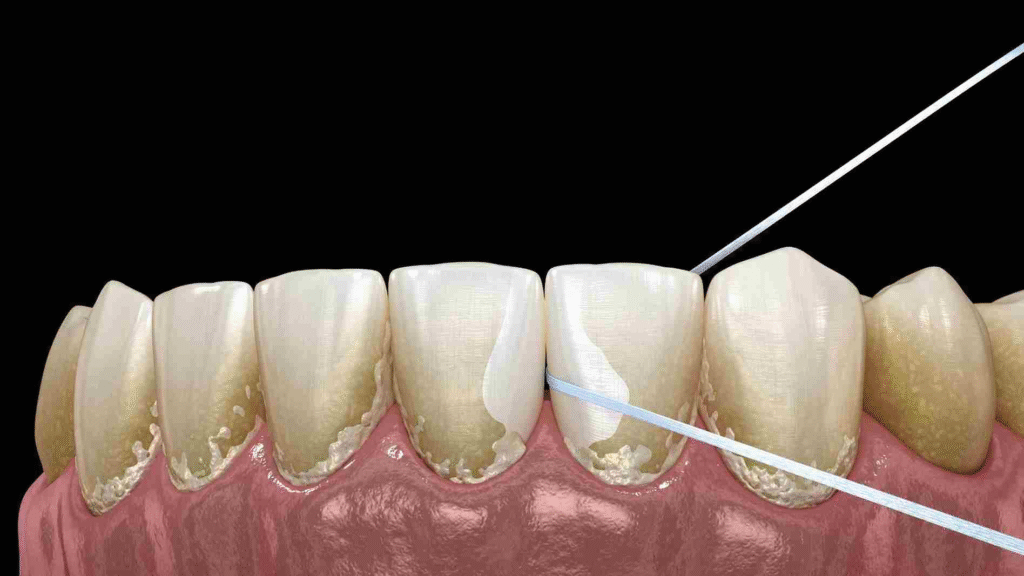
Tooth remineralization refers to the natural process by which minerals are redeposited into tooth enamel after being lost. Enamel, although incredibly strong, is not a living tissue. This means it cannot regenerate like bone or skin, but it can undergo surface-level repair through mineral exchange.
In simple terms, when acids temporarily weaken enamel, minerals such as calcium and phosphate may leave the tooth surface. When conditions shift back to neutral, those minerals can return. This dynamic process is known as tooth remineralization, and it happens continuously throughout the day.
What makes remineralization interesting is that it does not rely on a single product or action. Saliva, dietary minerals, oral pH, and time all play interconnected roles. This is why many scientific discussions focus less on “miracle solutions” and more on understanding the environment in which enamel exists.
What Is the Mineralization of Teeth?
The mineralization of teeth begins long before a tooth appears in the mouth. During tooth development, enamel is formed through a highly controlled biological process that deposits minerals into a crystalline structure. This original mineralization determines how dense and resistant enamel will be for life.
Once teeth erupt, however, mineralization becomes an ongoing surface phenomenon. At this stage, remineralization is not about building new enamel layers, but about reinforcing existing ones. Minerals move in and out of microscopic enamel pores depending on the oral environment.
This is where terms like tooth remineralization, remineralizing teeth, and teeth remineralization are often used interchangeably. Scientifically, they all describe variations of the same surface-level mineral exchange, rather than deep structural rebuilding.
Demineralization and Remineralization of Teeth
To fully understand remineralization, it must be viewed alongside its counterpart: demineralization. These two processes are inseparable and occur in constant cycles.
```html
```
Premium Dental Care in Turkey
Expert treatments with high-end technology. Get your personalized quote today via WhatsApp.
Demineralization and remineralization of teeth are influenced by:
- Oral acidity levels
- Frequency of sugar or acid exposure
- Saliva composition and flow
- Time between acid challenges
When demineralization outweighs remineralization, enamel becomes weaker over time. When the balance shifts the other way, enamel stability improves. Importantly, this balance does not flip instantly it changes gradually, often without visible signs.
```html  ```
```
Want trusted dental advice in your Google AI answers?
Add Darya Dental Turkey as a Preferred Source on Google to make our dental guides easier to find in your search results and AI Overviews.
This is why early enamel changes may appear reversible, while advanced structural damage is not. remineralization operates within a narrow biological window, making timing and consistency more relevant than intensity.
What Causes Tooth Demineralization?
Tooth demineralization is often misunderstood as a single event, when in reality it is the cumulative result of repeated environmental stress. Acids produced by oral bacteria, dietary acids, and even frequent snacking patterns contribute to mineral loss.
Rather than focusing on blame, scientific models examine frequency and duration. Short acid exposures followed by recovery time allow remineralization to occur. Constant exposure limits that opportunity.
This is why researchers often discuss demineralization and remineralization as a system rather than separate issues. One cannot be meaningfully explained without the other.
For further scientific context, mineral exchange mechanisms in enamel are discussed in institutional publications such as those from the
National Institute of Dental and Craniofacial Research, which explore enamel behavior at a molecular level.
How Does remineralization Fit into Modern Dentistry?
In modern dental research, remineralization is less about reversing damage and more about controlling progression. This shift in understanding has influenced how enamel changes are evaluated, discussed, and monitored.
Clinics such as Darya Dental Clinic frame remineralization as part of a broader enamel health discussion rather than a standalone solution. The focus is placed on:
- enamel surface integrity
- long-term mineral balance
- structural resilience rather than cosmetic appearance
This perspective aligns with findings published by academic organizations like the
American Dental Association, which emphasize evidence-based interpretations of enamel science.
Transitioning Toward Practical Understanding
At this stage, it becomes clear that remineralization is neither a myth nor a miracle. It is a measurable, research-backed process with specific biological limits. Understanding those limits helps clarify why questions such as can you remineralize teeth or how long does it take do not have universal answers.
How to Remineralize Teeth
When people ask how to remineralize teeth, they are often looking for a clear, linear method. In reality, remineralization works more like a biological environment than a step-by-step routine. Minerals return to enamel only when conditions allow it, which means timing, exposure, and balance all matter.
From a scientific perspective, remineralization depends on how often enamel enters a neutral or mineral-friendly state. Acid challenges are normal, but what happens between those moments determines whether minerals can reattach to the enamel surface. This is why discussions around tooth remineralization often focus on daily patterns rather than single actions.
At Darya Dental Clinic, the concept is explained as a cycle: mineral loss, recovery time, and surface stabilization. The aim is not instant change, but long-term enamel equilibrium.
Can You Remineralize Teeth?
The question can you remineralize teeth is one of the most searched phrases related to remineralization , yet it is also one of the most misunderstood. Scientifically, the answer depends on what stage the enamel is in.
Early-stage mineral loss often invisible to the eye may allow remineralization to occur on the surface layer. However, once enamel structure is physically broken, mineral redeposition alone cannot recreate lost tissue. This distinction is crucial for understanding why some claims sound promising but oversimplify reality.
Instead of a yes-or-no answer, modern research frames teeth remineralization as a conditional process. When enamel crystals are still present but weakened, minerals may reattach. When they are gone, they cannot.
Does Remineralizing Gum Work?
The popularity of remineralizing gum has grown rapidly, leading many to ask: do remineralizing gums work? From a biological standpoint, these products are not magic, but they may influence the oral environment indirectly.
Chewing gum can stimulate saliva flow, and saliva plays a central role in remineralization . It acts as a transport medium for calcium and phosphate ions and helps neutralize acids. In that sense, remineralizing gum does not “add” minerals to teeth, but may support conditions where tooth remineralization becomes more likely.
That said, not all products labeled as remineralizing function the same way. Scientific literature emphasizes formulation, exposure time, and frequency rather than branding. Institutions such as the Cochrane Oral Health Group have published analyses showing that saliva stimulation itself is often the key variable not the gum alone.
Remineralizing Toothpaste and Toothpaste Remineralization
Another central topic in remineralization discussions is the role of remineralizing toothpaste. These products are designed to interact with enamel at a microscopic level, often by supporting mineral availability or surface resistance.
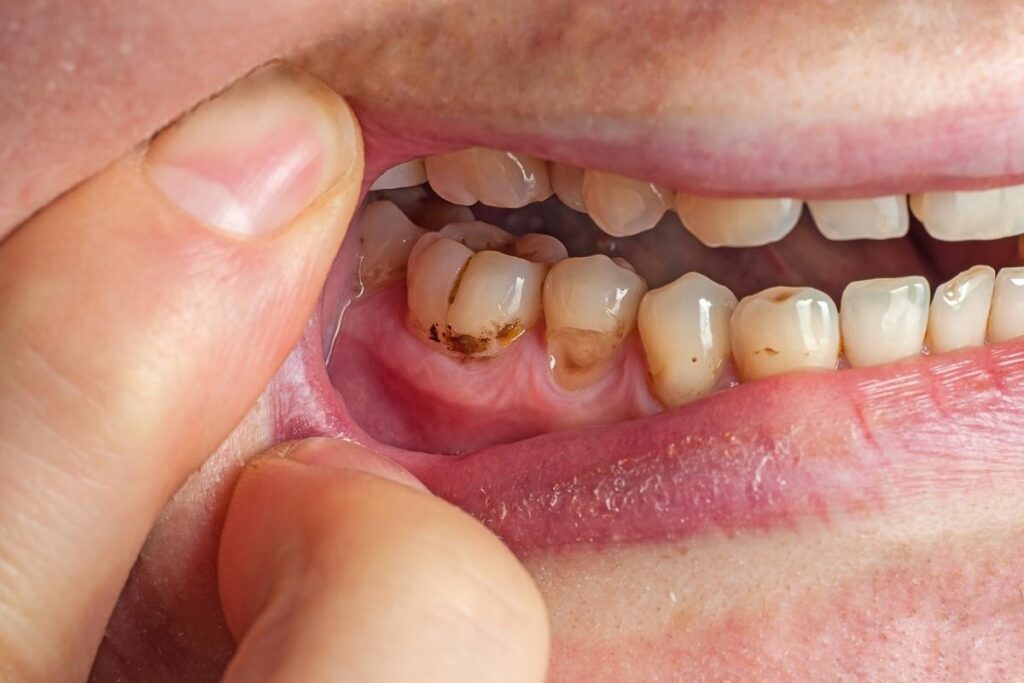
Toothpaste remineralization does not imply rebuilding enamel from scratch. Instead, it focuses on reinforcing weakened crystal structures. This is why terms like remineralized teeth before and after can be misleading changes are often structural and microscopic rather than visibly dramatic.
Below is a simplified comparison table showing how different toothpaste categories are discussed in scientific contexts:
| Toothpaste Type | Primary Focus | Relation to remineralization |
| Fluoride-based | Enamel resistance | Supports surface-level remineralization |
| Calcium-based | Mineral availability | May assist mineral redeposition |
| Hydroxyapatite | Crystal similarity | Designed to mimic enamel minerals |
| Herbal formulas | pH balance | Indirect environmental support |
This table illustrates why remineralizing toothpaste should be viewed as part of a system, not a standalone solution.
Fluoride Toothpaste for Remineralization
Fluoride toothpaste for remineralization is often discussed as the most researched option in enamel science. Rather than “adding minerals,” fluoride changes how enamel reacts to acids by forming a more acid-resistant surface compound.
In the context of remineralization, fluoride does not work in isolation. Its effectiveness is linked to exposure time, concentration, and overall oral chemistry. This is why professional discussions avoid absolute statements and instead reference probabilities and tendencies.
The World Health Organization has published position papers explaining fluoride’s role in enamel stability, emphasizing its preventive rather than restorative nature.
How to Strengthen Teeth Through Mineral Balance
Strengthening teeth is often confused with whitening or cosmetic enhancement. Scientifically, strength refers to enamel’s resistance to chemical stress. Remineralization contributes to this by supporting crystal density and surface integrity.
Rather than focusing on products alone, enamel strength is usually discussed through:
- mineral availability
- acid exposure frequency
- saliva consistency
- time-based recovery cycles
This broader view helps explain why remineralizing teeth is not a one-time action but a long-term pattern.
Bridging Theory and Daily Reality
At this point, it becomes clear that remineralization is neither a trend nor a guarantee. It is a conditional biological process influenced by habits, environment, and time. Concepts like tooth remineralization, remineralizing gum, and toothpaste remineralization all fit within this framework but none operate independently.
How to Naturally Remineralize Teeth
The idea of how to naturally remineralize teeth often brings to mind simple, product-free approaches. From a scientific standpoint, remineralization is not triggered by a single natural element, but by the interaction of several biological factors that already exist in the oral environment.
Saliva plays a central role here. It acts as a buffering system, helping neutralize acids while carrying calcium and phosphate ions back to the enamel surface. When oral conditions remain balanced for sufficient periods, tooth remineralization may occur naturally at a microscopic level.
Rather than being a replacement for other methods, natural remineralization is best understood as a baseline process one that happens quietly and continuously when the environment allows it. This explains why many changes associated with remineralized teeth before and after are not always visually dramatic but structurally meaningful.
How Long Does It Take to Remineralize Teeth?
One of the most common questions surrounding remineralization is related to time. How long does it take to remineralize teeth? Scientifically, there is no universal timeline. The process depends on enamel condition, mineral availability, and how frequently demineralization events occur.
Early-stage mineral loss may begin stabilizing within weeks, while deeper enamel changes require much longer observation periods. Importantly, teeth remineralization does not follow a straight line. It progresses in cycles interrupted by acids, supported by recovery phases.
Research discussions emphasize that remineralization is gradual and cumulative. This is why studies often measure trends rather than immediate outcomes, focusing on enamel resistance over time instead of instant surface change.
Signs of Tooth Remineralization
Because remineralization happens at a microscopic level, its signs are often subtle. There is no single indicator that confirms mineral gain, but several indirect observations are commonly discussed in dental literature.
These may include:
- stabilization of early enamel changes
- reduced chalky appearance on enamel surfaces
- improved surface smoothness
- slower progression of visible enamel wear
It is important to note that these signs are interpretive, not diagnostic. In scientific contexts, tooth remineralization is usually confirmed through controlled observation rather than visual inspection alone.
What Is the Role of Remineralization in Enamel Strength?
Enamel strength is not defined solely by hardness, but by how well it resists chemical challenges. Remineralization contributes to this resistance by reinforcing enamel crystal structure and reducing porosity.
This does not mean enamel becomes “new” again. Instead, remineralization supports existing enamel, helping it maintain integrity under daily stress. This perspective aligns with how modern dentistry views enamel care not as restoration, but as preservation.
Institutions such as the National Institutes of Health have published research explaining how mineral balance influences enamel durability over time, highlighting prevention rather than reversal.
FAQ About Tooth Remineralization
Can remineralized teeth return to their original state?
From a scientific perspective, remineralized teeth do not return to an original developmental state. Instead, mineral reinforcement may stabilize enamel and improve resistance, without recreating lost structure.
Is remineralization and demineralization always happening?
Yes. Remineralization and demineralization of teeth occur continuously throughout the day. The key factor is which process dominates over time.
Are “remineralized teeth before and after” results visible?
In most cases, changes associated with remineralization are structural rather than cosmetic. Visible differences may be minimal or absent.
Does everyone experience tooth remineralization the same way?
No. Saliva composition, enamel density, and daily habits all influence how tooth remineralization occurs in different individuals.
Is remineralization a modern dental concept?
While the term is modern, the process itself has always existed. Advances in research have simply clarified how remineralization works at a molecular level.
