I still remember my grandmother struggling with dentures—the clicking, the discomfort, the constant adjustments. She used to joke that getting old meant trading your real teeth for plastic ones. But what if that entire narrative is about to change?
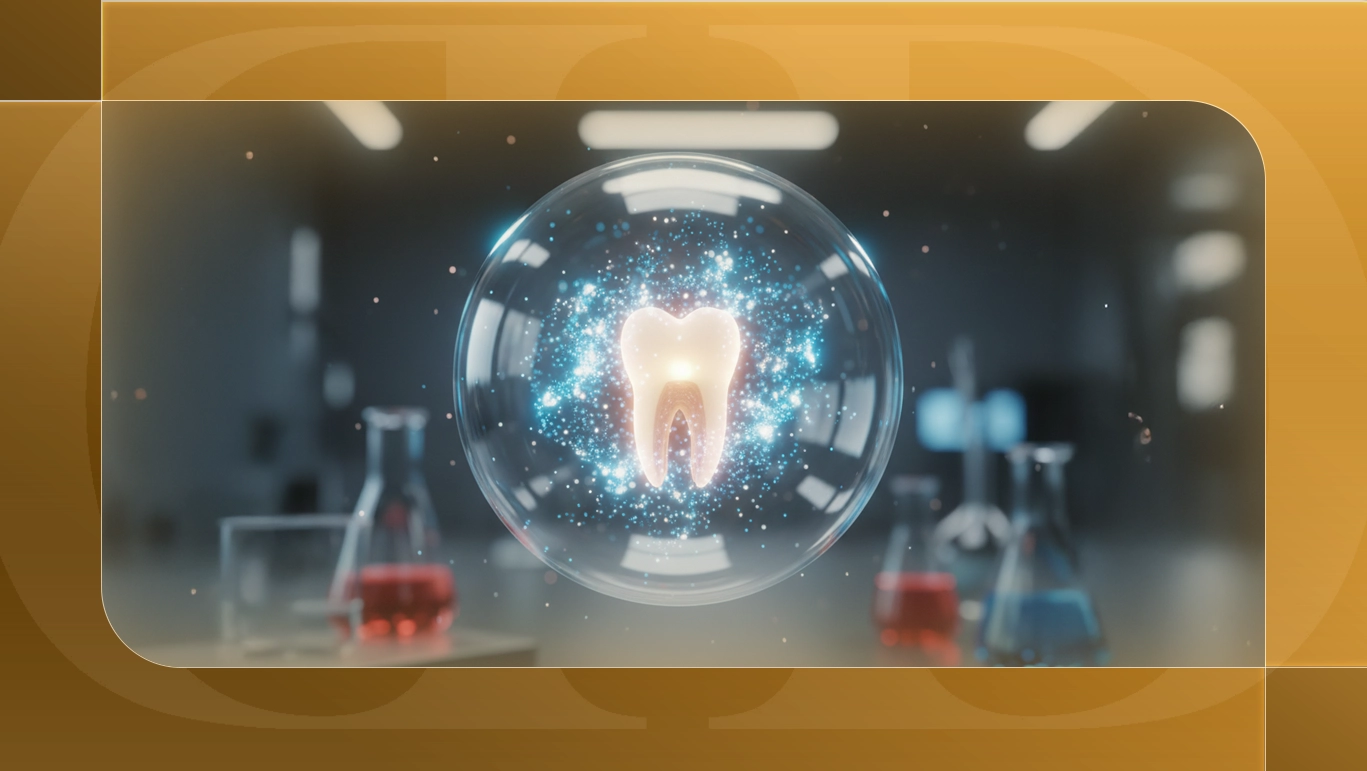
Scientists in South Korea have developed something that sounds like science fiction: a patch that can actually regenerate teeth. Not replace them with implants or cover them with crowns—actually regrow them. And they’re not alone. Researchers worldwide are cracking the code on tooth regeneration, from gels that rebuild enamel within weeks to lab-grown teeth that could revolutionize dentistry as we know it.
This isn’t some distant future fantasy. Clinical trials are already underway, and the implications are staggering. We’re talking about the potential end of dentures, fewer root canals, and a fundamental shift in how we think about dental care.
Let’s dive into the breakthrough technologies that could make regrowing teeth as routine as getting a filling.
Can You Regrow Teeth? The Science Says Yes
Why Humans Lost This Superpower
Here’s something that might surprise you: sharks grow new teeth throughout their entire lives—sometimes producing 30,000 teeth over their lifetime. Many mammals get two sets of teeth (baby teeth and adult teeth), but humans? We get our adult teeth around age 12, and that’s it. Lose one after that, and it’s gone forever.
Or at least, that was the conventional wisdom.
The truth is more nuanced. We do have the genetic programming for tooth regeneration—it’s just turned off after childhood. Scientists have identified the specific genes and proteins responsible for tooth development, and recent breakthroughs focus on reactivating these dormant pathways.
The Tooth Regeneration Revolution
Multiple research teams are now successfully triggering tooth regrowth using different approaches, and the results are genuinely remarkable. According to recent developments covered by CNN’s science division, we’re closer than ever to practical tooth regeneration solutions.
South Korea’s Game-Changing Tooth-Regenerating Patch
How the Technology Works
South Korean researchers have developed a biocompatible patch that stimulates tooth regeneration through targeted molecular signaling. The patch delivers specific growth factors directly to the affected area, essentially telling dormant cells: “Time to make a tooth again.”
The technology works by:
- Activating dormant stem cells in the jaw and gum tissue
- Delivering precise growth factors that trigger tooth bud formation
- Guiding mineralization to form proper enamel and dentin structures
- Controlling the regeneration process to ensure proper tooth shape and alignment
What This Means for Denture Wearers
As highlighted in social media discussions about this breakthrough, we’re potentially looking at the end of dentures as the default solution for tooth loss. Instead of settling for artificial replacements, patients could regenerate their natural teeth—complete with living nerves and proper sensation.
The implications extend beyond comfort. Natural teeth maintain proper jaw structure and prevent bone loss, issues that plague denture wearers despite best efforts. Dental professionals note that this technology could fundamentally change treatment protocols for tooth loss.
The Enamel-Regenerating Gel: Rebuilding Your Teeth From the Outside
A Different Approach to Tooth Regeneration
While the Korean patch focuses on regrowing entire teeth, another breakthrough addresses a more common problem: damaged tooth enamel. Researchers have developed a protein-based gel that can regenerate tooth enamel within weeks.
This is massive. Tooth enamel doesn’t regenerate naturally—once it’s gone, it’s gone. Or at least, it was.
How the Breakthrough Gel Works
The gel contains amelogenin-derived peptides—essentially the building blocks your body originally used to create enamel. When applied to damaged teeth, these proteins:
- Self-assemble into organized structures that mimic natural enamel formation
- Mineralize gradually to match the hardness and translucency of real enamel
- Bond seamlessly with existing tooth structure
- Resist bacterial colonization better than artificial materials
Research published recently demonstrates that this gel can repair early-stage cavities and restore enamel thickness to near-normal levels within 2-4 weeks.
Real-World Applications
This technology addresses problems millions face daily:
- Early cavity reversal before fillings become necessary
- Sensitivity reduction by rebuilding protective enamel layers
- Cosmetic improvements without veneers or bonding
- Strengthening weakened teeth prone to fracture
The gel represents a paradigm shift from reactive dentistry (drilling and filling) to regenerative dentistry (healing and rebuilding).
Lab-Grown Teeth: Bioengineering Complete Replacements
Growing Teeth in the Laboratory
The most futuristic approach involves growing complete teeth in laboratory settings using a patient’s own cells. This isn’t theoretical—research teams have successfully grown functional teeth that, when transplanted into animal models, integrate with surrounding tissue and function normally.
The process typically involves:
- Harvesting stem cells from dental tissue or other sources
- Programming cells with the genetic instructions for tooth development
- Growing tooth buds in specialized bioreactors
- Implanting developed teeth into the patient’s jaw
Advantages Over Current Solutions
Compared to Dental Implants:
- Living tissue that adapts and responds to forces
- Natural sensation and proprioception
- Ability to move with orthodontic treatment if needed
- No risk of implant rejection or peri-implantitis
Compared to Dentures:
- Permanent solution that feels completely natural
- Maintains jaw bone density
- No adhesives, cleaning routines, or social anxiety
- Normal eating and speaking without restrictions
The Timeline Question
When will lab-grown teeth be available at your local dentist’s office? Most experts estimate 5-10 years for initial clinical availability, with widespread adoption taking another decade. The technology exists; scaling production and navigating regulatory approval takes time.
Does Tooth Enamel Grow Back? Understanding the Limitations
The Harsh Reality About Natural Enamel Regeneration
Let’s be clear about something important: under normal circumstances, tooth enamel does not grow back. It’s the hardest substance in your body, but it’s also acellular—meaning it contains no living cells that could repair damage.
This is why cavities are permanent, why acid erosion causes lasting damage, and why prevention has traditionally been the only real defense.
How New Technology Changes Everything
The breakthroughs we’re discussing don’t rely on your body’s natural processes—they use external interventions to trigger regeneration:
- Protein gels provide the molecular building blocks enamel needs
- Growth factor patches reactivate dormant genetic programs
- Stem cell therapies introduce cells capable of forming new dental tissue
Think of it like rebooting a computer that’s been shut down—the capability exists; it just needs the right trigger
Tooth Enamel Repair: What You Can Do Now
How to Restore Tooth Enamel Naturally (Today’s Options)
While we wait for regenerative technologies to become widely available, there are proven methods to strengthen and partially repair tooth enamel:
Remineralization Through Diet and Products:
- Hydroxyapatite toothpaste (biomimetic enamel substitute)
- Calcium and phosphate-rich foods
- Fluoride treatments that enhance natural remineralization
- Sugar-free gum with xylitol to stimulate protective saliva
Professional Treatments:
- Concentrated fluoride varnish applications
- Calcium phosphate paste treatments
- Dental sealants to protect vulnerable areas
- Early intervention for white spot lesions
Lifestyle Modifications:
- Reducing acidic food and beverage consumption
- Proper brushing technique (not too aggressive)
- Waiting 30 minutes after acidic exposure before brushing
- Using a straw for acidic drinks
How to Strengthen Tooth Enamel
Building on natural remineralization processes:
| Method | How It Works | Effectiveness |
| Fluoride Treatments | Converts hydroxyapatite to fluorapatite (more acid-resistant) | High for prevention |
| Calcium-Rich Diet | Provides raw materials for remineralization | Moderate, requires consistency |
| Hydroxyapatite Products | Directly deposits enamel-like minerals | High for minor damage |
| Saliva Optimization | Natural remineralization through mineral-rich saliva | Moderate, foundational |
| pH Management | Reduces acid attacks that demineralize enamel | High for prevention |
The Future of Dental Care: AI and Regenerative Medicine
How AI Enhances Regenerative Dentistry
Artificial intelligence isn’t just changing diagnosis—it’s optimizing regenerative treatments:
- Predicting optimal growth factor concentrations for individual patients
- Monitoring regeneration progress through advanced imaging analysis
- Personalizing treatment protocols based on genetic and health data
- Identifying ideal candidates for specific regenerative approaches
The Convergence of Technologies
The most exciting developments happen when multiple breakthroughs combine:
- AI-designed growth factor cocktails + biocompatible delivery patches
- 3D-printed scaffolds + patient-specific stem cells
- Real-time monitoring + adaptive treatment protocols
We’re not just getting one solution for tooth regeneration—we’re getting an entire toolkit.
Regrow Missing Teeth Naturally: Myths vs. Reality
What Actually Works vs. Internet Hype
Let’s address something directly: despite what certain websites claim, you cannot regrow missing teeth naturally with home remedies. No amount of oil pulling, special diets, or herbal supplements will make a new tooth spontaneously appear.
The myth persists because:
- Natural tooth development in children appears “magical”
- Sharks and some animals regrow teeth throughout life
- People confuse enamel remineralization with tooth regeneration
The reality:
- Tooth regeneration requires sophisticated molecular signaling
- Current successful methods need clinical intervention
- “Natural” approaches can support enamel health but won’t regrow teeth
What to Be Excited About (Realistically)
The legitimate breakthroughs are exciting enough without exaggeration:
- Enamel repair gels entering clinical trials
- Tooth regeneration patches showing promising results
- Lab-grown teeth successfully developed and transplanted (in research settings)
- Stem cell therapies advancing toward human trials
These are science-backed developments with real potential, not miracle cures from sketchy websites.
Read more: The Future of Teeth Regrowth: How Science is Making Natural Tooth Replacement a Reality
Practical Timeline: When Will This Technology Be Available?
Short-Term (1-3 Years)
- Advanced enamel repair gels for early cavity reversal
- Improved remineralization treatments based on regenerative research
- AI-enhanced diagnostic tools to catch problems earlier
Medium-Term (5-7 Years)
- Clinical availability of regenerative patches for simple tooth regrowth in limited cases
- Enamel regeneration treatments becoming standard care options
- Stem cell banking from extracted wisdom teeth becoming routine
Long-Term (10+ Years)
- Lab-grown teeth as standard replacement option
- Complete tooth regeneration for most loss scenarios
- Dentures becoming obsolete for new patients
- Preventive regenerative treatments to strengthen teeth before problems develop
Frequently Asked Questions
Can Teeth Grow Back in Adults?
Not naturally—but technology is changing this. Adults lack the active biological signals needed for spontaneous tooth regeneration. However, the new patches and stem cell therapies artificially reactivate these dormant pathways, effectively “tricking” your body into regrowing teeth.
Can Tooth Enamel Be Restored?
Yes, to a degree. Minor enamel damage can be remineralized using fluoride treatments and specialized products. The new protein gels take this further by actually rebuilding enamel structure at a microscopic level, not just adding surface minerals.
For significant enamel loss, traditional restorations (bonding, crowns) remain necessary—for now. The regenerative gels show promise for moderate damage but can’t yet rebuild severely compromised teeth.
How to Prevent Tooth Enamel Erosion?
Prevention remains crucial even with emerging regenerative options:
- Limit acidic beverages (soda, citrus juices, wine)
- Use a straw for acidic drinks
- Rinse with water after consuming acids
- Wait 30 minutes before brushing after acid exposure
- Maintain strong saliva flow (stay hydrated, chew sugar-free gum)
- Address acid reflux or vomiting issues with medical professionals
Are Tooth Regeneration Treatments Safe?
Current research shows promising safety profiles, but long-term data is still accumulating. The biocompatible materials used in patches and gels undergo rigorous testing for:
- Tissue compatibility
- Immune system reactions
- Long-term stability
- Cancer risk (particularly relevant for stem cell approaches)
Early trials show minimal adverse effects, but comprehensive safety data will come with larger-scale clinical use.
Will Insurance Cover Tooth Regeneration?
This is the million-dollar question—literally. Initially, regenerative treatments will likely be expensive and poorly covered by insurance. As technologies mature and become standard care, insurance coverage should improve.
Compare to dental implants: once experimental and rarely covered, they’re now standard treatment with reasonable insurance support in many cases.
Conclusion: A New Era in Dental Care
We’re standing at the threshold of a genuine revolution in dentistry. Technologies that seemed impossible a decade ago—regrowing teeth, rebuilding enamel, eliminating dentures—are entering clinical reality.
The timeline isn’t instant. You probably can’t walk into your dentist’s office tomorrow and order a regenerated tooth. But the trajectory is clear, and the pace of progress is accelerating.
What excites me most isn’t just the technology itself—it’s what it represents. For the first time in human history, we’re moving beyond repair and replacement toward true regeneration. We’re not just fixing dental problems; we’re fundamentally solving them.
The patients of 2035 will look back on 2025’s dental care the way we now view 1990s orthodontics—functional but primitive. Dentures will become historical curiosities, root canals will be rare, and early cavities will be genuinely reversible.
Your grandmother’s generation had to accept tooth loss as inevitable. Your generation might be the last one that does.
Stay informed about these developments. Ask your dentist about emerging treatments. And remember: the best tooth is still the one you never lose. While regenerative dentistry advances, prevention remains your most powerful tool.
The future of your smile is looking brighter than ever—and it might just involve regrowing what you thought was gone forever.