
Tooth Abrasion – Causes, Symptoms, and Solutions
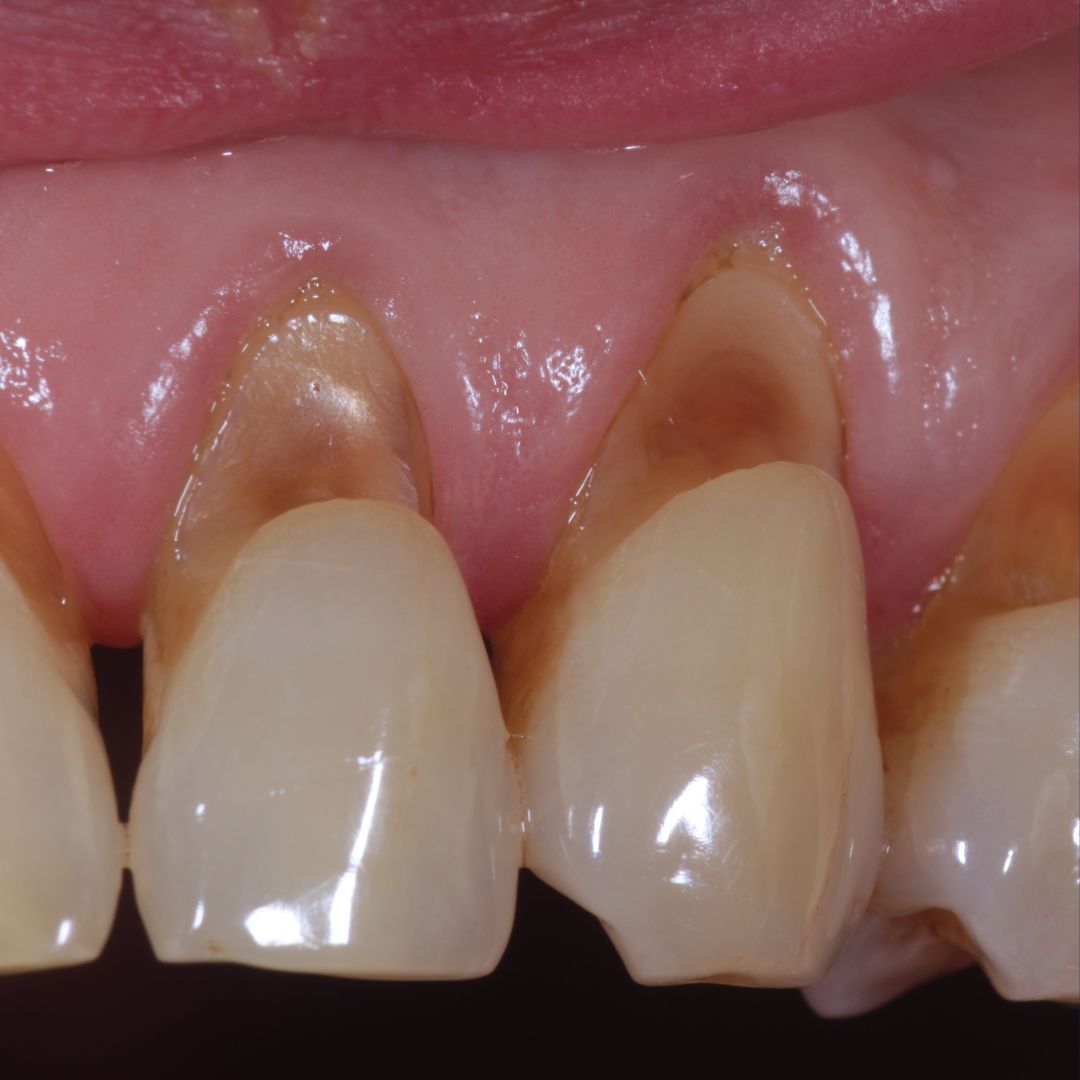

Tooth abrasion is the gradual loss of tooth structure caused by repeated mechanical friction from an external source. It commonly affects the area near the gumline and may appear as notches, grooves, or changes in tooth shape. Sensitivity to hot, cold, sweet, or acidic foods can also occur when dentin becomes exposed.
Unlike tooth decay, which involves bacterial activity, abrasion is a mechanical form of tooth wear. The condition can range from mild surface changes to deeper loss of tooth structure. Treatment depends on the severity of the wear, the cause, the presence of sensitivity, and how much healthy tooth structure remains. Patients can explore all dental treatments to understand broader options for restoring function and protecting damaged teeth.
What Is Tooth Abrasion?
Tooth abrasion occurs when an external mechanical force repeatedly rubs against the tooth and gradually removes tooth structure. Common examples include aggressive tooth brushing, abrasive oral habits, and repeated contact with objects such as pens, nails, or toothpicks.
Abrasion is different from normal wear caused by contact between opposing teeth. It is also different from dental erosion, which results from acids dissolving mineralized tooth structure. These conditions can occur together, so identifying the main cause is important before treatment begins.
A common location for dental abrasion is the cervical area near the gumline. These lesions may look like small grooves or wedge-shaped defects. If the wear progresses, the affected tooth can become sensitive or require restorative treatment.
Tooth Abrasion vs. Attrition
Tooth abrasion and attrition are both forms of tooth wear, but their causes are different.
| Feature | Tooth Abrasion | Tooth Attrition |
| Main cause | External mechanical forces | Tooth-to-tooth contact |
| Common examples | Brushing, habits, objects | Grinding or clenching |
| Typical location | Often near the gumline | Often on biting surfaces |
| Appearance | Notches, grooves, or wedge-shaped defects | Flattened or worn contact surfaces |
| Sensitivity | May occur when dentin is exposed | May appear as wear becomes advanced |
Understanding this distinction matters because treatment should address the underlying cause. If brushing pressure is responsible for abrasion, simply restoring the worn area without changing the brushing technique may allow the problem to continue. If grinding is contributing to tooth wear, the dentist may need to evaluate that factor separately.
Common Causes of Tooth Abrasion
Aggressive Tooth Brushing
One of the most common contributors to tooth abrasion is brushing with excessive pressure. Scrubbing the teeth forcefully, using a hard-bristled toothbrush, or repeatedly focusing on the same area can contribute to mechanical wear over time.
A more forceful brushing technique does not necessarily provide better cleaning. Gentle, controlled movements with an appropriate toothbrush can help remove plaque while reducing unnecessary mechanical stress on the tooth surface.
```html
```
Premium Dental Care in Turkey
Expert treatments with high-end technology. Get your personalized quote today via WhatsApp.
Abrasive Toothpaste
Toothpaste contains ingredients that help remove plaque and surface stains, but the level of abrasivity varies between products. Some highly abrasive formulations, particularly products marketed around intensive stain removal, may contribute to tooth surface wear when combined with aggressive brushing.
If you already have visible cervical wear or sensitivity, ask your dentist which toothpaste is appropriate for your teeth. The Relative Dentin Abrasivity, or RDA, value can be considered when choosing products for sensitive or worn teeth.
```html  ```
```
Want trusted dental advice in your Google AI answers?
Add Darya Dental Turkey as a Preferred Source on Google to make our dental guides easier to find in your search results and AI Overviews.
Harmful Oral Habits
Repeatedly using the teeth as tools can create localized mechanical forces. Examples include:
- Chewing on pens or pencils
- Holding nails or pins between the teeth
- Opening packages with the teeth
- Using toothpicks aggressively
- Biting hard objects
These habits may seem minor when they happen occasionally, but repeated exposure can contribute to tooth abrasion.
Occupational and Instrument-Related Factors
Certain activities can place repeated mechanical stress on particular teeth. People who regularly hold objects between their teeth during work may develop localized wear. Similar issues can occur with some occupational tools or instrument-related habits.
The important factor is repetition. A single contact is unlikely to create a significant lesion, but years of repeated mechanical friction can gradually change the tooth surface.
Symptoms and Signs of Tooth Abrasion
The appearance of abrasion depends on its location and severity. Common signs include:
- V-shaped or wedge-shaped notches near the gumline
- Visible loss of tooth structure
- Rough or uneven areas
- Increased sensitivity to cold, heat, sweet foods, or acidic drinks
- Yellowish areas where dentin has become more visible
- Changes in the shape or contour of the tooth
Not every notch near the gumline is necessarily caused by abrasion. Similar-looking lesions can be associated with erosion, abfraction, gum recession, or other forms of non-carious tooth wear. A dental examination can help determine the likely cause.
Is Tooth Abrasion Serious?
Mild tooth abrasion may only cause a cosmetic change or occasional sensitivity. However, progressive wear can expose dentin, increase sensitivity, alter the shape of the tooth, and weaken the remaining structure.
Severe tooth abrasion may require restorative treatment. If tooth structure loss becomes extensive, the treatment may become more complex. This is why identifying the cause early is important.
Tooth abrasion itself is not the same as tooth decay. However, damaged or difficult-to-clean areas can create additional oral health concerns, so persistent lesions should be evaluated rather than ignored.
Tooth Abrasion at the Gumline
Tooth abrasion near the gumline is particularly noticeable because the cervical area can be more vulnerable to mechanical forces. When gum recession exposes the root surface, the exposed area can also be more susceptible to wear because cementum and dentin are softer than enamel.
If you notice a notch, groove, or sensitive area close to the gumline, avoid increasing brushing pressure in an attempt to clean it more thoroughly. A dentist can assess whether the lesion is related to abrasion, erosion, abfraction, recession, or a combination of factors.
Dental Erosion vs. Abrasion
Dental erosion and abrasion are often confused because both can result in visible loss of tooth structure. Their mechanisms, however, are different.
| Feature | Dental Erosion | Dental Abrasion |
| Main cause | Chemical acids | Mechanical friction |
| Process | Mineral dissolution | Physical wear |
| Common contributors | Acidic foods, drinks, gastric acid | Brushing pressure, habits, external objects |
| Typical appearance | Smooth or rounded surface changes | Grooves or wedge-shaped defects |
The two processes can occur at the same time. Acid exposure can soften the tooth surface, potentially making it more vulnerable to mechanical forces. For this reason, treatment should consider the full pattern of tooth wear rather than focusing on only one possible cause.
Abrasion, Attrition, and Abfraction
Abfraction lesions can also resemble abrasion, particularly when they occur near the gumline. The terms describe different mechanisms, although real patients can have more than one type of tooth wear at the same time.
Abrasion is associated with external mechanical forces. Attrition is primarily related to tooth-to-tooth contact, such as grinding or clenching. Abfraction is a term used for cervical lesions associated with occlusal stress and tooth flexure.
Because these lesions can look similar, the appearance alone may not be enough to determine the cause. Your dentist may consider your brushing technique, bite, habits, gum condition, symptoms, and pattern of tooth wear.
How Is Tooth Abrasion Treated?
The treatment of tooth abrasion depends on the amount of tooth structure lost and whether the cause is still active.
Mild Tooth Abrasion
For mild cases, treatment may focus on preventing further wear and controlling sensitivity. Options can include:
- Switching to a soft-bristled toothbrush
- Improving brushing technique
- Choosing a less abrasive toothpaste
- Using desensitizing toothpaste
- Applying fluoride when clinically appropriate
- Changing habits that create repeated mechanical forces
If the lesion is stable and does not compromise function, the dentist may recommend monitoring rather than immediate restoration.
Moderate Tooth Abrasion
When a visible defect has developed or dentin is exposed, composite bonding or a restorative filling may be considered. These materials can replace lost tooth structure, cover sensitive areas, and improve the appearance of the tooth.
The dentist should still address the underlying cause. Restoring the defect without controlling the mechanical force that created it can increase the risk of restoration failure or continued wear.
Severe Tooth Abrasion
More extensive tooth structure loss may require a broader restorative plan. Depending on the remaining tooth structure, location, symptoms, and functional demands, treatment may involve bonding, larger restorations, or crowns.
If the pulp becomes involved because of extensive structural damage, endodontic treatment may sometimes be necessary. The appropriate treatment should be determined after a clinical examination rather than based on the appearance of the lesion alone.
How to Fix Tooth Abrasion
The first step is to identify what is causing the wear. This can include reviewing brushing technique, toothbrush type, toothpaste, oral habits, occupational factors, gum recession, and other forms of tooth wear.
Once the cause has been addressed, the dentist can decide whether the damaged area needs treatment.
For mild abrasion with sensitivity, desensitizing products and preventive measures may be sufficient. For moderate defects, composite bonding or a filling may restore the lost contour. More severe structural loss may require a crown or another restorative approach.
The goal is not simply to cover the visible defect. A successful treatment plan should also protect the remaining tooth structure and reduce the factors responsible for continued wear.
Can Tooth Abrasion Be Reversed?
Lost tooth structure does not naturally grow back. Enamel cannot regenerate after it has been physically removed by abrasion.
However, progression can often be controlled. Depending on the condition of the tooth, treatment can:
- Stop or reduce further mechanical wear
- Reduce sensitivity
- Protect exposed dentin
- Restore lost tooth structure
- Improve the appearance and function of the tooth
Remineralization can help strengthen weakened areas that are still present, but it cannot rebuild enamel that has already been physically lost.
Filling for Tooth Abrasion
A composite filling or bonding procedure may be used when abrasion creates a localized defect. The dentist typically cleans and prepares the area, applies the tooth-colored material, shapes it to match the natural tooth, and hardens it with a curing light.
A restoration can protect exposed dentin and improve the tooth’s contour. However, its long-term success also depends on controlling the cause of the abrasion.
A deep defect may require a different restorative approach. If the remaining tooth structure is insufficient or the pulp is at risk, a larger restoration or crown may be considered.
Can Tooth Abrasion Cause a Cavity?
A tooth abrasion lesion can sometimes be mistaken for a cavity because both may appear as a defect in the tooth. Abrasion itself is not dental decay and does not occur because of bacteria.
If a worn area becomes difficult to clean or develops secondary decay, the dentist will need to treat the decay separately. This distinction is important because the correct treatment depends on whether the defect is caused by mechanical wear, caries, or both.
How Can You Prevent Tooth Abrasion?
Prevention focuses on reducing unnecessary mechanical forces.
- Use a soft-bristled toothbrush.
- Brush with gentle pressure rather than scrubbing.
- Avoid using teeth to open packages or hold objects.
- Avoid aggressive toothpick use.
- Ask your dentist about an appropriate toothpaste if you have sensitivity or visible wear.
- Attend regular dental examinations so early tooth wear can be monitored.
- Address gum recession or other conditions that may expose vulnerable root surfaces.
If you grind or clench your teeth, mention this during your dental examination because tooth-to-tooth wear can occur alongside abrasion.
When Should You See a Dentist?
You should arrange a dental examination if you notice new or worsening tooth sensitivity, visible grooves near the gumline, changes in tooth shape, exposed yellowish areas, persistent discomfort, or progressive tooth wear.
A dentist can determine whether the problem is abrasion, erosion, attrition, abfraction, decay, gum recession, or a combination of conditions. Early assessment may allow the cause to be controlled before more tooth structure is lost.
Conclusion
Tooth abrasion is a form of mechanical tooth wear that often develops gradually. Aggressive brushing, abrasive products, and repeated oral habits can contribute to the condition, particularly around the gumline.
The most important step is to identify and control the cause. Mild cases may only require preventive changes and sensitivity management, while moderate or severe tooth abrasion may benefit from composite bonding, fillings, crowns, or other restorative treatment.
If you notice sensitivity or visible tooth wear, do not try to correct the problem by brushing harder. A professional examination can determine the cause and help protect the remaining tooth structure with an appropriate treatment plan.
