How a Turkish Airline Is Making World-Class Dental Care Ridiculously Accessible
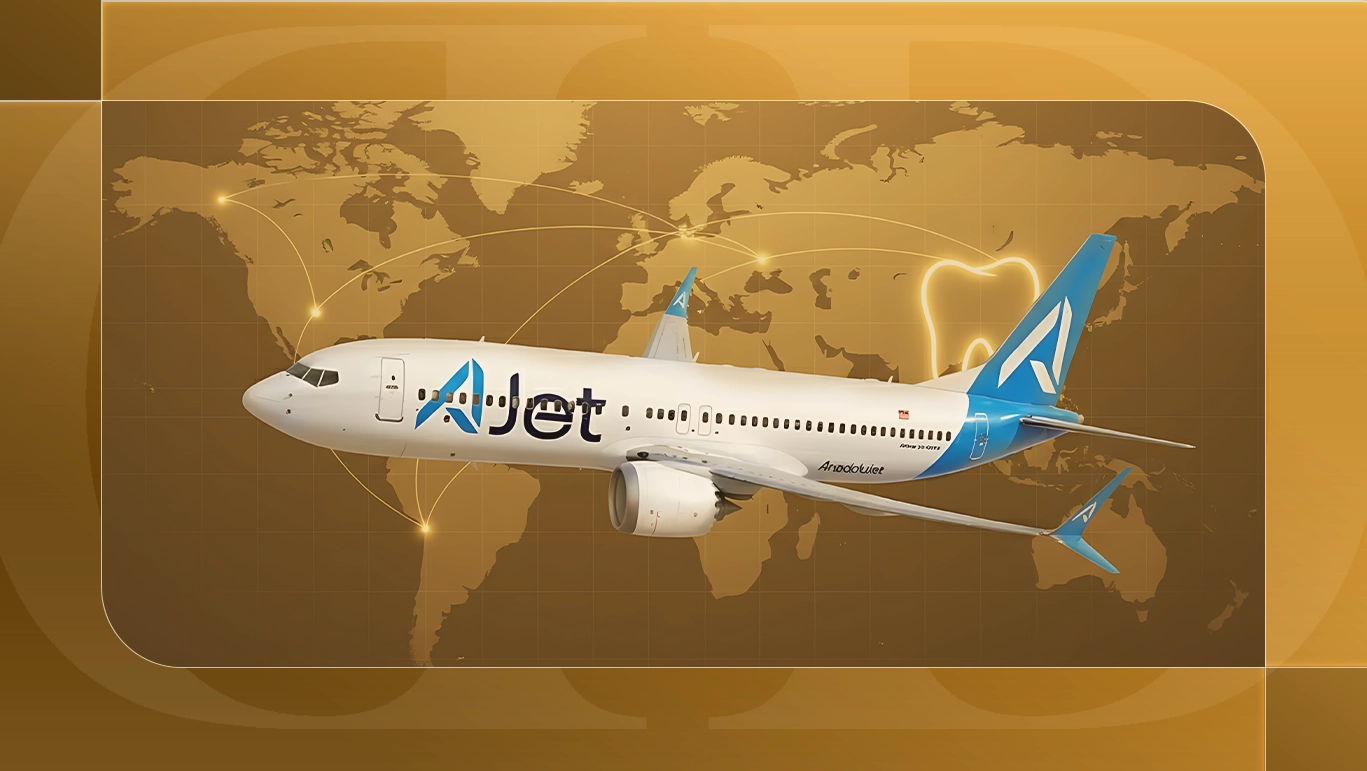

Here’s something that might surprise you: the biggest barrier to getting affordable, high-quality dental work isn’t finding a good dentist—it’s getting on a plane. But that’s changing, fast.
Turkey has quietly become one of the world’s dental tourism powerhouses, and now a low-cost carrier called AJet is betting big on making it even easier for people to fly in, get their teeth fixed, and actually save money in the process. We’re talking about weekend dental trips from Europe, direct flights to state-of-the-art clinics, and prices that make your local dentist’s estimate look like highway robbery.
Let me explain how this all works—and why it matters if you’ve been putting off that crown, veneer, or implant procedure.
The $5 Billion Dental Tourism Play
According to Turkish Airlines and AJet Chairman Ahmet Bolat, Turkey’s health tourism sector currently generates about $3.5 billion annually from roughly 1.5 million visitors. But here’s where it gets interesting: AJet has launched a dedicated program specifically targeting dental and eye care patients, with a goal of adding another $1.5 billion to that figure.
That’s not just corporate ambition—it’s a calculated bet based on real numbers. The airline is expanding its network to 108 destinations across 37 countries by 2026, with 23 new international routes launching next year alone. Fifteen of those will fly out of Istanbul Sabiha Gökçen Airport, and eight from Ankara.
Why does this matter for your teeth? Because accessibility is everything in medical tourism. You can have the world’s best clinics, but if getting there requires three connections and a mortgage, most people won’t bother.
The Weekend Dental Getaway
Here’s AJet’s pitch, straight from Bolat himself: “Start your holiday on Friday and come to Turkey for treatment.”
It sounds almost too simple, but that’s exactly the model they’re building. The airline is specifically targeting European patients who can fly in for a long weekend, get dental work done at internationally accredited facilities, and be back home by Monday. They’re even working on integrated packages that combine flights with treatment at approved clinics.
Think about that for a second. Instead of scheduling multiple local appointments over months, dealing with insurance hassles, and paying premium prices, you could fly to Istanbul, stay in a nice hotel, get your dental work done, maybe see the Hagia Sophia, and still come out ahead financially.
I know it sounds like I’m selling you a timeshare, but the economics actually work out. Let me break it down.
Why Turkish Dental Care Is (Actually) Cheaper
There’s a reason Turkey has become a go-to destination for dental tourism, and it’s not because they’re cutting corners. Turkish dental clinics often have the same equipment, similar training standards, and international accreditations as Western European or North American practices. What they don’t have are Western price structures.
A full set of porcelain veneers in the UK might run you £10,000 to £15,000. In Turkey? You’re looking at roughly a third of that, sometimes less. Same goes for implants, crowns, and full mouth restorations.
The cost difference comes down to several factors: – Lower overhead and operational costs – More competitive market driving prices down – Government support for medical tourism infrastructure – Favorable exchange rates for most Western currencies
But here’s what matters most: the quality gap that used to exist has largely disappeared. Modern Turkish dental clinics—especially those in Istanbul—often feature better technology and more recent renovations than what you’d find in many Western dental offices.
The Aviation Piece of the Puzzle
This is where AJet’s strategy gets clever. The airline recently obtained IOSA certification and officially began its IATA membership process, which is airline-speak for “we’re serious about international operations and safety standards.”
They’re not just adding random routes—they’re building what Bolat calls an “air bridge” specifically designed for health tourism. The airline currently operates flights to 100 destinations in 34 countries, with plans to expand to 199 destinations across 56 countries by 2033.
More importantly, they’re maintaining an 80% on-time departure performance—significantly better than the European average of 69%. If you’re traveling for medical treatment, the last thing you need is flight delays messing up your appointment schedule.
Istanbul: The Dental Tourism Gateway
Most international patients flying in for dental work land at Istanbul Sabiha Gökçen Airport, which has become AJet’s main hub. But Istanbul also has a second major international airport (simply called Istanbul Airport), giving the city exceptional connectivity.
This dual-airport setup means you have options. Whether you’re flying from London, Dubai, Frankfurt, or Tel Aviv, there’s likely a direct or near-direct route that works with your schedule.
And here’s a bonus: Istanbul isn’t exactly a hardship destination. While you’re there for dental treatment, you’re also in one of the world’s most historic and culturally rich cities. Many patients combine their dental trips with sightseeing, making it a legitimate vacation with the added benefit of fixing their smile.
The Clinic Quality Question
I know what you’re thinking: how do you know you’re not walking into some sketchy operation with questionable credentials?
Fair concern. Here’s what to look for: – International accreditations (ISO, JCI, or equivalent) – Experienced dentists with Western training or certifications – Modern equipment and sterilization protocols – Clear treatment plans with detailed cost breakdowns – Patient reviews from your home country – Clinics that work directly with airlines or approved health tourism programs
AJet’s health tourism initiative specifically partners with internationally accredited hospitals and clinics, which provides an additional layer of vetting. They’re not just flying people anywhere—they’re creating a curated network of verified providers.
Real Talk: Is This For Everyone?
Look, dental tourism isn’t a magic solution for everyone. If you need emergency work or complex procedures requiring multiple follow-ups, doing it locally makes more sense. Same goes if you have specific health conditions that require close monitoring.
But for a huge range of common procedures—implants, crowns, veneers, root canals, bridges—flying to Turkey can genuinely save you thousands while giving you access to excellent care.
The ideal candidate for dental tourism in Turkey: – Needs significant dental work (multiple procedures) – Has been quoted high prices locally – Has some flexibility with timing – Doesn’t mind a bit of travel for major savings – Wants to combine treatment with a short vacation
The Practicalities: How It Actually Works
If you’re seriously considering this, here’s the typical process:
Before You Fly: 1. Submit dental X-rays and photos to Turkish clinics for evaluation 2. Receive detailed treatment plans and cost estimates 3. Schedule your trip based on treatment timeline 4. Book flights (ideally through AJet’s expanding network) 5. Arrange accommodations near your chosen clinic
In Turkey: 1. Initial consultation and final treatment plan confirmation 2. Treatment over 3-7 days (depending on procedures) 3. Follow-up appointments 4. Receive all documentation and treatment records
After You Return: 1. Local dentist follow-ups if needed 2. Most clinics offer remote consultations for any concerns 3. Guarantee/warranty support (varies by clinic)
What’s Driving This Boom
The growth in dental tourism to Turkey isn’t happening in a vacuum. Several trends are converging:
Accessibility: With AJet adding 15 new international routes from Istanbul in 2026, getting to Turkish dental clinics keeps getting easier.
Technology: Modern dental techniques mean shorter treatment times. What used to require months of appointments can often be completed in a week.
Economics: Healthcare costs in Western countries keep rising while Turkish dental care remains competitively priced.
Information: Better online reviews, social media testimonials, and transparent pricing have reduced the uncertainty that used to make people hesitant.
Quality Standards: Turkish dental education and clinic standards have risen significantly, with many dentists trained in Western Europe or North America.
The Darya Dental Turkey Difference
Full disclosure: this is where we talk about our own clinic. But rather than give you a hard sell, let me just explain what we offer and let you decide if it fits your needs.
Darya Dental Turkey operates in Istanbul with international accreditation and a team that understands the specific concerns of international patients. We know flying to another country for dental work feels like a leap, so we focus on making the entire process transparent and straightforward.
We handle: – Pre-trip consultation and treatment planning – Airport pickup and accommodation coordination – Multilingual support throughout your stay – All procedures at competitive, clearly-quoted prices – Post-treatment follow-up and warranty support
Our patient base includes people from the USA, UK, Australia, South Africa, Europe, and the Middle East—basically, anyone who’s done the math on local dental costs and realized there’s a better option.
The Numbers That Actually Matter
Let’s put some real figures on this:
Typical Costs (Approximate): – Single dental implant: $500-800 vs $2,000-4,000 in the UK/US – Porcelain veneer: $200-300 vs $800-1,500 in the UK/US – Crown: $150-300 vs $800-1,500 in the UK/US – Full mouth restoration: $5,000-10,000 vs $30,000-60,000 in the UK/US
Travel Costs: With AJet’s expanding network, round-trip flights from major European cities to Istanbul typically run $150-400, depending on season and booking time. Add accommodation ($50-150/night for decent hotels) and you’re still coming out significantly ahead.
Time Investment: Most dental tourism trips to Turkey last 5-7 days. Yes, you’re giving up a week, but you’re also getting all your dental work done in one go instead of spreading it over months of local appointments.
Read more: Porcelain Veneers Cost in Istanbul Turkey – 2025
What Happens Next?
The dental tourism industry in Turkey is clearly in growth mode. AJet’s ambitious target of carrying 56 million passengers by 2033 includes a significant portion of health tourism travelers.
They’re also modernizing their fleet—76% of their aircraft will be new-generation models by the end of 2026, offering better fuel efficiency and (bonus) more competitive fares. The airline plans to add in-flight Wi-Fi starting March 2026 and is working on integrating loyalty programs with Turkish Airlines.
All of this infrastructure building points to one thing: dental tourism to Turkey is becoming increasingly mainstream, accessible, and… well, normal.
The Bottom Line
If you’ve been quoted several thousand dollars (or pounds, or euros) for dental work and you’re feeling that particular mix of sticker shock and resignation, you have options. Flying to Turkey for dental treatment isn’t some fringe alternative anymore—it’s a legitimate choice backed by improving infrastructure, competitive pricing, and quality care.
With airlines like AJet specifically investing in health tourism routes, the logistics are becoming almost trivially simple. Direct flights, weekend packages, partnered clinics—it’s all designed to make the process as straightforward as possible.
Is it for everyone? No. But for many people facing expensive dental work, it’s absolutely worth researching. At minimum, get a quote from a reputable Turkish clinic and compare it against your local estimate. You might be surprised at what’s possible when you look beyond your hometown dentist.
Frequently Asked Questions
Why is dental tourism in Turkey growing so fast?
The boom in dental tourism comes down to a perfect storm: Turkey dental clinics now rival Western facilities in quality while charging 60-70% less, cheap flights to Istanbul from across Europe and the Middle East have made travel trivially easy, and satisfied patients are spreading the word. Add in internationally accredited facilities, experienced dentists, and infrastructure specifically built to support international patients, and you’ve got a compelling alternative to expensive home-country treatment.
How much can I actually save with affordable dental treatment in Turkey?
Affordable dental treatment in Turkey isn’t just slightly cheaper—it’s dramatically less expensive. We’re talking 60-70% savings on procedures like implants, veneers, and crowns compared to Western Europe or North America. Even after you factor in cheap flights to Istanbul and a week’s accommodation, you’ll still save thousands. For example, a full mouth restoration that costs $40,000 in the UK might run you $8,000-10,000 in Turkey, including travel. That’s why cheap dental treatment Turkey has become such a popular search—people are genuinely shocked by the savings.
Do cheap flights to Istanbul really make that much difference?
Absolutely. Airlines like AJet have transformed the economics of dental tourism. When cheap flights to Istanbul from London, Paris, or Frankfurt cost just $150-400 round-trip, suddenly the travel expense becomes negligible compared to the dental savings. AJet’s specific focus on health tourism—with partnerships with clinics, convenient scheduling, and even weekend dental packages—makes the logistics incredibly simple. The flight is no longer a barrier; it’s just part of the plan.
Which Istanbul airport should I fly into for dental treatment?
Istanbul has two excellent options: Sabiha Gökçen Airport (SAW) and Istanbul Airport (IST). If you’re booking cheap flights to Istanbul on budget carriers, you’ll likely land at Sabiha Gökçen—it’s AJet’s main hub with extensive low-cost routes from across Europe and the Middle East. Istanbul Airport handles more international long-haul flights and offers broader global connectivity. Both airports provide easy access to Turkey dental clinics in the city. Choose based on which offers better flights from your departure city and proximity to your chosen clinic.
Read more: Dental Tourism Costs in Turkey: Complete Breakdown
How do I know which Turkey dental clinics are actually legitimate?
Not all Turkey dental clinics are created equal, so here’s your vetting checklist: Look for international accreditations like ISO or JCI certification. Check that dentists have Western training or certifications. Verify they use modern equipment with proper sterilization protocols. Read reviews specifically from patients in your home country. Make sure they provide detailed treatment plans with transparent, upfront pricing. Turkey dental clinics partnered with AJet’s health tourism program have undergone additional vetting, which provides an extra layer of assurance. At Darya Dental Turkey, we meet all these criteria and specialize in making international patients feel confident and informed.
Is cheap dental treatment Turkey too good to be true?
It sounds suspicious, right? But cheap dental treatment Turkey isn’t about cutting corners—it’s about dramatically lower operational costs, favorable exchange rates, and a competitive market that keeps prices down. Turkish dentists have the same training standards (often trained in Europe or the US), use the same equipment, and follow the same protocols as Western clinics. The difference is you’re paying Turkish prices instead of London or New York prices. Combine that with cheap flights to Istanbul, and suddenly what seemed impossible becomes completely logical.
Ready to explore your options? Contact Darya Dental Turkey for a free consultation. Submit your dental X-rays and photos, and we’ll provide a detailed treatment plan with transparent pricing—no obligations, no pressure. Just real information to help you make the best decision for your smile and your budget.