
Rotten Teeth Solutions: Your Complete Guide to Fixing Bad Teeth
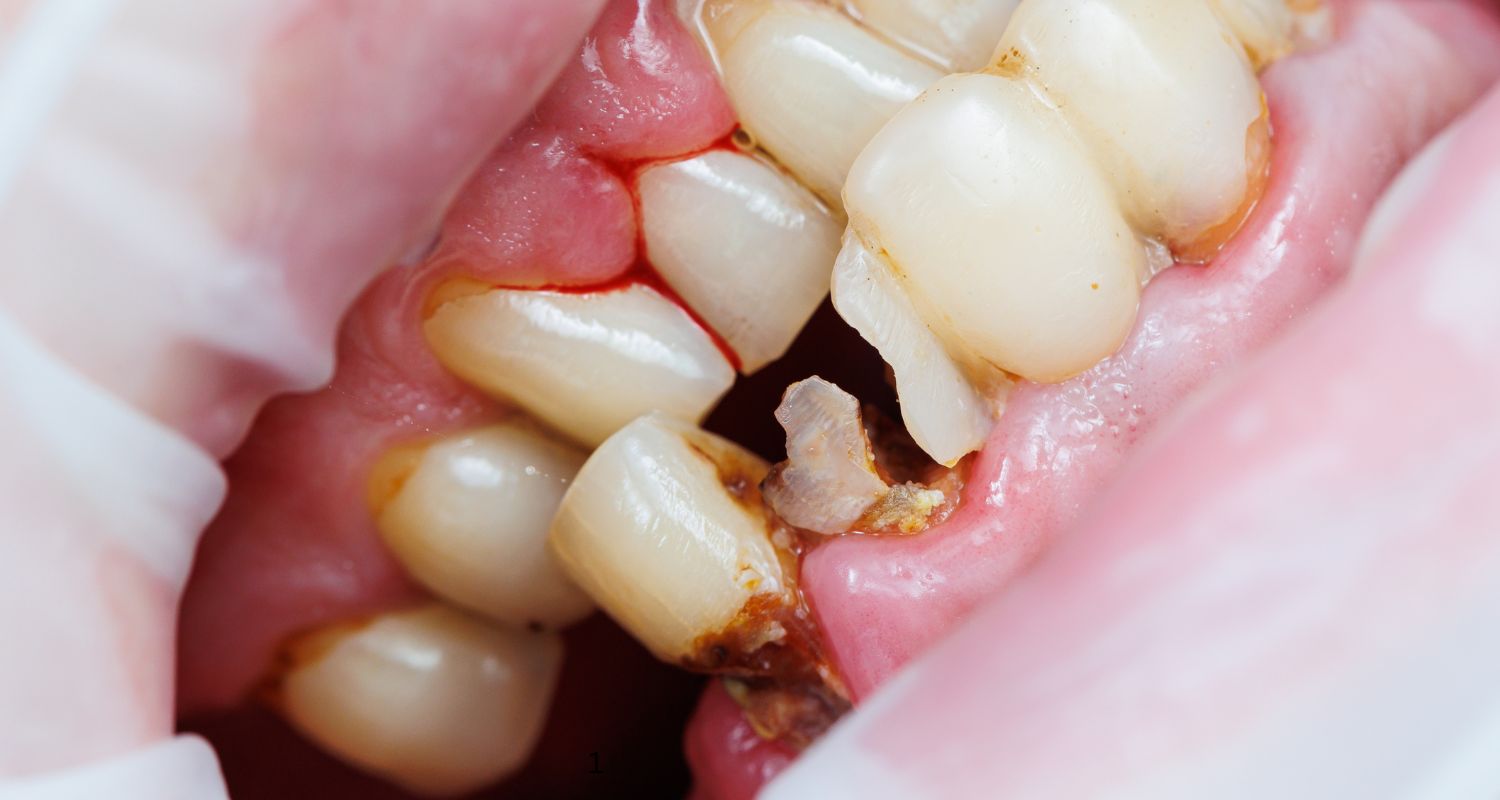
Have you ever caught yourself hiding your smile in photos? Or wincing when you sip something cold? I’ve been there, and let me tell you, dealing with teeth problems can be both physically painful and emotionally draining. Today, we’re diving deep into the world of rotten teeth solutions – from affordable fixes to advanced treatments and even options available abroad in places like Turkey.
What Exactly Are Rotten Teeth?
Before we jump into solutions, let’s get clear on what we’re talking about. Rotten teeth – or dental caries, as the professionals call them – happen when tooth decay progresses to the point where teeth begin to break down and deteriorate. The culprit? Usually a perfect storm of bacteria, sugar, and poor oral hygiene.
I remember thinking a small brown spot on my tooth wasn’t a big deal until it suddenly wasn’t so small anymore. That’s how tooth decay often works – quietly at first, then all at once.
How Do You Fix Badly Rotten Teeth?
So your dentist has confirmed what you feared – you’re dealing with some seriously compromised teeth. What now? Your options typically depend on how far the decay has progressed.
Early to Moderate Decay Solutions
If you’ve caught the problem before things have gone too far, you might be looking at:
- Fillings – The dentist removes the decayed portion and fills the space with materials like composite resin or amalgam.
- Dental bonding – Similar to fillings but more focused on restoring the appearance of teeth.
- Root canal therapy – If decay has reached the pulp, this procedure removes infected tissue while saving the tooth structure.
Advanced Decay Solutions
When teeth are severely compromised, more intensive treatments become necessary:
- Crowns – These cap what remains of your natural tooth after the decay is removed.
- Extractions – Sometimes, saving the tooth just isn’t possible.
- Dentures – Removable replacements for missing teeth.
- Dental implants – Titanium posts surgically placed in your jawbone that act as roots for replacement teeth.
- Bridges – Fixed replacements that literally “bridge” the gap created by missing teeth.
Can Rotten Teeth Be Restored?
This is perhaps the most common question I hear, and the answer is both yes and no. Once enamel is gone, it’s gone – your body can’t regenerate it naturally. However, modern dentistry offers remarkable ways to restore function and appearance.
The approach depends on what’s left to work with:
- If the tooth structure is mostly intact: Fillings, bonding, or crowns can restore functionality and appearance.
- If the root is healthy but the crown is severely damaged: Root canal therapy followed by a crown might save the tooth.
- If the tooth is beyond saving: An extraction followed by an implant, bridge, or partial denture becomes necessary.
As Colgate notes, early intervention is critical. The longer decay progresses, the fewer restoration options remain available.
Budget-Friendly Approaches
- Address urgent issues first – Tackle painful infections or teeth threatening adjacent healthy teeth.
- Consider extraction over expensive restorations for severely damaged teeth, with a plan to replace them when finances allow.
- Look into dental tourism – Which brings us to our next topic…
Will a Rotten Tooth Eventually Stop Hurting?
“If I just wait it out, will the pain go away?” I’ve heard this question countless times, and it reveals a dangerous misconception.
Yes, a badly decayed tooth might eventually stop hurting – but not for good reasons. When a tooth stops hurting after a period of intense pain, it often means the nerve has died. While this provides temporary relief, the infection hasn’t gone anywhere. In fact, it’s likely spreading deeper into your jawbone and potentially into your bloodstream.
This “quiet period” is actually quite dangerous, as the National Institute on Aging explains that untreated dental infections can lead to serious systemic health problems.
How to Fix Bad Teeth with No Money?
The financial aspect of dental care keeps many people from seeking treatment. If you’re in this boat, here are some genuine options:
Free and Low-Cost Dental Care Options
- Dental schools – Teaching institutions often offer services at significantly reduced rates.
- Community health centers – Many offer sliding scale payment options based on income.
- Dental charities and events – Organizations like Dentaid in the UK or Mission of Mercy in the US hold free dental clinics.
- Payment plans – Many dentists offer interest-free payment options for necessary treatments.
How to Fix Bad Teeth with Minimum cost?
When budget constraints are real (and when aren’t they?), prioritizing becomes essential. Here’s a breakdown of treatment costs, from least to most expensive:
Treatment Average Cost UK (£) Average Cost US ($) Durability
Fillings £60-£150 (NHS Band 2) $150-$300 5-15 years
Extraction £65.20 (NHS Band 2) $75-$300 N/A
Root Canal £65.20 (NHS Band 2) / £700+ private $700-$1,500 Lifetime with crown
Crown £282.80 (NHS Band 3) / £700+ private $1,000-$3,500 10-15 years
Partial Denture £282.80 (NHS Band 3) / £400+ private $700-$1,800 5-7 years
Dental Implant £2,000-£2,500 (private) $3,000-$4,500 20+ years
Rotten Teeth Solutions in Turkey
Dental tourism has boomed in recent years, with Turkey emerging as a popular destination for Brits and Americans seeking affordable dental care. But is it worth considering?
The Turkey Dental Tourism Advantage
- Cost savings – Treatments often cost 50-70% less than in the UK or US.
- Modern facilities – Many Turkish dental clinics boast state-of-the-art equipment.
- Combined recovery and holiday – Many patients enjoy exploring Turkey while recovering.
A full mouth restoration that might cost £20,000 in the UK or $30,000 in the US could potentially be completed for £7,000-£10,000 in Turkey.
Before you come to Türkiye, make an appointment with the dentist for an online examination and confirm your rotten teeth level to ensure the fix.
