
The Shocking Link Between Gum Disease and Alzheimer’s
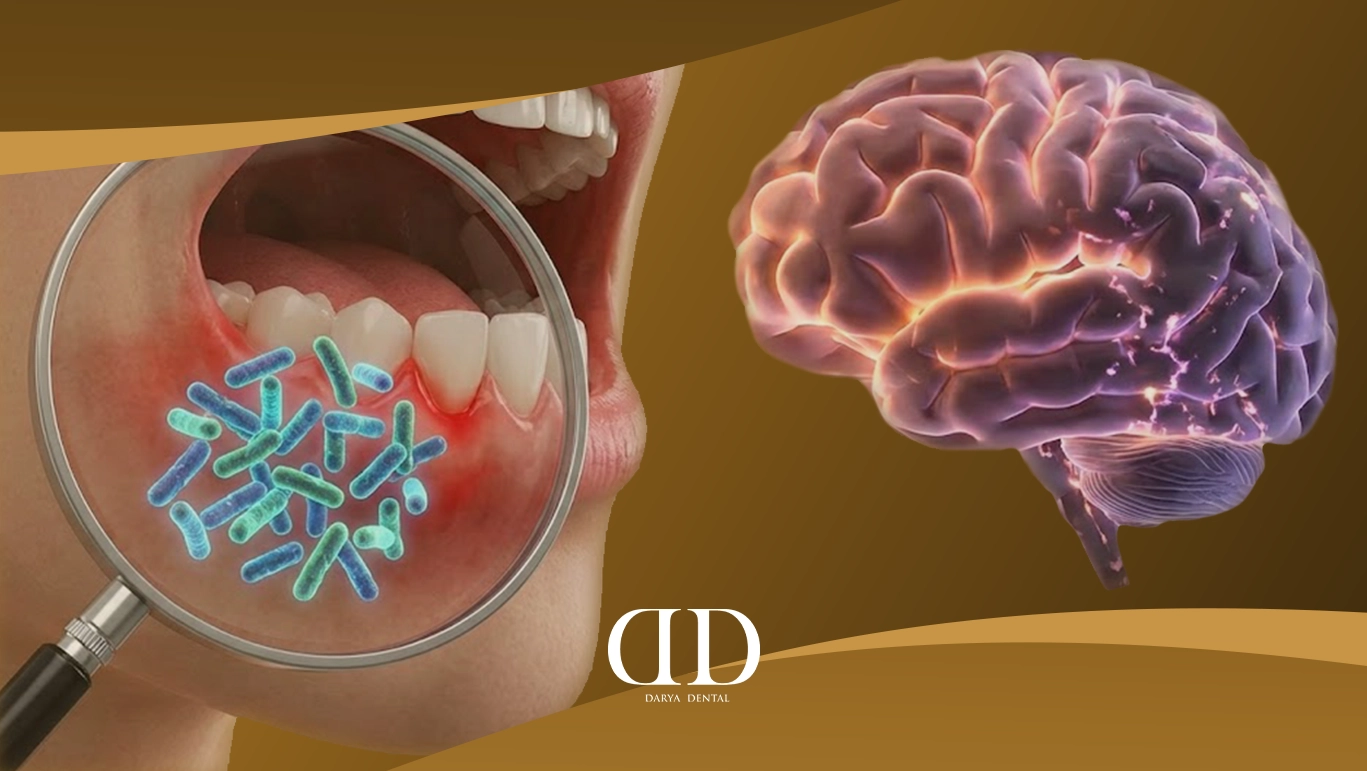

Here’s something that’ll make you reach for your toothbrush: the same bacteria wreaking havoc in your mouth might be quietly plotting against your brain. I know—it sounds like the plot of a low-budget sci-fi thriller. But recent research suggests that gum disease and Alzheimer’s might be more intimately connected than your morning coffee and that 10 a.m. energy crash.
You’ve probably heard the usual warnings about gum disease—bleeding gums, bad breath, maybe losing a tooth or two if you really neglect things. Standard stuff. But what if I told you that the consequences might extend far beyond your smile? What if those inflamed gums could be a gateway for bacteria to reach your brain?
Yeah, I had the same reaction. Let me explain what scientists are discovering about this unsettling connection.
The Villain with an Impossible Name: Porphyromonas Gingivalis
Meet Porphyromonas gingivalis, or as I like to call it, the bacterium with a name that sounds like a Harry Potter spell gone wrong. This microscopic troublemaker is the primary culprit behind chronic periodontal disease—that’s the fancy term for serious gum disease.
But here’s where things get interesting. Research published in Science Advances found something genuinely disturbing: P. gingivalis was discovered in the brains of deceased Alzheimer’s patients. Not in their mouths. In their brains.
Let that sink in for a moment.
This isn’t just correlation—scientists found the actual bacteria hanging out where it absolutely shouldn’t be. It’s like finding your neighbor’s cat not just in your yard, but somehow inside your locked safe.
What Makes P. Gingivalis So Dangerous?
This isn’t your garden-variety mouth bacteria. P. gingivalis produces toxic enzymes called gingipains (creative name, right?). These enzymes are essentially molecular scissors that snip through proteins, including the ones that keep your gums healthy. But their ambitions apparently extend beyond oral destruction.
Studies have shown these gingipains can:
- Break down proteins in brain tissue
- Trigger inflammation in neural pathways
- Potentially contribute to the formation of amyloid plaques (those gunky protein clumps found in Alzheimer’s brains)
- Cross the blood-brain barrier—that’s supposed to be your brain’s bouncer, keeping the riffraff out
Does Gum Disease Cause Dementia? Let’s Get Scientific
So, does gum disease cause dementia? The honest answer is: we’re not entirely sure yet, but the evidence is mounting in a way that’s hard to ignore.
Think of it less like a smoking gun and more like a really compelling detective novel where all the clues are pointing in the same direction. Recent research has established several fascinating connections between periodontal disease and dementia:
The Evidence Stack:
- Bacterial Presence: Scientists consistently find oral bacteria in the brains of Alzheimer’s patients
- Inflammatory Response: Chronic gum inflammation appears to trigger systemic inflammation that reaches the brain
- Animal Studies: Mice infected with P. gingivalis developed Alzheimer’s-like symptoms and brain changes
- Population Studies: Large-scale research shows people with gum disease have higher rates of cognitive decline
But here’s the nuance—and it’s important. Having gum disease doesn’t guarantee you’ll develop dementia. Rather, it appears to be a significant risk factor, possibly one of many dominoes that can start falling toward cognitive decline.
Can Gum Disease Cause Alzheimer’s? The Mechanism Explained
When people ask, “can gum disease cause Alzheimer’s?” they’re really asking about mechanism—the how behind the connection. And this is where the research gets genuinely fascinating.
The Journey from Mouth to Mind
Here’s what scientists believe might be happening:
Stage 1: The Breach
Chronic gum disease creates persistent inflammation and breaks down the barriers in your mouth. Studies indicate that bacteria can enter your bloodstream through damaged gum tissue during everyday activities—brushing your teeth, chewing food, even just existing with inflamed gums.
Stage 2: The Migration
Once in your bloodstream, these bacteria can potentially travel to your brain. Some research suggests they might even travel through nerve pathways, like tiny bacterial hitchhikers taking the scenic route.
Stage 3: The Invasion
Recent findings show that P. gingivalis and its toxic enzymes can cross the blood-brain barrier. Once inside, they may trigger a cascade of problems: inflammation, protein misfolding, and damage to neurons.
Stage 4: The Damage
The brain’s immune response to these invaders might contribute to the formation of amyloid-beta plaques—one of the hallmark features of Alzheimer’s disease. It’s like your brain is trying to wall off the invaders, but in doing so, creates the very plaques associated with memory loss and cognitive decline.
| Pathway | Mechanism | Impact on Brain |
| Bloodstream | Bacteria enter through damaged gums | Systemic inflammation reaches brain tissue |
| Nerve Routes | Direct travel via cranial nerves | Local bacterial presence in neural tissue |
| Immune Response | Brain’s inflammatory reaction | Chronic neuroinflammation, cell damage |
| Enzyme Action | Gingipains damage proteins | Disruption of tau proteins, amyloid formation |
Gum Disease Linked to Alzheimer’s: What the Latest Research Shows
The connection between gum disease linked to Alzheimer’s isn’t just theoretical anymore. We’re talking about some seriously robust research from multiple institutions, all pointing in the same unsettling direction.
One particularly compelling study published in 2019 examined brain tissue from deceased Alzheimer’s patients and found P. gingivalis in over 90% of the samples. Ninety percent! That’s not a coincidence—that’s a pattern demanding attention.
But here’s what really caught my attention: researchers found these toxic bacterial enzymes (gingipains) even in people with early brain changes linked to Alzheimer’s—people who hadn’t yet shown symptoms. This suggests the infection might be causing damage years, possibly decades, before any memory problems appear.
The Experimental Treatment
This discovery led to the development of an experimental drug called COR388 by Cortexyme. In animal models, this drug was able to:
- Reduce bacterial load in the brain
- Decrease amyloid-beta formation
- Improve cognitive function
Now, I’m not saying this is a magic bullet—it’s still in trials, and translating animal studies to humans is notoriously tricky. But it’s a promising start that suggests the connection isn’t just observational.
The Broader Picture: Periodontal Disease and Dementia
When we zoom out to look at periodontal disease and dementia more generally, the picture becomes even more complex. Alzheimer’s is just one form of dementia, and the research suggests oral health might play a role in cognitive decline broadly.
A large-scale study following thousands of participants over decades found that people with periodontal disease had a 1.7 times higher risk of developing dementia compared to those with healthy gums. That’s a 70% increase in risk—significant enough to make any dentist’s argument for regular cleanings suddenly sound a lot more urgent.
Why Your Oral Bacteria Matter
Let’s talk about oral bacteria for a moment. Your mouth is home to over 700 species of bacteria. Most are harmless, many are actually beneficial. But when the balance shifts—usually due to poor oral hygiene—the troublemakers multiply.
Here’s the thing about oral bacteria that most people don’t realize: your mouth is incredibly vascular. Blood vessels everywhere. It’s basically a highway system with easy on-ramps to the rest of your body. Every time your gums bleed (and if you have gum disease, they’re bleeding more often than you think), you’re potentially giving bacteria a free ride into your bloodstream.
Gingivitis to Dementia: Understanding the Progression
The progression from gingivitis to dementia isn’t immediate or inevitable, but understanding the stages helps illustrate why early intervention matters:
Stage 1: Gingivitis (Reversible)
- Gums become inflamed and bleed easily
- Bacterial populations shift toward more harmful species
- P. gingivalis begins colonizing
Stage 2: Early Periodontitis
- Gums pull away from teeth, creating pockets
- Bacteria have deeper access to blood vessels
- Chronic low-grade bacteremia (bacteria in bloodstream) begins
Stage 3: Advanced Periodontitis
- Significant tissue and bone loss
- Regular bacterial entry into bloodstream
- Increased systemic inflammation markers
Stage 4: Potential Neurological Impact
- Years of bacterial exposure and inflammation
- Possible bacterial presence in brain tissue
- Accumulated damage contributing to cognitive decline risk
The timeline? We’re talking years to decades between stages one and four. This is why the connection was so hard to spot initially—the cause (gum disease) and the effect (cognitive decline) are separated by such vast stretches of time.
Flossing and Dementia: Your Daily Defense
I’ll admit, the phrase “flossing and dementia” sounds like the world’s most desperate attempt to get people to floss. But bear with me, because this connection is actually grounded in solid logic.
If gum disease increases dementia risk, and flossing prevents gum disease, then yes—flossing might actually be a form of dementia prevention. It sounds almost too simple, but sometimes the most effective interventions are.
Think about it: you spend maybe three minutes a day (if you’re thorough) on oral hygiene. That’s less time than you spend waiting for your coffee to brew. Yet those three minutes might be doing more for your brain health than you ever imagined.
Oral Hygiene and Dementia: The Prevention Protocol
So what does effective oral hygiene and dementia prevention look like? Here’s the practical breakdown:
The Non-Negotiables:
- Brush twice daily with a soft-bristled brush (electric is even better)
- Floss daily—no exceptions, no excuses
- Use an antimicrobial mouthwash to reduce bacterial load
- See your dentist every six months, or more frequently if you have gum disease
The Level-Up Strategies:
- Consider a water flosser for hard-to-reach areas
- Don’t smoke (seriously, it’s like fertilizer for harmful oral bacteria)
- Manage systemic conditions like diabetes that worsen gum disease
- Eat a diet rich in anti-inflammatory foods
| Intervention | Impact on Gum Health | Potential Brain Benefit |
| Daily flossing | Removes bacteria between teeth | Reduces oral bacteria entering bloodstream |
| Professional cleanings | Removes calculus, reduces inflammation | Decreases chronic inflammatory burden |
| Antimicrobial rinse | Reduces harmful bacterial populations | Fewer bacteria available to migrate to brain |
| Smoking cessation | Improves tissue healing, immune response | Reduces oxidative stress throughout body |
What This Means for You (And Your Brain)
Here’s the bottom line: while we can’t definitively say that gum disease causes Alzheimer’s, we can say the evidence for a connection is substantial and growing. The research suggests that oral health is a modifiable risk factor for cognitive decline—and that’s actually good news, because it’s something you can control.
You can’t change your genetics. You can’t reverse aging. But you can take care of your gums.
Should You Be Worried?
If you’re reading this with healthy gums and good oral hygiene habits, keep doing what you’re doing. This research is just another reason to maintain those habits.
If you have gum disease or you’ve been neglecting your oral health? This is your wake-up call. Not to panic—panic doesn’t help anyone—but to take action. Schedule that dentist appointment you’ve been putting off. Start flossing. Actually floss, not just lie to your dentist about it.
The Future of Treatment and Prevention
The connection between gum disease linked to dementia is opening up entirely new avenues for Alzheimer’s prevention and treatment. Imagine a future where:
- Regular dental screenings include assessments for dementia risk
- Targeted antibiotics or enzyme inhibitors could prevent bacterial brain invasion
- Aggressive periodontal treatment becomes part of standard dementia prevention protocols
- Your dentist and neurologist actually talk to each other about your care
We’re not there yet, but the research is pushing us in that direction. Current studies are investigating whether treating gum disease in middle-aged adults could reduce their dementia risk decades later.
Your Action Plan: Protecting Your Brain Through Your Mouth
So what should you actually do with this information? Here’s your practical, non-overwhelming action plan:
This Week:
- Assess your current oral health honestly (bleeding gums = red flag)
- Buy quality dental hygiene tools if you don’t have them
- Schedule a dentist appointment if it’s been more than six months
This Month:
- Establish a consistent oral hygiene routine
- Research dentists specializing in periodontal health if you have gum disease
- Talk to your doctor about any concerning cognitive symptoms
Long-term:
- Maintain religious adherence to oral hygiene
- Keep up with professional dental care
- Stay informed about emerging research
- Consider your oral health as part of your overall health strategy
The Takeaway
The relationship between your mouth and your mind is more intimate than most of us ever imagined. While scientists continue working to understand exactly how gum disease and Alzheimer’s are connected, the message for now is clear: taking care of your gums isn’t just about keeping your teeth—it might be about keeping your memories, too.
Is this the only factor in Alzheimer’s disease? Absolutely not. The disease is complex, with genetic, environmental, and lifestyle components all playing roles. But oral health appears to be one piece of the puzzle, and unlike many risk factors, it’s one you can actually do something about.
So tonight, when you’re standing at the bathroom sink, maybe give that floss a second look. It might just be doing more for you than you think. And if someone catches you flossing with extra vigor, you can tell them you’re not just protecting your smile—you’re protecting your mind.
Because at the end of the day, your brain deserves the same care and attention you give to the rest of your body. Maybe more. And if that starts with something as simple as flossing? Well, I can’t think of an easier way to invest in your future self.