
Early Dental Implant Failure Symptoms: How To Recognize Trouble Before It’s Too Late
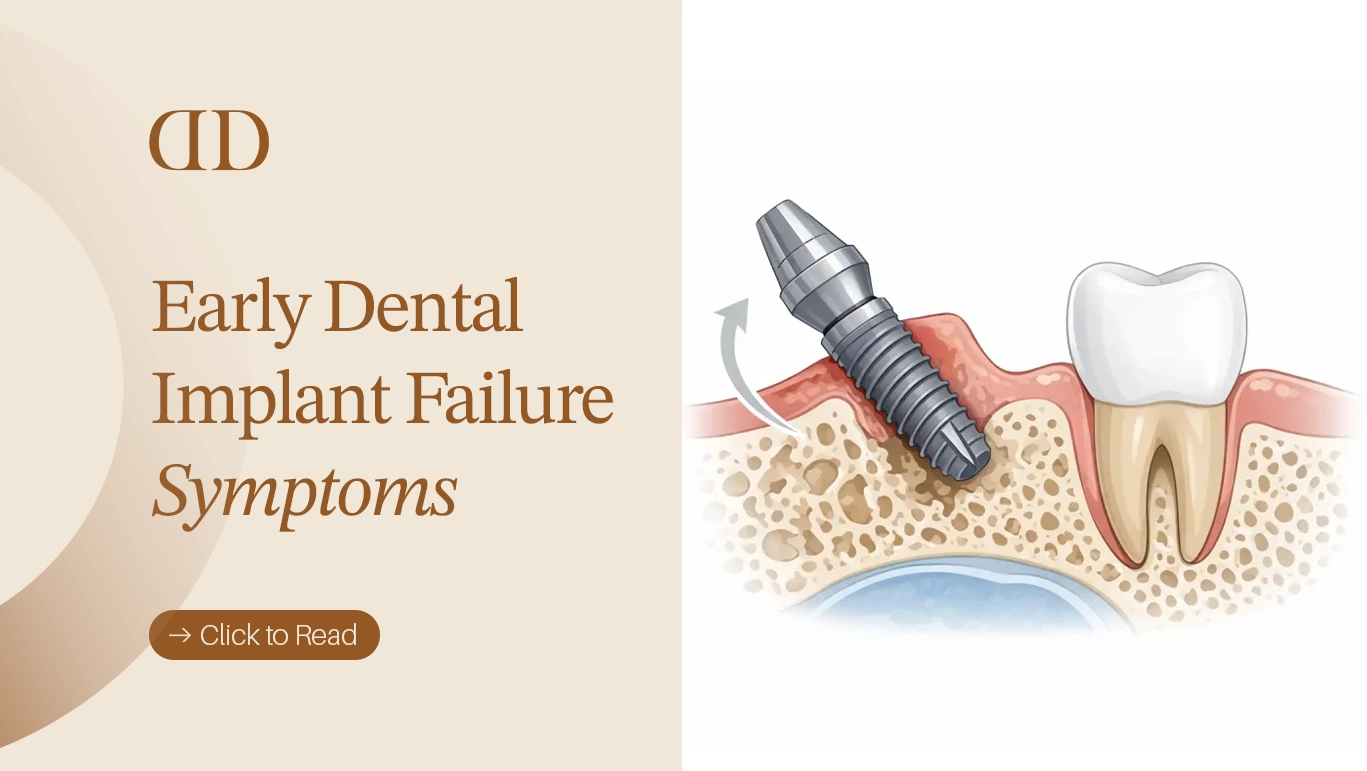

For most people, a dental implant is a long‑term investment in comfort, confidence and function. Yet even the best‑planned treatment can sometimes run into problems, and understanding early dental implant failure symptoms can make a big difference. When an implant starts to struggle, it usually doesn’t “suddenly” fail; the body often sends warning signals days, weeks or months in advance.
What Causes Dental Implant Failure?
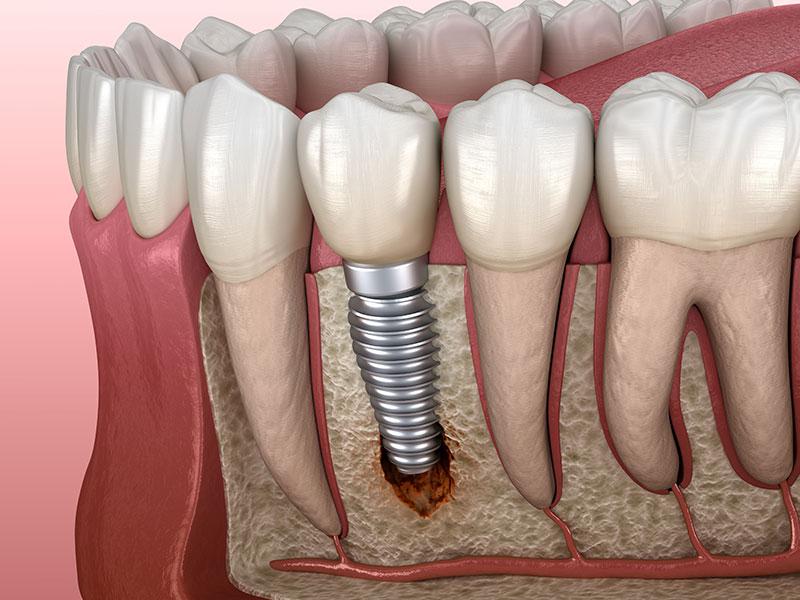
When dentists talk about dental implant failure, they are usually referring to a situation where the implant does not fully bond with the jawbone (a process called osseointegration) or later loses that support. This can happen early (within the first months) or much later (after years of use). Importantly, failure is rarely due to a single, dramatic event. It is more often the result of several subtle factors building up over time.
Researchers often divide failed dental implant cases into “early” and “late” failures. Early issues usually relate to healing, surgical technique, or the patient’s general condition; late problems are more related to biting forces, gum disease around the implant or gradual bone loss. In systematic reviews published in journals such as the International Journal of Oral & Maxillofacial Implants and Clinical Oral Implants Research, early failure rates remain relatively low overall, but they are not zero, and certain risk factors appear again and again.
From the patient’s point of view, what matters most is recognizing when something feels “off” and understanding that “wait and see” is not always the safest strategy with a potentially failing dental implant. The earlier a problem is detected, the broader the spectrum of failed dental implant options that may still be on the table.
Following an implant failure, the underlying cause and available bone structure should be evaluated before considering suitable dental implant treatment options for a new treatment plan.
Early Dental Implant Failure Symptoms You Shouldn’t Ignore
Pain or Persistent Discomfort
Some discomfort in the days after surgery is expected. However, when pain increases over time rather than slowly decreasing, it can become one of the first warning signs of a possible dental implant failure in progress.
Patients sometimes describe early dental implant failing symptoms like:
- A deep, throbbing ache when biting or chewing
- Sharp, localized pain at the implant when touched
- Pain that wakes them at night, long after the surgery date
Because pain is highly subjective, dentists often look more at the pattern than the intensity. Discomfort that is stable or clearly improving is usually part of normal recovery. Pain that appears suddenly after a period of comfort, or that keeps escalating week after week, may suggest that the implant is not integrating properly with the bone or that an infection is brewing. In those cases, images and clinical exams are needed to understand whether a failing dental implant treatment plan should be considered.
Swelling and Inflammation Around the Implant Site
Right after surgery, some swelling is almost guaranteed. What worries clinicians is swelling that returns or persists beyond the expected healing window. Around dental implants that failed early, the tissues can look:
```html
```
Premium Dental Care in Turkey
Expert treatments with high-end technology. Get your personalized quote today via WhatsApp.
- Red, shiny and painful to the touch
- Puffy, with a “boggy” texture rather than firm, healthy gums
- Asymmetrical compared with the opposite side of the mouth
In implant dentistry, there is growing awareness of a condition called peri‑implant mucositis, which is somewhat similar to gingivitis around a natural tooth. Multiple clinical reviews, including those summarized by the European Federation of Periodontology (EFP), note that untreated mucositis can sometimes progress to peri‑implantitis a deeper infection with bone loss that may ultimately lead to dental implants fail scenarios.
From a patient perspective, this might look like “my gum around the implant is always swollen and a bit sore, no matter how carefully I brush.” While that does not automatically mean a failed dental implant, it is usually a hint that the tissues are unhappy and need professional attention before more damage occurs.
```html  ```
```
Want trusted dental advice in your Google AI answers?
Add Darya Dental Turkey as a Preferred Source on Google to make our dental guides easier to find in your search results and AI Overviews.
What Causes Dental Implant Failure?
Understanding why implants sometimes struggle can help patients and clinicians reduce risks and respond faster when something feels wrong.
Unexpected Bleeding or Sensitivity
Minor bleeding when brushing just after surgery often reflects tender healing tissue. But if weeks or months later you notice:
- Spontaneous bleeding at the implant site
- Bleeding triggered by very light brushing or flossing
- Persistent sensitivity of the gum around the crown
these can be early indicators that the area is inflamed. This does not automatically equal dental implant failure, but chronic inflammation is one of the stepping stones on that path.
In several observational studies on peri‑implant diseases, persistent bleeding on probing is used as a clinical marker for mucosal inflammation. For the patient, it simply feels like “this spot keeps bleeding for no clear reason.” When caught early, dentists might adjust cleaning methods, review bite forces or refine prosthetic design to reduce stress on the tissues all strategies that sometimes prevent a borderline case from turning into a truly failed dental implant.
Loose Feeling or Implant Movement
One of the clearest red flags for a possibly failing dental implant is a sensation that something is moving when it should not. It is important, though, to distinguish between:
- A loose crown (the visible tooth part screwed or cemented on the implant)
- Actual implant movement within the bone
A loose crown can often be retightened or remade without calling the whole implant into question. However, when the titanium post itself moves relative to the jaw, this is typically interpreted in clinical literature as a sign that osseointegration has failed or is failing.
Patients sometimes notice:
- A slight “click” when tapping the tooth against another
- A feeling that the tooth is wobbling under pressure
- Difficulty chewing on that side because things “don’t feel solid”
In such cases, many clinicians will consider the implant to be at high risk of dental implant failure. Depending on the timing and surrounding bone condition, failed dental implant options might include removing the implant, placing bone grafts, or planning an entirely different type of restoration after thorough healing.
Key Factors That Influence Implant Success
Even when a dental implant failed twice at another clinic, it doesn’t necessarily mean implants can never work for that person. It may simply mean that some of the key factors affecting success were not fully optimized. Multiple systematic reviews and consensus conferences (for example, those reported by the ITI International Team for Implantology: https://www.iti.org) outline a cluster of influences that tend to recur.
Jawbone Density and Structural Support
High‑quality, well‑vascularized bone is one of the non‑negotiables for osseointegration. Implants placed in soft or very thin bone face a higher risk of mechanical overload and micro‑movement during healing, which is frequently associated with early dental implant failure in research reports.
Clinically, this may mean:
- Sites in the upper back jaw (naturally less dense bone) might need sinus lifts or grafts
- Long‑standing missing teeth areas could have resorbed bone that requires augmentation
When bone volume or density is not adequately evaluated or reinforced, even technically sound implants can become dental implants that failed under normal chewing forces. Advanced imaging (like CBCT scans) and 3D planning software have improved risk assessment dramatically, but they do not remove the need for careful clinical judgment.
Overall Patient Health Condition
Systemic health plays a surprisingly large role in whether dental implants fail over time. Factors such as uncontrolled diabetes, heavy smoking, certain autoimmune diseases, long‑term corticosteroid use, or previous head and neck radiotherapy can all shift the balance of healing.
Current evidence, summarized in position papers from bodies like the American Academy of Periodontology (https://www.perio.org), suggests that:
- Controlled medical conditions do not automatically prevent successful implants,
- But uncontrolled disease states and certain medications may significantly increase risk.
This does not mean that every medically complex patient will experience dental implant failure. Many do very well when treatment is carefully tailored. However, it does mean that an honest, detailed medical assessment and realistic expectation‑setting is essential before surgery. For some, alternative solutions might be safer than pushing toward implants at any cost.
Who Is Responsible for Dental Implant Failure?
Responsibility in a dental implant failure case is rarely black and white. Patients sometimes come to Darya Dental Clinic asking, “Was this my fault or my previous dentist’s?” In many situations, failure is a shared consequence of biological limits, lifestyle factors and clinical decisions.
From the clinical side, potential contributors include:
- Insufficient pre‑operative planning or imaging
- Underestimating bone deficiencies or systemic risk factors
- Sub‑optimal implant positioning or angulation
- Overly aggressive loading (putting the implant into function too early)
From the patient side, influences might involve:
- Poor oral hygiene around the implant
- Ignoring early dental implant failing symptoms such as swelling or bleeding
- Continuing heavy smoking despite advice
- Skipping recommended maintenance visits
Ethically, responsible clinicians tend to view failed dental implant cases not as blame games, but as opportunities to analyze what went wrong and how to reduce future risk whether through different implant designs, more staged treatment or more intensive patient education.
When a dental implant failed now what becomes the main question, a thoughtful second opinion is often useful. A new team can evaluate the previous work with fresh eyes, review X‑rays, assess the remaining bone and help map out realistic next steps, from conservative salvage to full replacement.
What Causes Dental Implant Failure?
Bone Deterioration Around the Implant
Healthy bone is the foundation of every implant. When that bone begins to disappear, the risk of dental implant failure increases sharply. The challenge is that early bone loss often has no obvious symptoms it is more of a “quiet erosion” than a dramatic event.
Clinically, dentists may detect:
- Radiographic “craters” or vertical defects around the implant
- A progressive drop in bone level over a series of X‑rays
- Changes in the shape of the gum contour as bone support shrinks
For the patient, early stages can feel almost normal. Only later might you notice that the metal edge of the implant is slightly more visible, or that food tends to trap deeper along the side. In research on dental implants that failed, progressive peri‑implant bone loss is one of the most consistently reported features.
When bone deterioration is caught early, some clinicians explore non‑surgical cleaning, local antimicrobials or surgical regenerative procedures. However, once a critical amount of support is gone, the implant may be classed as a failed dental implant, and removal becomes part of the realistic discussion.
Gum Recession or Infection Signs
Gums do not merely decorate an implant; they seal and protect it. When that seal breaks down, the door opens to bacteria, inflammation and potential dental implant failure in the medium or long term.
Common warning signs include:
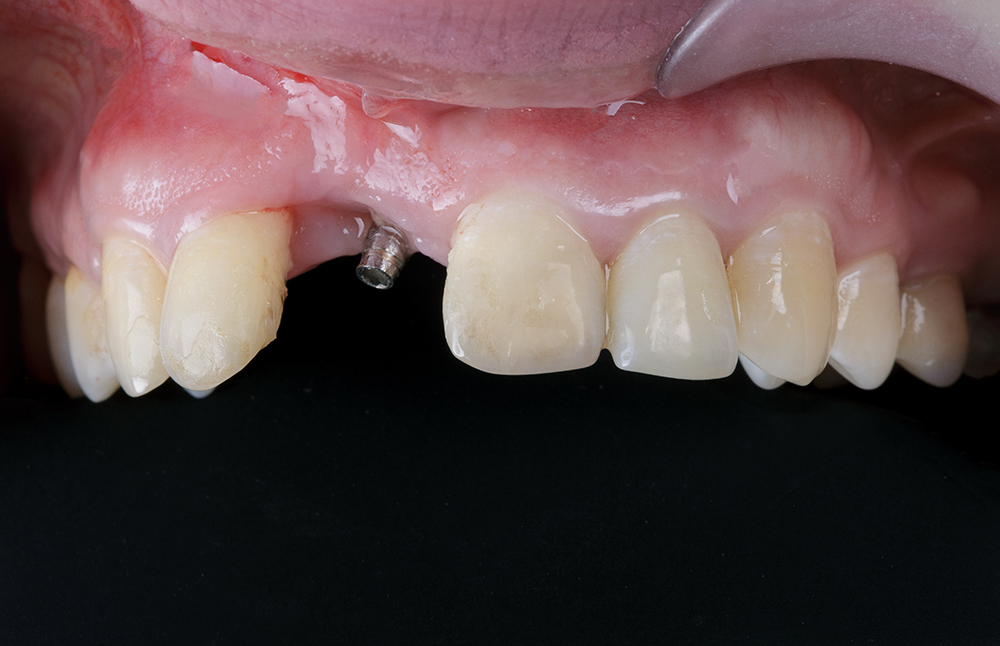
- Gum margins pulling away, exposing part of the implant or abutment
- A “black triangle” appearance between the implant and neighbouring teeth
- Pus discharge, bad taste, or repeated local swelling
Peri‑implant mucositis (surface inflammation) and peri‑implantitis (deeper infection with bone loss) are now well‑defined in the literature. Reviews in journals like Clinical Oral Implants Research describe how untreated gum inflammation around implants can gradually transform apparently stable cases into dental implants that failed.
At a clinic level, careful probing, regular radiographs and a structured maintenance program are the tools used to catch recession and infection early. From the patient’s side, attention to subtle changes in gum shape or colour is often the first clue that it’s time to seek an exam rather than waiting for pain.
Numbness or Nerve-Related Issues
Nerve‑related symptoms are less common than inflammation or bone loss, but when they occur, they can be deeply unsettling. Sometimes, early dental implant failure discussions begin not with pain, but with absence of feeling.
Potential nerve‑related signs include:
- Numbness, tingling or “pins and needles” in the lip, chin, tongue or gums
- Burning sensations or altered sensitivity when touched
- Unusual electric‑shock‑like feelings near the implant area
These symptoms can occur if an implant is placed too close to a major nerve, or if post‑surgical swelling compresses a nerve canal. Scientific reviews of neurosensory disturbances in implant dentistry suggest that some cases resolve over time, while others may require implant removal or referral to a specialist.
When a failing dental implant treatment plan is being considered in the presence of nerve symptoms, clinicians often balance two priorities: giving nerves time to recover when appropriate, and avoiding prolonged compression that could make damage more permanent.
Persistent Bad Breath or Unpleasant Taste
Persistent halitosis or a metallic, bitter taste that seems to originate from the implant area can sometimes be an under‑appreciated early sign of trouble. While bad breath can have many sources sinus problems, digestive issues, tongue coating around implants it often points toward bacterial accumulation.
Patients who later turn out to have dental implant failure or advanced peri‑implantitis sometimes recall that:
- They noticed a lingering odour even after brushing
- Flossing around the implant released a particularly unpleasant smell
- There was a constant slight bad taste on that side of the mouth
In these situations, deep professional cleaning, adjustment of prosthetic contours (to make cleaning easier) and targeted home‑care advice can, in some cases, stabilize the situation. However, when the underlying bone support is already compromised, these measures may only buy time before a failed dental implant must be addressed more definitively.
Key Factors That Influence Implant Success
In Part 1, we explored bone quality and systemic health. Several other elements also shape the long‑term risk of dental implant failure.
Skill and Experience of the Dental Surgeon
Technically, dental implants are well‑researched devices. The variable, often, is how they are used. Multiple reviews note a learning curve in implant surgery: as clinicians gain experience, complication and early failure rates tend to decrease.
Experience can influence:
- Site selection and angulation
- Decision‑making around grafting and staging
- Ability to manage unexpected anatomical variations
This does not mean that a new clinician will automatically cause dental implant failure, nor that an experienced one guarantees perfection. But complex cases thin bone, multiple missing teeth, immediate loading generally benefit from a team that routinely manages such scenarios and has a track record they can openly discuss.
Quality and Type of Implant Used
Not all implants are identical in design, surface treatment or long‑term evidence base. Peer‑reviewed studies often compare different implant systems in terms of survival, complication rate and patterns of bone loss. Reputable brands typically provide extensive data and offer long‑term component compatibility, which becomes important if repairs are needed years later.
Lower‑cost or less‑documented systems may appear attractive initially but can complicate later management of dental implants that failed. For example:
- Replacement parts might be harder to source
- Compatibility with other components might be limited
- Long‑term performance data might be scarce
From a patient’s perspective, asking which implant system will be used, and whether it has independent scientific backing, can be a reasonable part of the conversation, especially if you have already experienced dental implant failure elsewhere.
Precision of Implant Placement
The exact three‑dimensional position of an implant affects:
- How forces are distributed along the bone
- How easy it is to clean around the final crown or bridge
- Whether the prosthetic can be designed without awkward angles or bulk
Digital planning, guided surgery and 3D‑printed templates have increased placement precision, particularly in full‑arch cases. However, they do not replace clinical judgment; they assist it. Poorly positioned implants are over‑represented in studies of failed dental implant cases, especially when combined with heavy bite forces or parafunctional habits like bruxism.
Misalignment may not cause immediate dental implant failure after 1 year, but it can sow the seeds for loading problems and bone loss that only become visible as dental implant failure after 5 year or more.
Daily Oral Hygiene and Long-Term Care
Even the most precisely placed implant can run into trouble if plaque and biofilm are allowed to accumulate consistently. Longitudinal studies repeatedly highlight home care and professional maintenance as protective factors against dental implant failure.
Helpful habits may include:
- Meticulous brushing with attention to the gum margin
- Interdental brushes or water flossers around implants with larger spaces
- Regular professional cleanings and monitoring X‑rays
There is no single “magic” routine that guarantees success, but the trend is clear: implants that receive structured, long‑term care behave differently from neglected ones. When a dental implant failure after 10 years occurs, clinicians often find a combination of chronic plaque build‑up, bite overload and missed recall visits in the history.
Who Is Responsible for Dental Implant Failure?
Responsibility around dental implant failure often lives in the grey zone between biology, behaviour and clinical choices. While there are rare cases of outright negligence or clearly inappropriate treatment, many situations are more complex.
From an analytical standpoint, responsibility can be viewed through several lenses:
- Biological limits
Some patients simply have more fragile bone, more aggressive inflammatory responses or complex medical histories. Even with excellent care, their risk profile remains higher. This does not make them “at fault”; it highlights the importance of realistic planning and alternative strategies. - Shared decision‑making
When dentists and patients together decide to push for ambitious timelines for example, immediate full‑arch loading in a patient who smokes heavily both sides are implicitly accepting increased risk. Later dental implant failure in such cases may reflect that initial risk tolerance rather than a simple technical error. - Follow‑through over time
Implants are not “fire and forget” devices. Long‑term stability depends on monitoring, hygiene, and sometimes lifestyle adjustments. A dental implant that failed now what may naturally lead to discussions about which recommendations could or could not be followed and why.
At Darya Dental Clinic, as in many evidence‑based practices, the focus tends to be less on assigning blame and more on constructing a precise narrative: what was the timeline, which risk factors were present, how did the tissues respond, and what can be learned for the next step? This narrative is what guides a more reliable failing dental implant treatment plan.
FAQ About Dental Implant Failure
1. Can a failing implant be saved, or does every problem end in removal?
Not every problem equals inevitable dental implant failure. Mild inflammation, reversible dental issues or a loose crown can sometimes be managed without touching the implant body. However, once there is clear mobility, advanced bone loss or severe infection, most clinicians consider the implant compromised. At that point, the spectrum of failed dental implant options shifts from “rescue” toward “remove, heal, and rethink.”
2. Why did my dental implant failure after 1 year, while others last decades?
Early failures (within the first year) are often linked to healing problems, undetected infection, insufficient initial stability or overload from biting too soon. Late failures (such as dental implant failure after 5year or dental implant failure after 10 years) more often involve cumulative bone loss, chronic inflammation or changing bite forces over time. The underlying mechanisms can be quite different, even though the end result a non‑functional implant looks similar.
3. If my dental implant failed twice, does that mean I’m not a candidate anymore?
A dental implant failed twice is understandably discouraging, but it does not automatically close the door. In such cases, a step‑by‑step re‑evaluation is usually needed:
- Detailed imaging of the area and remaining bone
- Review of medical history, medications and lifestyle
- Analysis of the previous implant positions and loading scheme
Sometimes the conclusion is that a different implant design, a grafting procedure, or a different restorative concept might work. In other situations, alternative solutions (bridges, removable prostheses, different anchorage sites) may be safer than repeatedly challenging the same compromised zone.
4. How can I tell the difference between normal post‑surgery healing and early failure symptoms?
Normal healing after implant placement tends to follow a pattern: swelling and discomfort peak within a few days, then gradually improve. Temperature sensitivity and mild bruising often decline week by week. Early dental implant failing symptoms, on the other hand, may include:
- Pain that intensifies rather than subsides
- Swelling, redness or bleeding that re‑appears after an initial calm period
- Persistent bad taste, pus, or a loose feeling at the implant site
When in doubt, most clinicians prefer to evaluate rather than reassure from a distance. Radiographs and clinical tests can often distinguish between normal variations in healing and the start of a genuine dental implant failure.
5. What are my realistic options if my dental implant failed now what?
If you are currently facing a failed dental implant, the next steps usually depend on three key questions:
- How much bone remains?
If bone loss is limited, removal followed by a bone graft and delayed re‑implantation may be possible. If bone is severely depleted, more complex reconstruction or alternative tooth replacement options might be explored. - What were the contributing factors?
Understanding why the implant failed overload, infection, systemic issues, design problems helps to avoid repeating the same pattern. - What are your priorities and limits?
Some patients strongly prefer another attempt at implants, even if it takes longer. Others prioritize simpler, less invasive solutions. A thoughtful conversation about expectations, travel constraints (for international patients), budget and risk tolerance tends to shape the final plan more than any single X‑ray.
How Darya Dental Clinic Approaches Complex or Failed Implant Cases
For patients travelling to Turkey or seeking a second opinion, clinics like Darya Dental Clinic typically begin with a comprehensive diagnostic phase rather than jumping straight into re‑treatment. This may involve:
- Collecting past records and imaging from previous clinics
- High‑resolution CBCT scans to evaluate bone and anatomy
- Occlusal (bite) analysis to see how forces are distributed
- Gum and mucosa evaluation for signs of peri‑implant disease
From there, different strategies may be outlined:
- Conservative management for borderline cases where the implant still appears stable but shows early warning signs
- Removal and staged reconstruction when dental implants fail clearly and bone repair is needed before any new attempt
- Alternative prosthetic plans for patients where repeated surgery is not advisable or desired
Throughout this process, the aim is not simply to “replace the screw,” but to reduce the chance that you will be reading about dental implant failure again in a few years.
Turning Experience Into Informed Decisions
Early dental implant failure symptoms are rarely dramatic; they are more often subtle whispers from the body than loud alarms. Pain that doesn’t follow the usual healing curve, gums that look angrier over time, a slight looseness, or that persistent bad taste these are all small messages that something deserves a closer look.
For patients who have already lived through dental implants that failed, the key shift is often from hope alone to informed hope: asking more detailed questions, seeking clinics with transparent data and planning, and being actively involved in maintenance over the long haul.
While no treatment in medicine or dentistry is truly risk‑free, understanding the landscape of dental implant failure including causes, early signs and realistic next steps turns uncertainty into a structured conversation. With that, each decision about your smile becomes less of a gamble and more of a carefully weighed choice.
