
How to Get Rid of Toothache?
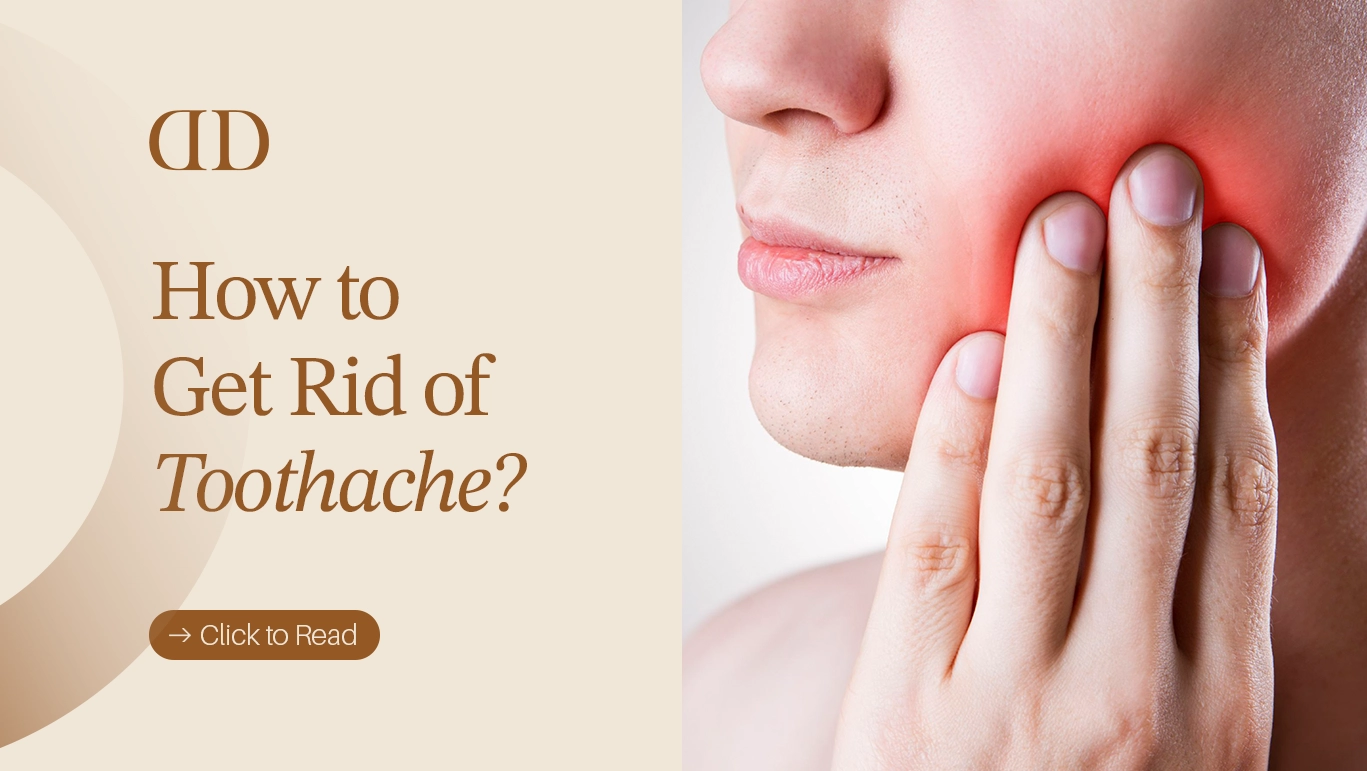

Toothache is one of those discomforts that instantly pulls your attention away from everything else. Whether it starts as a dull ache or suddenly turns into a sharp, throbbing sensation, a toothache can quietly disrupt daily life. Many people first notice it while eating, drinking, or even trying to sleep, which naturally leads to one big question: how to get rid of toothache without making things worse?
A toothache rarely appears without context. Sometimes it fades quickly; other times it lingers and raises concerns about underlying issues. Understanding why a toothache happens, how it feels, and how long it can last is often the first step toward feeling more in control of the situation.

How to Stop a Toothache
When people ask how to stop a toothache, they are often reacting to sudden discomfort rather than long-term pain. An aching toothache can feel rhythmic, sharp, or pressure-based, and each sensation may point to a different trigger. Sensitivity to hot or cold, pain while chewing, or spontaneous throbbing are frequently mentioned patterns in toothache discussions.
Many individuals search for toothache remedies because the pain seems unpredictable. Stress, sleep position, or even dehydration are sometimes linked anecdotally to worsening sensations. While some toothache relief approaches are discussed widely online, it is important to recognize that stopping a toothache temporarily does not always explain why it started in the first place.
From an analytical perspective, toothache causes are often layered. Surface-level irritation may coexist with deeper structural or nerve-related factors. This complexity is why a toothache can disappear during the day and return at night, or feel mild one moment and intense the next.
What to Do For a Toothache
Deciding what to do for a toothache often depends on how the pain behaves over time. A short-lived aching toothache may prompt curiosity, while persistent discomfort usually triggers concern. Observing patterns such as pain linked to eating, temperature, or posture can offer valuable clues.
Dental research summaries published by organizations like the National Institutes of Health emphasize that oral pain is rarely isolated. A toothache may interact with jaw tension, sinus cavities, or even headaches. This interconnected nature is why self-observation is often mentioned in discussions about toothache treatments.
Rather than focusing solely on stopping pain, many people shift toward understanding the broader context of their toothache. This mindset helps explain why searches for dentist for toothache increase once discomfort becomes recurrent or starts affecting daily routines.
How Do You Ease a Toothache
When people search for ways to ease a toothache, they are often looking for patterns rather than promises. Easing discomfort does not always mean eliminating the source; instead, it can involve understanding how sensations fluctuate throughout the day. A toothache may feel more intense at night due to reduced distractions or increased blood flow when lying down, which explains why many describe nighttime pain as harder to ignore.
```html
```
Premium Dental Care in Turkey
Expert treatments with high-end technology. Get your personalized quote today via WhatsApp.
An aching toothache can also change character over time. What begins as mild sensitivity may evolve into pressure-like discomfort or intermittent throbbing. Researchers frequently note that perception plays a role here: stress, fatigue, and anxiety can amplify how a toothache is experienced. This is why two people with similar dental conditions may describe completely different pain levels.
In discussions around toothache relief, easing pain is often associated with reducing irritation. Avoiding certain textures or temperatures, adjusting chewing habits, or simply paying attention to triggers may temporarily reduce discomfort. These observations do not solve toothache causes, but they help explain why easing a toothache is often a gradual and situational process rather than an instant result.
```html  ```
```
Want trusted dental advice in your Google AI answers?
Add Darya Dental Turkey as a Preferred Source on Google to make our dental guides easier to find in your search results and AI Overviews.

What Helps Toothache
What helps toothache is one of the broadest questions in oral health discussions. The answer varies because toothache causes vary widely. Some discomfort originates from surface sensitivity, while other cases involve deeper tissues or surrounding structures such as gums and sinuses. Understanding this variety helps explain why a single remedy for tooth pain toothache does not exist.
Many people explore toothache remedies by comparing experiences. Cultural habits, climate, and diet often shape what individuals believe helps toothache relief. Interestingly, surveys in dental publications show that people often combine multiple approaches rather than relying on one method alone, especially when dealing with a recurring toothache.
Below are common themes frequently mentioned when people discuss what helps toothache, without framing them as instructions or recommendations:
Commonly Discussed Factors Around Toothache Relief
- Awareness of temperature sensitivity and texture-related discomfort
- Observing whether pain appears during chewing or at rest
- Noting links between sinus pressure and upper toothache
- Recognizing stress-related jaw tension
These themes highlight that what helps toothache is often linked to understanding personal pain patterns rather than applying a universal solution.
Can a Toothache Cause a Headache
A frequent question is whether a toothache can cause a headache. Many people report that prolonged dental discomfort seems to radiate upward, creating tension around the temples or forehead. This connection is often explained through shared nerve pathways in the face and jaw.
An aching toothache may contribute to muscle tension as individuals unconsciously adjust their bite or jaw position. Over time, this tension can feel similar to a headache. Scientific discussions suggest that this overlap is one reason toothache treatments sometimes focus on broader oral and facial balance rather than a single tooth.
From an observational standpoint, headaches linked to toothache are usually described as dull and persistent rather than sharp. While this does not confirm cause and effect, it explains why people experiencing both often search for dentist for toothache when headaches become more frequent.
Can Sinuses Cause a Toothache
Yes, sinuses are frequently mentioned in conversations about toothache, particularly when pain affects the upper teeth. The roots of some upper teeth sit close to the sinus cavities, which can blur the line between dental and sinus discomfort. This is why sinus-related pressure is often mistaken for an aching toothache.
People experiencing seasonal allergies or sinus congestion sometimes notice toothache relief once sinus pressure decreases. Academic discussions referenced by organizations such as Cleveland Clinic describe this overlap as referred pain, where discomfort is felt in an area different from its origin.
Understanding this relationship helps explain why some toothache episodes feel widespread rather than localized. It also clarifies why toothache causes are not always limited to the tooth itself.
How Long Can a Toothache Last
How long a toothache lasts depends largely on its underlying pattern. Some toothaches appear briefly and fade without recurrence, while others persist intermittently over weeks or months. Duration alone does not define severity, but it often influences how concerned people feel.
An aching toothache that lasts longer than expected tends to raise questions about toothache treatments and professional evaluation. People often describe pain cycles periods of calm followed by flare-ups which can make it difficult to determine whether the issue is resolving or repeating.
From an analytical viewpoint, duration is one of the most useful clues when examining toothache behavior. Short-lived discomfort may relate to temporary irritation, while longer-lasting pain encourages deeper investigation into possible toothache causes.
Understanding Toothache As A Signal, Not Just Pain
A toothache is rarely just an isolated sensation. It is often the body’s way of drawing attention to subtle changes in oral balance, sensitivity, or surrounding structures. Throughout this article, we explored how a toothache can present itself in many forms from a mild aching toothache to discomfort linked with sinuses or headaches. These variations explain why people experience toothache relief differently and why curiosity around toothache causes continues to grow.
Rather than viewing a toothache as a single problem with a single answer, it is more useful to see it as a pattern of signals. Duration, intensity, and triggers all contribute to how people interpret toothache treatments and remedies. This broader perspective helps explain why searches for home remedies for toothache coexist with questions about dentist for toothache options. Both reflect a natural desire to understand what the pain might mean.
From a scientific and analytical standpoint, a toothache sits at the intersection of nerves, tissues, habits, and perception. That complexity is exactly why the topic remains relevant, researched, and widely discussed. By understanding how toothache behaves, readers can feel more informed and less overwhelmed when discomfort appears.
FAQ About Toothache
What Are The Most Common Toothache Causes?
Toothache causes often include sensitivity, gum irritation, pressure changes, or structural wear. In many cases, more than one factor contributes to the discomfort.
Is An Aching Toothache Always Serious?
An aching toothache is not always a sign of a serious issue, but persistence or increasing intensity often leads people to seek a dentist for toothache evaluation.
Do Toothache Remedies Work The Same For Everyone?
No. Toothache remedies are experienced differently depending on pain source, sensitivity level, and individual perception of discomfort.
Can A Toothache Come And Go?
Yes, many people report that a toothache fluctuates over time, sometimes disappearing for days before returning unexpectedly.
Why Does Toothache Feel Worse At Night?
Nighttime quiet, body position, and increased awareness often make a toothache feel more noticeable after dark.
