
When Can I Start Smoking After Tooth Extraction?
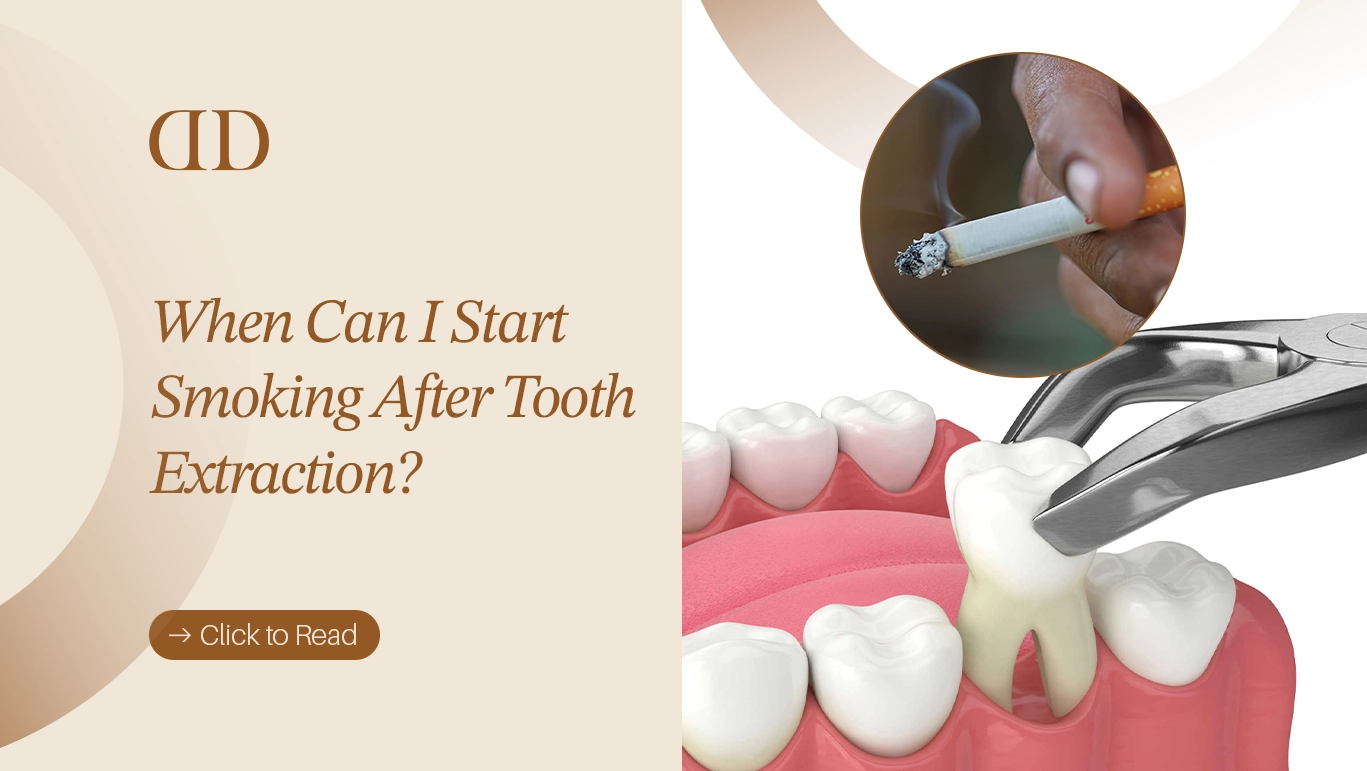

The recovery period following a dental procedure is often a test of patience, especially for those who rely on nicotine. If you have recently undergone a smoking after tooth extraction protocol, you are likely feeling the tug-of-war between the physical craving for a cigarette and the clinical advice to wait. The reality is that smoking after tooth extraction is one of the leading causes of post-operative complications. While the procedure itself whether it was a simple pull or a complex surgical intervention is designed to relieve pain or prepare for restorative work, the 72 hours following the appointment are critical. Failing to adhere to the recommended timeline for smoking after tooth extraction can turn a routine healing process into a painful, weeks-long ordeal.
At Darya Dental Clinic, we prioritize not just the procedure but the long-term success of the treatment. Understanding the biological mechanics of oral healing helps explain why clinicians are so adamant about the “no smoking” rule. When a tooth is removed, your body begins a sophisticated repair process that starts with the formation of a blood clot in the empty socket. This clot is the foundation of extracted tooth healing. If you engage in smoking after tooth extraction too early, the negative pressure from inhalation and the chemical toxins in the smoke can easily dislodge or dissolve this fragile clot, leading to a condition known as dry socket.
After the extraction site has healed, you can explore all dental treatments to review other options that may be considered based on your oral health needs.
Can I Smoke After Tooth Extraction?
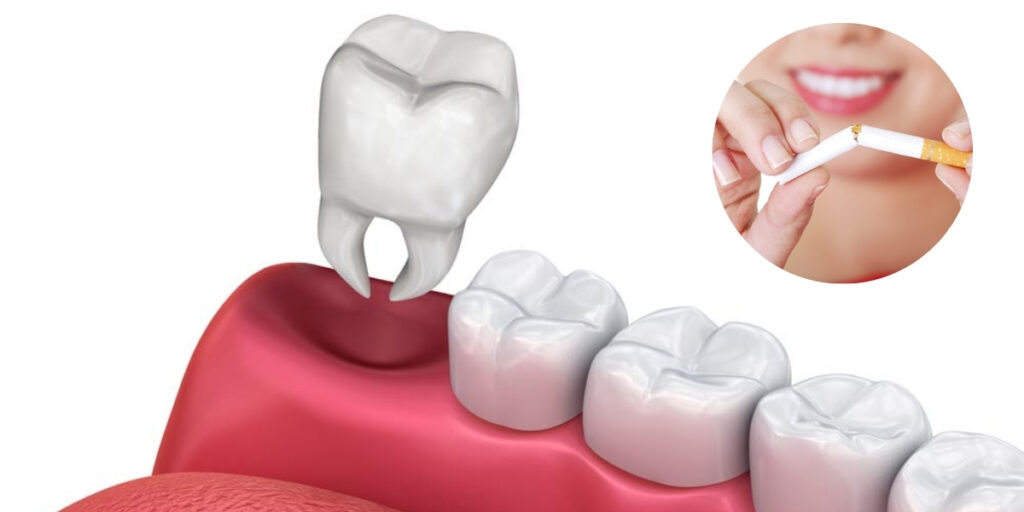
Technically, you can, but the clinical advice is a resounding “no.” If you are asking can i smoke after tooth extraction, the honest answer is that you should avoid it at all costs for the first few days. The act of smoking introduces two major threats to the surgical site: physical suction and chemical toxicity. When you inhale, the vacuum created in your mouth can physically pull the blood clot out of the socket. Without this clot, the underlying bone and nerves are exposed to the air, food particles, and bacteria, which is the literal definition of alveolar osteitis (dry socket).
Furthermore, the chemicals in tobacco specifically nicotine and carbon monoxide are notorious for restricting blood flow. For optimal tooth extraction healing, your gums need a rich supply of oxygenated blood to bring nutrients and immune cells to the wound. Nicotine causes vasoconstriction, meaning your blood vessels narrow, significantly slowing down the body’s ability to repair itself. When patients tell us “i smoked after tooth extraction and now it hurts,” it is usually because the reduced blood flow has stalled the healing process or allowed a minor infection to take hold.
The risks aren’t just limited to discomfort. Engaging in smoking after tooth extraction increases the likelihood of:
- Infection at the extraction site.
- Delayed healing, extending the time you have to stay on a soft-food diet.
- Increased swelling and inflammation.
- The total failure of the procedure, which might require additional surgery to fix.
When Can I Smoke After Tooth Extraction?
The gold standard in dental recovery is to wait at least 72 hours before lighting up. If you are wondering when can i smoke after tooth extraction, this three-day window is the absolute minimum required for the blood clot to stabilize and for the initial layers of granulation tissue to form. While some sources might suggest 48 hours, the third day is often when the risk of dry socket peaks. Pushing through that 72-hour mark significantly lowers your risk of complications and ensures a smoother tooth extraction healing journey.
If you have undergone smoking after wisdom teeth removal, the timeline might even be longer. Wisdom teeth are deeper in the jaw and often require more invasive surgical techniques, meaning the “wound” is larger and more susceptible to the negative effects of smoke. In these cases, many oral surgeons recommend waiting 5 to 7 days. According to research from the American Dental Association (ADA), tobacco use of any kind can significantly impair the body’s natural inflammatory response, which is crucial during the first week of recovery.
To help you visualize the timeline, consider this breakdown:
Premium Dental Care in Turkey
Expert treatments with high-end technology. Get your personalized quote today via WhatsApp.
- 0–24 Hours: High risk. The clot is extremely unstable. No smoking allowed.
- 24–48 Hours: Moderate risk. Suction can still easily dislodge the clot.
- 48–72 Hours: Declining risk, but nicotine still hinders blood flow to the gums.
- 72+ Hours: The clot is usually integrated, but caution is still advised.
How Long Does a Tooth Extraction Take to Do?
Many patients worry about the duration of the procedure itself, fearing a long, grueling session. In reality, a standard tooth extraction is a relatively quick process. For a simple extraction where the tooth is visible and easily grasped the actual “pulling” phase often takes less than 10 to 15 minutes. However, the entire appointment usually lasts about 45 minutes to an hour to account for the administration of local anesthesia, the numbing period, and the post-operative instructions.
When dealing with more complex cases, such as teeth extraction involving impacted wisdom teeth or teeth that have broken off at the gum line, the process is more detailed. These surgical extractions may involve:

Want trusted dental advice in your Google AI answers?
Add Darya Dental Turkey as a Preferred Source on Google to make our dental guides easier to find in your search results and AI Overviews.
- Making a small incision in the gum.
- Removing a small amount of bone to access the root.
- Sectioning the tooth into pieces for easier removal.
Regardless of how long the procedure takes, the biological response remains the same. Whether the tooth came out in two minutes or twenty, the priority is the extracted tooth healing that follows. A quick procedure does not mean you can rush back into smoking after tooth extraction. The trauma to the tissue is real, and the clock for recovery starts the moment the dentist places the first gauze pad over the site.
What to Eat After Tooth Extraction
While much of the focus is on smoking after tooth extraction, your diet plays an equally vital role in the speed of your recovery. For the first 24 to 48 hours, the goal is to minimize irritation to the surgical site and avoid any mechanical action that could dislodge the blood clot. Just as the suction from smoking after tooth extraction is dangerous, using a straw to drink liquids is strictly forbidden for the same reason.
The best approach is a “soft food” diet. You want nutrient-dense foods that require little to no chewing. Proper nutrition supports tooth extraction healing by providing the vitamins and minerals necessary for tissue repair.
| Food Category | Recommended Items | Foods to Avoid |
| Proteins | Greek yogurt, scrambled eggs, protein shakes (no straw). | Tough meats, jerky, or crusty bread. |
| Vegetables | Mashed potatoes, blended vegetable soups, mashed avocado. | Raw carrots, broccoli, or anything with small seeds. |
| Grains | Overcooked pasta, oatmeal, cream of wheat. | Popcorn, rice, or seeds that can get stuck in the socket. |
| Sweets | Applesauce, pudding, lukewarm smoothies. | Crunchy cookies, hard candies, or spicy treats. |
It is important to ensure your food is either cool or lukewarm. High temperatures can cause vasodilation, which might trigger bleeding at the site of the tooth extraction. As you progress through the first week of extracted tooth healing, you can slowly reintroduce semi-solid foods, but always listen to your body. If it hurts to chew, you aren’t ready yet.
Has Anyone Smoked After Tooth Extraction?
If you scour online forums or social media, you will inevitably find people saying, “i smoked after tooth extraction and I was totally fine.” While it is true that not every person who smokes immediately will develop a complication, relying on these anecdotes is a dangerous game of “dental roulette.”
When someone says i smoked after tooth extraction without issue, they are often the exception, not the rule. Clinical data shows that the incidence of dry socket is significantly higher among smokers than non-smokers. According to a study published by the National Institutes of Health (NIH), tobacco users have a nearly threefold increase in post-extraction complications compared to non-users.
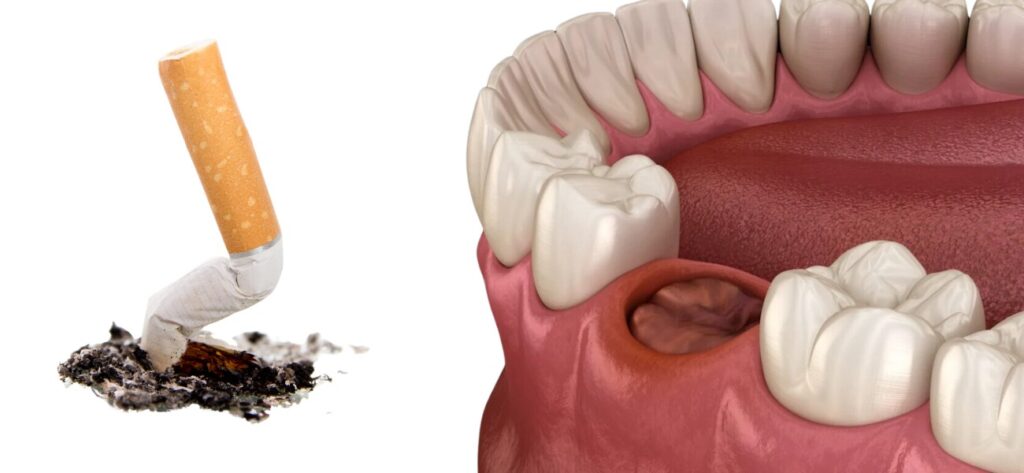
Those who have experienced dry socket after teeth extraction often describe it as a pain far worse than the original toothache. It is a radiating, throbbing agony that painkillers often fail to touch. So, while you might find a few lucky individuals online, the professional consensus remains: smoking after tooth extraction is a risk that simply isn’t worth the reward of a few minutes of nicotine relief.
How Long After Tooth Extraction Can I Smoke?
The most common question we hear is: how long after tooth extraction can i smoke? While we’ve established the 72-hour rule as the critical “danger zone,” the truth is that the longer you wait, the better. If you can push it to five or even seven days, your tooth extraction healing will be much further along, and the risk of catastrophic failure becomes negligible.
If you find it impossible to quit for 72 hours, here are a few professional tips to mitigate the risk of smoking after tooth extraction:
- Gauze Protection: Place a clean, damp piece of gauze over the extraction site while smoking to provide a physical barrier, though this is not a guarantee of safety.
- Avoid Deep Inhalation: Try to draw the smoke into your mouth very gently rather than using a powerful suction force.
- Nicotine Patches: Consider using a transdermal nicotine patch to manage cravings without the physical act of smoking or the introduction of hot smoke into the oral cavity.
- Rinse Gently: After smoking after tooth extraction, very gently rinse your mouth with a warm salt-water solution to clear out some of the chemical residue, but do not spit forcefully.
How Much is a Tooth Extraction?
Budgeting for dental care is a reality for most patients. When considering how much is a tooth extraction, the price can vary wildly depending on the complexity of the case and the geographical location of the clinic. At Darya Dental Clinic, we emphasize transparency in our pricing, ensuring patients understand exactly what they are paying for.
Factors that influence the cost of teeth extraction include:
- Type of Extraction: A “simple” extraction is the least expensive. If the tooth is impacted or requires surgical bone removal, the price increases.
- Anesthesia: Local anesthesia is usually included, but if you opt for IV sedation or general anesthesia (common for smoking after wisdom teeth removal cases), the costs will be higher.
- Location: Procedures in Western Europe or the US can be significantly more expensive than in world-class dental hubs like Turkey, where clinics like Darya Dental offer high-end care at a fraction of the cost.
On average, a simple tooth extraction can range from $75 to $200 per tooth in many regions, while surgical extractions can reach $300 to $600. In Turkey, these rates are often 50-70% lower, which is why many patients choose to travel for comprehensive dental work. However, regardless of the price, the “cost” of failing to follow post-op instructions like avoiding smoking after tooth extraction can lead to expensive emergency visits and additional treatments.
Frequently Asked Questions About Smoking After Tooth Extraction
Navigating the recovery period can be confusing, especially when balancing personal habits with clinical requirements. Below are the most frequent questions we receive at Darya Dental Clinic regarding the intersection of nicotine use and oral surgery.
1. Is Vaping or Using E-Cigarettes Safer Than Smoking?
Many patients mistakenly believe that vaping is a “safe” alternative to smoking after tooth extraction because it doesn’t involve tobacco combustion. However, the primary risk of smoking after tooth extraction is the physical act of suction. The “pull” required to inhale from a vape pen is often even more forceful than that of a traditional cigarette. This negative pressure is the leading cause of dry socket. Additionally, nicotine whether from a vape or a cigarette remains a vasoconstrictor that impairs tooth extraction healing. Therefore, vaping should also be avoided for at least 72 hours.
2. What are the Warning Signs of Dry Socket?
If you recently thought, “i smoked after tooth extraction and now I’m worried,” you should monitor your symptoms closely. The hallmark of dry socket is a dull, throbbing pain that begins 3 to 5 days after the tooth extraction. Other signs include:
- Visible bone in the socket (the dark blood clot is gone).
- Unpleasant taste or persistent bad breath.
- Pain that radiates toward your ear or temple. If you experience these, contact your dentist immediately, as extracted tooth healing has likely stalled.
3. Can I Use a Nicotine Patch Instead of Smoking?
Yes, using a nicotine patch is generally considered a much safer alternative to smoking after tooth extraction. While the nicotine will still cause some minor restriction in blood flow, you eliminate the dangerous suction and the heat of the smoke. This allows the blood clot to remain undisturbed. If you are a heavy smoker, we often recommend starting a patch program 24 hours before your teeth extraction to help manage cravings during the critical first few days of recovery.
4. How Can I Clean My Mouth if I Smoked?
If you have already engaged in smoking after tooth extraction, do not try to “scrub” the area. Forceful brushing or gargling can do more damage than the smoke itself. Instead, wait about 30 minutes after smoking and then very gently tilt your head from side to side with a warm saline solution. Let the water fall out of your mouth over the sink rather than spitting. This helps clear away some toxins without risking the integrity of the tooth extraction healing site.
5. Does Smoking After Wisdom Teeth Removal Carry Higher Risks?
Yes. Because wisdom teeth are located in the back of the mouth, the surgical sites are often larger and harder to keep clean. smoking after wisdom teeth removal creates a high-suction environment in the exact area where the pressure is most concentrated. Furthermore, the back of the mouth tends to have slightly less blood flow than the front, making the vasoconstrictive effects of nicotine even more detrimental to extracted tooth healing.
The journey toward a healthy smile often involves difficult choices, and the decision to delay smoking after tooth extraction is undoubtedly one of them. While the cravings can be intense, the biological reality of tooth extraction healing cannot be ignored. The 72-hour window is not a suggestion it is a clinical necessity designed to protect you from the debilitating pain of dry socket and the setbacks of post-operative infection.
