
How to Remove Tartar From Teeth?
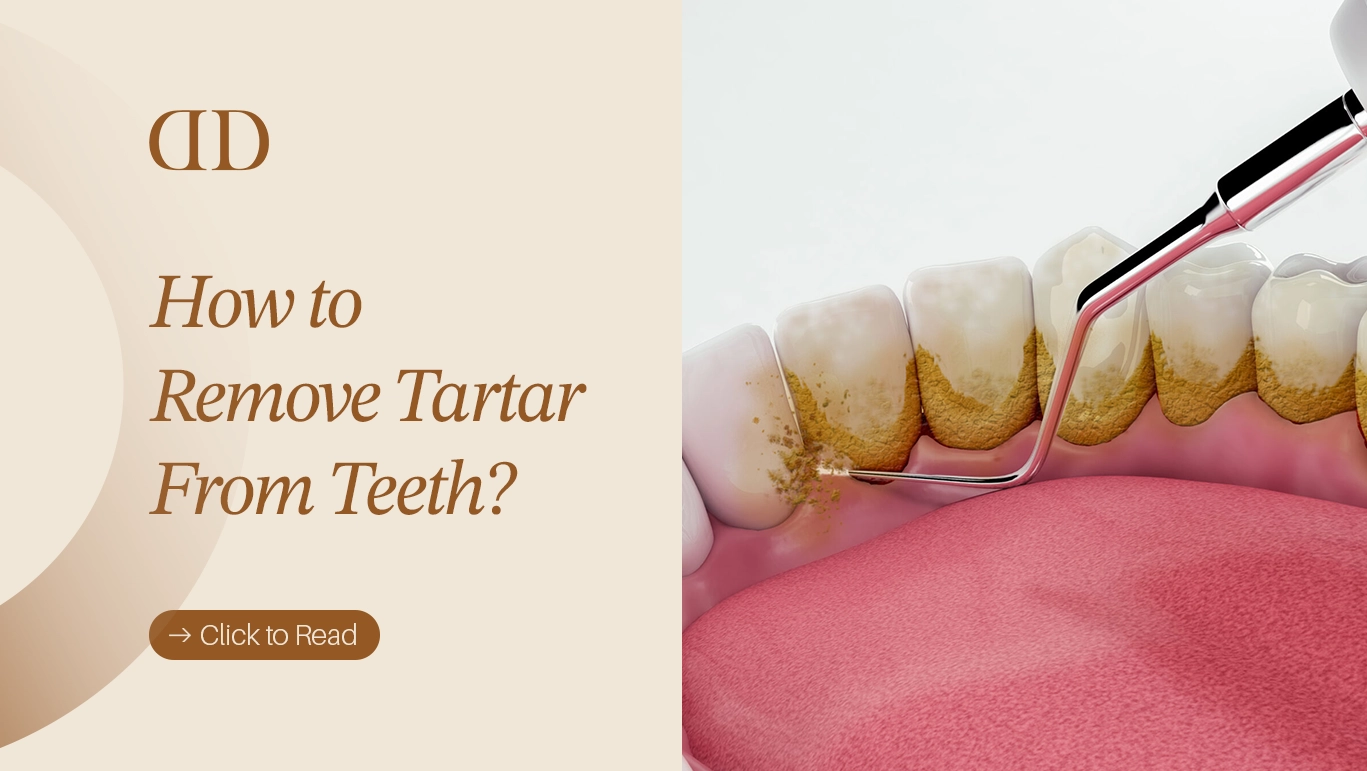

Maintaining a pristine smile involves more than just a quick brush every morning; it requires an understanding of the biological processes occurring in your mouth. When we talk about tartar, we are referring to a stubborn, calcified substance that poses a significant threat to your periodontal health. Unlike the soft, sticky film of bacteria known as plaque, tartar is a hardened deposit that forms a chemical bond with your tooth enamel. Once it takes hold, it acts as a reservoir for pathogenic bacteria, leading to inflammation, bad breath, and eventually, tooth loss if left unaddressed. Understanding how to manage and prevent this buildup is the first step toward a lifetime of dental wellness.
What Is Tartar on Teeth?
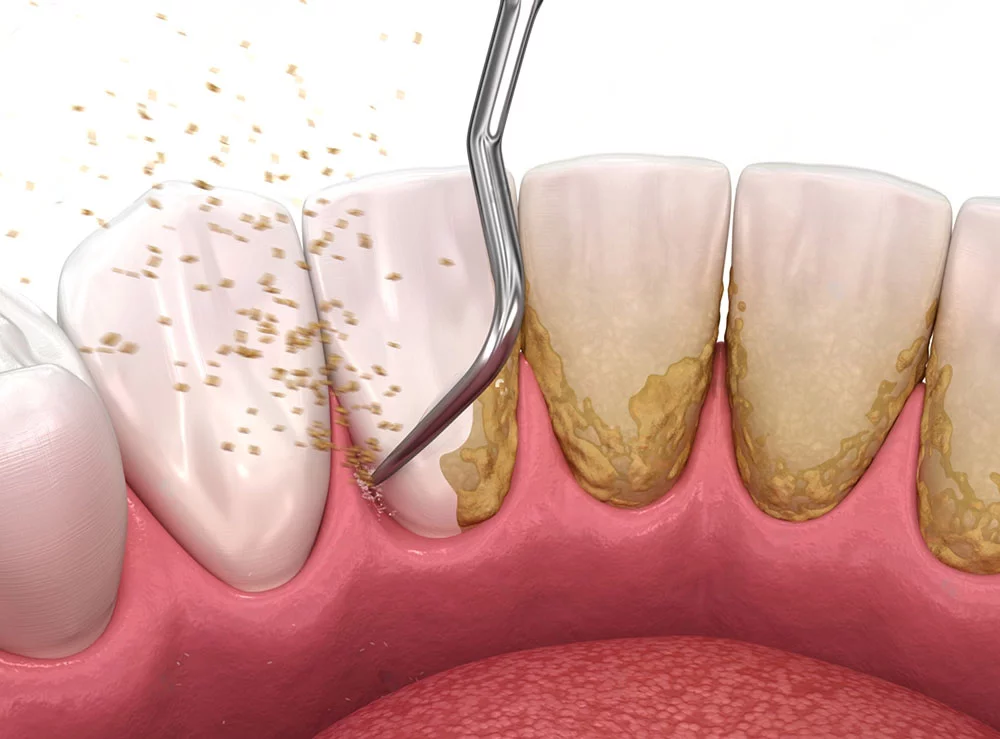
To understand tartar, we must first look at its precursor: dental plaque. Plaque is a colorless, sticky biofilm containing millions of bacteria that feed on the sugars and starches in your diet. When you eat, these bacteria produce acids that attack tooth enamel. If plaque isn’t removed through diligent brushing and flossing, it reacts with the minerals found in your saliva specifically calcium and phosphates.
This chemical reaction leads to mineralization, transforming the soft film into a rock-hard crust known clinically as dental calculus. Because tartar on teeth is porous, it provides a textured surface that allows even more plaque to adhere, creating a compounding cycle of buildup.
The Stages of Mineralization
The transition from plaque to tartar can happen surprisingly fast. For some individuals, the mineralization process begins within 24 to 72 hours of plaque formation. Once it has reached this state, it is no longer water-soluble. You cannot “rinse” it away, and standard manual toothbrushes are ineffective at dislodging it. It often settles along the gingival margin (the gumline) and in the hard-to-reach interdental spaces between tartar plaque teeth.
Identifying Different Types
While most people recognize the yellowish deposits on the inner surfaces of their lower front teeth, tartar can manifest in more concerning ways. black tartar on teeth is particularly alarming to patients. This dark discoloration often occurs when subgingival (below the gumline) calculus reacts with blood components or bacterial byproducts. It is a hallmark sign of advanced periodontal issues and requires immediate professional attention to prevent bone loss.
Once tartar has formed, it cannot be removed by brushing alone, and professional dental cleaning is recommended to eliminate hardened deposits and support long term oral health.
How to Clean Tartar off Teeth
When patients ask how to clean tartar off teeth, it is essential to distinguish between daily hygiene and clinical intervention. Because of its cement-like bond to the enamel, tartar cannot be safely removed at home once it has hardened. The only effective way to eliminate it is through a process called “scaling.”
The Professional Scaling Process
During a professional cleaning at a facility like Darya Dental Clinic, a dental hygienist or dentist uses specialized instruments to physically debride the teeth.
- Ultrasonic Scalers: These devices use high-frequency vibrations and a cooling water spray to shatter the tartar deposits without damaging the underlying enamel.
- Hand Scalers: After the bulk of the calculus is removed, the clinician uses fine hand instruments to meticulously scrape away any remaining fragments, ensuring the surface is perfectly smooth.
Why Smoothness Matters
The goal of removing tartar from teeth isn’t just aesthetic. By smoothing the tooth surface a process often followed by “root planing” if the buildup has moved below the gums the dentist makes it much harder for new plaque to find a foothold. According to the American Dental Association (ADA), regular professional cleanings are the primary defense against the progression of gingivitis into irreversible periodontitis.
```html
```
Premium Dental Care in Turkey
Expert treatments with high-end technology. Get your personalized quote today via WhatsApp.
| Feature | Plaque | Tartar (Calculus) |
| Consistency | Soft, sticky film | Hard, crusty deposit |
| Removal Method | Brushing and flossing | Professional scaling only |
| Visibility | Hard to see (colorless) | Yellow, brown, or black |
| Location | Anywhere on tooth | Gumline and hard-to-reach areas |
Home Removal of Tartar on Teeth
There is a significant amount of misinformation online regarding the home removal of tartar on teeth. Many “DIY” remedies suggest using acidic substances like lemon juice, vinegar, or harsh abrasives like baking soda and charcoal to “dissolve” the buildup.
The Dangers of DIY “Scraping”
Perhaps the most dangerous trend is the sale of “dental kits” to the general public. Attempting to use metal picks to remove tartar off teeth at home can lead to:
```html  ```
```
Want trusted dental advice in your Google AI answers?
Add Darya Dental Turkey as a Preferred Source on Google to make our dental guides easier to find in your search results and AI Overviews.
- Enamel Abrasion: You can easily scratch the protective layer of your teeth, making them more sensitive and prone to decay.
- Gum Trauma: One slip can cause deep lacerations in the soft gum tissue, leading to infection.
- Incomplete Removal: Home tools often fail to reach subgingival tartar, leaving the most harmful bacteria untouched while giving the user a false sense of security.
Effective Home Maintenance
The only “home removal” that truly works is proactive prevention. To keep tartar at bay, you must disrupt the plaque biofilm before it mineralizes. This involves using a fluoride toothpaste and an electric toothbrush, which has been shown in various studies, such as those archived by the National Institutes of Health (NIH), to be significantly more effective than manual brushing at reducing plaque indices.
While you cannot safely remove existing tartar yourself, you can slow its progression by using “tartar control” toothpastes containing pyrophosphates or zinc citrate. These ingredients don’t remove existing calculus, but they can interfere with the mineralization of new plaque, buying you more time between professional cleanings.
How to Get Rid of Tartar From Teeth
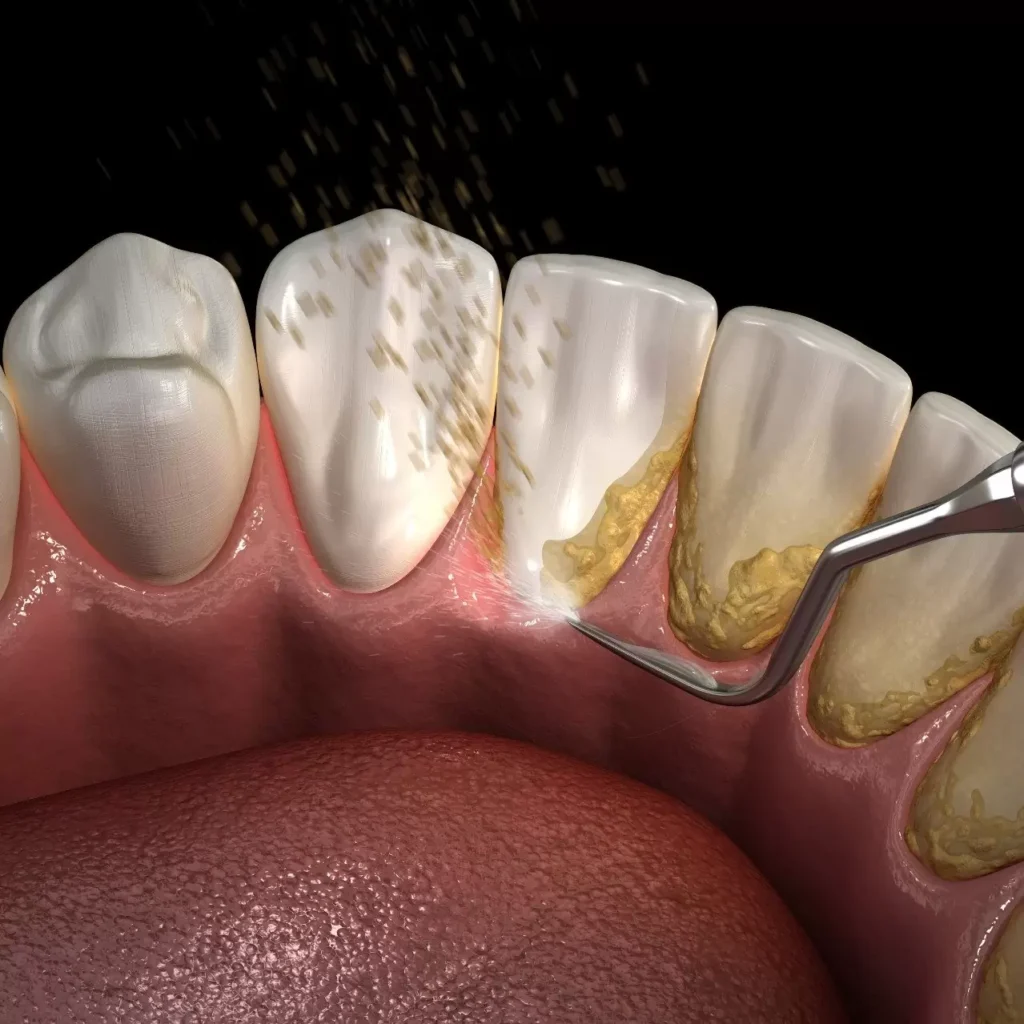
If you have noticed a hard, crusty texture along your gums, you are likely dealing with a significant accumulation of tartar. Once this substance has solidified, it essentially becomes part of the tooth structure. Therefore, the question of how to get rid of tartar from teeth shifts from a focus on personal hygiene to professional clinical treatment.
The Clinical Approach: Scaling and Polishing
The standard protocol for removing tartar from teeth involves a two-step process: scaling and polishing. During scaling, the clinician uses specialized vibrating tools to break the bond between the calculus and the enamel. This is often followed by a high-powered polishing session using a gritty paste. This step is crucial because it eliminates microscopic scratches and leftover debris, leaving the tooth surface slick and glassy.
Deep Cleaning (Scaling and Root Planing)
For patients with tartar on teeth that has migrated beneath the gumline, a standard cleaning isn’t enough. This requires a “Deep Cleaning” or Scaling and Root Planing (SRP).
- The Procedure: The dentist numbs the area and reaches deep into the “pockets” between the teeth and gums to remove tartar and infected tissue.
- The Benefit: By smoothing out the root surfaces, the gums can reattach to the tooth, closing the gaps where bacteria thrive. This is the gold standard for treating early-stage gum disease and preventing tooth loss.
How to Eliminate Tartar on Teeth
While clinical removal is the only way to eliminate existing deposits, the long-term strategy for how to eliminate tartar on teeth permanently relies on disrupting the biological environment of your mouth. Eliminating the “cycle” of tartar requires a multi-faceted approach to oral chemistry and mechanical cleaning.
1. pH Balancing and Diet
Bacteria thrive in acidic environments. When you consume sugary or acidic foods, the pH in your mouth drops, making it easier for plaque to form and eventually harden into tartar. To eliminate the rapid growth of tartar plaque teeth, consider:
- Increasing Water Intake: Water helps wash away food debris and neutralizes acids.
- Xylitol Consumption: Using gums or mints with xylitol can inhibit the growth of Streptococcus mutans, the primary bacteria responsible for plaque.
2. Advanced Mechanical Interventions
Switching to an oscillating-rotating electric toothbrush is one of the most effective ways to prevent tartar off teeth from returning. These brushes provide thousands of strokes per minute, far exceeding what a human hand can achieve. Furthermore, incorporating an oral irrigator (water flosser) can help flush out the biofilm from deep crevices before it has the chance to mineralize.
3. Chemical Prevention
Using a mouthwash specifically formulated for “tartar protection” can make a difference. These often contain zinc salts or pyrophosphates that act as “crystal growth inhibitors.” They don’t kill the bacteria, but they slow down the process of minerals in your saliva turning that bacteria into stone.
The Consequences of Neglecting Tartar Accumulation
It is tempting to view tartar as a mere cosmetic nuisance, but the biological reality is far more concerning. When tartar on teeth is allowed to persist, it acts as a permanent scaffolding for bacteria. This creates a state of chronic inflammation in the gingival tissues.
As the body’s immune system attempts to fight off the bacterial colony living within the tartar, it accidentally begins to break down the connective fibers and bone that hold your teeth in place. This progression from gingivitis to periodontitis is often silent, meaning you may not feel pain until the damage is extensive. Professional intervention is the only way to halt this destructive process and preserve the structural integrity of your jawbone.
Strategic Prevention: A Lifetime Without Calculus
The ultimate goal for any patient should be to minimize the need for heavy scaling by mastering the art of prevention. While we have discussed the tools, the technique is equally vital.
- The 45-Degree Angle: When brushing, ensure the bristles are angled toward the gumline. This is where tartar plaque teeth most frequently begin their transition into calculus.
- Interdental Cleaning: Traditional floss or interdental brushes are non-negotiable. If you only brush the surfaces of your teeth, you are leaving nearly 40% of the plaque behind, which will inevitably lead to tartar off teeth forming in between them.
- Salivary Flow: Dry mouth (xerostomia) is a major contributor to rapid tartar formation. Saliva acts as a natural buffer; without it, acids go unchecked. Ensure you stay hydrated to keep your natural defense system functioning.
FAQ About Remove Tartar From Teeth
Can I Use Baking Soda to Remove Tartar?
Baking soda is a mild abrasive that can help remove surface stains and some plaque, but it is not strong enough to remove tartar. Using it too aggressively can actually wear down your enamel, making it easier for tartar to stick to your teeth in the future.
Why is My Tartar Black or Brown?
Black tartar on teeth usually indicates that the calculus has been present for a long time and has been exposed to blood or certain pigments from food and drink (like coffee or tobacco). It is frequently found below the gumline and is a sign of advanced inflammation or periodontal disease.
Does Removing Tartar Hurt?
For most patients, a standard scaling is not painful, though you may feel some pressure or a “scraping” sensation. However, if you have sensitive teeth or inflamed gums due to heavy tartar buildup, the process can be uncomfortable. In these cases, your dentist at Darya Dental Clinic can apply a topical numbing gel to ensure a painless experience.
How Often Should I Have Tartar Removed?
The general recommendation is every six months. However, some individuals are “heavy formers” due to their saliva chemistry or genetics. If you notice tartar building up quickly, your dentist may recommend a cleaning every three or four months to protect your bone health.
Can Tartar Fall off on its Own?
Occasionally, a large piece of tartar may break off, especially if it was bridging two teeth. While it might feel like a piece of your tooth fell out, it is usually just the calculus. However, this does not mean the problem is gone; the microscopic foundation of the tartar is still attached to the enamel and will quickly regrow if the tooth isn’t professionally cleaned.
