
Dental Implant Aftercare: How to Make Your Implants Last a Lifetime
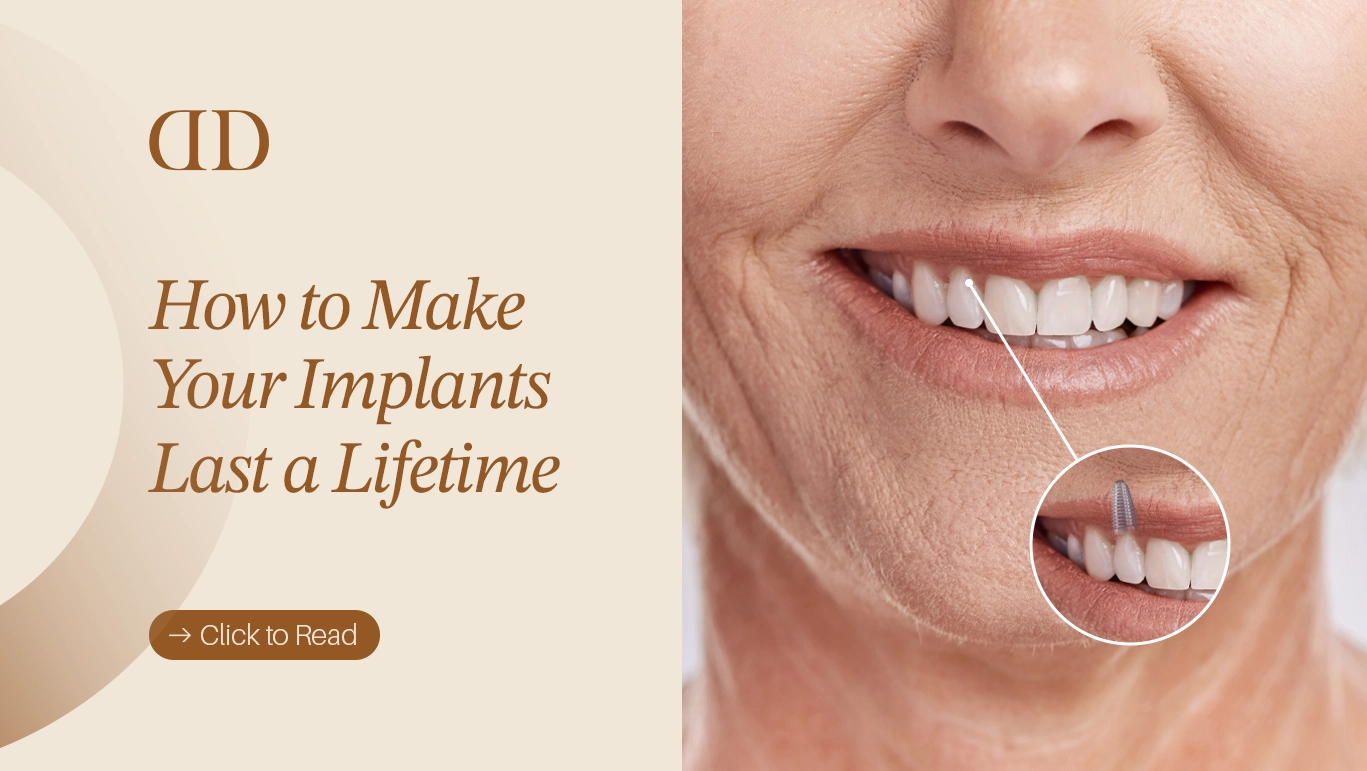

With proper care, titanium dental implants can last a lifetime. Clinical studies show 95%+ survival rates at 20 years for well-maintained implants, with some patients keeping their original implants for over 40 years. The key difference between implants that last decades and those that fail prematurely isn’t luck or genetics. It’s aftercare.
A 2024 meta-analysis examining 20-year implant survival data found prospective studies showing 92% survival rates (95% CI: 82-97%), demonstrating that four out of five implants remain functional after two decades. But here’s what the data doesn’t capture: patients who follow rigorous maintenance protocols achieve survival rates approaching 97% at 10 years, while those who skip professional cleanings and neglect home care face failure rates two to three times higher.
The International Journal of Oral & Maxillofacial Implants reports that peri-implantitis, the bacterial infection that destroys bone around implants, is the primary cause of late implant failure. Current research shows this condition affecting 10-15% of implants after 10 years among patients without structured maintenance programs, but less than 5% in patients receiving regular professional care every 3-4 months.
Your implants can last 30, 40, even 50 years. This guide shows you how to join the patients whose implants outlast everything else in their mouth.
How Long Do Dental Implants Actually Last?
The honest answer: it depends almost entirely on what you do after placement. The implant fixture itself, that titanium post integrated in your bone, rarely wears out. The failures happen at the interface between implant and tissue, where bacteria accumulate and inflammation develops if you don’t actively prevent it.
Ten-year survival data provides the clearest picture. A 2019 systematic review analyzing 18 studies found 96.4% implant survival at 10 years (95% CI: 95.2-97.5%) with prediction intervals ranging from 91.5% to 99.4%. The wide prediction interval reveals something crucial: individual outcomes vary dramatically based on patient-specific factors.
Patients who maintain excellent oral hygiene, attend regular professional cleanings, don’t smoke, and manage systemic conditions like diabetes cluster at the high end of that range, approaching 99% survival. Those who neglect maintenance, smoke, or have uncontrolled diabetes fall toward the lower end, sometimes below 90%.
Twenty-year data reveals the compounding effect of maintenance. The meta-analysis found 92% survival in prospective studies at 20 years before adjusting for patients lost to follow-up. After conservative statistical adjustment accounting for dropouts (who likely experienced worse outcomes), survival decreased to 78%. This 14-percentage-point drop highlights a critical reality: maintaining implants requires sustained commitment, not just initial enthusiasm.
The first dental implant patient, Gösta Larsson, received his implants in 1965 and kept them functional until his death in 2006, over 40 years later. The second patient, Sven Johansson, maintained 11 implants supporting a fixed bridge for nearly 50 years. While these cases represent exceptional outcomes, they demonstrate that with proper care, implants can literally last a lifetime.
Premium Dental Care in Turkey
Expert treatments with high-end technology. Get your personalized quote today via WhatsApp.
Failure patterns cluster at specific timepoints. Most implant failures occur within the first six months (failed osseointegration due to surgical complications or inadequate healing) or after 5-10 years in function (peri-implantitis from inadequate maintenance). The middle period, years 1-5, shows minimal failures in properly maintained implants. This creates two distinct prevention windows: immediate post-surgical care and long-term maintenance.
Understanding this timeline helps calibrate expectations. If your implants integrate successfully in the first year, your primary focus shifts to preventing peri-implantitis through decades of consistent care. The patients whose implants last 40+ years aren’t lucky. They’re diligent.
The healing and aftercare process can vary according to the implant procedure performed, so reviewing the available dental implant treatment options can help provide context for each treatment approach.
Immediate Post-Surgery Care (First 2 Weeks)
The first two weeks determine whether osseointegration succeeds or fails. Your body is actively growing bone onto the titanium surface. Disrupting this process through infection, excessive force, or inadequate healing creates cascading problems that compromise long-term success.
Day 1-3: Minimize swelling and protect the surgical site. Apply ice packs to your face in 20-minute intervals for the first 48 hours. This reduces swelling and discomfort. Avoid touching the surgical area with your fingers or tongue. Your mouth contains bacteria that can infect the healing tissue before your immune system fully secures the area.
Take prescribed antibiotics exactly as directed, completing the full course even if you feel fine. Antibiotic resistance develops when patients stop treatment early, and incomplete courses may allow remaining bacteria to colonize the implant surface. Take prescribed pain medication before the anesthetic wears off to stay ahead of discomfort rather than chasing it.
Days 4-7: Gentle hygiene resumes with restrictions. Begin rinsing gently with warm salt water (1 teaspoon salt in 8 ounces warm water) after meals and before bed. Swish gently without vigorous swirling that could dislodge blood clots. Resume brushing natural teeth, carefully avoiding the surgical site for the first week.
Your diet should remain soft and room temperature. Avoid anything requiring significant chewing force, extremely hot foods that increase blood flow to the area, or acidic items that irritate healing tissue. Think yogurt, smoothies, scrambled eggs, mashed potatoes, soft pasta. Nutrition matters during healing, so prioritize protein and vitamins even within soft food constraints.
Days 8-14: Progressive return to normal activity. You can begin gently brushing around the implant site using an extra-soft toothbrush. Angle the bristles away from the healing tissue rather than directly onto it. If you notice bleeding with gentle brushing, reduce pressure and frequency but don’t stop cleaning entirely. Some minor bleeding during this period is normal as tissues adapt.
Avoid strenuous exercise for two weeks. Activities that elevate blood pressure can cause bleeding at the surgical site and compromise healing. Light walking is fine. Weightlifting, running, or high-intensity workouts should wait until your surgeon clears you, typically at the 2-week follow-up appointment.
Immediate loading considerations require extra caution. If you received a temporary crown or prosthesis the same day as surgery (immediate loading), avoid chewing on that restoration for the first two weeks. The implant achieved sufficient primary stability for immediate loading, but that stability remains mechanical rather than biological. Osseointegration hasn’t begun yet. Excessive force during this critical period can cause micromotion at the bone-implant interface, preventing proper integration.
Signs that warrant immediate contact with your surgeon: severe pain not controlled by prescribed medication, fever above 101°F (38.3°C), excessive bleeding that doesn’t stop with gentle pressure, visible loosening or movement of the implant, or foul taste/odor suggesting infection.
Long-Term Implant Maintenance: Daily Care Routine
Once your implants fully integrate and final restorations are placed, your daily routine determines long-term success. The challenge: implant care looks similar to natural tooth care, but the consequences of failure differ dramatically.
Morning and evening brushing protocols matter more than you think. Use a soft-bristled toothbrush (manual or electric) with fluoride toothpaste. Position the brush at a 45-degree angle to the gum line, using gentle circular motions. Spend two minutes total, ensuring you brush all surfaces of implant crowns including the back surfaces most people neglect.
The implant-gum interface requires particular attention. Unlike natural teeth where ligament fibers attach to cementum, implants have a less robust soft tissue seal. Bacteria that colonize this junction can progress to bone faster than with natural teeth. Brush this area gently but thoroughly, visualizing the goal: removing bacterial biofilm before it organizes into resistant colonies.
Electric toothbrushes often work better for implant patients, particularly those with reduced manual dexterity from arthritis or other conditions. The oscillating or sonic vibrations disrupt biofilm more effectively than manual brushing. Choose models with pressure sensors that alert you if you’re brushing too hard, which can damage gum tissue around implants.
Interdental cleaning prevents most peri-implant disease. Brushing cleans crown surfaces. Floss or interdental brushes clean between teeth where brushes can’t reach. This space between implant crown and adjacent tooth harbors bacteria that cause peri-implantitis if left undisturbed.
For single implants with natural teeth on both sides, use implant-specific floss or super floss with a stiffened end that threads under the crown. Gently slide the floss up and down each side of the implant crown, going slightly below the gum line. Use a C-shape motion wrapping the floss around the crown rather than sawing back and forth.
For bridges or multiple adjacent implants, interdental brushes work better than floss. Choose a brush size that fits snugly in the space without forcing. Insert the brush and move it in-and-out several times, then rinse. Replace interdental brushes when bristles wear or bend, typically every 1-2 weeks with daily use.
Water flossers offer an excellent alternative for patients who struggle with traditional floss or interdental brushes. The pulsing water stream disrupts biofilm while being gentle on tissues. Use warm water at medium pressure, directing the stream at a 90-degree angle to the gum line. Water flossers don’t replace mechanical cleaning entirely, but they significantly reduce biofilm accumulation when used daily in addition to brushing.
Antimicrobial mouth rinses serve specific purposes. Chlorhexidine gluconate 0.12% mouth rinse effectively reduces bacterial load around implants, but long-term daily use causes tooth staining and altered taste perception. Use chlorhexidine only when recommended by your dentist, typically for 2-week periods after professional cleanings or if inflammation develops.
For daily maintenance, alcohol-free antimicrobial rinses containing cetylpyridinium chloride or essential oils provide modest bacterial reduction without the staining issues. Rinse for 30 seconds after brushing and flossing, not as a substitute for mechanical cleaning but as supplemental bacterial control.
Timing matters less than consistency. Brush twice daily minimum. Three times is better if you can manage it without becoming obsessive. What matters most: every 24 hours, you’ve mechanically disrupted bacterial biofilm around every implant surface. Missing a day allows biofilm to mature and resist removal. Missing several days starts the progression toward peri-implant disease.
To understand the comprehensive factors that affect implant longevity across different brands and materials, our detailed brand comparison guide examines how material choice, surface treatments, and manufacturer quality standards influence long-term maintenance requirements.
Preventing Peri-implantitis: Warning Signs and Prevention
Peri-implantitis is to implants what periodontitis is to natural teeth: a progressive bacterial infection that destroys supporting bone. Without intervention, it causes implant loss. The cruel irony: early peri-implantitis produces minimal symptoms, so patients often don’t realize they have it until significant bone loss has occurred.
Understanding the progression from health to disease. Healthy peri-implant tissue appears pink, firm, and doesn’t bleed with gentle probing. Peri-implant mucositis develops when bacterial biofilm accumulates, causing gum inflammation without bone loss. This reversible stage affects 43-47% of implant patients. Bleeding with brushing or flossing signals mucositis. The tissue appears redder and may feel tender.
Peri-implantitis represents progression beyond mucositis to active bone destruction. Research shows this affects 20-22% of implant patients after 10 years. Warning signs include: persistent bleeding on brushing, visible swelling or redness around the implant, pus discharge, increasing probing depths (measured by your dentist), and visible threads showing as bone recedes.
Pain rarely occurs until disease becomes advanced. Many patients discover peri-implantitis only during routine dental checkups when the dentist measures increased probing depths or radiographs reveal bone loss. This delayed detection underscores the importance of regular professional monitoring.
Risk factors you can control make the difference. Studies analyzing peri-implantitis risk identified several independent factors. Higher educational level and regular dental cleaning emerged as protective factors, while implant service time exceeding 5 years, smoking, diabetes, previous periodontal disease, and insufficient keratinized mucosa width increased risk.
Smoking creates the strongest modifiable risk. Tobacco reduces blood flow to gum tissue, impairs immune response, and promotes pathogenic bacteria colonization. Smokers who receive implants without quitting face 2-3 times higher failure rates. The solution isn’t complicated: quit smoking before implant placement and remain tobacco-free permanently.
History of periodontal disease indicates you harbor bacteria species (Porphyromonas gingivalis, Aggregatibacter actinomycetemcomitans, Tannerella forsythia) that cause both periodontitis and peri-implantitis. These bacteria don’t disappear after implants replace your natural teeth. They colonize implant surfaces just as they colonized tooth roots. Patients with periodontal history require more aggressive maintenance protocols: professional cleaning every 3 months rather than 6, antimicrobial therapy as needed, and meticulous home care.
Diabetes affects healing and immune response. Well-controlled diabetes (HbA1c below 7%) poses minimal added risk. Poorly controlled diabetes significantly increases peri-implantitis incidence. If you have diabetes, work with your endocrinologist to optimize glucose control before implant placement and maintain that control long-term.
Prevention strategies proven effective through research. A 2016 meta-analysis found that implants under regular peri-implant maintenance therapy (PIMT) showed 0.958 times the incident failure rate compared to implants without PIMT. This seemingly modest reduction compounds over decades: a 4% risk reduction per year becomes 40% over 10 years and 64% over 20 years.
The maintenance interval matters. Studies comparing different frequencies found 3-4 month intervals significantly reduced peri-implantitis incidence compared to 6-month or yearly intervals, particularly in high-risk patients (smokers, diabetes, periodontitis history). The explanation: bacterial biofilm matures over 12-16 weeks. Disrupting it before maturation prevents progression from reversible mucositis to irreversible peri-implantitis.
Professional cleaning removes calculus (hardened plaque) that home care cannot address. Once biofilm calcifies, only professional instruments remove it. Calculus serves as a protected reservoir for bacteria, accelerating disease progression. Regular professional removal prevents calculus accumulation, keeping the bacterial load at manageable levels your home care can control.
Early intervention reverses mucositis before bone loss occurs. If you notice bleeding when brushing implants, schedule a professional cleaning immediately rather than waiting for your next scheduled appointment. Debridement (mechanical biofilm removal) alone significantly reduces bleeding and inflammation when performed at the mucositis stage. Clinical practice guidelines confirm that peri-implant mucositis is treatable and restoration of tissue health is achievable with timely intervention.
Once peri-implantitis develops with bone loss, treatment becomes more complex and less predictable. Surgical intervention may be required to decontaminate implant surfaces and regenerate lost bone. Success rates drop significantly compared to mucositis treatment. This reality emphasizes prevention and early detection as far superior strategies to treating advanced disease.
For patients concerned about the long-term maintenance requirements of different implant materials, our analysis of titanium versus zirconia implants examines how material choice influences bacterial accumulation patterns and maintenance protocols.
Professional Cleaning for Implants vs Natural Teeth
Professional implant maintenance differs from routine dental cleanings in important ways. The techniques, instruments, and intervals must accommodate implant-specific vulnerabilities to preserve the osseointegrated interface and prevent surface damage.
Instrument selection prevents implant surface damage. Traditional steel scalers used for natural teeth can scratch titanium implant surfaces, creating roughened areas that accelerate bacterial colonization. Professional implant cleaning uses plastic, carbon fiber, or titanium curettes specifically designed for implant maintenance. These materials effectively remove biofilm and calculus without damaging the implant surface.
Ultrasonic scalers modified with specialized tips can safely clean implants when used at appropriate power settings. Standard ultrasonic tips designed for teeth may vibrate too aggressively for implant surfaces. Your hygienist should use implant-specific ultrasonic tips at reduced power to avoid surface alterations.
Air-polishing devices using erythritol or glycine powder provide another effective cleaning method. These devices spray a mixture of fine powder, water, and air to remove biofilm from implant surfaces and subgingival pockets. Research comparing cleaning methods found erythritol-based air-polishing demonstrated superior long-term anti-inflammatory effects compared to glycine, with significantly reduced inflammatory markers (IL-1β: 4.43 vs 6.02) at 6 months.
Frequency requirements differ from natural teeth. Most people with natural teeth receive professional cleanings every 6 months. Implant patients, particularly those with risk factors, need more frequent care. The standard recommendation: every 3-4 months for implant maintenance. This interval prevents biofilm maturation into organized, resistant communities that cause peri-implantitis.
Patients with peri-implantitis history require even more frequent intervals: every 2-3 months initially, gradually extending to 3-4 months if tissue health stabilizes. Think of this as managing a chronic condition rather than curing a disease. Peri-implantitis bacteria can recolonize within weeks if you miss appointments.
Radiographic monitoring tracks bone levels over time. At minimum, periapical radiographs of each implant should be taken annually to measure marginal bone levels. Comparing sequential radiographs reveals progressive bone loss before it becomes clinically apparent. Normal bone loss after implant placement averages 1mm in the first year, then 0.1-0.2mm annually thereafter. Loss exceeding these levels suggests developing peri-implantitis requiring intervention.
Cone beam CT (CBCT) provides three-dimensional bone visualization but costs more and delivers higher radiation exposure than periapical x-rays. CBCT is typically reserved for complex cases, surgical planning, or when two-dimensional radiographs show ambiguous findings requiring clarification.
Professional maintenance includes more than cleaning. Your hygienist or dentist should assess: probing depths around each implant (increases signal disease), bleeding on probing (inflammation indicator), mobility (suggests bone loss or mechanical failure), tissue quality and color (health assessment), radiographic bone levels (compared to previous films), and prosthetic integrity (checking for loose screws, fractured porcelain, or excessive wear).
This comprehensive evaluation catches problems early when intervention succeeds more predictably. A loose abutment screw detected at a routine visit requires simple tightening. The same screw left loose for months can cause progressive bone loss requiring bone grafting and component replacement.
Insurance coverage varies for implant maintenance. Some dental insurance plans cover professional implant maintenance under preventive benefits, allowing the same frequency as cleanings for natural teeth. Others consider implants elective and exclude maintenance coverage. Check your specific plan details and appeal denials that restrict implant maintenance frequency below the 3-4 month standard of care.
If your insurance restricts coverage, consider the cost-benefit calculation. Professional cleaning every 3 months costs approximately $400-800 annually. Treating peri-implantitis with surgery costs $2,000-5,000 per implant. Replacing a lost implant costs $3,000-6,000. Investing in prevention provides exceptional return on investment.
Preparing for Dental Implant Surgery
Long-term implant success begins before the procedure itself. Proper preparing for dental implant surgery includes reviewing your medical history and medications, following your dentist’s pre-operative instructions, planning transportation when sedation is used, and making temporary adjustments to smoking, alcohol consumption, and daily routines. Taking these steps can support the healing process and help create better conditions for successful implant integration.
What to Do If You Experience Implant Issues
Despite optimal care, problems occasionally develop. Recognizing issues early and responding appropriately often determines whether an implant remains salvageable or requires removal and replacement.
Bleeding around implants signals inflammation requiring investigation. Minor occasional bleeding with brushing might indicate you’re being too aggressive with oral hygiene technique. Persistent or increasing bleeding suggests peri-implant mucositis or developing peri-implantitis. Don’t ignore it hoping it resolves spontaneously. Schedule a professional evaluation within 1-2 weeks.
Your dentist will measure probing depths, assess tissue quality, and possibly take radiographs to evaluate bone levels. If mucositis without bone loss is diagnosed, professional debridement coupled with improved home care typically resolves the inflammation within 2-4 weeks. If bone loss is present, more aggressive intervention becomes necessary.
Mobility indicates serious problems. Implants should never move. Any detectable mobility suggests either mechanical failure (broken screw or fractured implant body) or severe bone loss from advanced peri-implantitis. Contact your dentist immediately, within 24-48 hours, not waiting weeks for a routine appointment.
The dentist will radiograph the implant, test stability, and examine the prosthetic connection. A loose abutment screw can be retightened. A fractured implant requires removal. Extensive bone loss might allow temporizing the situation with aggressive infection treatment while considering the long-term prognosis.
Pain, swelling, or pus discharge demands urgent attention. These symptoms indicate active infection requiring treatment within 24-48 hours. Untreated peri-implant abscesses can progress rapidly, causing extensive bone destruction.
Your dentist may prescribe antibiotics to control the acute infection while planning definitive treatment to remove the source (infected tissue, contaminated implant surface, or sometimes the implant itself if salvage isn’t possible). Antibiotics alone don’t cure peri-implantitis; they temporarily suppress bacteria while mechanical debridement or surgery addresses the underlying problem.
Prosthetic complications require timely repair. Loose crowns, chipped porcelain, or food trapping around prosthetics create environments favoring bacterial accumulation. Schedule repair within 1-2 weeks. Temporary prosthetic issues become permanent peri-implant problems if left unaddressed.
Screw-retained prosthetics occasionally experience screw loosening, especially within the first year. This represents a mechanical adjustment issue, not implant failure. The dentist removes the crown or bridge, cleans threads, possibly replaces the screw, and retorques to proper specifications. This minor intervention prevents the screw from fracturing or causing implant complications.
Second opinions provide valuable perspective. If your current dentist recommends implant removal or extensive treatment, consider seeking evaluation from a periodontist or oral surgeon specializing in implant salvage before proceeding. Some implants diagnosed as hopeless can be saved through aggressive treatment. Conversely, some implants deemed salvageable might be better removed to prevent ongoing bone loss that compromises future replacement options.
Look for practitioners with specific training and experience in peri-implantitis management. General dentists provide excellent routine maintenance, but complex implant problems benefit from specialist consultation.
Darya Dental’s Aftercare Support for International Patients
At Darya Dental, we place 450-600 implants annually in patients from the USA, UK, South Africa, Nigeria, Australia, and Middle Eastern countries. Our international patient base requires structured aftercare protocols that function across geographic distances.
Our immediate post-surgical support operates 24/7 during your recovery. We provide direct WhatsApp access (+90 530 567 97 11) to our clinical team throughout your time in Istanbul. Questions about swelling, pain management, diet restrictions, or concerning symptoms receive fast responses.
This accessibility matters because minor concerns at midnight in your home country might become major problems if left unaddressed until the next business day. We’ve found that rapid response to patient concerns reduces complications through early intervention and reduces anxiety through reassurance when symptoms fall within normal healing parameters.
Pre-departure education sets the foundation for long-term success. Before you leave Istanbul, we schedule a dedicated aftercare consultation separate from your surgical follow-up appointments. This session covers: detailed demonstration of proper brushing and flossing technique for your specific restoration type, interdental cleaning tools recommendation and instruction, professional cleaning frequency requirements based on your risk factors, warning signs that warrant immediate attention, and coordination with your home dentist for ongoing maintenance.
This ongoing relationship provides accountability that improves long-term outcomes. Patients knowing they’ll review their implants with us maintain more consistent home care and professional maintenance compared to patients who receive no follow-up after initial healing.
Many patients choose Turkey specifically because our premium-brand implant pricing matches US economy-brand pricing. A single Straumann implant costs €650-1,000 all-inclusive at Darya Dental versus $3,000-6,000 in the United States. Even accounting for travel expenses and annual maintenance costs, the total investment over 10 years remains 40-60% lower than US treatment.
For detailed comparisons of how different implant brands compare in terms of maintenance requirements and long-term warranties, visit our comprehensive cost calculator tool that breaks down both initial costs and projected lifetime expenses.
Frequently Asked Questions
How often should I brush my dental implants?
Brush your dental implants at minimum twice daily using the same thorough technique you’d use for natural teeth. Ideal routine: brush after breakfast, after dinner, and before bed if possible. Use a soft-bristled brush with fluoride toothpaste, spending two minutes total to ensure all surfaces receive adequate cleaning, particularly the gum line where bacteria accumulate.
Can I use a regular toothbrush on dental implants?
Yes, regular soft-bristled toothbrushes work fine for dental implants. Avoid hard or medium bristles that can damage gum tissue. Electric toothbrushes often clean more effectively than manual brushing, particularly models with pressure sensors preventing excessive force. The toothbrush type matters less than technique and consistency.
Do dental implants need special floss?
While regular floss can work, implant-specific floss or super floss with stiffened ends makes cleaning easier and more effective. These products thread under prosthetics more readily and reach subgingival areas where bacteria accumulate. Water flossers provide an excellent alternative for patients who struggle with traditional flossing. The key: clean between implants and adjacent teeth daily using whichever method you’ll actually use consistently.
How often do I need professional cleanings with implants?
Most implant patients should receive professional cleanings every 3-4 months rather than the 6-month interval typical for natural teeth. Patients with risk factors (smoking, diabetes, periodontal disease history) may need cleaning every 2-3 months. This frequency prevents biofilm maturation into organized communities that cause peri-implantitis. Maintenance intervals should be individualized based on your specific risk profile.
What happens if I miss dental implant cleaning appointments?
Missing occasional appointments increases peri-implantitis risk incrementally. Missing appointments regularly significantly raises failure probability. Research shows implants under regular maintenance have 0.958 times the failure rate of implants without structured maintenance. Over 20 years, this compounds to substantially higher survival in well-maintained implants. If you’ve missed appointments, schedule immediately and discuss catching up on care.
Can dental implants get cavities?
The titanium implant fixture cannot develop cavities since it’s not made of living tissue. However, the crown attached to the implant can develop problems at the margin where it meets the gum if bacteria accumulate. More importantly, adjacent natural teeth remain susceptible to cavities, and poor oral hygiene around implants often correlates with cavities in nearby teeth.
What foods should I avoid with dental implants?
After initial healing, you can eat normally with dental implants. Very hard foods (ice, hard candy, unpopped popcorn kernels) can chip porcelain crowns, though this applies to natural teeth as well. Extremely sticky foods might temporarily dislodge prosthetics, particularly temporary restorations. The main dietary consideration: avoid excessive consumption of acidic beverages (sodas, citrus juices) that can erode porcelain over time.
Will my dental insurance cover implant maintenance?
Coverage varies significantly by plan. Some dental insurance plans cover professional implant maintenance under preventive benefits at the same frequency as cleanings for natural teeth. Others exclude implant maintenance entirely or limit frequency to once or twice yearly rather than the recommended 3-4 times. Review your specific plan details and appeal restrictions that limit maintenance below the clinical standard of care.
What are signs my dental implant is failing?
Warning signs include: bleeding when brushing or flossing around the implant (persistent, not occasional), visible swelling or redness of gum tissue, pus discharge from around the implant, pain or discomfort when chewing, any movement or looseness of the implant, and visible threads or metal showing as bone recedes. Contact your dentist within 1-2 weeks for bleeding/swelling, within 24-48 hours for mobility, pain, or pus.
Can peri-implantitis be reversed?
Peri-implant mucositis (inflammation without bone loss) is reversible with professional debridement and improved home care. Peri-implantitis (inflammation with bone loss) cannot fully restore lost bone to original levels, but treatment can halt disease progression and stabilize the implant. Early detection and intervention provide the best prognosis. This is why regular professional monitoring every 3-4 months matters so much.
