
Dental Abscess: Causes, Prevention, and Treatment
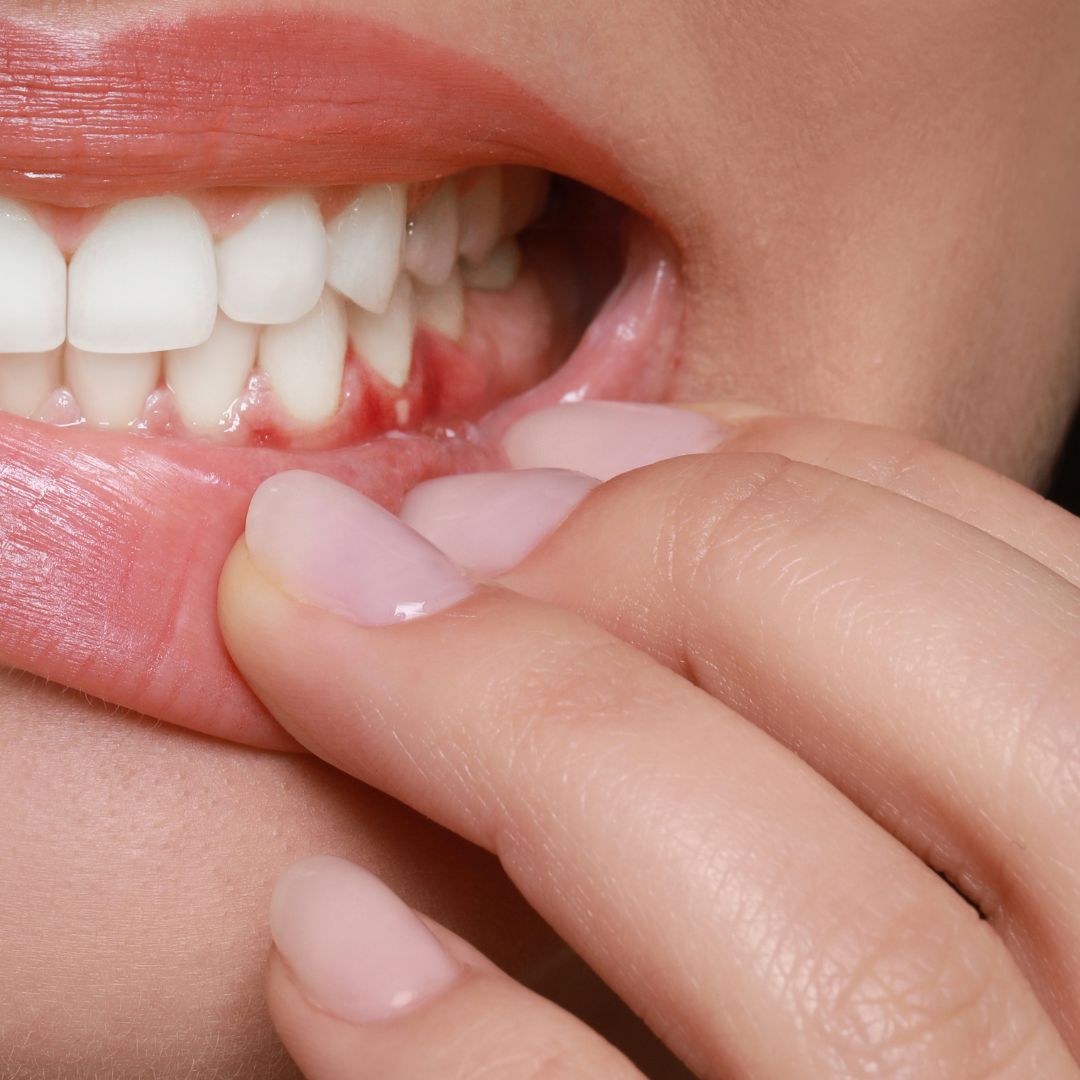

What Is a Dental Abscess?
A dental abscess is a pocket of pus caused by a bacterial infection in different parts of a tooth or gums. These painful conditions develop when bacteria invade the dental pulp—the soft inner part of the tooth containing blood vessels, nerves, and connective tissue.
There are three main types of dental abscesses:
- Periapical abscess: Occurs at the tip of a tooth’s root
- Periodontal abscess: Develops in the gum tissues next to a tooth root
- Gingival abscess: Forms in the gum tissue not involving the tooth
Common Symptoms
- Severe, persistent, throbbing toothache
- Sensitivity to hot and cold temperatures
- Pain when chewing or biting
- Swelling in the face or cheek
- Tender, swollen lymph nodes under the jaw
- Fever
- Bad breath or foul taste in the mouth
Primary Causes of Dental Abscesses
Poor Dental Hygiene
The most common cause of dental abscesses worldwide is inadequate oral hygiene. When plaque—a sticky film of bacteria—builds up on teeth, it produces acids that erode tooth enamel, leading to cavities. If left untreated, these cavities can extend deep into the tooth, allowing bacteria to infect the pulp.
Previous Dental Work
Poorly performed dental procedures or complications from dental work can sometimes lead to infections. Leaking fillings or crowns may allow bacteria to penetrate deeper into the tooth structure.
Dental Trauma
Injuries to teeth, such as cracks, chips, or fractures, create pathways for bacteria to enter the dental pulp. Even minor trauma that may go unnoticed can lead to an abscess months or years later.
Medical Conditions
Certain medical conditions that compromise the immune system, such as diabetes, autoimmune disorders, or cancer treatments, can make individuals more susceptible to dental infections.
Regional Dietary Habits Contributing to Dental Abscesses
| Region | Dietary Pattern | Details | Impact |
|---|---|---|---|
| United States | High Sugar Consumption | • Americans consume ~17 teaspoons of added sugar daily • Common sources include: – Sugary sodas and energy drinks – Processed snack foods – Desserts and candy – Sweetened coffee drinks | Creates ideal environment for cavity-causing bacteria |
| United States | Fast Food Culture | • High sugar content in sauces and bread • Acidic beverages served with meals • Limited nutritional value | Weakens dental health and promotes decay |
| United Kingdom | Tea Drinking Habits | • Multiple cups consumed daily • Sugar frequently added to tea | Significant contribution to daily sugar intake |
| United Kingdom | Acidic Foods and Drinks | • Vinegar on fish and chips • Fruit-based desserts • Carbonated drinks • Alcoholic beverages (particularly cider) | Erodes tooth enamel, creating entry points for bacteria |
| Mediterranean European Countries | Healthier Dietary Patterns | • Lower sugar consumption • Olive oil and vegetable-rich diets • Less processed food | Generally lower rates of dental abscesses |
| Northern European Countries | Higher Risk Consumption | • Candy and chocolate (especially in Scandinavia) • Acidic foods • Carbonated beverages | Increased risk of dental decay and abscess formation |
| Eastern European Countries | Westernizing Diet | • Greater consumption of processed foods • Higher sugar intake • Less emphasis on preventive dental care | Rising rates of dental problems including abscesses |
Other Regional Factors Contributing to Dental Abscesses
Healthcare Access
United States
- Approximately 74 million Americans lack dental insurance
- High cost of dental care may lead to delayed treatment
- Rural areas face shortages of dental professionals
United Kingdom
- NHS provides basic dental coverage, but:
- Finding NHS dentists can be challenging in some regions
- Waiting lists can delay necessary treatment
- Some treatments require private payment
European Countries
```html
```
Premium Dental Care in Turkey
Expert treatments with high-end technology. Get your personalized quote today via WhatsApp.
- Varying healthcare systems:
- Northern European countries generally have better access
- Southern and Eastern European regions may have limited dental care infrastructure
- Economic disparities affect treatment access
Cultural Attitudes Toward Dental Care
Different cultural perspectives influence preventive dental care:
- Emphasis on cosmetic procedures versus preventive care
- Varying attitudes toward regular dental checkups
- Different thresholds for seeking treatment for dental pain
Prevention Strategies
Maintaining Good Oral Hygiene
- Brush teeth twice daily with fluoride toothpaste
- Floss or use interdental cleaners daily
- Use antimicrobial mouthwash
- Replace toothbrushes every 3-4 months
Dietary Modifications
- Limit sugary foods and drinks
- Reduce acidic beverage consumption
- Increase intake of calcium-rich foods
- Drink plenty of water, especially after consuming acidic foods
Maintaining Good Oral Hygiene
- Brush teeth twice daily with fluoride toothpaste
- Floss or use interdental cleaners daily
- Use antimicrobial mouthwash
- Replace toothbrushes every 3-4 months
Dietary Modifications
- Limit sugary foods and drinks
- Reduce acidic beverage consumption
- Increase intake of calcium-rich foods
- Drink plenty of water, especially after consuming acidic foods
Regular Dental Checkups
- Visit dentists for professional cleanings every 6 months
- Address dental problems promptly
- Consider preventive treatments like sealants
Treating Existing Dental Issues
- Don’t ignore tooth pain or sensitivity
- Get cracked or chipped teeth repaired promptly
- Maintain and monitor previous dental work
Treatment Options
Drainage
The primary treatment for an abscess is draining the pus pocket. This may involve:
```html  ```
```
Want trusted dental advice in your Google AI answers?
Add Darya Dental Turkey as a Preferred Source on Google to make our dental guides easier to find in your search results and AI Overviews.
- Making a small incision in the abscess
- Performing root canal therapy
- Extracting the affected tooth in severe cases
Antibiotics
Antibiotics may be prescribed, particularly when:
- The infection has spread beyond the abscess site
- The patient has a weakened immune system
- There is significant facial swelling
Pain Management
Over-the-counter or prescription pain medications help manage discomfort while the infection resolves.
Follow-up Care
After initial treatment, follow-up care is essential to:
- Ensure complete resolution of the infection
- Prevent recurrence
- Address any underlying dental issues
When to Seek Emergency Care
Seek immediate medical attention if you experience:
- Facial swelling
- Difficulty swallowing or breathing
- High fever
- Severe pain unrelieved by over-the-counter medications
