
What Cause Dental Bone Loss
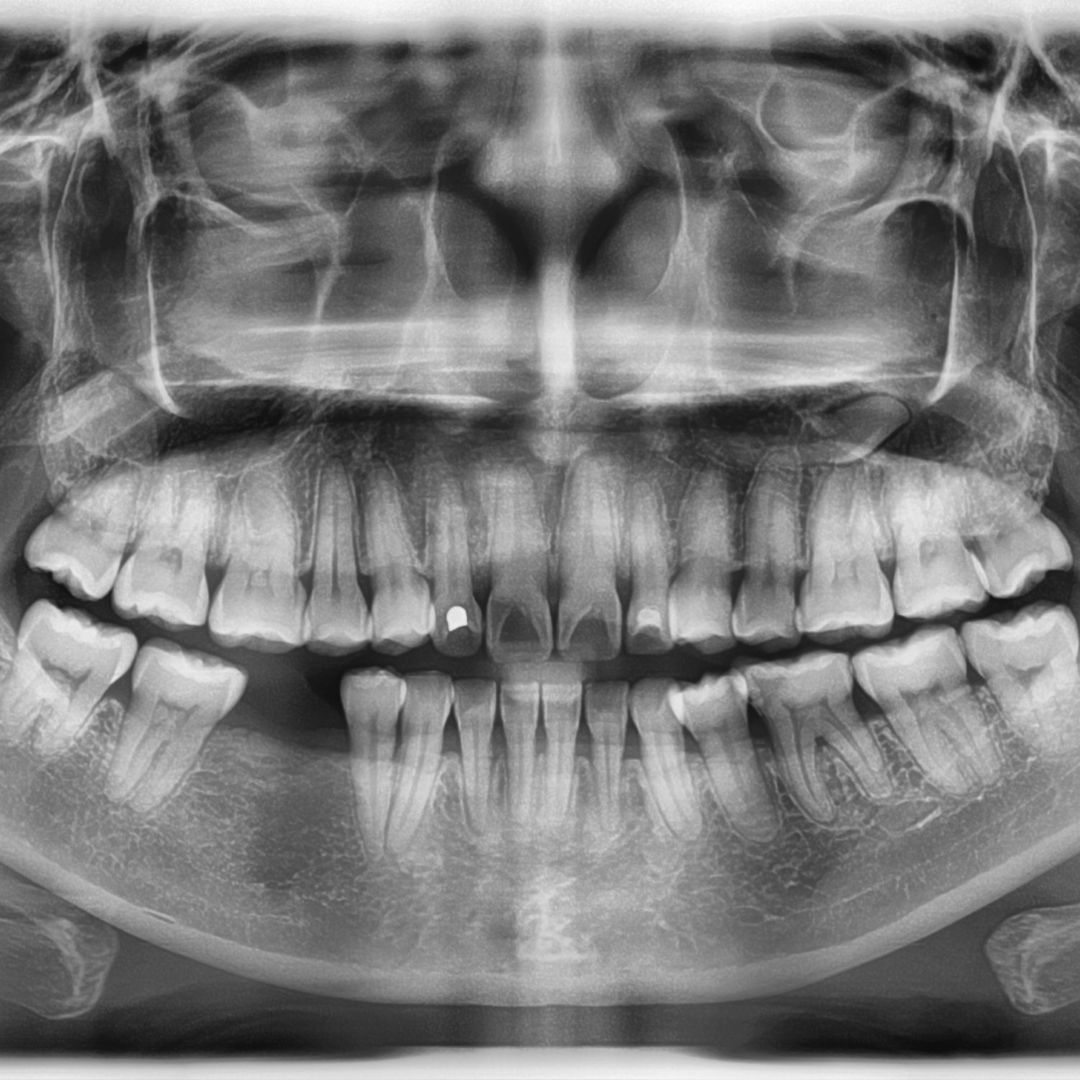

Dental bone loss, also referred to as alveolar bone resorption, is a progressive condition characterized by the deterioration or loss of the bone supporting the teeth, primarily the alveolar bone within the maxilla and mandible. This condition compromises the structural integrity of the oral cavity, leading to tooth mobility, loss of teeth, and alterations in facial aesthetics. Understanding the multifactorial etiology of dental bone loss is critical for clinicians to implement effective preventive and therapeutic strategies. This article elucidates the primary causes of dental bone loss, employing precise medical terminology and focusing on mechanisms relevant to oral health professionals.
Periodontal Disease: The Primary Culprit
Periodontal disease, encompassing gingivitis and periodontitis, is the leading cause of dental bone loss. Periodontitis, in particular, is a chronic inflammatory condition driven by the accumulation of bacterial plaque and calculus on dental surfaces. The host immune response to pathogens such as Porphyromonas gingivalis, Tannerella forsythia, and Treponema denticola triggers the release of pro-inflammatory cytokines, including interleukin-1β (IL-1β), interleukin-6 (IL-6), and tumor necrosis factor-alpha (TNF-α). These mediators stimulate osteoclast activation, leading to resorption of the alveolar bone.
The progression from gingivitis to periodontitis involves the deepening of periodontal pockets, loss of epithelial attachment, and destruction of the periodontal ligament. Radiographically, this manifests as horizontal or vertical bone loss patterns, with the severity correlating with the degree of inflammation and bacterial load. Risk factors such as poor oral hygiene, smoking, and genetic predisposition (e.g., IL-1 gene polymorphisms) exacerbate the condition, accelerating bone resorption.
Tooth Loss and Edentulism
The absence of teeth due to extraction, trauma, or congenital conditions (e.g., anodontia) directly contributes to alveolar bone loss. The alveolar bone relies on mechanical stimulation from occlusal forces transmitted through the periodontal ligament to maintain its density and volume. Following tooth loss, the lack of functional loading leads to disuse atrophy, a process akin to osteoporosis in long bones. Studies indicate that the alveolar ridge resorbs at a rate of 0.5–1.0 mm annually in the first year post-extraction, with the mandible exhibiting a fourfold higher resorption rate than the maxilla.
Residual ridge resorption (RRR) is a chronic, irreversible process that complicates prosthetic rehabilitation, such as denture fabrication or implant placement. Factors influencing RRR include the duration of edentulism, systemic health, and the presence of parafunctional habits like bruxism.
Systemic Conditions and Metabolic Disorders
Systemic diseases significantly influence alveolar bone homeostasis. Osteoporosis, characterized by reduced bone mineral density, is a prominent risk factor, particularly in postmenopausal women due to estrogen deficiency. Estrogen modulates osteoclast activity, and its decline accelerates bone turnover, including in the alveolar bone. Similarly, diabetes mellitus, particularly when poorly controlled, promotes bone loss through hyperglycemia-induced oxidative stress and advanced glycation end-products (AGEs), which impair osteoblast function and enhance osteoclast activity.
Other systemic conditions associated with dental bone loss include hyperparathyroidism, which increases parathyroid hormone levels and stimulates bone resorption, and chronic kidney disease, which disrupts calcium and phosphate metabolism. Autoimmune disorders, such as rheumatoid arthritis, may also contribute through systemic inflammation and corticosteroid use, which suppresses bone formation.
Medications and Iatrogenic Factors
Certain medications are implicated in alveolar bone loss. Long-term use of corticosteroids, commonly prescribed for autoimmune or inflammatory conditions, inhibits osteoblast differentiation and promotes osteoclastogenesis, leading to bone loss. Anticonvulsants, such as phenytoin, are associated with gingival hyperplasia and altered bone metabolism, indirectly contributing to periodontal bone destruction.
Bisphosphonates, used to treat osteoporosis and metastatic bone diseases, pose a unique risk. While they inhibit osteoclast activity, their prolonged use can lead to osteonecrosis of the jaw (ONJ), a condition characterized by exposed necrotic bone in the maxillofacial region. ONJ is particularly associated with high-dose intravenous bisphosphonates, though low-dose oral formulations carry a lower risk.
```html
```
Premium Dental Care in Turkey
Expert treatments with high-end technology. Get your personalized quote today via WhatsApp.
Trauma and Mechanical Factors
Trauma to the oral cavity, whether acute (e.g., dental fractures) or chronic (e.g., occlusal trauma), can precipitate bone loss. Occlusal trauma, resulting from excessive forces due to bruxism, malocclusion, or parafunctional habits, causes microdamage to the periodontal ligament and alveolar bone. This trauma, when superimposed on pre-existing periodontal disease, exacerbates bone resorption through mechanical stress and inflammation.
Orthodontic treatment, if improperly managed, may also contribute to bone loss. Excessive force application during tooth movement can overwhelm the bone’s adaptive capacity, leading to localized resorption. Careful monitoring of orthodontic forces and patient compliance with oral hygiene are essential to mitigate this risk.
```html  ```
```
Want trusted dental advice in your Google AI answers?
Add Darya Dental Turkey as a Preferred Source on Google to make our dental guides easier to find in your search results and AI Overviews.
Nutritional Deficiencies and Lifestyle Factors
Nutritional deficiencies, particularly of calcium, vitamin D, and vitamin C, impair bone health and exacerbate alveolar bone loss. Calcium and vitamin D are critical for bone mineralization, and their deficiency disrupts osteoblast function. Vitamin C deficiency, historically linked to scurvy, compromises collagen synthesis, weakening the periodontal ligament and supporting bone.
Lifestyle factors, such as smoking and excessive alcohol consumption, further aggravate bone loss. Nicotine in tobacco inhibits osteoblast proliferation and enhances osteoclast activity, while alcohol disrupts bone remodeling through oxidative stress and impaired nutrient absorption. These factors compound the effects of periodontal disease and systemic conditions.
Infections and Pathologic Lesions
Endodontic infections, such as periapical abscesses, can lead to localized bone loss. The spread of infection from the pulp to the periapical region triggers an inflammatory response, resulting in osteoclastic resorption of the surrounding bone. Radiographically, this appears as a periapical radiolucency. Similarly, odontogenic cysts and tumors, such as ameloblastomas or odontogenic keratocysts, cause expansive bone destruction through local invasion and pressure resorption.
Genetic and Congenital Factors
Genetic predispositions play a role in dental bone loss. Conditions such as Papillon-Lefèvre syndrome and hypophosphatasia are associated with early-onset periodontal disease and severe alveolar bone loss due to mutations affecting immune response or bone metabolism. Congenital anomalies, such as cleft palate, may also predispose individuals to localized bone deficiencies due to altered craniofacial development.
Preventive and Therapeutic Considerations
Preventing dental bone loss requires a multifaceted approach. Regular periodontal assessments, meticulous oral hygiene, and smoking cessation are foundational. For patients with systemic conditions, interdisciplinary management with medical specialists is crucial. Therapeutic interventions include scaling and root planing, surgical debridement, and regenerative procedures such as guided bone regeneration (GBR) or bone grafting. In cases of severe bone loss, dental implants or prosthetic rehabilitation may be necessary, with careful consideration of residual bone volume.
Frequently Asked Questions (FAQs)
- What is dental bone loss?
Dental bone loss refers to the resorption or deterioration of the alveolar bone that supports the teeth, often caused by periodontal disease, tooth loss, or systemic conditions. - How does periodontal disease cause bone loss?
Periodontal disease triggers an inflammatory response that activates osteoclasts, leading to the breakdown of alveolar bone. - Can tooth loss lead to bone loss?
Yes, the absence of teeth removes mechanical stimulation, causing disuse atrophy of the alveolar bone. - Are systemic diseases linked to dental bone loss?
Conditions like osteoporosis, diabetes, and hyperparathyroidism can accelerate alveolar bone resorption through metabolic or inflammatory pathways. - Do medications contribute to bone loss in the mouth?
Certain medications, such as corticosteroids and bisphosphonates, can impair bone formation or cause osteonecrosis, leading to bone loss. - Can dental bone loss be reversed?
While bone loss is often irreversible, regenerative procedures like guided bone regeneration or bone grafting can restore some bone volume. - How does smoking affect dental bone health?
Smoking inhibits osteoblast activity and promotes osteoclast function, exacerbating bone loss, particularly in periodontal disease. - Is orthodontic treatment a risk for bone loss?
Excessive orthodontic forces can cause localized bone resorption, but proper management minimizes this risk. - What role does nutrition play in preventing bone loss?
Adequate intake of calcium, vitamin D, and vitamin C supports bone health and prevents deficiencies that contribute to bone loss. - How can dental bone loss be prevented?
Regular dental checkups, good oral hygiene, smoking cessation, and management of systemic conditions are key preventive measures.
References
- American Academy of Periodontology. (2020). Periodontal Disease and Systemic Health. Available at: https://www.perio.org/for-patients/periodontal-disease-and-systemic-health
- National Institute of Dental and Craniofacial Research. (2023). Periodontal (Gum) Disease. Available at: https://www.nidcr.nih.gov/health-info/periodontal-disease
- Osteoporosis and Related Bone Diseases National Resource Center. (2022). Osteoporosis and Oral Health. Available at: https://www.bones.nih.gov/health-info/bone/osteoporosis/conditions-behaviors/oral-health
